
Dental Implants· 6 min read
Replacing Missing Teeth: Why Your Local Dentist Recommends Dental Implants Over Dentures
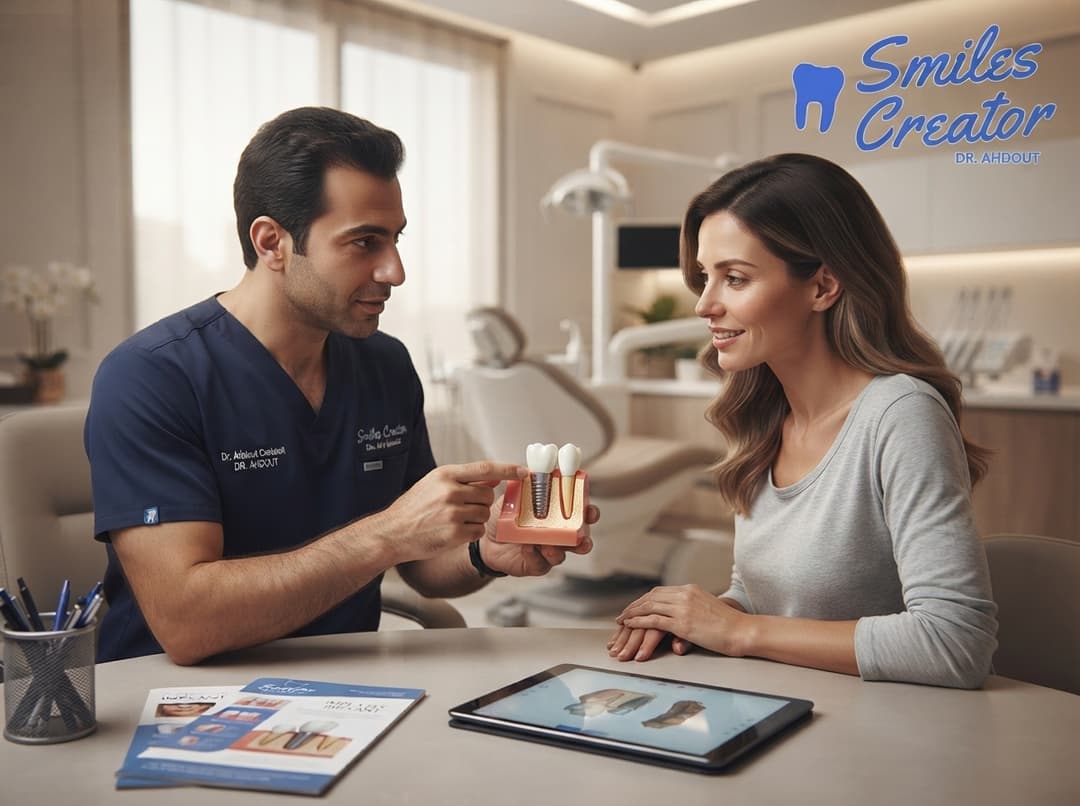
Consulting an experienced dentist when dealing with tooth loss is the most crucial step toward restoring your oral health, jawbone structure, and daily quality of life.
Living with missing teeth affects far more than just the appearance of your smile. It can change the way you speak, limit the foods you can comfortably enjoy, and lead to gradual changes in your facial structure over time. While traditional removable dentures have been used for decades to restore missing teeth, modern dental technology has shifted the standard of care toward a far more permanent, natural-looking solution: dental implants.
Understanding the structural, aesthetic, and functional differences between removable appliances and permanent tooth replacements will help you make an informed decision for your long-term smile.
The Hidden Consequences of Tooth Loss
When a tooth is lost due to trauma, severe decay, or gum disease, the visible crown above the gumline is only half of the issue. The unseen portion—the tooth root—plays a vital role in preserving your jawbone health.
Under normal conditions, natural tooth roots stimulate the surrounding jawbone every time you chew or bite. This constant stimulation signals your body to maintain healthy bone density in that area. However, when a root is missing, the jawbone no longer receives that stimulus. As a result, the body begins to reabsorb the unused bone tissue in a process known as bone resorption.
Over several years, jawbone shrinkage can cause:
- Shifting and loosening of adjacent natural teeth as they drift into open spaces.
- Changes in your bite alignment, leading to TMJ discomfort and uneven tooth wear.
- A premature aging effect on your lower face, resulting in sunken cheeks and thin lips.
- Difficulty chewing nutritious, crunchy foods like raw vegetables, nuts, and lean meats.
Comparing Your Options: Dental Implants vs. Traditional Dentures
To understand why implants are widely considered the gold standard, it helps to compare how both options function inside your mouth.
How Traditional Dentures Work
Removable partial or full dentures sit directly on top of the gum tissue and underlying bone. They are custom-crafted from acrylic and porcelain to mimic the look of natural teeth and gums.
While modern dentures are more aesthetic than ever, they do not replace the missing tooth root. Because they rely on suction, adhesives, or metal clasps anchored to neighboring teeth, they can slip or shift while talking or laughing. Furthermore, because bone loss continues beneath the denture over time, traditional appliances require periodic relining or full replacements every few years to maintain a proper fit.
How Dental Implants Work
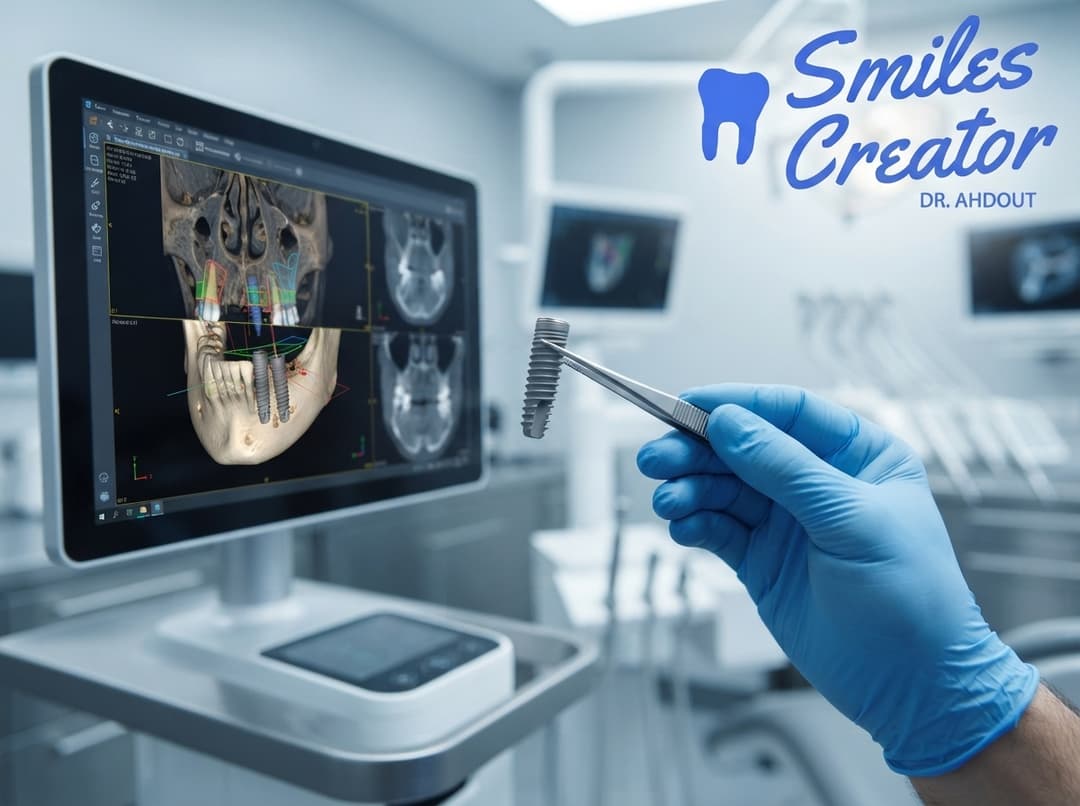
A dental implant is a small, biocompatible titanium post that is surgically inserted into the jawbone, serving as an artificial tooth root. Over a few months, a process called osseointegration occurs, where the surrounding bone fuses directly to the titanium post.
Once fully integrated, a custom porcelain crown is attached to the top of the post via an abutment. The result is a replacement tooth that looks, feels, and functions identically to a natural tooth, anchoring firmly into your jaw and stopping bone loss at the source.
Key Advantages of Choosing Dental Implants
Choosing a permanent implant restoration offers several key lifestyle and health benefits over removable alternatives:
- Preservation of Natural Bone: Implants are the only tooth replacement option that stimulates jawbone growth and prevents structural bone loss.
- Natural Biting and Chewing Power: Because implants are anchored into the bone, you can eat your favorite foods with complete confidence—no slipping, clicking, or dietary restrictions.
- Protection for Surrounding Teeth: Unlike traditional dental bridges or partial dentures, implants do not require reducing or anchoring onto neighboring healthy teeth.
- Easy Maintenance and Convenience: Implants are cared for just like natural teeth—regular brushing, daily flossing, and routine dental cleanings. No messy adhesives or soaking overnight.
- A Lifetime Investment: While dentures usually need to be replaced every 5 to 7 years due to changing jaw shapes, a properly maintained implant post can last a lifetime.
Are You a Candidate for Dental Implants?
Most adults with missing teeth or loose appliances are excellent candidates for implant therapy. During a initial evaluation, several key factors are assessed:
- Jawbone Density: Having sufficient healthy jawbone tissue is essential to support the implant post. If bone loss has already occurred, bone grafting procedures can easily rebuild the area prior to placement.
- Overall Health: Good general health and well-managed blood sugar levels ensure optimal healing and bone integration after placement.
- Healthy Gums: Active gum disease must be treated before implant placement to ensure a clean, healthy foundation for the post.
For patients who are missing an entire arch of teeth, advanced options like implant-supported bridges or All-on-4 restorations allow an entire set of teeth to be securely anchored using just a few strategically placed implants.
Frequently Asked Questions (Q&A)
Q1: Is the dental implant procedure painful?
No. Local anesthesia is used during the placement procedure to ensure you are completely comfortable and feel no pain. Most patients report that recovery is very manageable and involves far less discomfort than a standard tooth extraction.
Q2: How long does the entire dental implant process take?
The full timeline generally ranges from three to six months. This time allows the titanium post to fully fuse with your jawbone (osseointegration) before attaching the final custom porcelain crown. Temporary tooth options are provided during this healing phase so you never have to walk around with a gap.
Q3: How do I clean and maintain a dental implant?
You care for an implant just like a natural tooth! Brushing twice daily, flossing beneath the crown, and visiting your dental office for regular professional cleanings will keep your implant and surrounding gums healthy for life.
Q4: Are dental implants noticeably different from natural teeth?
Not at all. The custom porcelain crown attached to the implant is carefully color-matched and shaped to blend seamlessly with your surrounding natural teeth, restoring a completely natural, attractive smile.
Why Choose Smiles Creator – Dr. Nader Ahdout for Your Smile Restoration?
Restoring your smile and protecting your long-term health requires a highly skilled practitioner who combines advanced clinical expertise with artistic precision. At Smiles Creator, Dr. Nader Ahdout has helped countless patients across Woodland Hills and the wider San Fernando Valley regain complete confidence in their smiles with custom dental implant restorations.
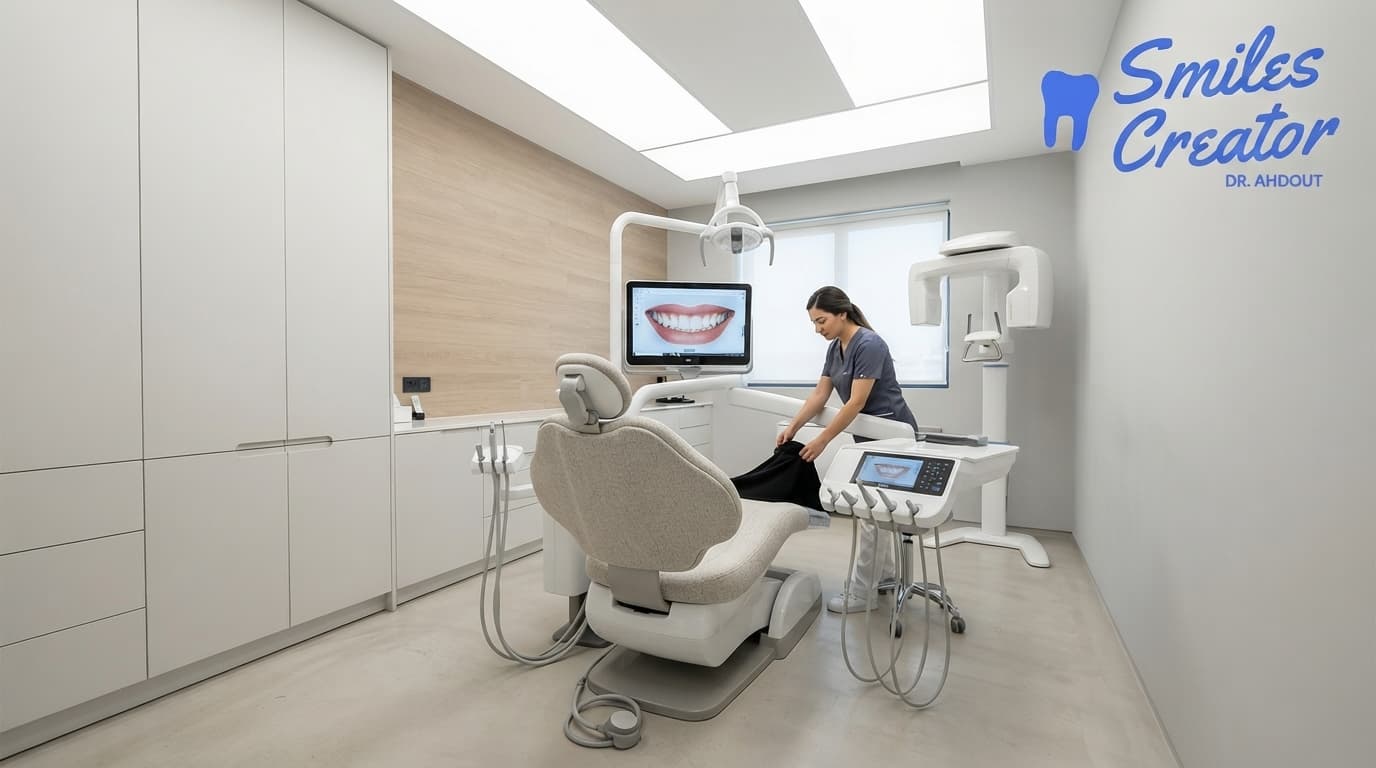
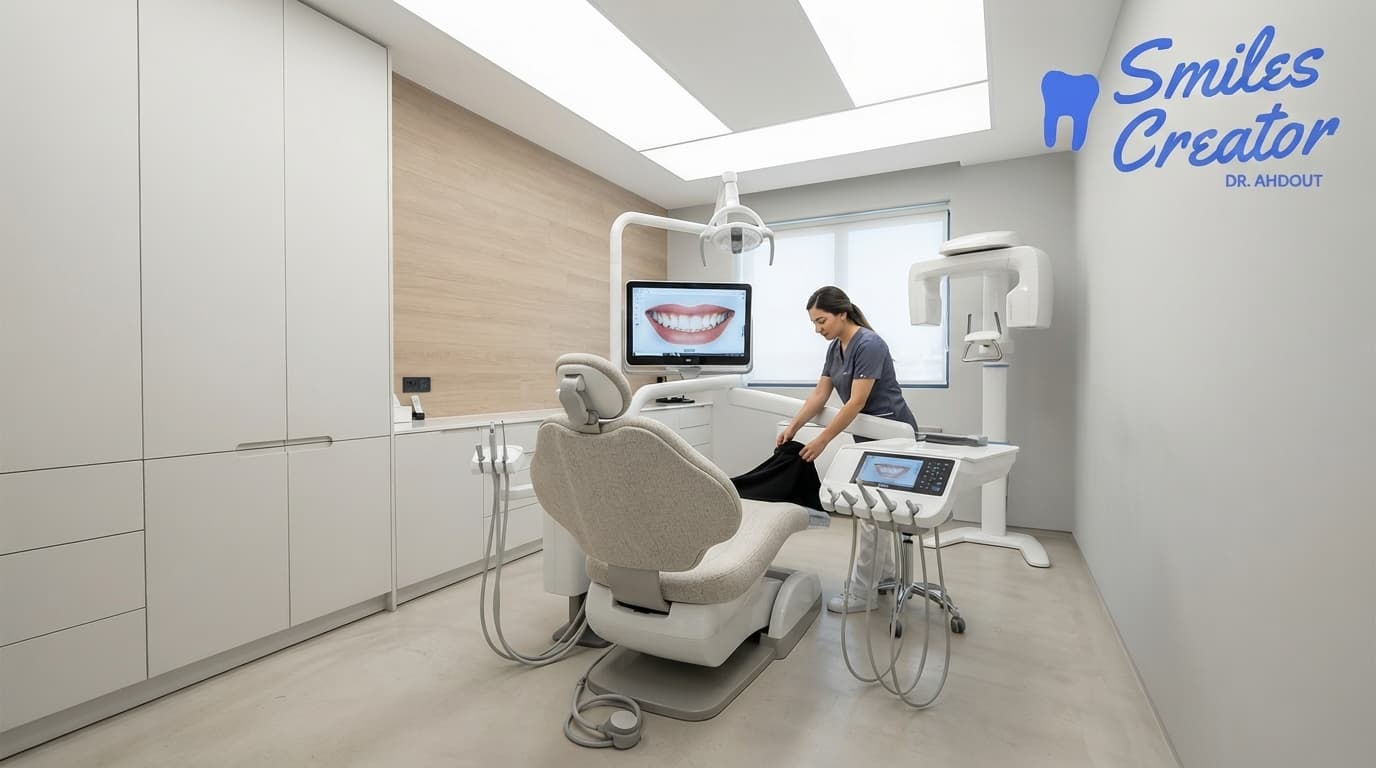
Dr. Ahdout evaluates every patient with a conservative, comprehensive approach, taking time to explain your options clearly without pushing unnecessary treatments. Utilizing state-of-the-art digital imaging and precision techniques, our office delivers long-lasting, natural-looking results in a warm and comfortable environment. Whether you need to replace a single missing tooth or want to upgrade from loose, uncomfortable dentures to permanent implant support, our team is dedicated to your health and satisfaction.
Reclaim your ability to eat, speak, and smile with complete confidence!
Contact Our Woodland Hills Office Today:
- Brand Name: Smiles Creator – Dr. Nader Ahdout
- Address: 22116 Ventura Blvd, Woodland Hills, CA 91364
- Phone Number: (818) 340-3062
- Website: dr-ahdout.com
NA
Published by Dr. Nader Ahdout, DDS. This article is for general information and is not a substitute for a personal examination and diagnosis.

Trusted Dentist in Woodland Hills for Comprehensive Dental Care
Schedule your free consultation with Dr. Ahdout and experience high-quality cosmetic and family dentistry tailored to your smile needs.