

Dental Implants· 5 min read
Peri-Implantitis: How Proper Maintenance Keeps Your Implants Strong for a Lifetime
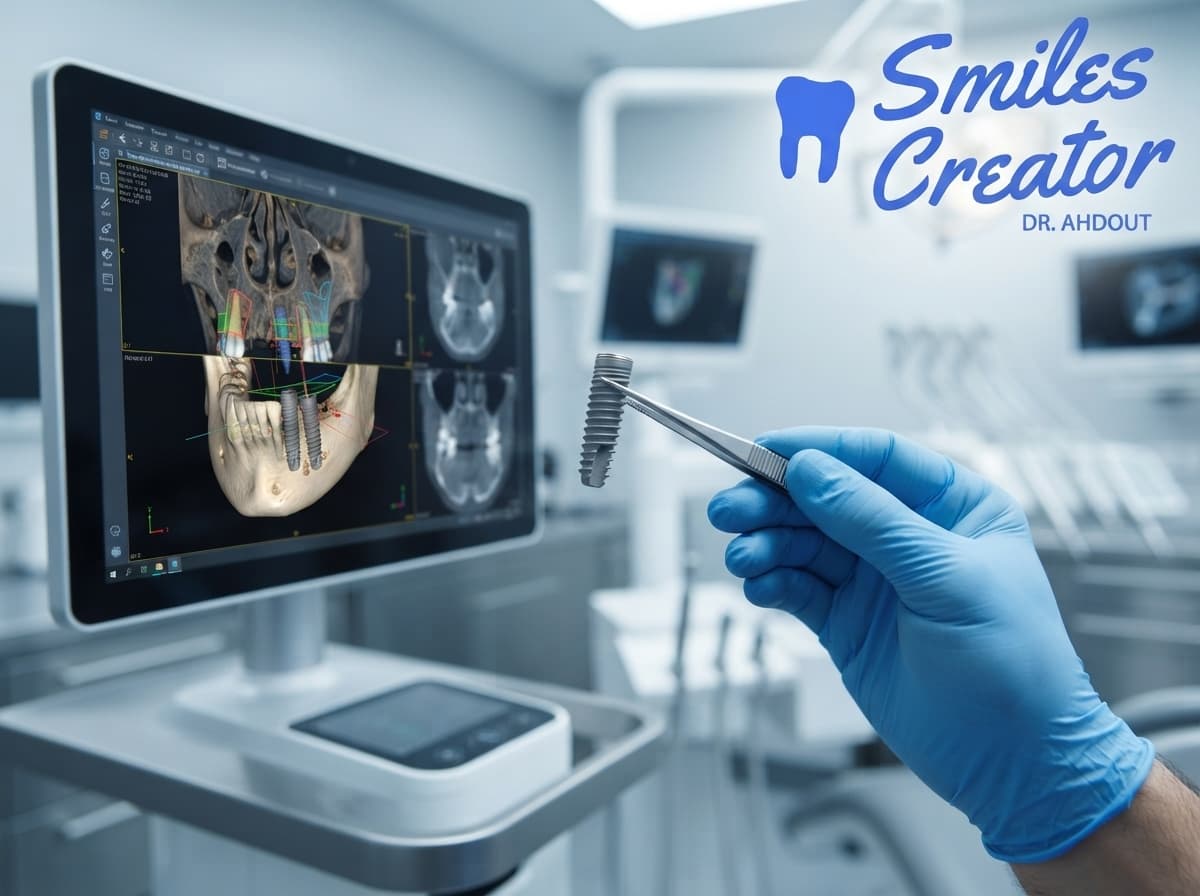
With a success rate exceeding 95%, dental implants are widely considered the gold standard for replacing missing teeth. Because titanium implant posts cannot develop traditional cavities, many patients assume that once their implant crown is placed, they never have to worry about dental issues in that spot again.
While it is true that an implant cannot decay, the living gums and jawbone surrounding it remain susceptible to bacterial infection.
Just as natural teeth can develop periodontitis (advanced gum disease), dental implants can develop a condition known as peri-implantitis. Understanding what peri-implantitis is, recognizing its early warning signs, and maintaining a solid daily care routine are the secrets to keeping your implants strong for life.
What Is Peri-Implantitis?
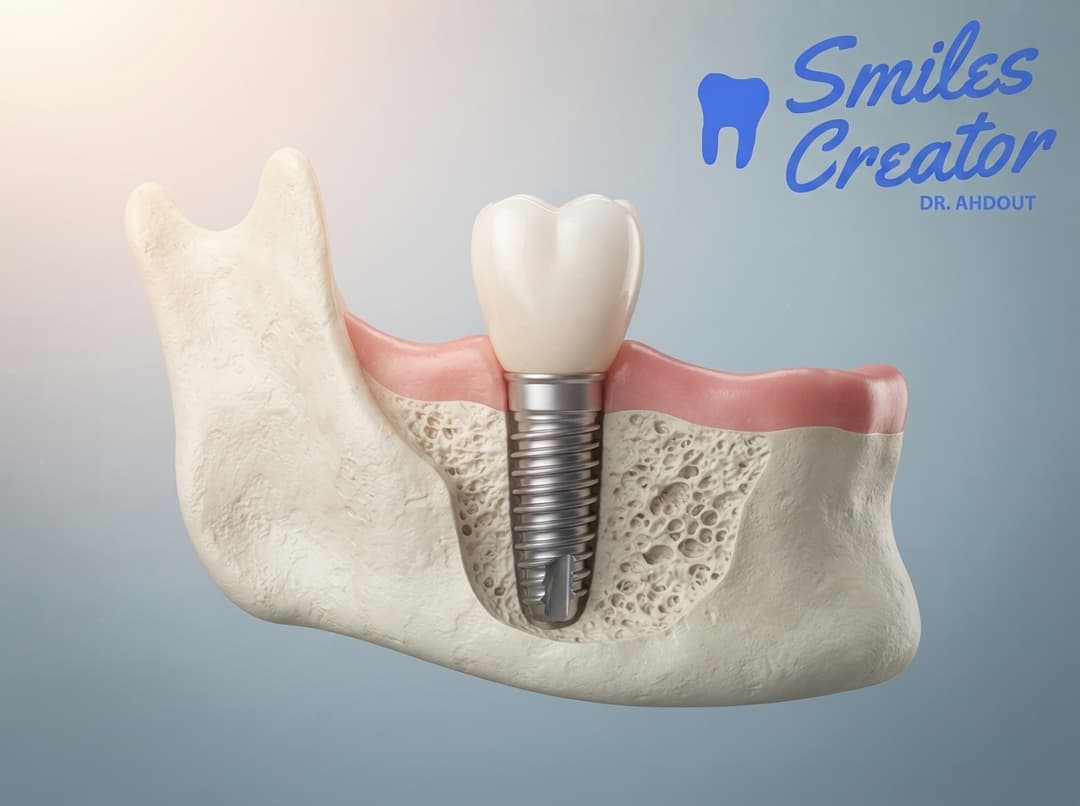
Peri-implantitis is an inflammatory condition that affects the soft tissues and hard bone surrounding a dental implant. It is caused by the accumulation of harmful bacteria and plaque at the gumline where the artificial crown meets the underlying implant connector.
The disease generally develops in two distinct stages:
STAGES OF PERI-IMPLANT INFLAMMATION
[ Healthy Implant Site ]
↓
[ Peri-Implant Mucositis ] ← Reversible inflammation of gum tissue ONLY
↓
[ Peri-Implantitis ] ← Progressive LOSS of supporting jawbone
Stage 1: Peri-Implant Mucositis
This is the early, reversible stage of inflammation. Bacteria build up around the soft gum tissue surrounding the implant, causing redness, minor swelling, and occasional bleeding during brushing or flossing. Crucially, at this stage, no bone loss has occurred yet, and the condition can be completely reversed with professional cleaning and improved daily hygiene.
Stage 2: Peri-Implantitis
If peri-implant mucositis is ignored, the bacterial infection burrows deeper below the gumline. Inflammation triggers an immune response that breaks down the surrounding jawbone tissue. As supporting bone dissolves, the titanium post loses its anchor, eventually causing the implant to loosen and potentially fail.
Common Risk Factors for Peri-Implantitis
While bacterial plaque is the primary cause, certain lifestyle habits and health conditions increase your susceptibility to peri-implant infections:
- Inconsistent Daily Hygiene: Skipping daily brushing and flossing allows sticky bacterial biofilm to solidify into calculus (tartar) around the implant collar.
- History of Periodontal Disease: Patients who lost their natural teeth to severe gum disease carry a higher genetic and biological predisposition to bacterial inflammation around implants.
- Smoking and Vaping: Nicotine constricts blood flow to the gums, impairing the immune system's ability to fight off tissue infections.
- Uncontrolled Diabetes: Elevated blood sugar levels delay tissue healing and worsen inflammatory responses throughout the body.
- Untreated Teeth Grinding (Bruxism): Excessive biting forces from nighttime clenching can create micro-gaps at the gumline, making it easier for bacteria to penetrate deeply.
Early Warning Signs to Watch For
Because peri-implantitis can develop slowly and often painlessly in its early phases, paying close attention to subtle changes around your implant is critical:
- Bleeding when brushing, flossing, or using a water flosser around the implant.
- Persistent redness, puffiness, or tenderness in the surrounding gum tissue.
- Receding gums that expose the metal collar or threads of the implant post.
- A bad taste in your mouth or persistent bad breath coming from the implant area.
- Pus or discharge oozing from the gumline when light pressure is applied.
- Any feeling of movement, looseness, or a change in your bite.
Important Note: Healthy dental implants should never bleed, feel loose, or discharge fluid. If you notice any of these signs, schedule a professional evaluation immediately.
The Lifetime Maintenance Protocol for Strong Implants
Caring for a dental implant is straightforward, but it requires consistent attention to detail:
1. Daily At-Home Care
- Brush Twice Daily: Use a soft-bristled toothbrush (manual or electric) and a low-abrasive toothpaste to gently clean all surfaces of the implant crown.
- Floss Daily with Implant-Safe Floss: Clean thoroughly around the base of the implant. Specialized thick floss or interdental brushes with coated wire prevent scratching the titanium surface.
- Use a Water Flosser: A water flosser is one of the most effective tools for flushing out hidden bacteria and food debris from deep pockets around implant crowns and full-arch bridges.
2. Professional Preventative Care
- Regular Dental Cleanings: Visit your practice every six months for specialized implant hygiene. Dental hygienists use plastic or titanium-coated instruments designed specifically to clean implant posts without scratching them.
- Annual 3D/Digital Radiographs: Routine low-radiation X-rays allow your practitioner to check the underlying jawbone levels around your implant post long before any visible signs of bone loss appear.
Simple Answers to Common Questions
Can peri-implantitis be cured if it is caught early?
Yes! In its early stage (peri-implant mucositis), professional deep cleanings combined with targeted antimicrobial rinses can completely reverse the inflammation and restore healthy gums.
How is advanced peri-implantitis treated?
If bone loss has already begun, treatment involves specialized laser decontamination, deep surgical cleaning of the implant threads, and occasionally bone grafting to rebuild lost support around the titanium post.
Are dental implants harder to care for than natural teeth?
Not at all. Caring for an implant fits seamlessly into your daily routine. With proper brushing, flossing, water flossing, and regular professional checkups, your dental implant can remain strong, comfortable, and functional for the rest of your life.
Protect Your Investment with Smiles Creator – Dr. Nader Ahdout
Your dental implants are a lifelong investment in your health, confidence, and quality of life. At Smiles Creator, Dr. Nader Ahdout and his team provide comprehensive long-term care to ensure your restorations remain healthy, stable, and beautiful for decades to come.
Dr. Ahdout utilizes state-of-the-art diagnostic imaging and specialized maintenance protocols to monitor your gum health and bone density at every checkup. Whether you need a routine cleaning around existing implants or guidance on preventing inflammation, our Woodland Hills team delivers gentle, proactive care tailored to your smile.
Keep your implants strong and healthy for a lifetime!
Contact Our Woodland Hills Practice Today:
- Practice Name: Smiles Creator – Dr. Nader Ahdout
- Address: 22116 Ventura Blvd, Woodland Hills, CA 91364
- Phone Number: (818) 340-3062
- Website: dr-ahdout.com
NA
Published by Dr. Nader Ahdout, DDS. This article is for general information and is not a substitute for a personal examination and diagnosis.
Trusted Dentist in Woodland Hills for Comprehensive Dental Care
Schedule your free consultation with Dr. Ahdout and experience high-quality cosmetic and family dentistry tailored to your smile needs.