

Professional Teeth Whitening in Woodland Hills, CA
Whitening is the fastest, least invasive change you can make to your smile. No drilling, no anaesthetic, no permanent alteration to your teeth — and in a single visit, a shade difference people notice immediately.
The catch is that not all whitening is equal, and the drugstore aisle is full of products that either do very little or damage enamel while doing it. Dr. Nader Ahdout has practised in Woodland Hills since 1993 and supervises every whitening case personally, because the safe and effective version of this treatment depends on knowing why your teeth are discoloured before choosing how to lighten them.
We treat patients from Woodland Hills, Calabasas, Tarzana, West Hills, Canoga Park, Reseda and Topanga.
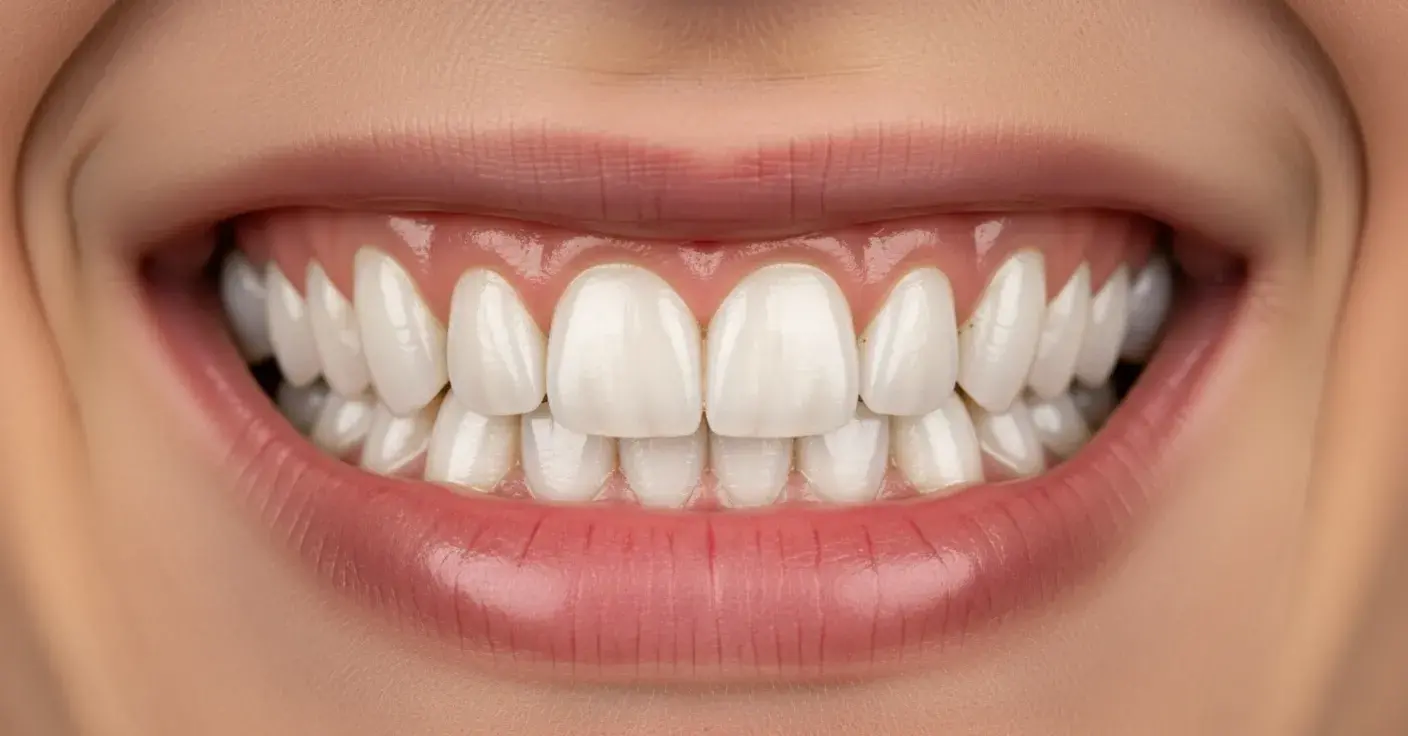
Why Teeth Become Discoloured
Effective whitening starts with the correct diagnosis, because two different types of staining respond very differently to treatment.
Extrinsic Stains — On the Surface
These sit on the outside of the enamel and come from what passes over your teeth every day: coffee, black tea, red wine, cola, dark berries, tomato-based sauces, curry, soy sauce and tobacco. Extrinsic staining responds well to whitening and, in mild cases, sometimes lifts substantially with a thorough professional cleaning alone.
Intrinsic Stains — Inside the Tooth
These originate within the tooth structure and are more stubborn. Causes include:
- Ageing. Enamel thins over decades, allowing the naturally yellow dentine underneath to show through. This is the most common cause in adults over forty and it is not a hygiene failure.
- Tetracycline exposure during tooth development, producing grey or banded discolouration.
- Excess fluoride during childhood (fluorosis), producing white or brown mottling.
- Trauma. A tooth that was struck can darken over months or years as the pulp responds.
- Root canal treatment. A single tooth that has been treated internally can darken relative to its neighbours.
Intrinsic staining still responds to professional whitening, but takes longer and reaches a different endpoint. Severe tetracycline banding may be better addressed with porcelain veneers than with bleaching — we will tell you that rather than sell you a treatment that will not deliver.
What Whitening Cannot Change
This is the most important paragraph on this page, and the one most whitening advertising leaves out.
Whitening agents work on natural tooth structure only. Crowns, veneers, bonding, composite fillings and bridges do not lighten. If you have a white filling on a front tooth or a crown on an incisor, whitening the surrounding teeth will make that restoration stand out as darker by comparison.
This is not a reason to avoid whitening — it is a reason to sequence it correctly. The right approach is to whiten first, allow the shade to stabilise for about two weeks, and then replace any visible restorations to match the new colour. Doing it in the reverse order means paying twice.
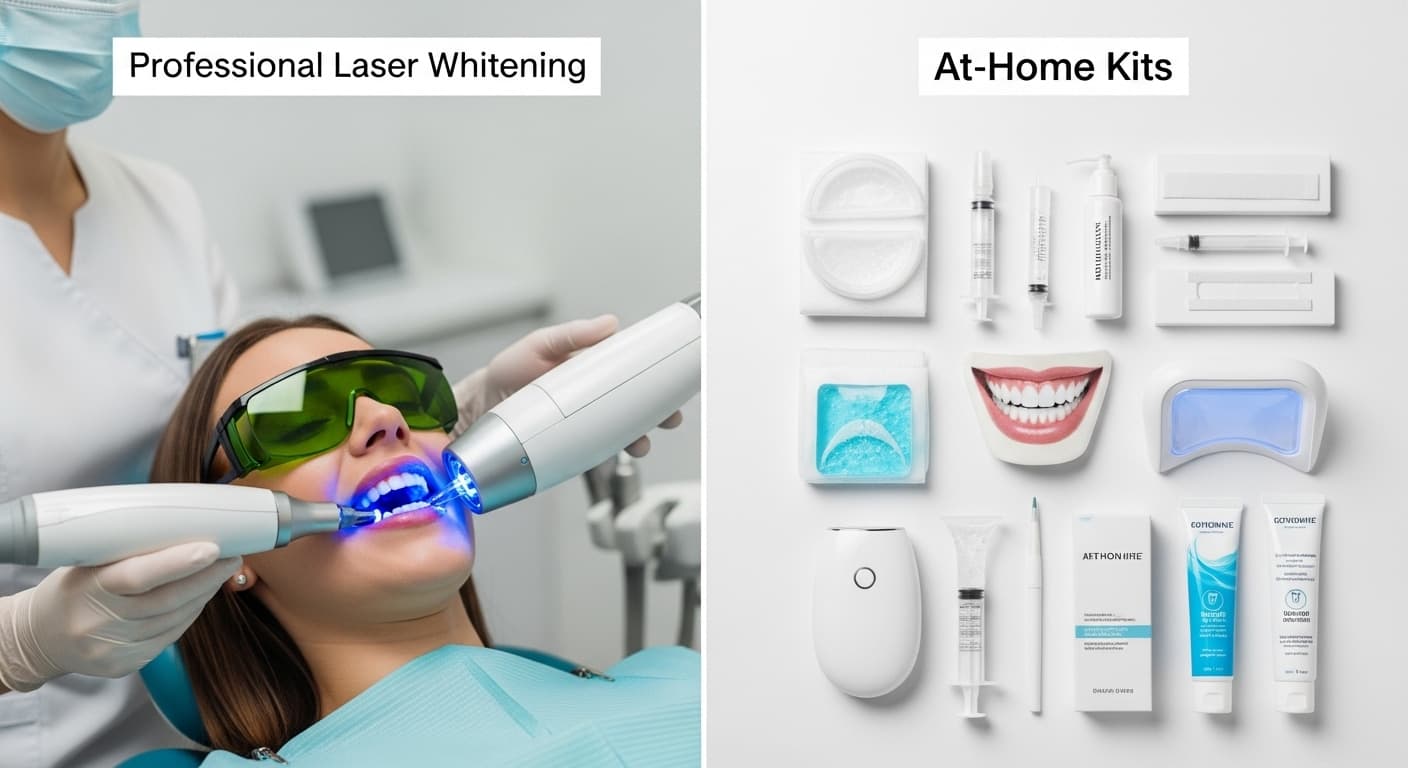
Our Whitening Options
In-Office Professional Whitening
The fastest route. A high-concentration hydrogen peroxide gel is applied under controlled conditions after your gums and soft tissues are isolated and protected. The gel is refreshed across several short cycles within one appointment.
- Appointment length: 60 to 90 minutes
- Typical result: several shades lighter in a single visit
- Best for: an event with a deadline — a wedding, a reunion, a job interview, photographs
- Available in our dental spa setting, which patients who find dental visits stressful tend to appreciate
The concentration used in-office is far higher than anything sold over the counter. That is precisely why it must be done with your gums professionally isolated — the same gel applied without protection causes chemical burns to soft tissue.
Custom Take-Home Whitening Trays
Impressions or a digital scan are used to fabricate trays moulded precisely to your teeth. You apply a lower-concentration carbamide peroxide gel at home, typically for 30 minutes to a few hours daily, or overnight depending on the formulation prescribed.
- Timeframe: noticeable change in about one to two weeks
- Best for: gradual whitening, patients with sensitivity, and long-term maintenance
- Advantage: you keep the trays. Topping up later costs only a syringe of gel
The fit of the tray is what separates this from a drugstore kit. A custom tray holds gel against the tooth surface and keeps it off the gums. A generic boil-and-bite tray does neither, which is why store-bought kits produce both weaker results and more gum irritation.
Combination Approach
For most patients seeking a significant change, this delivers the best outcome: one in-office session to produce an immediate jump in shade, followed by custom trays to refine the result and hold it. It also gives you the means to maintain your result for years without returning for another full appointment.
Internal Whitening for a Single Dark Tooth
When one tooth has darkened after root canal treatment, whitening it from the outside will not work — the discolouration is inside. Internal bleaching places whitening agent within the tooth itself, sealed under a temporary restoration and refreshed across a small number of visits. It is a conservative alternative to placing a crown on a tooth that is otherwise structurally sound.
Professional vs. Over-the-Counter Whitening
| Professional (our office) | Whitening strips | Whitening toothpaste | Charcoal / DIY | |
|---|---|---|---|---|
| Active concentration | High, dentist-controlled | Low | Minimal, abrasive action | None |
| Custom fit | Yes | No | N/A | No |
| Gum protection | Yes | No | N/A | No |
| Typical result | Several shades | 1 to 2 shades | Surface stain only | Negligible |
| Sensitivity managed | Yes, with desensitisers | Common, unmanaged | Low | Enamel abrasion risk |
| Cause of stain diagnosed first | Yes | No | No | No |
| Supervised for safety | Yes | No | No | No |
A note on the trend products: charcoal and "natural" abrasive whiteners do not whiten teeth. They abrade the surface. Enamel does not regenerate, and thinner enamel exposes more of the yellow dentine beneath — so long-term use makes teeth darker, not lighter, while permanently increasing sensitivity. Acidic DIY recipes involving lemon juice or vinegar do the same thing faster.
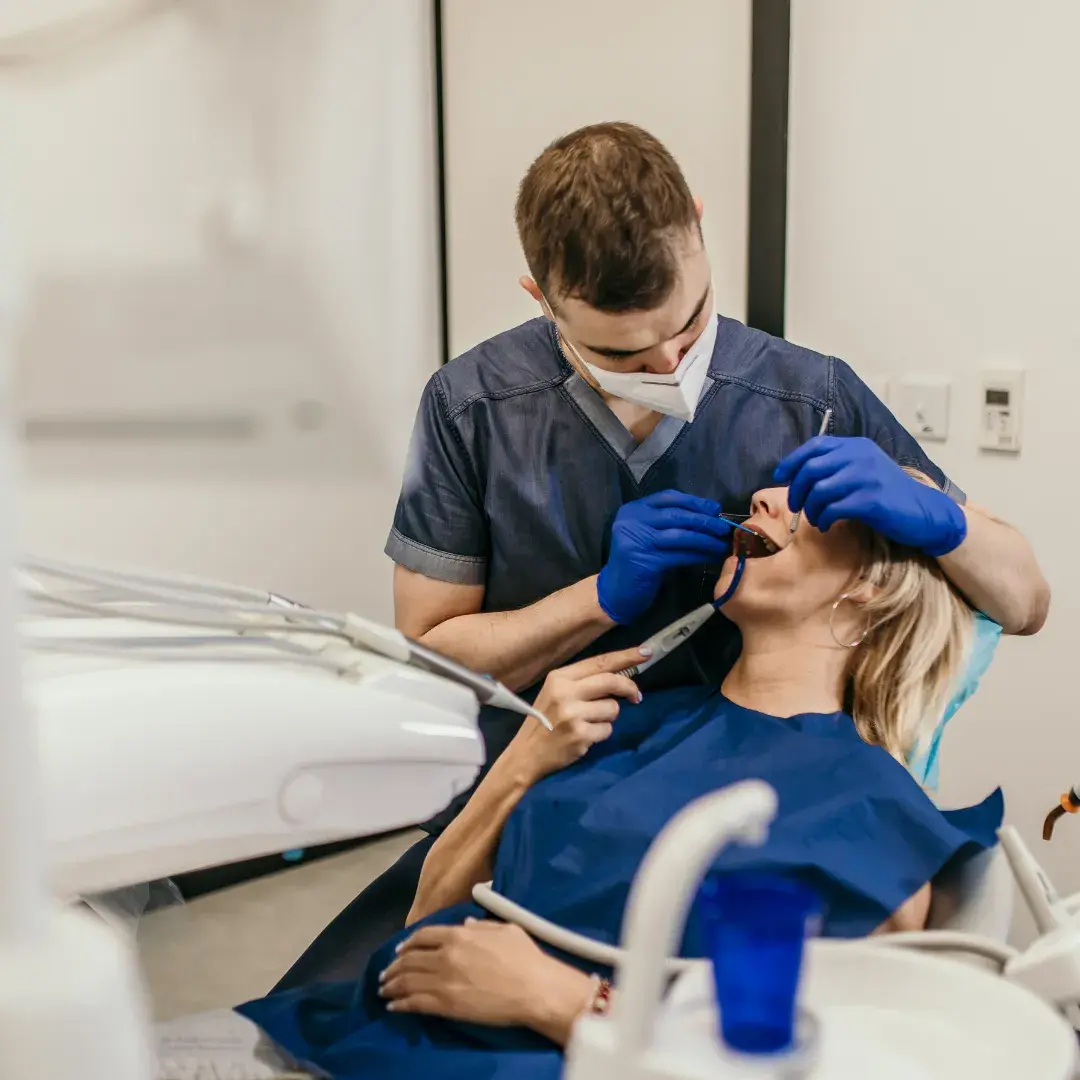
Is Whitening Safe?
Professionally supervised whitening using peroxide-based agents has been studied for decades and is considered safe for enamel when properly administered. The peroxide oxidises the pigmented molecules within the tooth; it does not soften or dissolve enamel at clinical concentrations and exposure times.
The genuine risks are manageable and worth stating plainly:
- Tooth sensitivity. The most common side effect. It is temporary, typically resolving within one to three days after treatment ends. We manage it with desensitising agents containing potassium nitrate and fluoride, by adjusting gel concentration, and by spacing sessions.
- Gum irritation. Occurs when gel contacts soft tissue — which is what professional isolation and custom-fitted trays are designed to prevent.
- Uneven initial result. Teeth do not lighten uniformly at first; this generally evens out as treatment progresses.
Who Should Not Whiten Right Now
- Patients with untreated decay or active gum disease — whitening agent reaching an untreated cavity or inflamed tissue causes significant pain. Treat first, whiten after.
- Patients with significant enamel erosion or exposed root surfaces
- Children with developing teeth
- Pregnant or nursing patients, as a precaution — there is no evidence of harm, but elective treatment is best deferred
- Patients whose expectations cannot be met by bleaching, who are better served by veneers or bonding
This is exactly why a dental examination precedes whitening in our office. A retail box cannot tell you that the discolouration on your front tooth is actually decay.
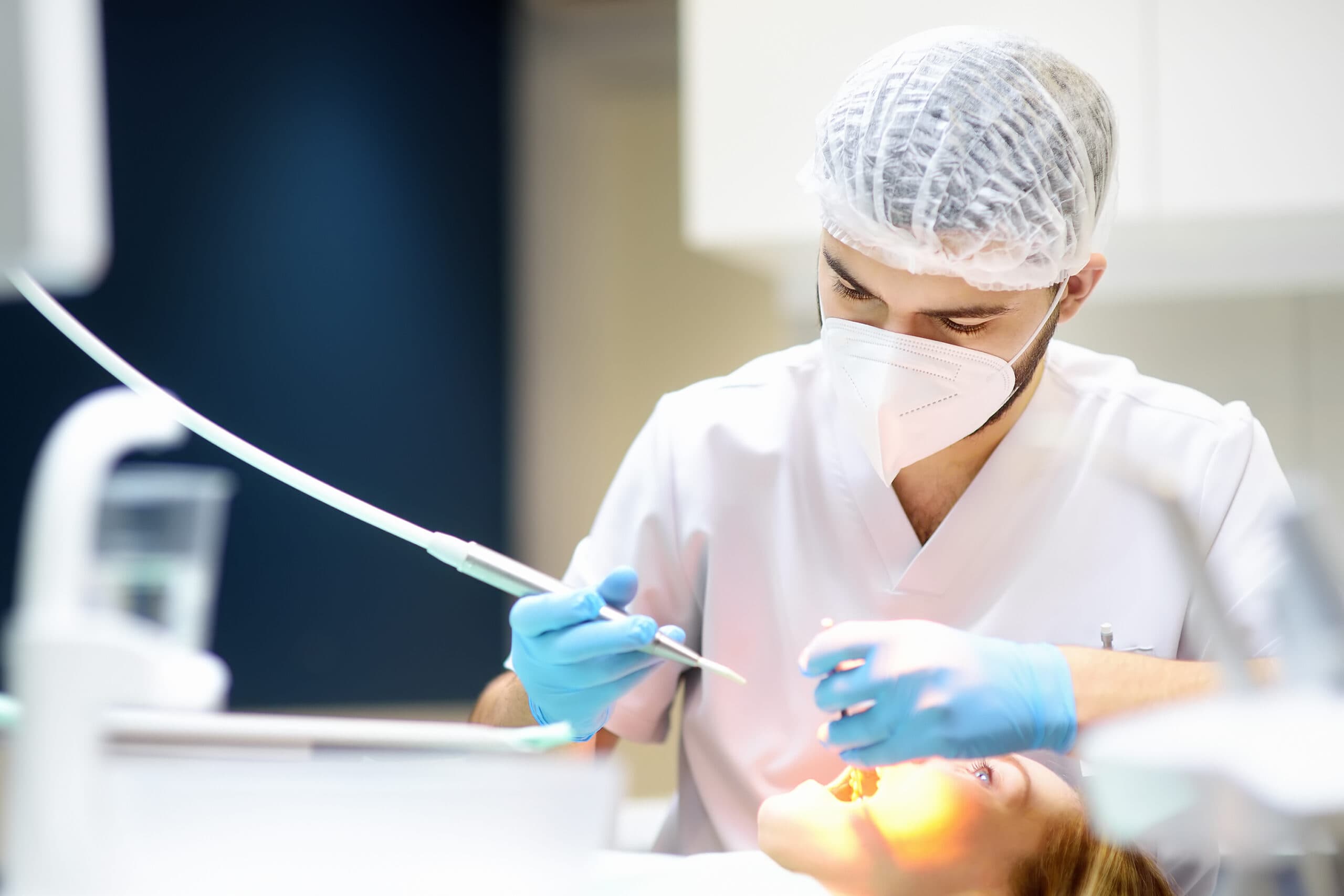
How Much Does Teeth Whitening Cost in Woodland Hills?
Typical ranges in this area:
| Option | Typical range |
|---|---|
| In-office professional whitening | $400 – $800 per session |
| Custom take-home trays with gel | $250 – $500 |
| Combination (in-office plus trays) | $600 – $1,000 |
| Replacement gel syringes | $25 – $60 each |
| Internal whitening of a single tooth | $300 – $600 |
Whitening is cosmetic, so dental insurance does not cover it. FSA and HSA eligibility varies by plan. We do offer payment plans, and it is worth checking current specials — whitening is frequently included as a new-patient offer.
Set against the alternative, whitening is the least expensive cosmetic dental treatment available. Veneers on the upper front teeth run into thousands. If bleaching alone gets you where you want to be, that is the outcome we would rather you have.
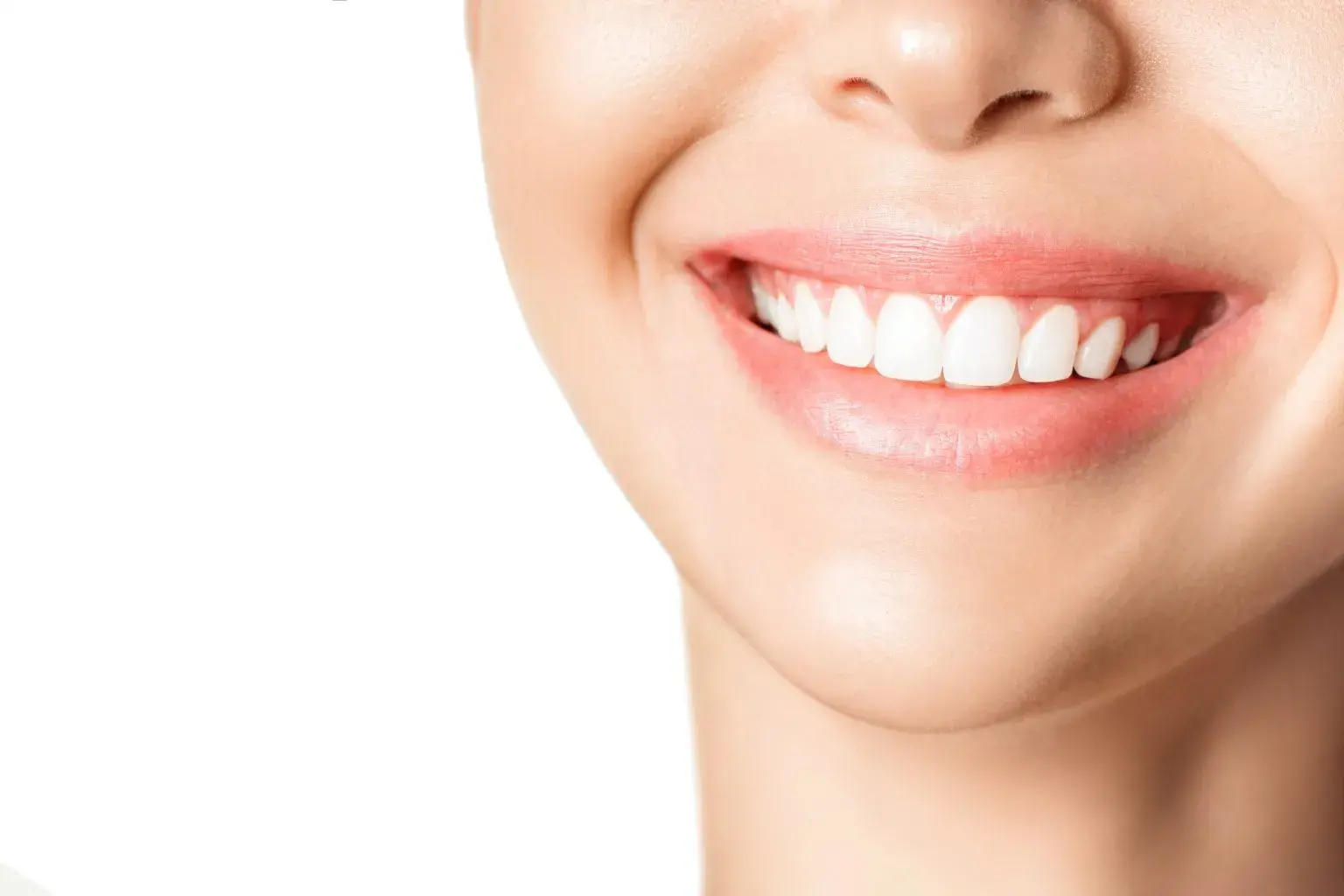
How Long Do Results Last?
Between one and three years for most patients, with wide variation driven almost entirely by habits.
Results fade faster if you drink coffee, tea, red wine or cola regularly, smoke or vape, or skip routine cleanings.
Results last longer if you:
- Drink staining beverages through a straw where practical
- Rinse with water immediately afterwards — and wait about thirty minutes before brushing, because enamel is temporarily softened by acidic drinks and brushing immediately abrades it
- Keep to your six-month professional cleaning schedule
- Top up with your take-home trays once or twice a year
Patients who keep their custom trays essentially maintain their result indefinitely for the cost of a gel syringe.
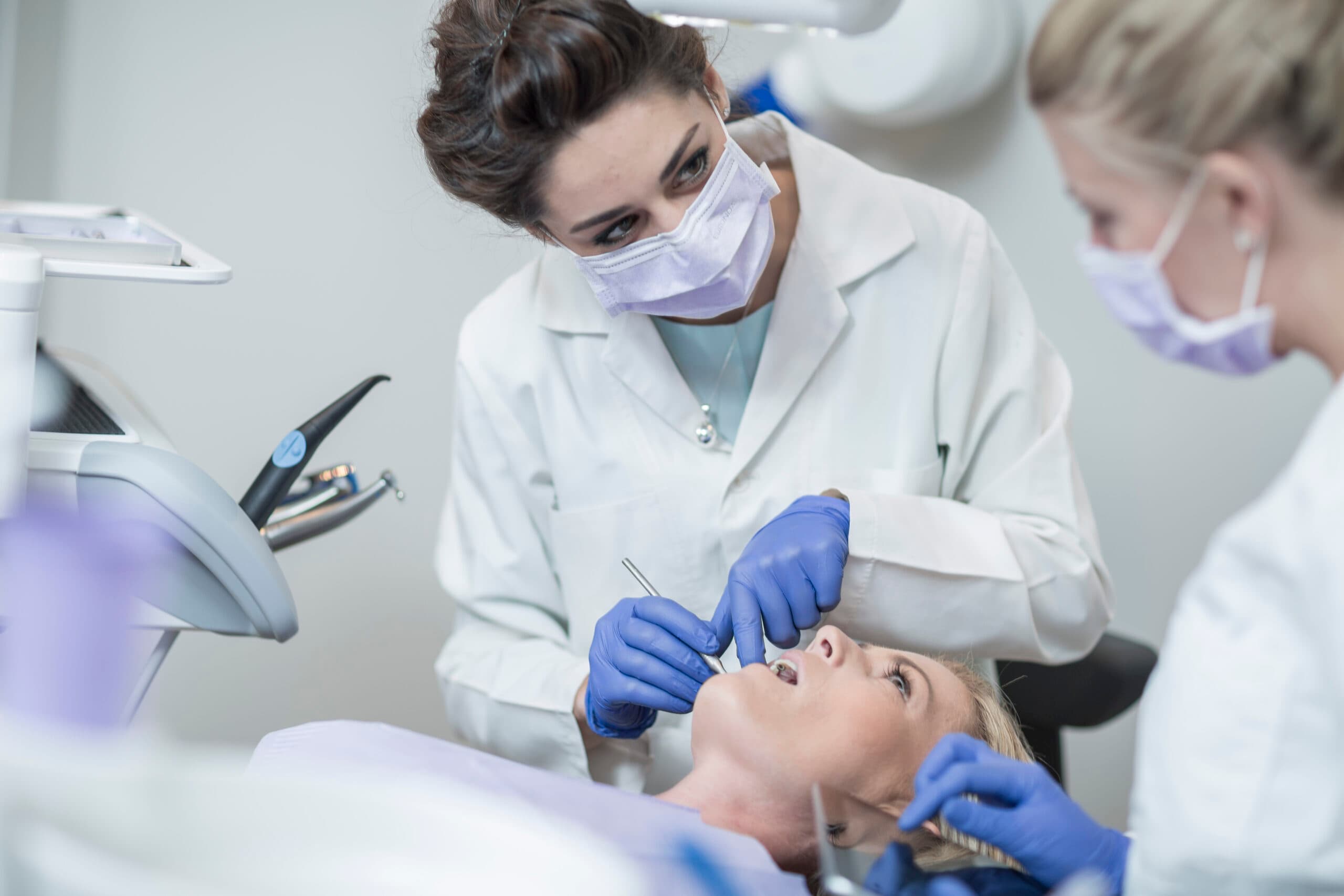
Why Patients Choose Dr. Ahdout for Whitening
Dr. Nader Ahdout graduated from the USC School of Dentistry in 1993 and has spent more than thirty years in cosmetic and restorative dentistry in Woodland Hills.
What that means for a whitening patient:
- Your discolouration is diagnosed before it is treated. Extrinsic staining, intrinsic staining, tetracycline banding, fluorosis and a dying tooth all look superficially similar and require completely different approaches.
- Existing restorations are accounted for. We plan the sequence so you do not end up with a bright smile and one obviously mismatched crown.
- Sensitivity is managed rather than endured. For patients who have had a bad experience with sensitivity previously, protocol adjustments and desensitising agents usually make treatment comfortable.
- You are told when whitening is not the answer. If your goal genuinely requires veneers or bonding, we will say so at the consultation rather than take payment for a treatment that will fall short.
Our practice rates 4.6 across 80 Google reviews, offers same-week appointments, and provides sedation options for anxious patients. See results in our smile gallery.
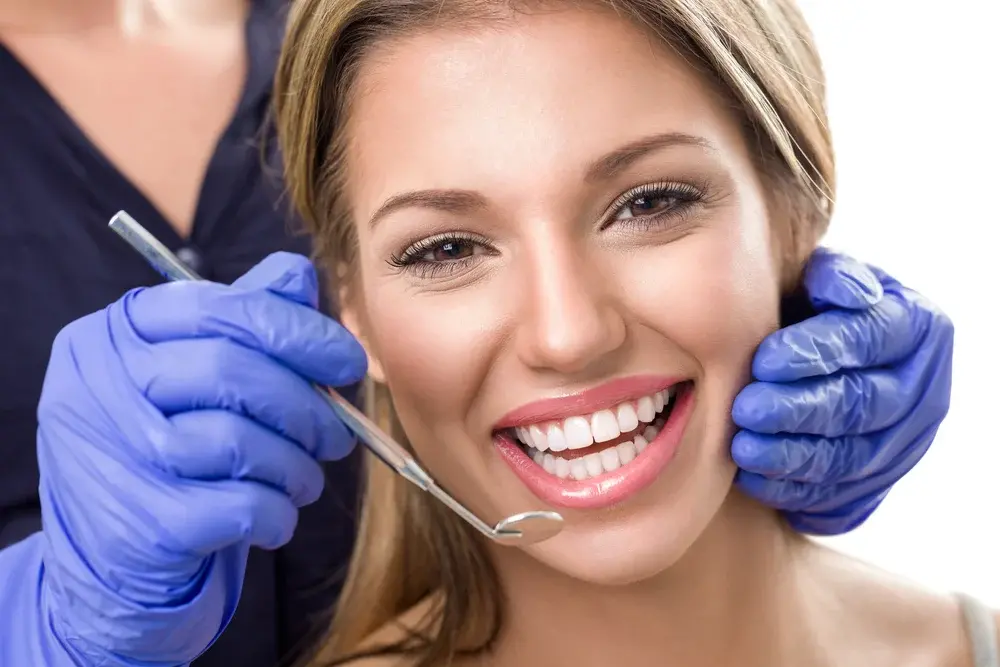
Book Your Whitening Consultation
Whether you have an event in three weeks or simply want to reverse years of coffee, the first step is a short examination to confirm your teeth and gums are healthy and to identify what is actually causing the discolouration.
Call (818) 340-3062 or book online.
Dr. Nader Ahdout, DDS · 22116 Ventura Blvd, Woodland Hills, CA 91364
Monday to Thursday 9:00 AM – 6:00 PM · Friday 9:00 AM – 1:30 PM
Frequently Asked Questions
How much does professional teeth whitening cost in Woodland Hills?
In-office whitening typically ranges from $400 to $800 per session, custom take-home trays from $250 to $500, and a combination approach from $600 to $1,000. Whitening is cosmetic, so dental insurance does not cover it, though FSA and HSA funds may be eligible. Dr. Ahdout's office offers payment plans and frequently features whitening in new-patient specials.
Does teeth whitening damage enamel?
Professionally supervised peroxide whitening does not damage enamel at clinical concentrations and exposure times. The peroxide oxidises pigment molecules inside the tooth rather than removing tooth structure. Abrasive products are a different matter — charcoal pastes and DIY acidic recipes physically wear enamel away, which permanently increases sensitivity and eventually makes teeth appear darker.
Will whitening work on my crowns, veneers or fillings?
No. Whitening agents only lighten natural tooth structure. Crowns, veneers, bonding and composite fillings keep their original shade, so whitening surrounding teeth can make existing restorations look darker by comparison. The correct sequence is to whiten first, wait about two weeks for the shade to stabilise, then replace any visible restorations to match.
How long do teeth whitening results last?
Typically one to three years, depending on diet and habits. Coffee, tea, red wine, cola and tobacco shorten that considerably. Patients who keep their custom take-home trays can maintain results almost indefinitely by topping up once or twice a year with a gel syringe.
Why are my teeth sensitive after whitening?
Temporary sensitivity is the most common side effect and usually resolves within one to three days after treatment ends. It happens because peroxide passes through enamel and dentine to reach pigment. Dr. Ahdout manages it with desensitising agents containing potassium nitrate and fluoride, by adjusting gel concentration, and by spacing sessions.
Are drugstore whitening strips as good as professional whitening?
No. Over-the-counter strips use much lower peroxide concentrations, have no custom fit, offer no gum protection, and typically produce one to two shades of change compared with several from professional treatment. More importantly, no retail product examines your teeth first — discolouration caused by decay, a dying tooth or enamel erosion needs treatment, not bleaching.
Trusted Dentist in Woodland Hills for Comprehensive Dental Care
Schedule your free consultation with Dr. Ahdout and experience high-quality cosmetic and family dentistry tailored to your smile needs.
Visit Our Woodland Hills Office
Call Now
(818) 340-3062Opening Hours
- Mon
- 9 AM – 6 PM
- Tue
- 9 AM – 6 PM
- Wed
- 9 AM – 6 PM
- ThuToday
- 9 AM – 6 PM
- Fri
- 9 AM – 1:30 PM
- Sat
- Closed
- Sun
- Closed