Sleep Apnea Treatment in Woodland Hills, CA
If you have been diagnosed with obstructive sleep apnea and cannot tolerate CPAP, you are not out of options — and you are far from alone. A large share of patients prescribed CPAP stop using it consistently within the first year.
For many of them, a custom oral appliance worn during sleep is an effective, evidence-supported alternative. It is small, silent, requires no electricity, and fits in a pocket when you travel.
Dr. Nader Ahdout has practised in Woodland Hills since 1993 and works alongside your physician or sleep specialist to fabricate and fine-tune appliance therapy.
An important clarification about our role
We do not diagnose sleep apnea. Sleep apnea is a medical condition diagnosed by a physician, usually through a sleep study conducted in a laboratory or at home. Our role is to provide the dental component of treatment — designing, fitting and calibrating an oral appliance — once you have a diagnosis and a referral or prescription from your physician.
If you have not been evaluated, we can help you begin: we will screen for signs, discuss what you are experiencing, and refer you to a sleep physician for proper testing. Getting the diagnosis right first is not a bureaucratic step — it determines whether an oral appliance is appropriate for you at all.
What Is Obstructive Sleep Apnea?
Obstructive sleep apnea, or OSA, occurs when the soft tissues at the back of the throat relax during sleep and collapse into the airway. Breathing stops — sometimes for ten seconds, sometimes considerably longer — until the brain registers falling oxygen and briefly rouses you enough to reopen the airway. You gasp, breathing resumes, and you return to sleep with no memory of it.
In moderate to severe cases this repeats dozens of times an hour, every hour, every night.
The consequences extend well beyond tiredness. Untreated OSA is associated with:
- High blood pressure that responds poorly to medication
- Heart disease, arrhythmia and stroke
- Type 2 diabetes and impaired glucose control
- Depression, irritability and cognitive difficulty
- Weight gain, through disrupted appetite-regulating hormones
- Motor vehicle accidents caused by daytime sleepiness
The severity of OSA is graded by the apnea-hypopnea index (AHI) — the number of breathing interruptions per hour of sleep. Mild is roughly 5 to 15, moderate 15 to 30, and severe above 30. This number, from your sleep study, largely determines which treatments are appropriate.
Signs That Warrant a Conversation With Your Doctor
- Loud, chronic snoring, particularly with pauses
- A partner witnessing you stop breathing, gasp or choke during sleep
- Waking unrefreshed after a full night
- Daytime sleepiness — falling asleep at your desk, in front of the television, or at traffic lights
- Morning headaches
- Dry mouth or sore throat on waking
- Difficulty concentrating, memory lapses, irritability
- Waking frequently to urinate
- Nighttime teeth grinding, which frequently accompanies OSA
Risk factors include excess weight, a large neck circumference, being male, being over forty, a family history, nasal obstruction, and anatomical features such as a recessed lower jaw, a narrow arch or enlarged tonsils.
What Your Dentist May Notice First
Dentists sometimes spot indicators before anyone else, because we examine the airway structures routinely: scalloped tongue borders, a narrow palate, enlarged tonsils, a small or recessed lower jaw, and worn tooth surfaces from grinding. When we see this pattern together with the symptoms above, we recommend evaluation by a sleep physician. Noticing signs is not diagnosing — but it is often what starts the process.
How Oral Appliance Therapy Works
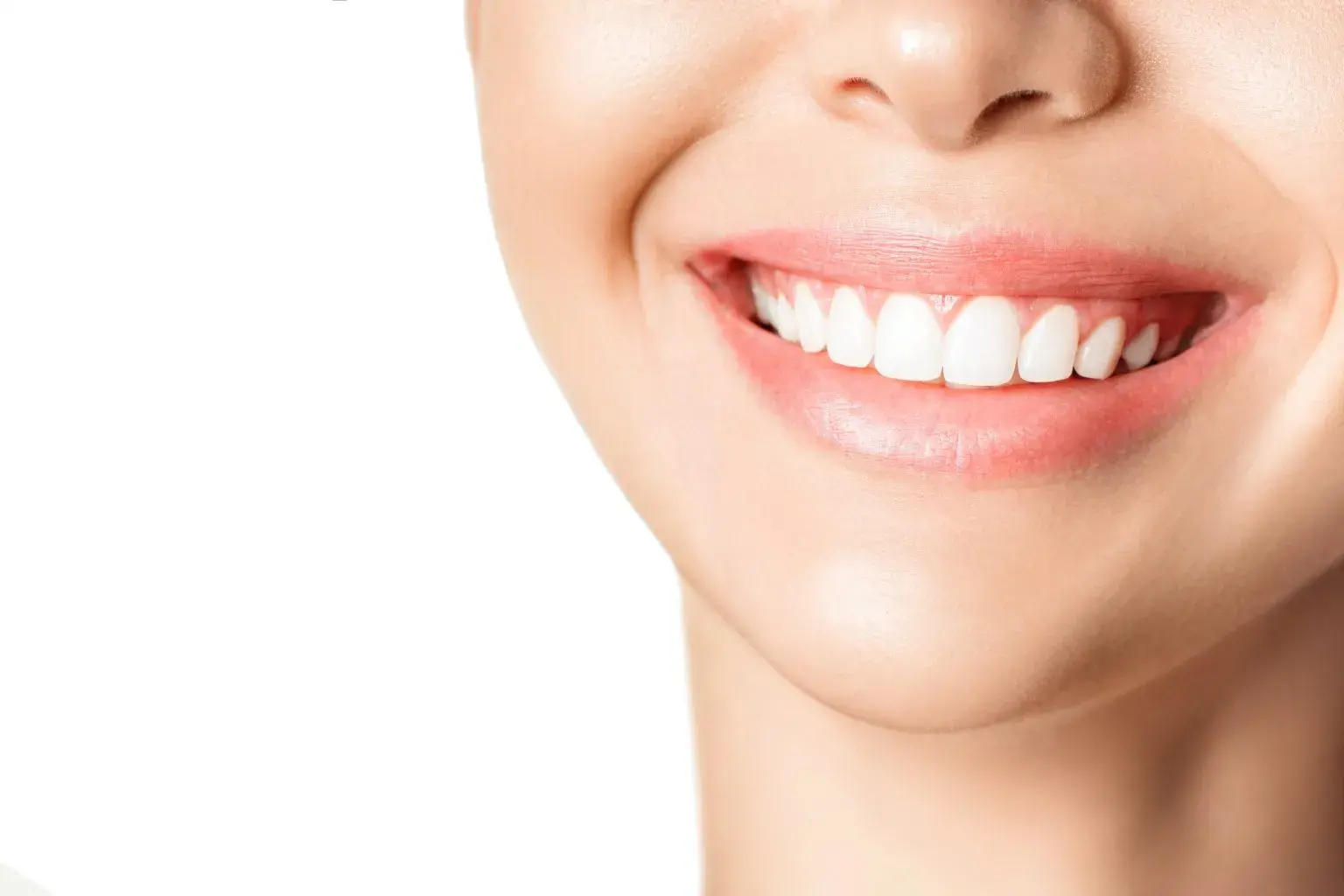
A mandibular advancement device is a custom-made appliance, resembling two thin retainers connected together, worn during sleep. It holds your lower jaw slightly forward of its resting position. That forward position carries the tongue and soft tissues with it, opening the space behind them and keeping the airway from collapsing.
It works mechanically, requires no power, and makes no noise.
Who Oral Appliance Therapy Suits
The American Academy of Sleep Medicine recognises oral appliance therapy as an appropriate treatment for:
- Mild to moderate OSA, as a first-line option for patients who prefer it to CPAP
- Severe OSA in patients who cannot tolerate CPAP — an effective appliance used every night is clinically better than a CPAP machine sitting unused in a cupboard
- Primary snoring without significant apnea
- Patients who travel frequently, for whom CPAP is impractical
- Combination therapy alongside CPAP, sometimes allowing lower pressure settings and improving tolerance
Requirements and Limitations
Appliance therapy requires enough healthy natural teeth to retain the device, adequate periodontal support, and a jaw joint capable of tolerating a forward posture. It is generally unsuitable for patients with full dentures, severe temporomandibular joint disorder, or advanced gum disease — though some of these can be addressed first.
It is also, in absolute terms, somewhat less effective than CPAP at eliminating apnea events. CPAP remains the gold standard. The reason appliances matter is adherence: real-world effectiveness is efficacy multiplied by how often a treatment is actually used, and appliances are used far more consistently.
What to Expect
1. Physician Diagnosis First
You need a sleep study and a diagnosis. If you do not have one, we will refer you. If you already have one, bring the report — the AHI and oxygen saturation data guide appliance selection.
2. Dental Evaluation
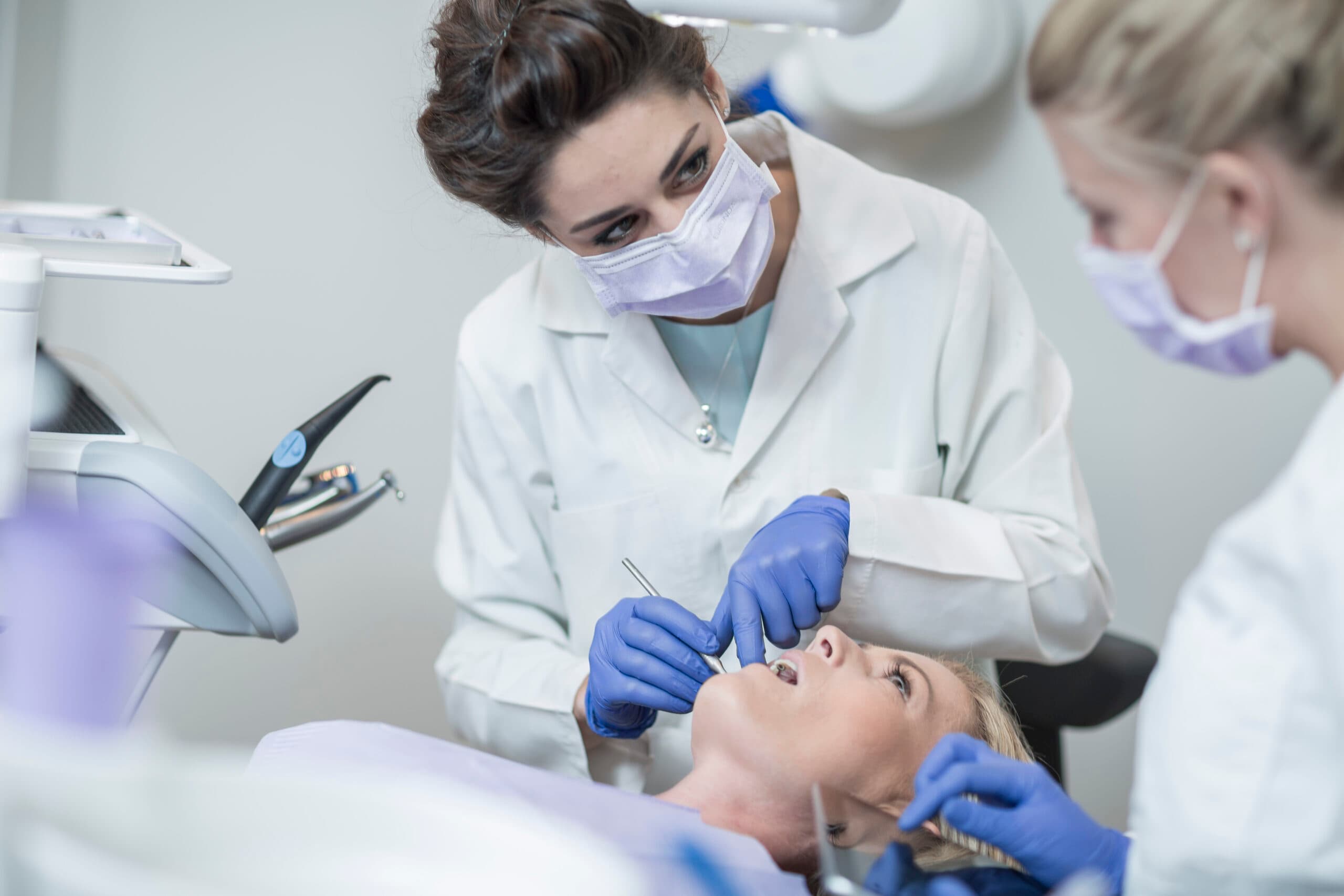
We assess your teeth, periodontal health, jaw joints, range of motion and bite to confirm you can wear an appliance safely, and take radiographs. Existing dental problems are addressed first — an appliance clasping onto a failing tooth is not a stable foundation.
3. Records and Fabrication
Digital scans or impressions of both arches, plus a precise bite record capturing the starting forward position of your lower jaw. The appliance is manufactured by a specialist laboratory, typically in two to three weeks.
4. Fitting and Titration
The appliance is fitted and adjusted for comfort. Then comes the stage that determines whether treatment succeeds: titration. Over subsequent weeks, the forward position is advanced in small increments — fractions of a millimetre at a time — until symptoms resolve while comfort is maintained.
This is not a device you collect and forget. Titration typically takes several weeks and multiple short visits, and an appliance that is never titrated is the most common reason this therapy fails.
5. Verification
Once symptoms have improved, your physician arranges a follow-up sleep study with the appliance in place to confirm objectively that the apnea is controlled. Feeling better is encouraging but is not proof — some patients feel improved while events continue at a clinically significant rate.
6. Long-Term Follow-Up
We review the appliance annually to check fit, wear and any bite changes. Appliances typically last three to five years.
Oral Appliance vs. CPAP
| Oral appliance | CPAP | |
|---|---|---|
| Effectiveness | Good for mild-moderate; variable in severe | Highest, all severities |
| Adherence | High | Frequently poor |
| Comfort | Generally well tolerated | Mask, pressure, noise |
| Portability | Pocket-sized | Machine, hose, power |
| Noise | Silent | Audible |
| Power required | No | Yes |
| Maintenance | Daily cleaning | Filters, tubing, humidifier |
| Best suited to | Mild-moderate OSA, CPAP-intolerant patients, snoring | Severe OSA, patients who tolerate it |
Side Effects, Stated Honestly
Oral appliance therapy is safe, but it is not free of consequences and you should know them before starting:
- Morning jaw stiffness or soreness, usually settling within a few weeks
- Increased salivation or dry mouth early on
- Tooth tenderness in the first weeks
- Temporary bite changes on waking, typically resolving within an hour
- Permanent bite changes over years. This is the significant one. Long-term wear can gradually alter tooth position and bite relationship in some patients. It is usually minor, but it is real, and it is why annual monitoring matters
Any dentist who tells you an oral appliance has no side effects has not followed patients long enough.
Cost and Medical Insurance
| Item | Typical range |
|---|---|
| Custom oral appliance, including fitting and titration | $1,800 – $3,500 |
| Follow-up adjustment visits | Usually included in the first year |
| Replacement appliance | $1,500 – $3,000 |
This is the important part: sleep apnea is a medical condition, so oral appliance therapy is generally billed to medical insurance, not dental insurance. Many plans, including Medicare, cover custom oral appliances for diagnosed OSA when the documentation requirements are met — typically a sleep study, a physician's diagnosis and a prescription, and sometimes documented CPAP intolerance.
Our team handles this documentation, verifies your medical benefits before treatment, and provides a written estimate. Boil-and-bite devices sold online are not covered by any insurance, are not titratable, and are not equivalent.
A Warning About Over-the-Counter Anti-Snoring Devices
Retail mouthpieces cost a fraction of a custom appliance, and there is a reason. They cannot be adjusted incrementally, they fit poorly enough to place uneven force on individual teeth, they are made from materials that degrade quickly, and — most importantly — they can suppress snoring while leaving the apnea untreated. Snoring is a symptom. Removing the symptom while the oxygen desaturations continue removes the warning signal and leaves the cardiovascular risk entirely intact.
If you have OSA, treat the OSA.
Why Choose Dr. Ahdout
- Thirty-plus years in practice, USC-trained, with the restorative background that matters when an appliance must fit and load teeth safely for years
- Collaboration with your physician, not around them. We work from your sleep study and diagnosis and return you for verification testing
- Proper titration. Appliances here are advanced gradually over multiple visits, because that is what makes them work
- Bite and joint monitored over time, so gradual changes are caught early rather than discovered years later
- Medical insurance handled by our team, including documentation and benefit verification
- Sedation available for any preparatory dental work, and same-week appointments
Book Your Sleep Apnea Consultation
If you have a diagnosis and CPAP is not working for you, bring your sleep study report and let us assess whether an oral appliance suits your case. If you suspect sleep apnea but have never been tested, come in anyway — we will screen you and refer you to a sleep physician.
Call (818) 340-3062 or book online.
Dr. Nader Ahdout, DDS · 22116 Ventura Blvd, Woodland Hills, CA 91364
Frequently Asked Questions
Can a dentist diagnose sleep apnea?
No. Sleep apnea is a medical diagnosis made by a physician, typically from a laboratory or home sleep study. Dentists provide the dental component of treatment — designing, fitting and titrating an oral appliance — under a physician's diagnosis and prescription. Dr. Ahdout can screen for signs during a dental examination and refer you to a sleep physician for testing.
How much does a sleep apnea oral appliance cost, and does insurance cover it?
A custom oral appliance including fitting and titration typically ranges from $1,800 to $3,500. Because sleep apnea is a medical condition, these appliances are usually billed to medical insurance rather than dental insurance, and many plans including Medicare provide coverage when a sleep study, physician diagnosis and prescription are documented.
Is an oral appliance as effective as CPAP?
CPAP is more effective at eliminating apnea events and remains the gold standard, particularly for severe cases. Oral appliances are recognised as appropriate first-line treatment for mild to moderate OSA and for patients who cannot tolerate CPAP. Because adherence to appliances is substantially higher, real-world outcomes are often comparable — an appliance used nightly outperforms a CPAP machine left unused.
Do sleep apnea mouthguards change your bite?
They can, gradually, over years of nightly wear. Most changes are minor, but bite alteration is a genuine long-term side effect of mandibular advancement therapy and is the reason annual monitoring is part of treatment. Short-term effects such as morning jaw stiffness and temporary bite changes on waking usually resolve within weeks or within an hour of removing the device.
Will an anti-snoring device from the drugstore work?
Over-the-counter mouthpieces cannot be titrated incrementally, fit poorly enough to load individual teeth unevenly, and degrade quickly. Most importantly, they can reduce snoring while leaving apnea untreated — removing the warning symptom while oxygen desaturations and cardiovascular risk continue. They are also not covered by insurance.
How long does it take for an oral appliance to start working?
The appliance is usually delivered two to three weeks after records are taken, but the therapeutic position is reached through titration — small incremental advancements over several weeks. Many patients notice improvement in snoring and sleep quality early, but confirming that the apnea itself is controlled requires a follow-up sleep study with the appliance in place, arranged by your physician.
Related Services
Trusted Dentist in Woodland Hills for Comprehensive Dental Care
Schedule your free consultation with Dr. Ahdout and experience high-quality cosmetic and family dentistry tailored to your smile needs.
Visit Our Woodland Hills Office
Call Now
(818) 340-3062Opening Hours
- Mon
- 9 AM – 6 PM
- Tue
- 9 AM – 6 PM
- Wed
- 9 AM – 6 PM
- ThuToday
- 9 AM – 6 PM
- Fri
- 9 AM – 1:30 PM
- Sat
- Closed
- Sun
- Closed