
Implant-Supported Dentures in Woodland Hills, CA
If you wear a lower denture, you already know the problem. It lifts when you talk. It shifts when you chew. You have adjusted what you eat around it, you carry adhesive, and part of your attention at every meal goes to keeping it in place.
Implant-supported dentures solve this. Two or more dental implants placed in the jaw give the denture something solid to attach to. It snaps into position and stays there.
Dr. Nader Ahdout has practised implant dentistry in Woodland Hills since 1993. We serve Calabasas, Tarzana, West Hills, Canoga Park, Reseda and Topanga.
How They Work
A conventional lower denture rests on the gum ridge and is held by muscular control, gravity and a certain amount of hope. It is the least stable prosthesis in dentistry, and patients who cope well with an upper denture — which at least has palatal suction — frequently struggle with the lower.
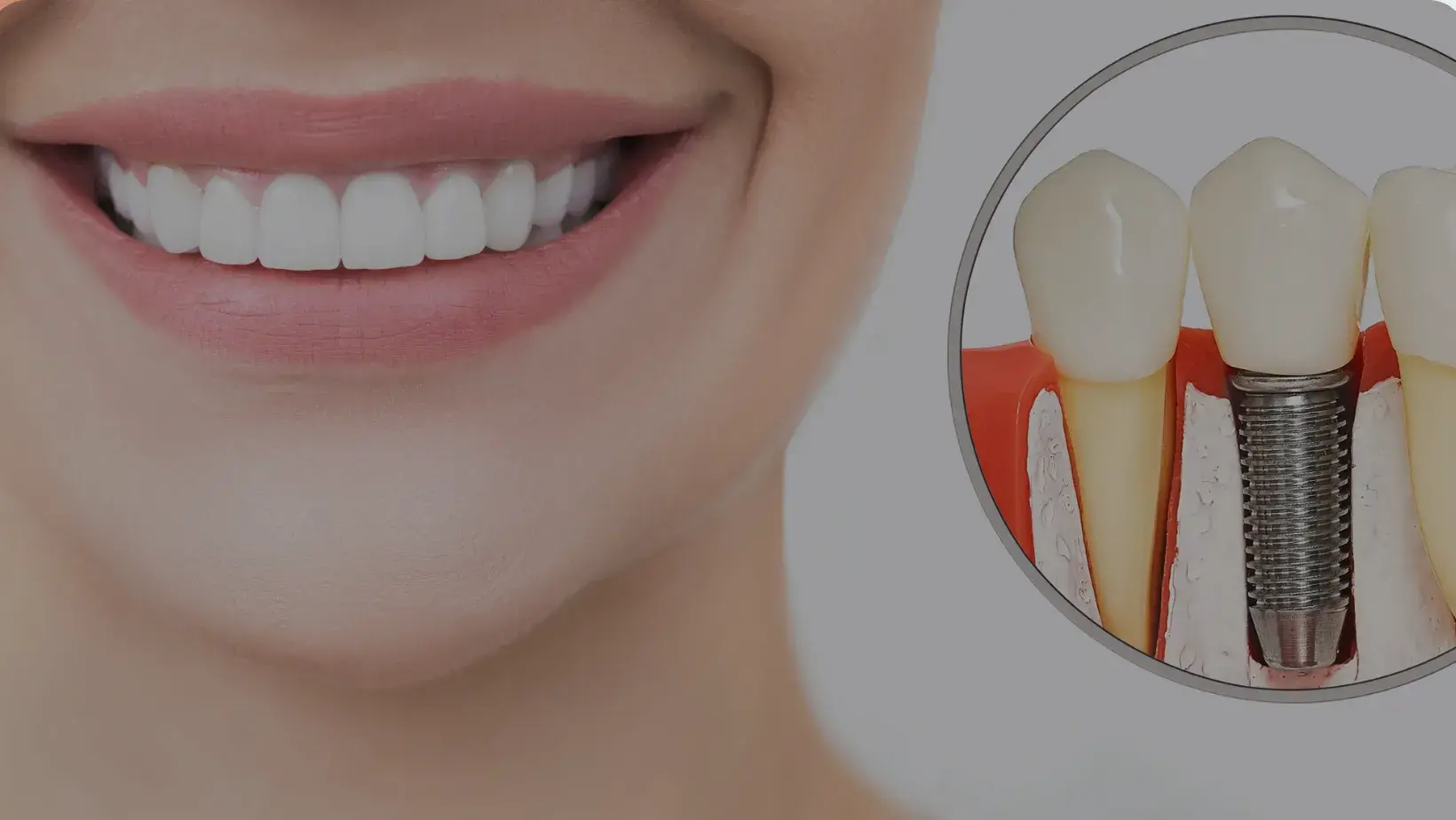
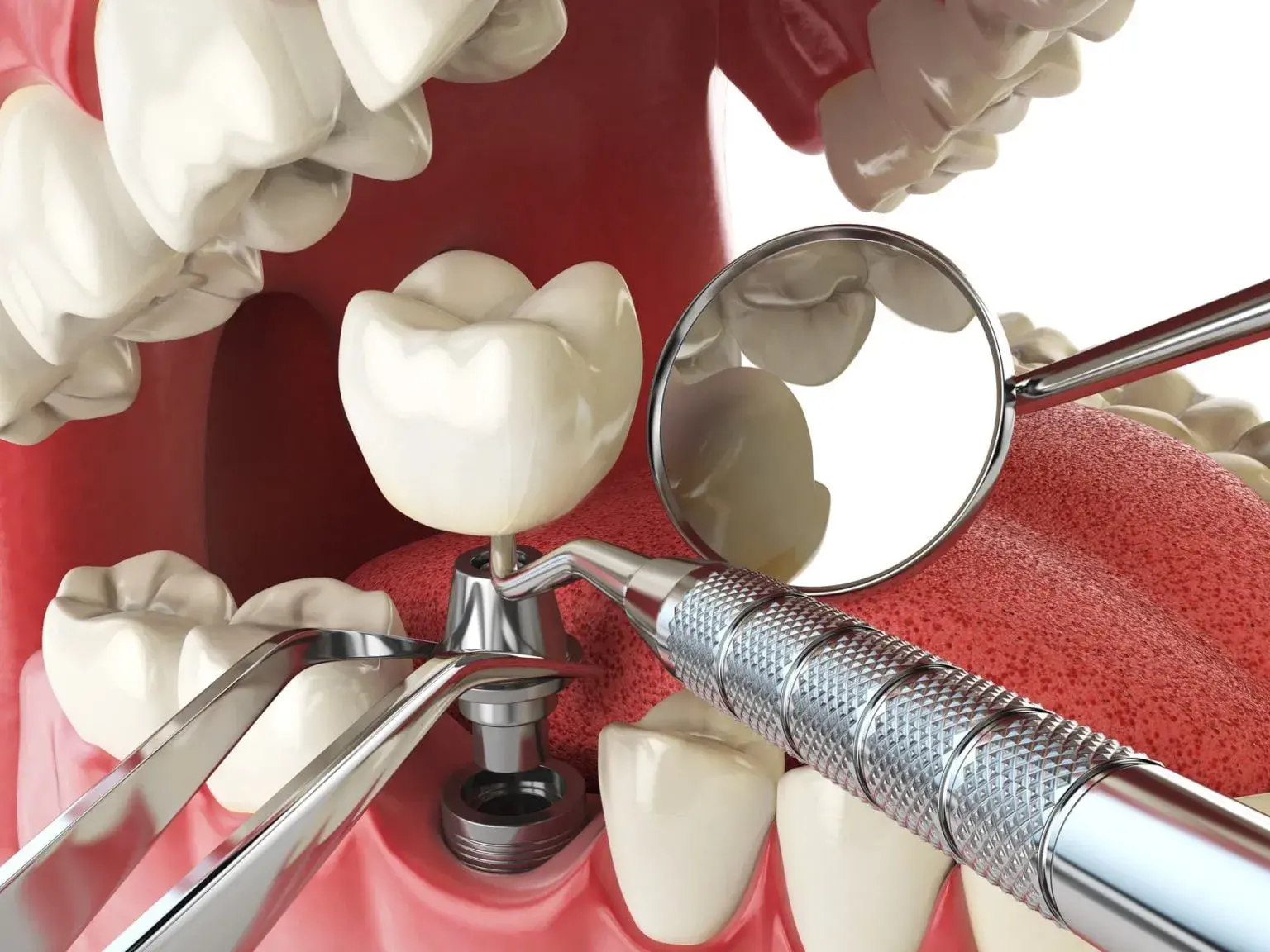
An implant-supported denture works differently. Titanium implants are placed in the jawbone, where they fuse with bone through osseointegration. Attachments fitted to the implants connect with corresponding housings in the denture. The denture clicks into place, resists lifting and sliding, and is removed for cleaning by you, when you choose.
The improvement in chewing efficiency is not subtle. Patients typically move from roughly a quarter of natural chewing function to a substantially higher proportion, and the practical result is that they eat things they had given up.
The Options
Bar-Retained Overdenture
A custom metal bar is fixed across four or more implants, and the denture clips onto the bar. This distributes force across all the implants together and provides excellent stability. It is the more expensive option and generally the most stable removable one.
Ball or Locator-Retained Overdenture
Individual attachments are fitted to each implant, and the denture snaps onto them. Typically two to four implants in the lower jaw, four or more in the upper. Less costly than a bar, simpler to clean, and — importantly — the nylon inserts that provide retention are replaceable in a short appointment when they wear.
For most patients seeking a solution to a loose lower denture, two implants with locator attachments is the cost-effective entry point and delivers a transformative difference.
Fixed Full-Arch — All-on-4 and All-on-X
Not removable by you at all. The prosthesis is secured to four or more implants and is removed only by the dentist for maintenance. This is closest to having your own teeth again, and it is also the most expensive option. See All-on-4 , All-on-6 and All-on-X.
Which Is Right for You?
| Removable overdenture | Fixed full-arch | |
|---|---|---|
| Implants needed | 2 to 4 | 4 to 6+ |
| Cost per arch | $6,000 – $15,000 | $20,000 – $35,000 |
| Removed by | You, for cleaning | Dentist only |
| Cleaning | Simple — take it out | Requires technique around the prosthesis |
| Palate coverage (upper) | Often reduced | None |
| Feels like natural teeth | Much better than conventional | Closest |
| Bone requirement | Lower | Higher |
Neither is universally superior. Some patients strongly prefer being able to remove and clean the prosthesis themselves — and manual dexterity, which changes with age, is a legitimate factor in that decision.
The Process
1. Consultation and 3D Imaging
Examination plus a cone beam CT scan, which shows bone volume, density and the position of the inferior alveolar nerve and sinuses in three dimensions. This is not optional for implant planning — it determines where implants can safely be placed and whether grafting is required. See our technology.
2. Preparatory Treatment
Any remaining non-restorable teeth are removed, with socket grafting where indicated. If bone volume is insufficient, bone grafting or a sinus lift may be needed, adding several months for healing.
3. Implant Placement
A surgical procedure performed under local anaesthetic, with nitrous oxide or oral conscious sedation available. Placing two implants in the lower jaw typically takes under an hour. Most patients report considerably less discomfort than they expected — usually less than an extraction.
4. Healing and Osseointegration
Three to six months for the implants to fuse with bone. Lower jaw bone is denser and often integrates faster than the upper.
You are not without teeth during this period. Your existing denture — or a new interim denture — is adjusted and relined so you can wear it while healing proceeds.
5. Attachments and the Final Denture
Once integration is confirmed, attachments are fitted to the implants and either your existing denture is modified to receive the housings, or a new denture is fabricated. A new denture is often the better choice: dentures made to sit on gums are not always structurally suited to implant loading, and a purpose-built prosthesis will be reinforced appropriately.
6. Adjustment and Review
A short adaptation period follows while you learn to seat and remove the denture and get used to a stable bite. We review fit and the condition of the attachments periodically.
The Bone Argument
This is the clinical case for implants, beyond comfort.
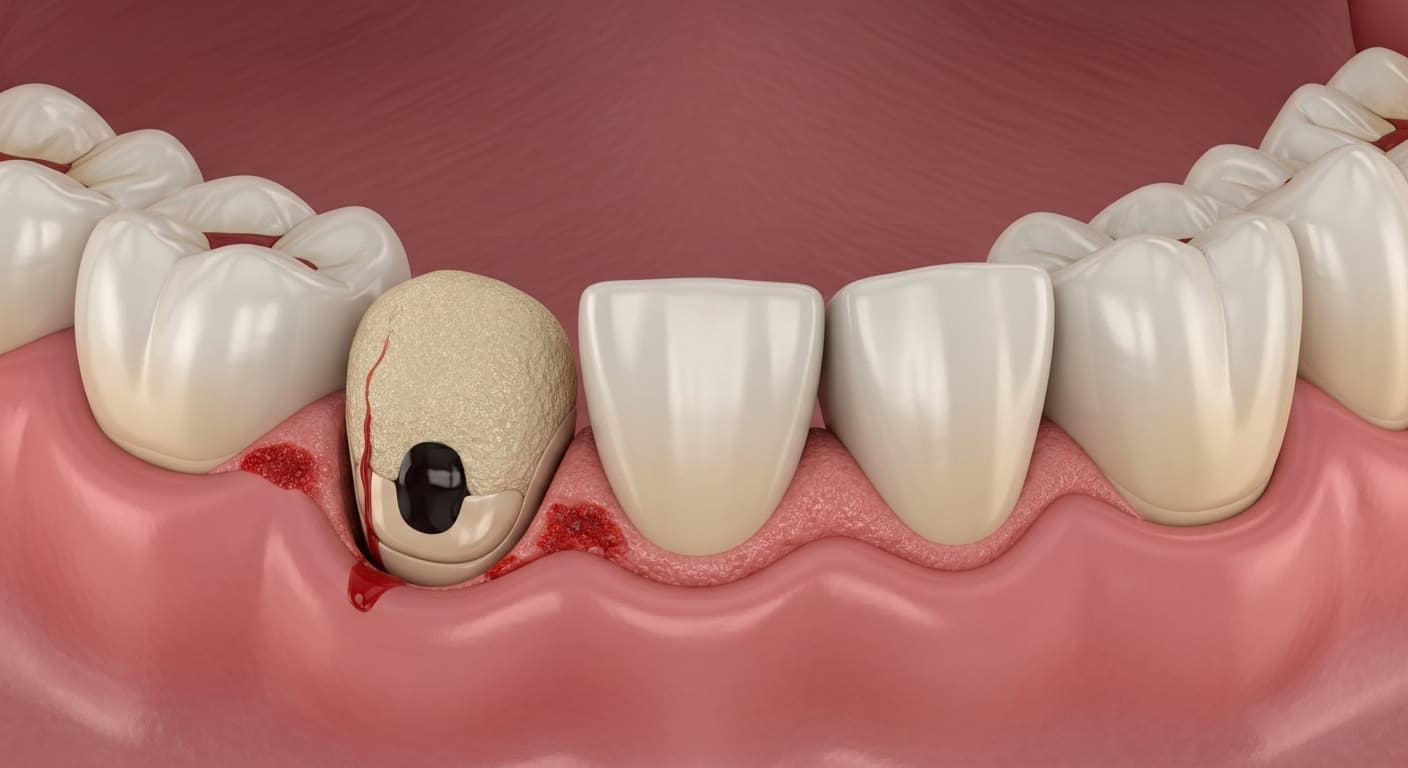
When teeth are removed, the bone that supported them begins to resorb because nothing stimulates it. The loss is fastest in the first year and continues indefinitely. Over a decade or two of conventional denture wear, the ridge flattens substantially — which is why dentures become progressively looser, why the lower face shortens, and why long-term denture wearers develop a characteristic collapsed profile.
Implants transmit chewing force into the bone, and bone under load maintains itself. Implants do not stop resorption everywhere in the jaw, but they preserve it in the regions where they are placed.
This has a practical consequence worth understanding: the longer you wait, the less bone there is to work with. Patients who have worn dentures for twenty years sometimes need grafting to make implants possible at all, and occasionally have lost too much ridge for certain options. If implants are something you are considering, considering them sooner is materially better than considering them later.
Cost
| Option | Typical range per arch |
|---|---|
| 2 implants with locator attachments, including denture | $6,000 – $10,000 |
| 4 implants with locator attachments | $10,000 – $15,000 |
| Bar-retained overdenture | $12,000 – $20,000 |
| Fixed full-arch (All-on-4) | $20,000 – $35,000 |
| Bone grafting, if required | $500 – $3,000 per site |
| Replacement nylon inserts | $50 – $150 each |
Cost varies with the number of implants, the attachment system, whether grafting is needed, and whether a new denture is fabricated.
Insurance: coverage for implants varies enormously between plans. Some contribute nothing; others cover a portion of the surgical placement or of the denture itself. Even where implants are excluded, the prosthetic component is sometimes covered. We verify your benefits and provide a written breakdown — and we bill the components separately where that improves what you can claim. See payment plans for financing.
On value: an implant overdenture costs several times a conventional denture. What you get is the ability to eat normally, not think about your teeth in public, avoid adhesive, and slow the bone loss that makes each successive conventional denture fit worse than the last. For patients who have struggled with a loose lower denture for years, it is generally the treatment that produces the most gratitude in this practice.
Care and Longevity
Daily:
- Remove the denture and clean it with a denture brush and non-abrasive cleanser — never regular toothpaste
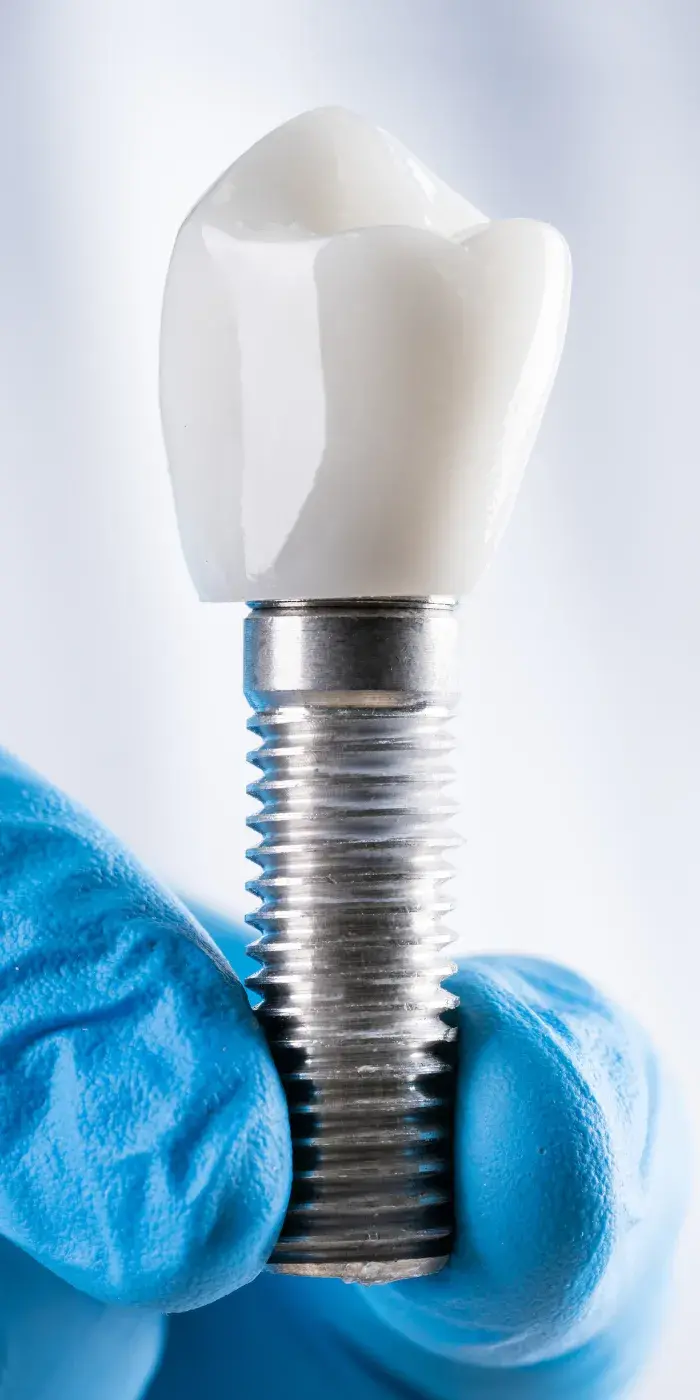
- Clean around each implant abutment carefully with a soft brush. This is essential. Plaque accumulating around an implant causes peri-implantitis, an inflammatory condition that destroys supporting bone and is the leading cause of implant failure
- Rinse after meals
- Remove at night to give tissues rest
Ongoing: professional cleanings every three to six months, with the implants and attachments assessed at each visit.
Component life: nylon retention inserts wear and are replaced roughly annually — a quick, inexpensive appointment. The denture itself lasts five to ten years. The implants themselves, properly maintained, frequently last decades, with long-term success rates above 90 percent.
Smoking meaningfully increases implant failure risk. If you smoke, this is worth raising honestly before treatment.
Am I a Candidate?
Generally yes if you have adequate bone or are willing to graft, are in reasonable general health, do not smoke heavily, have healthy gum tissue, and can maintain good hygiene.
More complex if you have uncontrolled diabetes, take bisphosphonates or certain bone-modifying medications, have had head or neck radiotherapy, or have significant bone loss — none of which are automatic exclusions, but all of which require careful assessment and discussion with your physician.
The consultation and 3D scan give a definitive answer.
Why Choose Dr. Ahdout
- Thirty-plus years in practice, USC-trained, with extensive implant and prosthetic experience
- Surgical and restorative phases under one roof. The dentist planning where implants go is the one making the denture that sits on them — which is precisely how you avoid a technically well-placed implant that is prosthetically awkward
- 3D cone beam planning on every implant case
- Sedation options available for surgical appointments
- The full range presented honestly, from a conventional denture through overdentures to All-on-4, with real costs — so you choose on information rather than pressure
- Long-term maintenance taken seriously, because peri-implantitis is what ends implant cases and it is preventable
- 4.6 stars across 80 Google reviews, same-week appointments, dental spa setting
Book Your Implant Consultation
If your denture moves when you eat, if you are tired of adhesive, or if you are facing the loss of your remaining teeth and want to understand your options before deciding, book a consultation. It includes an examination, imaging and a written treatment plan with costs.
Call (818) 340-3062 or book online.
Dr. Nader Ahdout, DDS · 22116 Ventura Blvd, Woodland Hills, CA 91364
Monday to Thursday 9:00 AM – 6:00 PM · Friday 9:00 AM – 1:30 PM
Frequently Asked Questions
How much do implant-supported dentures cost in Woodland Hills?
Two implants with locator attachments including the denture typically range from $6,000 to $10,000 per arch, four implants from $10,000 to $15,000, and a bar-retained overdenture from $12,000 to $20,000. Fixed full-arch options such as All-on-4 range from $20,000 to $35,000. Bone grafting, if required, adds $500 to $3,000 per site.
How many implants do I need for a denture?
Usually two to four in the lower jaw and four or more in the upper, since upper bone is less dense. Two implants with locator attachments in the lower jaw is the most cost-effective entry point and delivers a substantial improvement for patients struggling with a loose lower denture. A 3D scan determines what your bone can support.
Can my existing denture be converted to snap onto implants?
Sometimes, yes — attachment housings can be incorporated into a denture that is in good condition and correctly fitted. Often a new denture is the better choice, because prostheses made to rest on gums are not always structurally suited to implant loading and a purpose-built denture is reinforced appropriately. We assess your current denture at the consultation.
How long does the whole process take?
Typically five to nine months. Implant placement is a single appointment, followed by three to six months of healing while the implants fuse with bone, then fitting of attachments and the final denture. If extractions or bone grafting are needed first, add several months. You wear a denture throughout — you are never without teeth.
Do implant-supported dentures stop bone loss?
They substantially reduce it in the regions where implants are placed, because implants transmit chewing force into bone and bone under load maintains itself. Conventional dentures rest on top of the ridge and do not. This is also why waiting matters: patients who have worn conventional dentures for many years may need grafting before implants become possible.
How long do implant-supported dentures last?
The implants themselves frequently last decades with proper maintenance, and long-term success rates exceed 90 percent. The denture portion lasts five to ten years before replacement, and the nylon retention inserts wear and are replaced roughly annually in a short, inexpensive appointment. Daily cleaning around each implant is essential — plaque accumulation causes peri-implantitis, the leading cause of implant failure.
Trusted Dentist in Woodland Hills for Comprehensive Dental Care
Schedule your free consultation with Dr. Ahdout and experience high-quality cosmetic and family dentistry tailored to your smile needs.
Visit Our Woodland Hills Office
Call Now
(818) 340-3062Opening Hours
- Mon
- 9 AM – 6 PM
- Tue
- 9 AM – 6 PM
- Wed
- 9 AM – 6 PM
- ThuToday
- 9 AM – 6 PM
- Fri
- 9 AM – 1:30 PM
- Sat
- Closed
- Sun
- Closed