
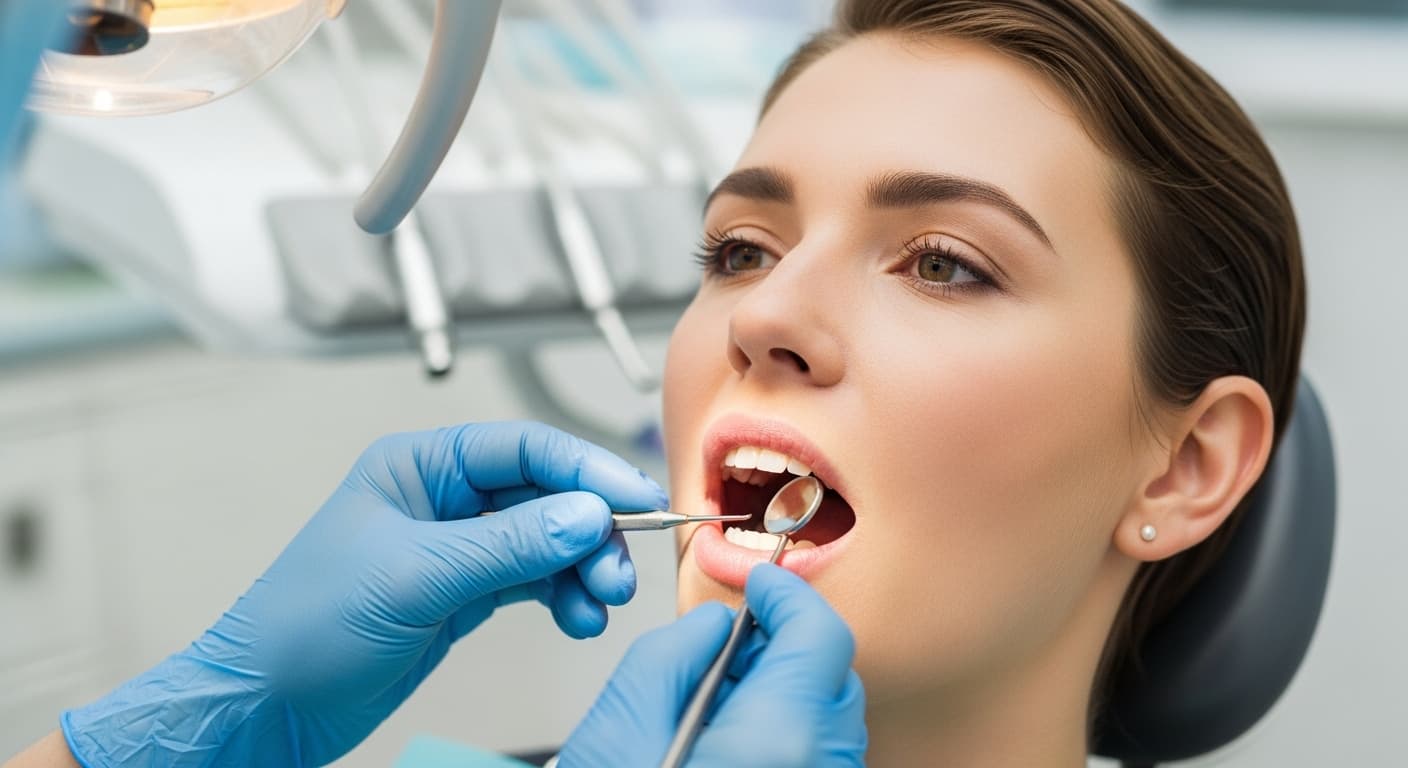
Dentures in Woodland Hills, CA
Losing teeth changes how you eat, how you speak and, for most people, how comfortable you feel in a room. Dentures remain the most accessible way to restore all three.
Modern dentures bear little resemblance to what your grandparents wore. Materials, techniques and digital fabrication have improved the fit, the appearance and the comfort substantially. Dr. Nader Ahdout has been restoring smiles in Woodland Hills since 1993 and will walk you through every option honestly — including the ones that cost more than a conventional denture and, for many patients, are worth it.
We serve Woodland Hills, Calabasas, Tarzana, West Hills, Canoga Park, Reseda and Topanga.
Types of Dentures
Complete (Full) Dentures
For patients who have lost all the teeth in an arch. An acrylic base coloured to match gum tissue supports a full set of prosthetic teeth. The upper denture covers the palate and is held largely by suction; the lower sits on the ridge and is held by muscular control and gravity — which is why lower dentures are harder to stabilise and the more common source of complaints.
Partial Dentures
For patients who still have healthy natural teeth. A partial fills the gaps and clasps onto remaining teeth for retention.
- Cast metal partials — a chromium-cobalt framework with acrylic and teeth. Strong, thin, long-lasting, and the most stable option. Metal clasps may show in some positions.
- Flexible partials — nylon-based, with tissue-coloured clasps that are far less visible and no metal framework. Comfortable and aesthetic, though more difficult to reline or adjust.
- Acrylic partials — the least expensive, generally used as a transitional appliance while a definitive plan proceeds.
A partial also does something patients rarely consider: it stops the remaining teeth drifting into the gaps. Teeth migrate when they lose their neighbours, and a bite that collapses is far more expensive to correct later.
Immediate Dentures
Fabricated in advance and inserted the same day teeth are removed, so you never appear in public without teeth. The trade-off is real and should be understood before you choose it: gum and bone shape change substantially as extraction sites heal, so an immediate denture will require relining — usually more than once — and often full replacement after healing completes at around six to twelve months. Budget for that from the beginning.
Overdentures and Implant-Retained Dentures
A conventional denture that snaps onto two or more dental implants. This is the single largest improvement available for patients who struggle with a loose lower denture, and it is covered in detail on our implant-supported dentures page. For patients wanting a fixed prosthesis that never comes out, see All-on-4.
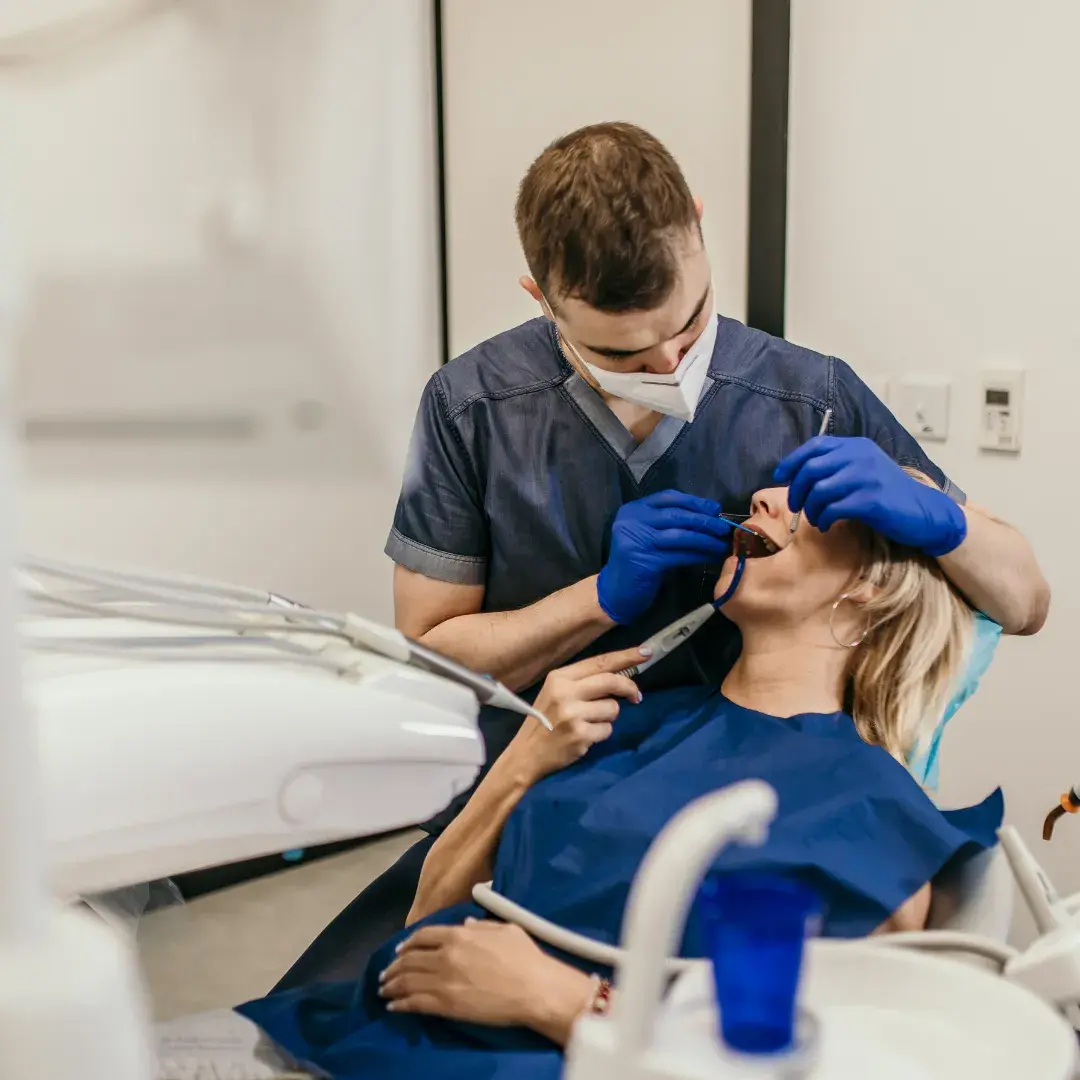
The Process
1. Consultation and Planning
Examination of remaining teeth, gum tissue, ridge shape and bite, with radiographs. We discuss all options — including implants — so you can weigh cost against function rather than being steered toward one solution.
2. Extractions and Healing, If Needed
Any teeth that cannot be saved are removed. See extractions and bone grafting. Conventional dentures are made after tissue has healed, typically six to twelve weeks. Where a socket-preservation graft is placed, the ridge holds its shape better and the eventual denture fits better.
3. Impressions and Records
Preliminary and final impressions capture the supporting tissues precisely. Bite records establish the vertical relationship between your jaws — how far your mouth closes. This measurement determines your facial profile, your lip support and whether you can chew comfortably. Getting it wrong is the most common reason a denture is never worn.
4. Try-In
Teeth set in wax are tried in your mouth so you can evaluate appearance, tooth position, shade and speech before anything is finalised. Bring a family member. You will be looking at a version of your face you are not used to, and a second opinion from someone who knows you is genuinely useful.
5. Delivery and Adjustment
The finished denture is inserted and the bite refined. Expect two to four adjustment visits over the following weeks as sore spots appear. This is normal and not a sign the denture is wrong — tissue needs time to adapt to a new load. These adjustments are part of the treatment, not extras.
Adjusting to New Dentures
The first few weeks are the hardest. Being told what to expect makes them considerably easier.
Expect initially: increased saliva, a sense of bulk, some difficulty with certain sounds, and reduced chewing efficiency. All improve.
Eating. Start with soft foods cut small. Chew on both sides simultaneously — this is the opposite of natural chewing and it is what keeps a denture stable. Add firmer foods gradually over several weeks. Sticky and very hard foods are the last to return, and some never do comfortably.
Speaking. Certain sounds, especially "s" and "f", may whistle or slur at first. Reading aloud for fifteen minutes a day accelerates adaptation more than anything else.
Soreness. Sore spots in the first weeks are expected. Do not attempt to adjust the denture yourself. A denture trimmed at home is usually a denture that has to be remade. Call us; an adjustment takes minutes.
Adhesives. A small amount can help confidence, particularly early on. But adhesive is a supplement to a well-fitting denture, not a substitute for one. If you find yourself needing progressively more of it, the denture needs relining — that is what your tissues are telling you.
Caring for Your Dentures
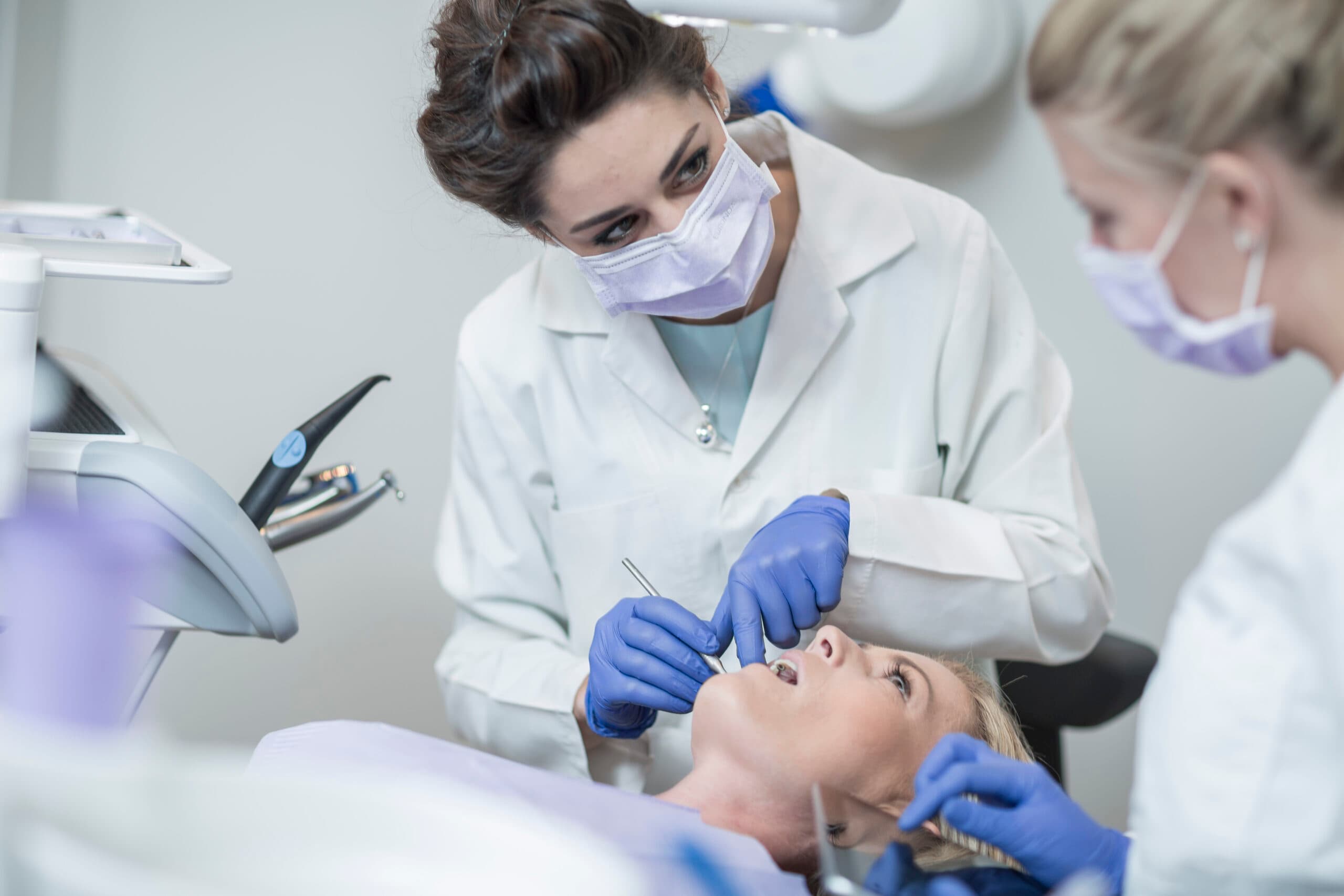
- Clean daily with a denture brush and a non-abrasive denture cleanser. Never use regular toothpaste — it is abrasive enough to scratch acrylic, and those scratches harbour bacteria and stain
- Rinse after eating
- Handle over a folded towel or a basin of water. Dentures fracture on bathroom sinks with remarkable reliability
- Soak overnight in water or denture solution. Acrylic warps if it dries out. Never use hot water
- Remove them at night. Your tissues need several hours a day without load. Sleeping in dentures is associated with tissue inflammation and denture stomatitis
- Clean your mouth even without teeth. Brush your gums, tongue and palate with a soft brush every morning
- Keep attending check-ups. Even with no natural teeth, annual examination screens for oral cancer, checks tissue health and assesses fit
Relines, Repairs and Replacement
Your jaw does not stay the same shape. When teeth are removed, the bone that held them begins to resorb. It is fastest in the first year and continues indefinitely. A denture fitting perfectly today will not fit the same way in three years — the denture has not changed; your ridge has.
- Reline: the fitting surface is refitted to your current tissue. Typically needed every two to three years, sometimes sooner
- Rebase: the entire acrylic base is replaced, keeping the teeth
- Repair: for fractures or a lost tooth. Do not use household glue. It is toxic, and it makes a professional repair impossible — frequently converting a repairable denture into one that must be remade
- Replacement: every five to ten years. Teeth wear, acrylic ages, and fit drifts
The Bone Loss Problem
This is the honest limitation of conventional dentures and the reason implants exist.
Natural tooth roots stimulate the jawbone with every bite. Without that stimulation, bone resorbs — commonly a quarter of ridge width within the first year of extraction, continuing thereafter. Over the years, the ridge flattens, dentures loosen progressively, the lower face shortens and the chin rotates forward, producing the collapsed facial appearance associated with long-term denture wear.
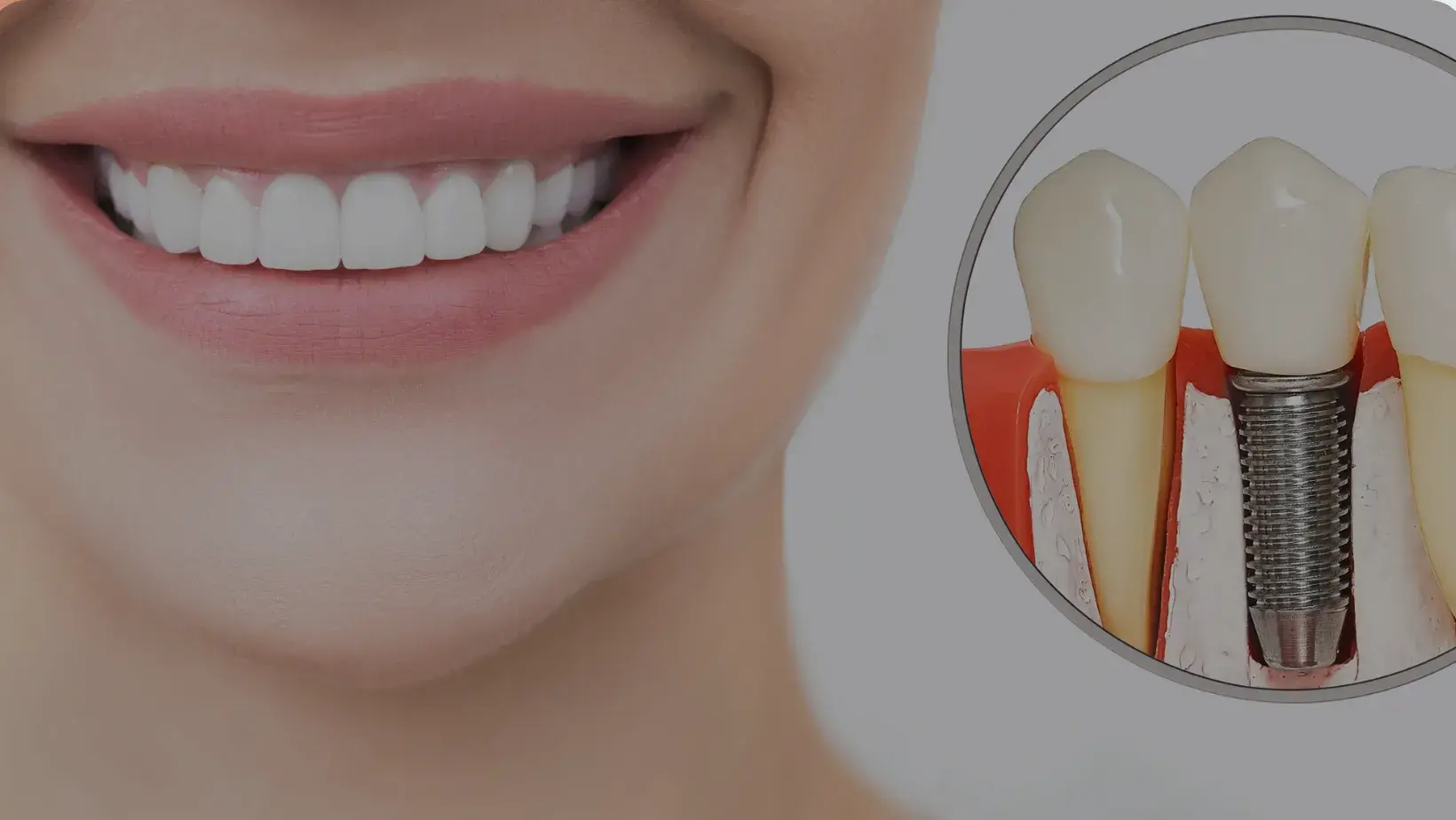
Dentures rest on top of this process; they do not slow it. Dental implants are the only option that preserves bone, because they transmit force into it. Even two implants supporting a lower overdenture dramatically improve retention and help maintain the ridge in that region.
We would rather you knew this before choosing than discover it in ten years.
How Much Do Dentures Cost in Woodland Hills?
| Option | Typical range |
|---|---|
| Complete denture, one arch | $1,500 – $3,500 |
| Complete dentures, both arches | $3,000 – $7,000 |
| Partial denture, acrylic | $800 – $1,800 |
| Partial denture, cast metal | $1,500 – $3,000 |
| Flexible partial | $1,200 – $2,500 |
| Immediate denture | $1,800 – $4,000 |
| Reline | $300 – $600 |
| Repair | $150 – $500 |
| Implant-retained overdenture | $6,000 – $15,000 per arch |
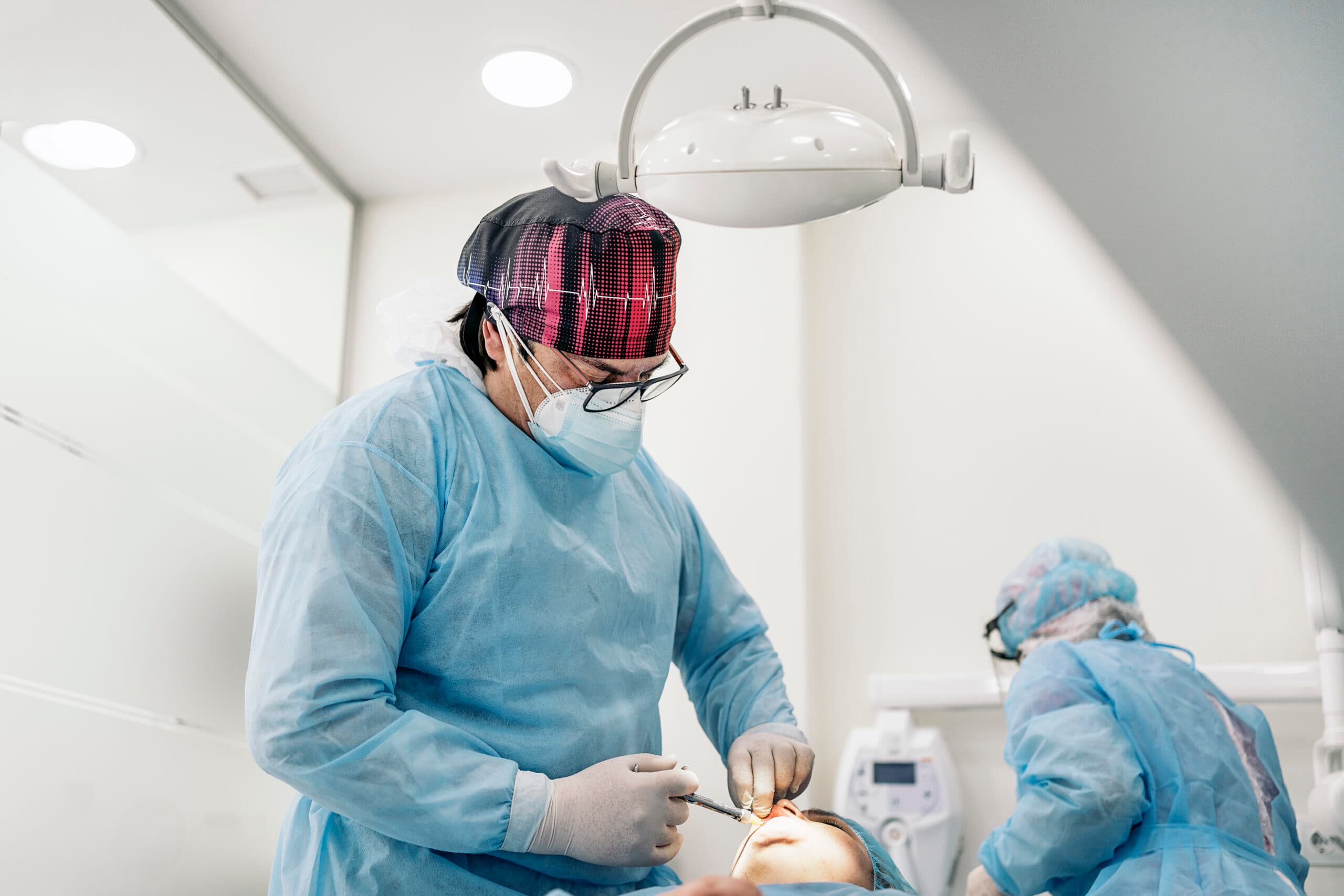
Cost is driven by the quality of the teeth used, the fabrication technique, and whether extractions or grafting are needed. Premium denture teeth resist wear and look considerably more natural than economy sets — over a denture's lifespan, that difference is small money.
Insurance often contributes meaningfully to dentures, since they are restorative rather than cosmetic, though annual maximums frequently cap the benefit below the full fee. We verify your coverage and provide a written estimate. See payment plans for financing.
Dentures vs. Implants — An Honest Comparison
| Conventional denture | Implant overdenture | All-on-4 fixed | |
|---|---|---|---|
| Cost per arch | $1,500 – $3,500 | $6,000 – $15,000 | $20,000 – $35,000 |
| Removable | Yes | Yes, snaps in | No, fixed |
| Chewing efficiency | ~20-25% of natural | Substantially improved | Closest to natural |
| Preserves bone | No | Partially | Yes |
| Covers the palate | Yes, upper | Often reduced | No |
| Surgery required | No | Yes | Yes |
| Relines needed | Every 2-3 years | Less frequent | Rare |
There is no universally correct answer. A conventional denture is affordable, requires no surgery, and serves many patients well. An implant-retained option costs more initially and delivers markedly better function and bone preservation. Dr. Ahdout's role is to lay out both honestly and let you decide with full information — not to push you toward the more expensive treatment.
Why Choose Dr. Ahdout for Dentures
- Thirty-plus years of prosthetic and restorative practice, USC-trained
- Fit and bite are treated as the priority, because a denture that looks excellent and cannot be chewed with is a failure
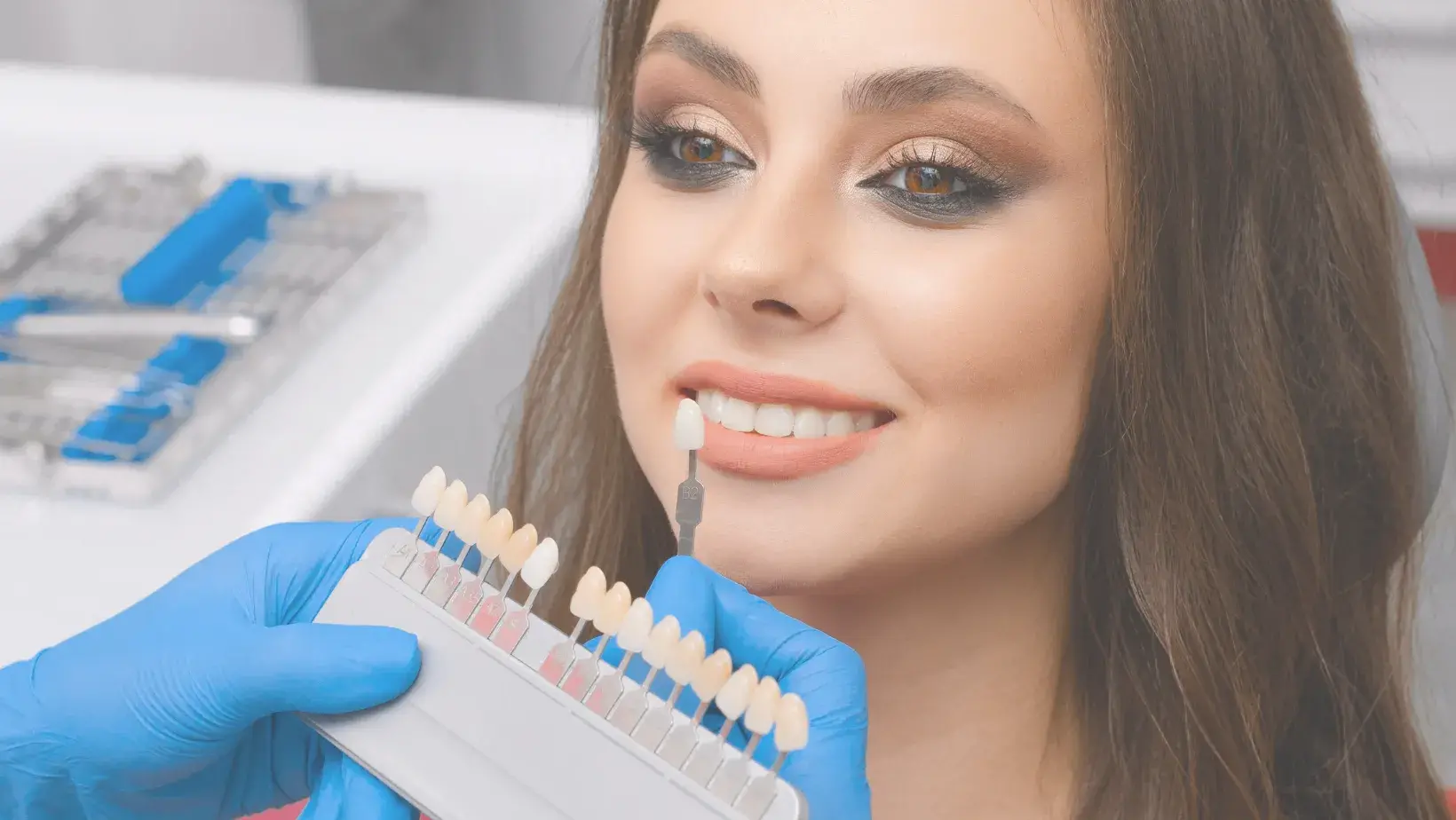
- Aesthetics planned individually. Tooth shade, shape, size and arrangement are selected for your face and age. Uniform, over-white denture teeth are the giveaway that makes dentures obvious
- The full range of options presented, from conventional dentures through implant overdentures to All-on-4, with real costs attached
- Adjustments included and welcomed. We expect to see you two to four times after delivery
- Sedation available for patients requiring extractions
- 4.6 stars across 80 Google reviews, with same-week appointments
Book Your Denture Consultation
Whether you are facing the loss of your remaining teeth, struggling with a denture that no longer fits, or simply want to understand your options, the consultation is free.
Call (818) 340-3062 or book online.
Dr. Nader Ahdout, DDS · 22116 Ventura Blvd, Woodland Hills, CA 91364
Monday to Thursday 9:00 AM – 6:00 PM · Friday 9:00 AM – 1:30 PM
Frequently Asked Questions
How much do dentures cost in Woodland Hills?
A complete denture for one arch typically ranges from $1,500 to $3,500, and both arches from $3,000 to $7,000. Partial dentures range from $800 for acrylic to $3,000 for cast metal. Because dentures are restorative rather than cosmetic, dental insurance often contributes, though annual maximums frequently cap the benefit below the full fee.
How long does it take to get used to new dentures?
Most patients adapt substantially within four to eight weeks, though full confidence with eating can take a few months. Expect increased saliva, a sense of bulk and some speech difficulty at first. Reading aloud for fifteen minutes daily speeds up speech adaptation, and starting with soft foods cut small while chewing on both sides at once helps with eating.
Do dentures cause bone loss?
Dentures do not cause bone loss, but they do not prevent it either. Bone resorbs after teeth are removed because natural roots no longer stimulate it — fastest in the first year and continuing indefinitely. This is why dentures loosen over time and need relining. Dental implants are the only option that transmits force into bone and helps preserve it.
How often do dentures need to be relined or replaced?
Relines are typically needed every two to three years as the jaw ridge changes shape, and full replacement every five to ten years as teeth wear and acrylic ages. Immediate dentures need relining sooner — often within the first year — because extraction sites change substantially while healing.
Can I sleep with my dentures in?
It is not recommended. Your gum tissues need several hours a day without load to stay healthy, and sleeping in dentures is associated with tissue inflammation and denture stomatitis, a fungal infection of the palate. Remove them at night, clean them, and soak them in water or denture solution so the acrylic does not dry out and warp.
What is the difference between dentures and implant-supported dentures?
A conventional denture rests on the gums and is held by suction, muscular control and sometimes adhesive. An implant-supported denture snaps onto two or more dental implants placed in the jaw. The implant version costs more initially but delivers far better retention, substantially improved chewing efficiency, and helps preserve the bone that conventional dentures cannot.
Trusted Dentist in Woodland Hills for Comprehensive Dental Care
Schedule your free consultation with Dr. Ahdout and experience high-quality cosmetic and family dentistry tailored to your smile needs.
Visit Our Woodland Hills Office
Call Now
(818) 340-3062Opening Hours
- Mon
- 9 AM – 6 PM
- Tue
- 9 AM – 6 PM
- Wed
- 9 AM – 6 PM
- ThuToday
- 9 AM – 6 PM
- Fri
- 9 AM – 1:30 PM
- Sat
- Closed
- Sun
- Closed