

Porcelain Veneers in Woodland Hills, CA
A veneer is a thin shell of dental porcelain bonded to the front of a tooth. Placed across the teeth that show when you smile, veneers can correct colour, shape, length, spacing and minor alignment simultaneously — which is why they remain the most transformative treatment in cosmetic dentistry.
They are also irreversible. Preparing a tooth for a veneer removes a layer of enamel that does not grow back, which commits that tooth to being restored for the rest of your life. That is not a reason to avoid veneers; it is a reason to have them planned and placed by someone with the experience to get them right the first time.
Dr. Nader Ahdout graduated from the USC School of Dentistry in 1993 and has spent more than three decades doing cosmetic and restorative work in Woodland Hills. We serve Calabasas, Tarzana, West Hills, Canoga Park, Reseda and Topanga.
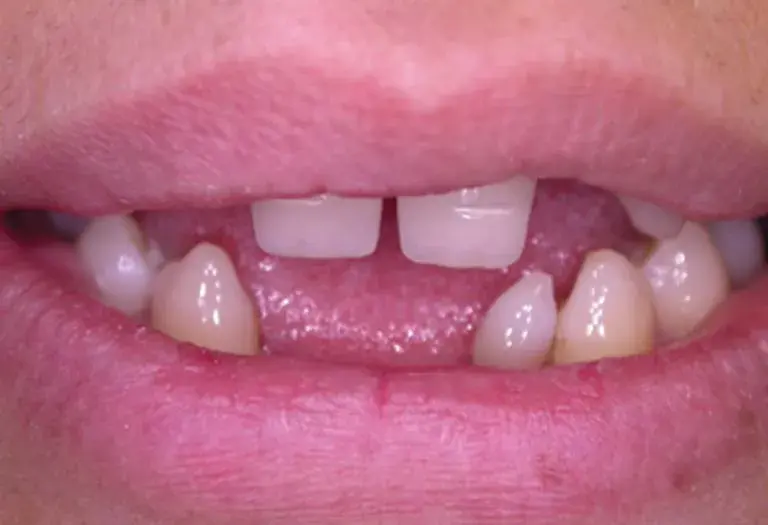
What Porcelain Veneers Correct
- Permanent discolouration that whitening cannot resolve — tetracycline staining, fluorosis, or a tooth darkened by trauma
- Chips and fractures in otherwise healthy teeth
- Worn edges from grinding or decades of function
- Gaps and spacing, including diastema between the front teeth
- Teeth that are too small, too short, or misshapen, including peg laterals
- Minor crowding or rotation, where the goal is appearance rather than bite correction
- An uneven smile line, where teeth sit at different heights
What Veneers Do Not Fix
Veneers are a surface treatment on the front of a tooth. They are the wrong tool for:
- Significant misalignment. Masking substantially crooked teeth with porcelain means removing far more enamel than necessary. Invisalign first, then thinner veneers, is the conservative sequence and usually the better result.
- Structurally compromised teeth. A tooth with a large existing filling or extensive decay needs a crown, which covers and protects the whole tooth rather than facing one side of it.
- Missing teeth. That is implant or bridge territory.
- Active gum disease. Bonding porcelain to teeth in inflamed, receding tissue produces margins that will be exposed within a few years.
- Untreated bruxism. Porcelain is strong under compression and vulnerable to shearing forces. Veneers placed on a patient who grinds without a protective night guard will fracture.
Types of Veneers
Traditional Porcelain Veneers
Approximately 0.3 to 0.7 mm of enamel is removed from the front and biting edge of the tooth, and a custom veneer is fabricated and bonded in place. This remains the standard for a reason: it produces the most controlled result, accommodates significant colour or shape change, and allows the ceramist to build in the depth and translucency that make porcelain look like enamel.
Minimal-Preparation Veneers
Thinner shells requiring little or no enamel reduction. Excellent in the right case — teeth that are already well positioned and only need small changes in shape or shade. In the wrong case, they produce a bulky, over-contoured result because the porcelain has to sit on top of the existing tooth rather than replacing part of it. We discuss the honest trade-off in porcelain veneers vs. Lumineers.
Composite Bonding
Tooth-coloured resin sculpted directly onto the tooth in a single visit. Considerably less expensive, reversible in many cases, and repairable. It also stains over time and lasts perhaps five to seven years against fifteen or more for porcelain. For a single chipped tooth or a patient who wants to test a change before committing, bonding is often the smarter first step.
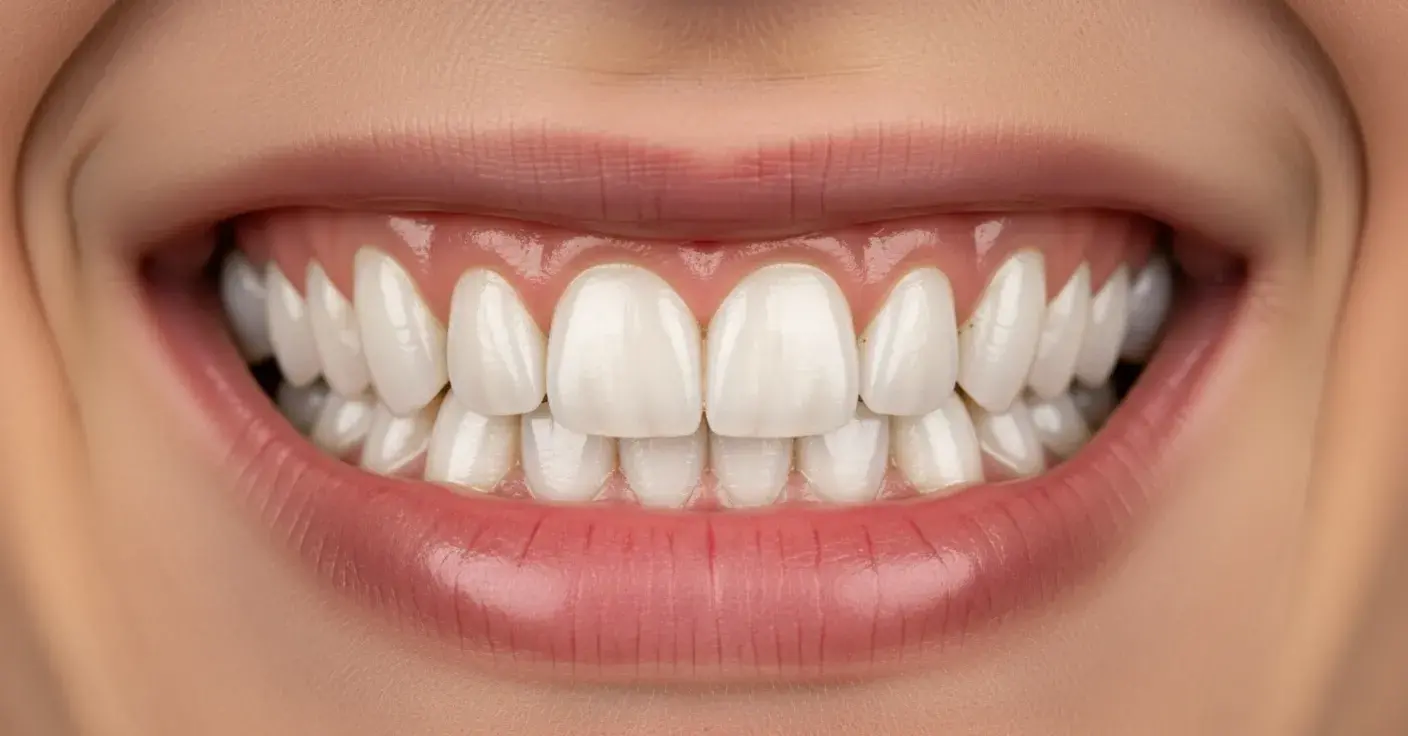
The Veneer Process
Visit 1 — Consultation and Smile Design
We examine your teeth, gums and bite, take photographs and radiographs, and — more importantly — establish what you actually want. "Whiter and straighter" means very different things to different people. Bring photographs of smiles you like. Bring photographs of results you dislike, which are often more informative.
Shade, tooth proportion, midline, smile line and lip dynamics are all planned at this stage. We frequently produce a digital design or a diagnostic wax-up, a physical model of the proposed result, so you approve the plan before any enamel is touched.
If whitening is part of your plan, it happens now. Your natural teeth set the reference shade — veneers are matched to the teeth beside them, and porcelain cannot be lightened afterwards.
Visit 2 — Preparation and Temporaries
The teeth are prepared conservatively under local anaesthetic. A final impression or digital scan goes to the laboratory, and temporary veneers are placed.
Do not treat the temporary stage as dead time. It is a working prototype of your final smile. Live with them for a week or two, look at them in different lighting, eat and speak with them, and tell us what you would change. Adjustments made to temporaries are straightforward. The same adjustments after the porcelain is fabricated mean remaking the case.
Visit 3 — Try-In and Bonding
The finished veneers are tried in with water or try-in paste before anything is permanent. This is your final approval on shade and shape. Once you and Dr. Ahdout are satisfied, the tooth surface is etched, and the veneers are bonded with resin cement cured by light. Bite is checked and refined, margins are polished, and you leave with the result.
Follow-Up
We review the case within a couple of weeks to confirm your bite has settled and your gum tissue has adapted well to the new margins. If you grind, you will receive a night guard — and it is not optional.
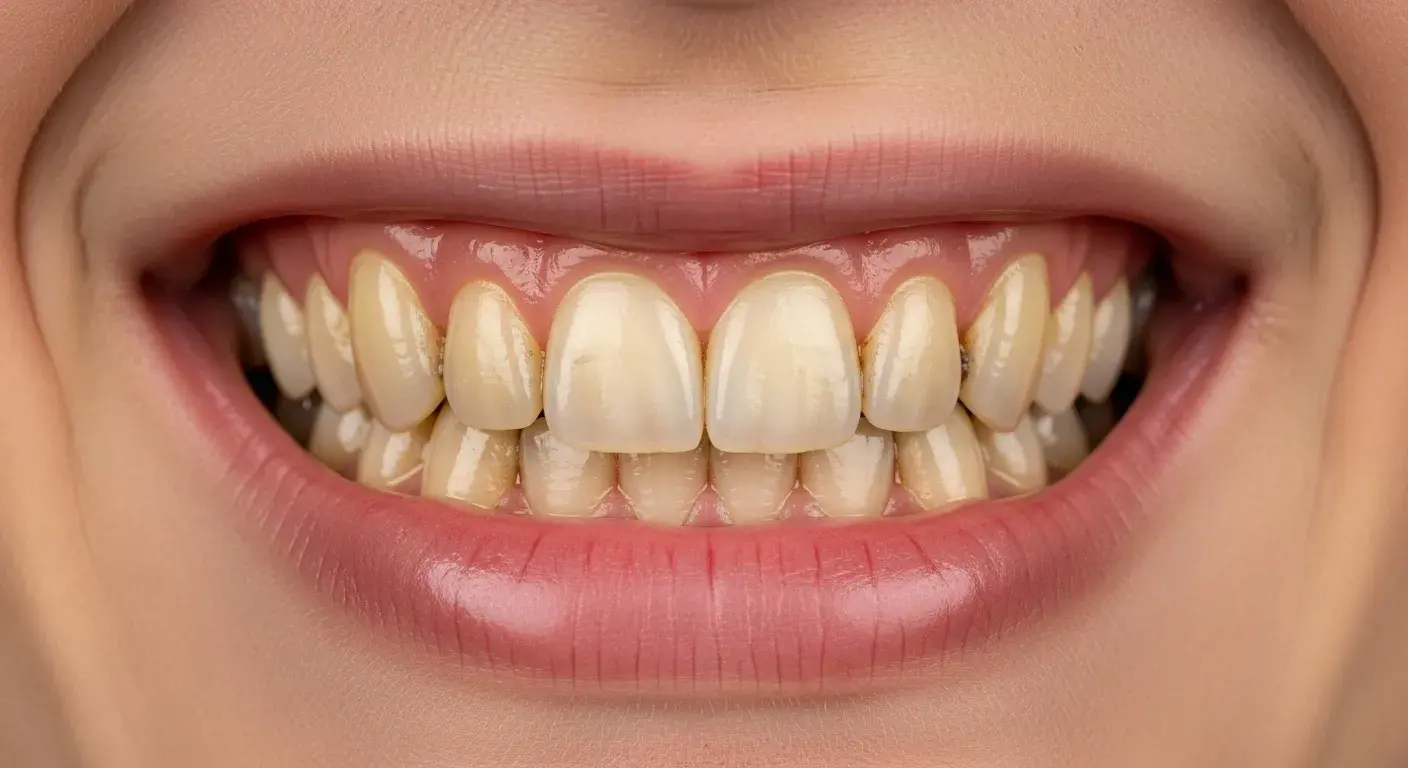
How Long Do Porcelain Veneers Last?
With good care, ten to fifteen years is a realistic expectation, and many cases exceed twenty. Composite bonding sits closer to five to seven years.
What determines which end of that range you land on:
- Whether you wear a night guard. The single largest factor. Grinding forces are the most common cause of veneer fracture.
- Gum health. Recession exposes the margin where porcelain meets tooth, which is visible and eventually requires replacement. Keep your cleaning schedule.
- What you do with your front teeth. Opening packaging, biting nails, chewing ice and holding objects between the teeth all end veneers early.
- The quality of the original bond. Marginal fit and isolation during bonding are technique-dependent, which is the practical argument for experience.
Veneers do not decay, but the tooth underneath still can. The margins remain natural tooth structure and require the same brushing, flossing and professional cleaning as any other tooth.
How Much Do Porcelain Veneers Cost in Woodland Hills?
| Treatment | Typical range per tooth |
|---|---|
| Porcelain veneer | $1,200 – $2,500 |
| Minimal-prep veneer | $1,000 – $2,000 |
| Composite bonding | $400 – $900 |
Most smile makeovers involve six to ten upper teeth — the teeth visible in a full smile. Six upper veneers therefore commonly fall between $7,000 and $15,000, and ten between $12,000 and $25,000.
Cost varies with the laboratory and ceramist used, the complexity of the case, whether the bite needs adjustment, and whether preliminary treatment such as gum recontouring or alignment is required.
Veneers are cosmetic, so dental insurance does not cover them — with one exception worth checking: when a veneer restores a tooth fractured by trauma, some plans contribute. We verify this for you. See payment plans for monthly financing options.
A caution on cost. Veneers are the treatment most often sold cheaply abroad or by high-volume clinics, and the reason the price differs is almost always the amount of tooth removed and the quality of the ceramic work. Over-prepared teeth cannot be un-prepared. If a quotation is dramatically below the range above, ask specifically how much enamel will be removed and where the laboratory work is done.
Why Choose Dr. Ahdout
Veneers are as much an aesthetic discipline as a clinical one. The technical steps are learnable; judging tooth proportion against a patient's face, age and personality is not, and it is the difference between a smile that looks natural and one that announces itself.
- Thirty-plus years of cosmetic and restorative practice in Woodland Hills, with a USC dental education
- Bite-driven planning. Dr. Ahdout's restorative background means veneers here are designed around how your teeth actually function. Cosmetic work that ignores occlusion fails early.
- Conservative preparation. Enamel is removed only where the design requires it. Bonding to enamel is also stronger and more durable than bonding to dentine, so conservative preparation is a longevity issue, not only an ethical one.
- Approval before permanence. Wax-ups, temporaries and try-in mean you see and approve your result at multiple stages.
- Comfort. Sedation options are available, and our dental spa setting is designed for longer appointments.
Browse real cases in our smile gallery and see the technology used to plan them.
Book Your Veneer Consultation
The consultation is free and includes an examination, a discussion of what you want to change, and an honest assessment of whether veneers are the right route — or whether whitening, bonding or alignment would get you there with less intervention and less cost.
Call (818) 340-3062 or book online.
Dr. Nader Ahdout, DDS · 22116 Ventura Blvd, Woodland Hills, CA 91364
Frequently Asked Questions
How much do porcelain veneers cost in Woodland Hills?
Porcelain veneers typically range from $1,200 to $2,500 per tooth in the Woodland Hills area. Because most smile makeovers involve six to ten upper teeth, full cases commonly fall between $7,000 and $25,000. Veneers are cosmetic and generally not covered by dental insurance, though plans sometimes contribute when a veneer restores a tooth fractured by trauma.
Do you have to shave down your teeth for veneers?
Traditional porcelain veneers require removing approximately 0.3 to 0.7 mm of enamel — roughly the thickness of the veneer replacing it — so the result is not bulky. Minimal-preparation veneers require little or no reduction but suit only certain cases. Because enamel does not regenerate, veneer preparation is permanent and the tooth will always require a restoration.
How long do porcelain veneers last?
Ten to fifteen years is a realistic expectation with good care, and many cases exceed twenty. Composite bonding lasts roughly five to seven years. Longevity depends most on wearing a night guard if you grind, maintaining gum health, and not using your front teeth to open packaging or bite nails.
Do veneers stain or can they be whitened?
Porcelain resists staining far better than natural enamel and does not respond to whitening agents at all. This is why any desired whitening must be completed before veneers are made — the porcelain is matched to your natural teeth at that point, and its shade cannot be changed afterwards without replacing the veneers.
Are veneers better than Invisalign for crooked teeth?
They address different problems. Invisalign moves teeth into correct positions; veneers change the appearance of a tooth's surface. Masking significantly crooked teeth with porcelain requires removing much more enamel than necessary. The conservative approach is to align first with Invisalign, then place thinner veneers if shape or colour still needs work.
Can veneers be removed or reversed?
No. Because enamel is removed during preparation, a prepared tooth will always need a veneer or crown covering it. Veneers can be replaced when they eventually wear out, but the tooth cannot return to its original state. Composite bonding, which often requires no enamel removal, is the reversible alternative worth considering first.
Trusted Dentist in Woodland Hills for Comprehensive Dental Care
Schedule your free consultation with Dr. Ahdout and experience high-quality cosmetic and family dentistry tailored to your smile needs.
Visit Our Woodland Hills Office
Call Now
(818) 340-3062Opening Hours
- Mon
- 9 AM – 6 PM
- Tue
- 9 AM – 6 PM
- Wed
- 9 AM – 6 PM
- ThuToday
- 9 AM – 6 PM
- Fri
- 9 AM – 1:30 PM
- Sat
- Closed
- Sun
- Closed