
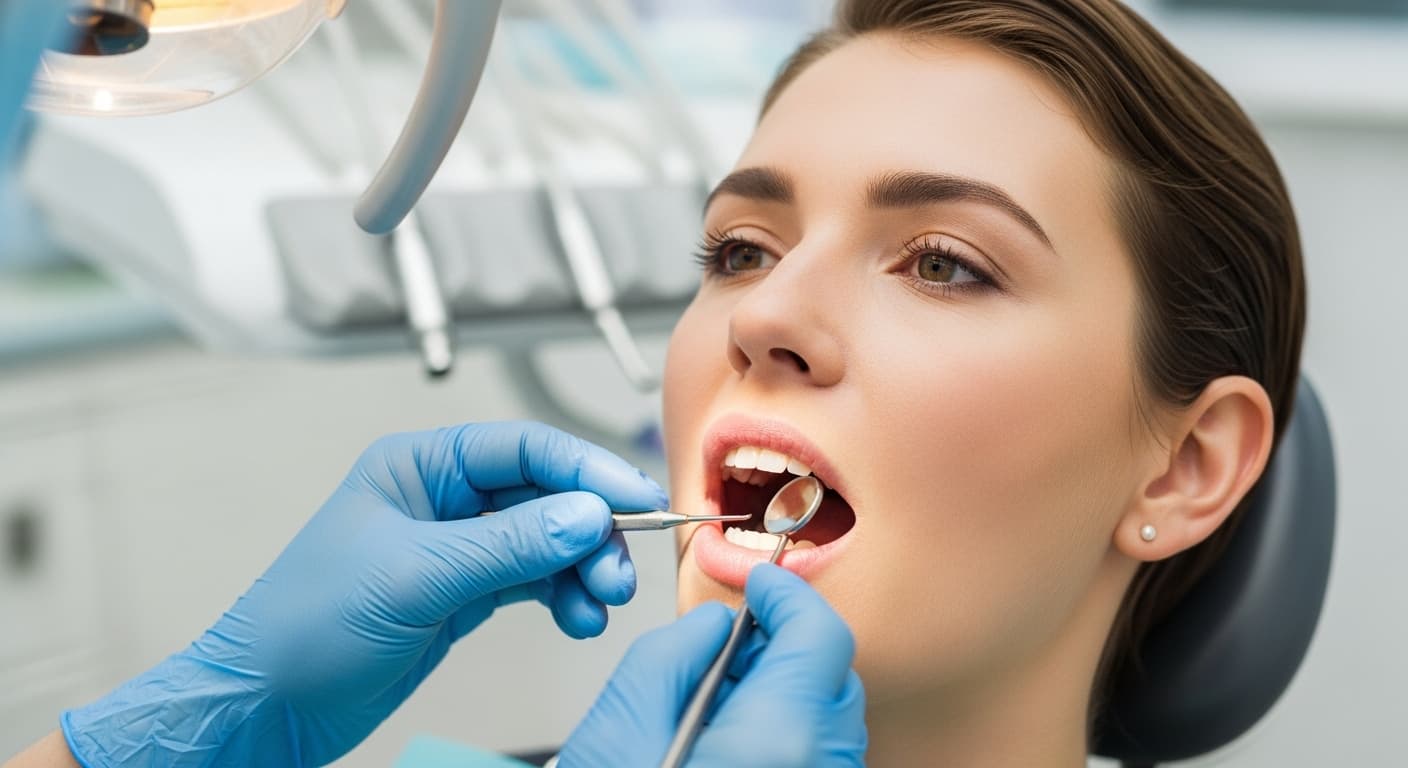
Root Canal Treatment in Woodland Hills, CA
If you are reading this with a throbbing tooth, start here: a root canal does not cause pain. It ends it. The reputation the procedure carries comes from decades ago, before modern anaesthesia, rotary instrumentation and digital imaging. Today, most patients report that the treatment itself feels much like having a filling placed — and that the relief afterwards is immediate.
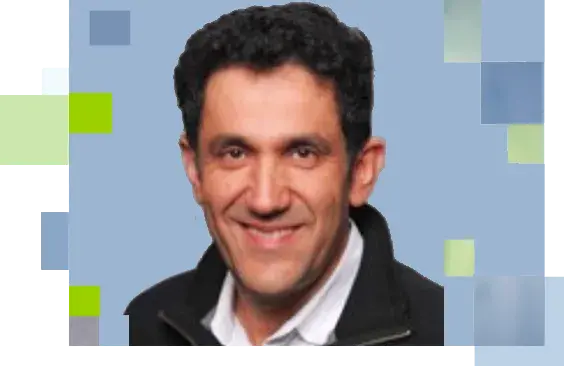
Dr. Nader Ahdout has practised in Woodland Hills since 1993 and offers same-week appointments, sedation options for anxious patients, and emergency care when a tooth cannot wait.
In pain right now? Call (818) 340-3062.
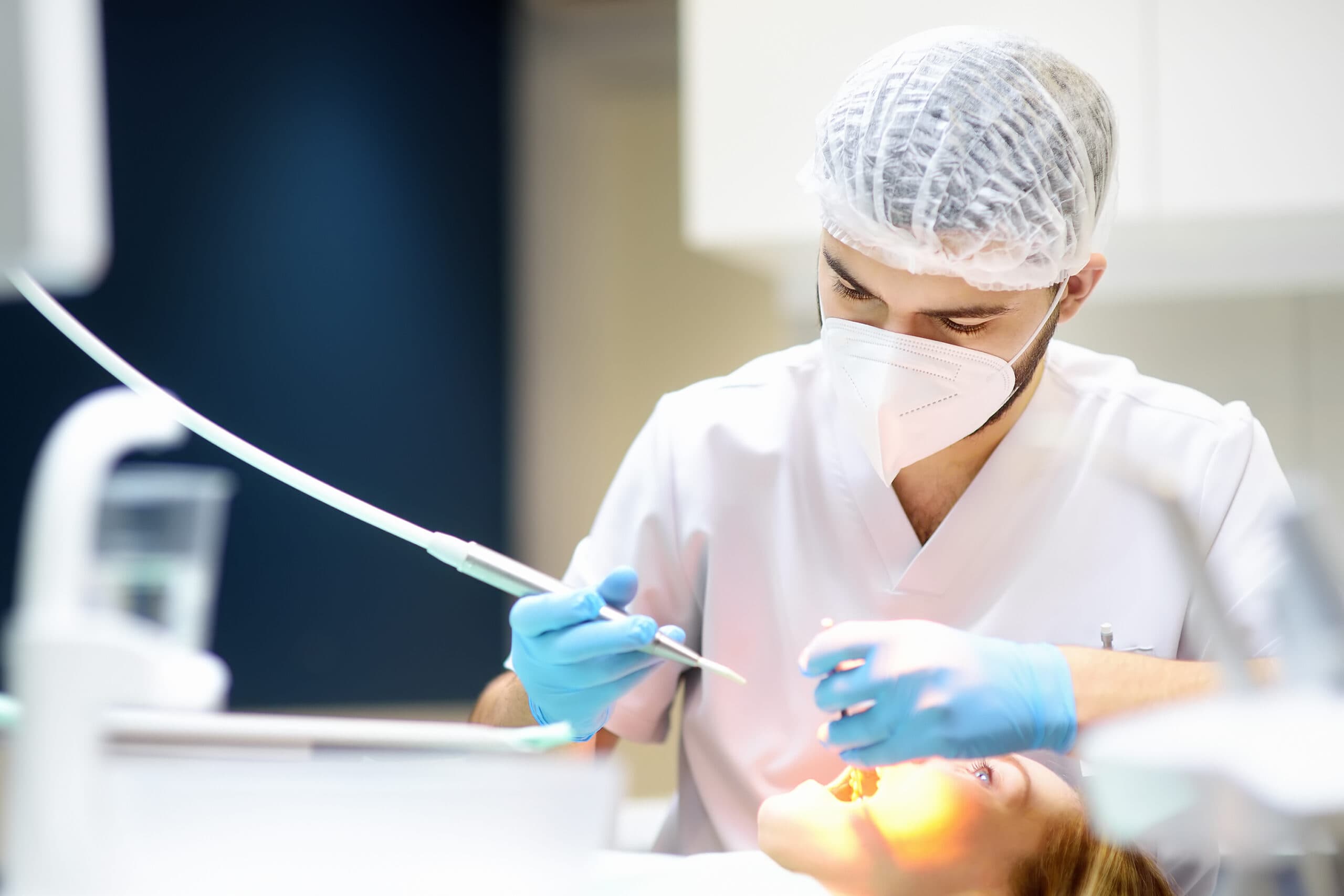
What Is a Root Canal?
Inside every tooth, beneath the enamel and dentine, is a soft core called the pulp. It contains nerves, blood vessels and connective tissue, and it runs from the crown of the tooth down through canals in each root.
When bacteria reach the pulp, it becomes inflamed and then infected. Because it is sealed inside a rigid chamber, the swelling has nowhere to expand — which is why a dying pulp produces pain out of all proportion to the size of the tooth. Left untreated, the infection travels down the canals and out through the root tip into the surrounding bone, forming an abscess.
Root canal treatment — endodontic treatment — removes the infected pulp, disinfects and shapes the canal system, and seals it. The tooth stays in your mouth and continues to function. A fully formed adult tooth does not need its pulp to survive; it is nourished by the tissues surrounding the root.
Signs You May Need a Root Canal
- Persistent, spontaneous toothache, especially one that wakes you at night
- Prolonged sensitivity to heat or cold that lingers well after the source is removed. Brief sensitivity is common; sensitivity that continues for thirty seconds or more suggests pulp involvement
- Pain when biting or applying pressure to a specific tooth
- A pimple-like bump on the gum near the tooth, which may drain and taste unpleasant — this is a sinus tract from an abscess
- Swelling of the gum, face or jaw
- A tooth that has darkened relative to its neighbours
- Deep decay or a tooth that has fractured through to the pulp
When You Might Feel Nothing at All
Some teeth need endodontic treatment without producing symptoms. When the pulp dies completely, the pain often stops — and patients understandably conclude the problem resolved itself. It did not. The infection continues silently into the bone.
These cases are usually found on routine radiographs, which is one of the more practical arguments for keeping your six-month examinations.
Go to an Emergency Room If
Facial swelling that is spreading, swelling that affects your eye or the floor of your mouth, difficulty swallowing or breathing, or fever with a dental infection are medical emergencies. A dental infection that spreads into the deep tissues of the face and neck is dangerous. Do not wait for a dental appointment.
What Causes the Pulp to Become Infected?
- Deep decay that has progressed through enamel and dentine into the pulp — by far the most common cause
- A cracked or fractured tooth, which gives bacteria a direct route in
- Trauma, even years earlier. A tooth struck in an accident can lose vitality long afterwards
- Repeated dental procedures on the same tooth, each of which stresses the pulp
- A failed or leaking restoration allowing bacteria beneath it
The Procedure, Step by Step
Diagnosis
We examine the tooth, test its response to cold and to percussion, and take radiographs. Digital imaging shows the extent of infection and the anatomy of the root canal system — how many canals the tooth has and how they curve. See our technology page for the imaging we use.
Anaesthesia
The tooth and surrounding tissue are thoroughly numbed. This is the step patients worry about most, and it is worth being specific: an actively infected tooth can be harder to anaesthetise because inflammation alters local tissue chemistry. Experienced clinicians expect this and use supplementary techniques — intraligamentary or intraosseous injection — to achieve full numbness. You should not feel the procedure. If you begin to, tell us and we will add anaesthetic.
For patients whose anxiety is the real obstacle, we offer nitrous oxide and oral conscious sedation.
Isolation
A rubber dam is placed to isolate the tooth. It keeps the working field free of saliva and bacteria and stops irrigating solutions reaching the rest of your mouth. It is not optional in properly performed endodontics.
Accessing and Cleaning the Canals
A small opening is made through the crown of the tooth. The infected pulp tissue is removed and the canals are shaped with fine flexible nickel-titanium instruments. An apex locator measures the canal length electronically so instrumentation stops precisely at the root tip.
The canals are irrigated throughout with sodium hypochlorite, which dissolves residual tissue and kills bacteria in the microscopic branches that no instrument can physically reach. This chemical disinfection is where the success of the treatment is actually determined — mechanical shaping alone is insufficient.
Filling and Sealing
The dried canals are filled with gutta-percha, a biocompatible material, together with a sealer that fills the remaining irregularities. This obliterates the space so bacteria cannot recolonise it. A temporary or permanent filling closes the access opening.
The Final Restoration — Do Not Skip This
A tooth that has had endodontic treatment is more brittle. It has lost internal structure, and posterior teeth in particular are subject to forces that will split an unprotected tooth.
Most back teeth need a crown after root canal treatment, sometimes with a post and core to retain it. Front teeth with limited structural loss can occasionally be restored with a bonded filling.
A root canal without its final restoration will fail. The seal degrades, bacteria re-enter, and a tooth that was saved is lost — after you already paid to save it. If cost is the obstacle, tell us, and we will find a way through payment plans rather than let you leave a tooth unprotected.
How Many Appointments Does It Take?
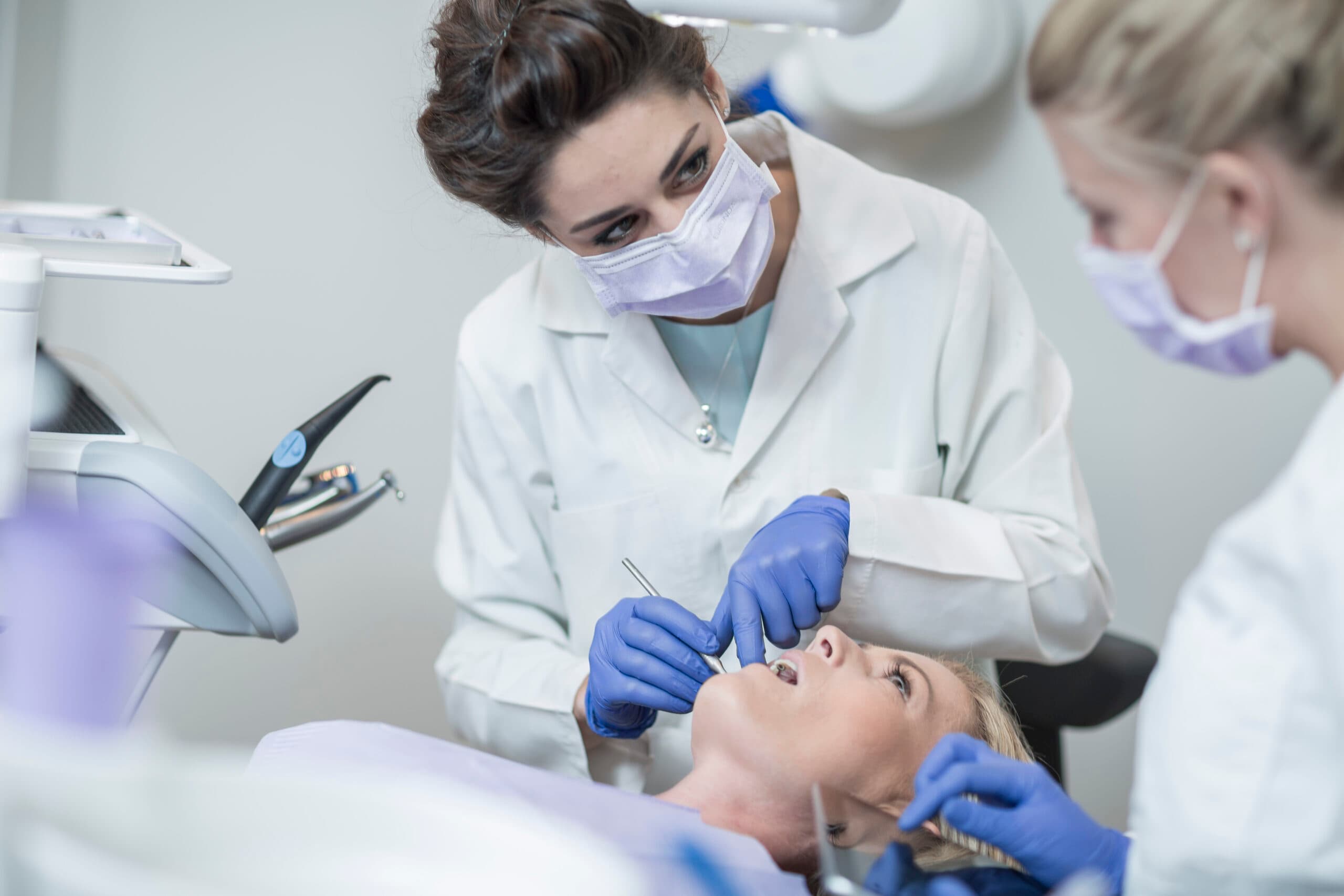
Many are completed in a single visit of 60 to 90 minutes. Two visits may be needed when:
- the tooth has a severe infection or active abscess requiring intracanal medication between appointments
- the anatomy is complex — molars can have four or more canals with significant curvature
- the tooth is being retreated after previous endodontic work
Front teeth and premolars are generally faster than molars simply because they have fewer canals.
Does a Root Canal Hurt?
During the procedure: no, for the overwhelming majority of patients. The tooth is fully anaesthetised. Most report feeling pressure and vibration but no pain, and many are surprised at how unremarkable the experience was compared with what they expected.
Afterwards: expect tenderness for a few days, particularly when biting. The ligament surrounding the root is inflamed and needs time to settle. Over-the-counter ibuprofen usually controls it well. Severe pain, swelling or pain that increases after the third day is not normal — call us.
A point worth making: the pain patients associate with root canals is the pain of the infection that made the treatment necessary. Patients arriving in genuine distress almost always describe substantial relief within a day or two.
Antibiotics
Antibiotics do not cure an infected pulp. There is no blood supply left inside a necrotic canal system for a drug to reach — which is why an antibiotic may temporarily reduce swelling while the source of infection continues untouched. Definitive treatment means removing the infected tissue. Antibiotics are used as an adjunct when there is spreading swelling or systemic involvement, not as a substitute.

Root Canal vs. Extraction
Patients frequently ask whether it would be simpler to pull the tooth. It is cheaper on the day and considerably more expensive over time.
| Root canal + crown | Extraction + implant | Extraction alone | |
|---|---|---|---|
| Typical total cost | $1,500 – $3,000 | $3,500 – $6,000 | $200 – $600 |
| Keeps your natural tooth | Yes | No | No |
| Bone preservation | Yes | Yes, with the implant | No — the ridge resorbs |
| Treatment timeline | 1 to 3 weeks | 3 to 9 months | 1 visit |
| Effect on adjacent teeth | None | None | They drift and tilt |
Extraction alone is the option that looks cheapest and costs the most. Removing a tooth without replacing it allows the neighbouring teeth to drift, the opposing tooth to over-erupt, and the bone that supported the root to resorb — which then complicates any future implant and can require bone grafting.
Nothing functions as well as your own tooth. When a tooth can be saved predictably, saving it is almost always the better decision.
How Much Does a Root Canal Cost in Woodland Hills?
| Tooth | Root canal | Crown (typical) |
|---|---|---|
| Front tooth (incisor/canine) | $900 – $1,300 | $1,000 – $2,000 |
| Premolar | $1,000 – $1,500 | $1,000 – $2,000 |
| Molar | $1,300 – $2,000 | $1,000 – $2,000 |
Molars cost more because they have more canals and more complex anatomy. Retreatment of a previously treated tooth costs more than initial treatment.
Root canal treatment is a medically necessary procedure, and dental insurance usually covers a meaningful share — commonly 50 to 80 percent of the endodontic treatment, subject to your annual maximum, deductible and any waiting period. Crowns are typically covered at a lower percentage. We verify your benefits and give you a written estimate before treatment begins, and offer payment plans.
Aftercare
- Do not chew on the tooth until the permanent restoration is placed. A temporary filling is not strong enough for full function
- Take pain relief before the anaesthetic wears off rather than waiting for discomfort to start
- Brush and floss normally, gently around the treated tooth
- Avoid very hard or sticky foods on that side
- Return promptly for your crown. This is the appointment patients postpone, and it is the one that determines whether the treatment lasts
Call us if you experience swelling inside or outside the mouth, pain that worsens after three days, a returning original sensation, an uneven bite, or if the temporary filling comes out.
Success Rates
Modern endodontic treatment succeeds in roughly 86 to 95 percent of cases, and a well-treated, properly restored tooth frequently lasts for life.
Success depends on how thoroughly the canal system is disinfected and sealed, how quickly and how well the tooth is definitively restored, the tooth's remaining structure, and your ongoing oral hygiene. When treatment does not resolve, options include retreatment, an apicoectomy — a minor surgical procedure at the root tip — or extraction with replacement.
Why Choose Dr. Ahdout
- Thirty-plus years of practice and a USC dental education, with the experience to know when a tooth is genuinely restorable and when it is not
- Same-week and emergency appointments. A tooth infection is not something to wait a fortnight for
- Sedation options — nitrous oxide and oral conscious sedation — for patients whose fear has kept them away
- Restoration planned from the outset. Because Dr. Ahdout also places the crown, the endodontic access is designed with the final restoration in mind
- A dental spa environment and a 4.6 rating across 80 Google reviews
- Honest counsel. If a tooth cannot be saved predictably, we will say so and discuss implants rather than take payment for treatment likely to fail
Stop the Pain — Book Today
Call (818) 340-3062 or request an appointment.
Dr. Nader Ahdout, DDS · 22116 Ventura Blvd, Woodland Hills, CA 91364
Monday to Thursday 9:00 AM – 6:00 PM · Friday 9:00 AM – 1:30 PM
Frequently Asked Questions
How much does a root canal cost in Woodland Hills?
Root canal treatment typically ranges from $900 to $1,300 for a front tooth, $1,000 to $1,500 for a premolar, and $1,300 to $2,000 for a molar, plus $1,000 to $2,000 for the crown most back teeth require afterwards. Because it is medically necessary, dental insurance usually covers 50 to 80 percent of the endodontic portion, subject to your annual maximum.
Does a root canal hurt?
Not during the procedure for the overwhelming majority of patients — the tooth is fully anaesthetised, and most report only pressure and vibration. Tenderness when biting for a few days afterwards is normal and usually controlled with ibuprofen. The severe pain people associate with root canals is the pain of the infection that made treatment necessary, which the procedure relieves.
How long does a root canal take?
Many are completed in a single visit of 60 to 90 minutes. Two appointments may be needed for severe infections requiring medication between visits, for molars with complex anatomy, or when retreating a tooth that had previous endodontic work. Front teeth are generally quicker than molars because they have fewer canals.
Do I really need a crown after a root canal?
For most back teeth, yes. A treated tooth loses internal structure and becomes more brittle, and molars endure chewing forces that will split an unprotected tooth. A root canal without its final restoration commonly fails as the temporary seal degrades and bacteria re-enter — losing a tooth you already paid to save.
Can antibiotics cure a tooth infection instead of a root canal?
No. Once the pulp is necrotic there is no blood supply inside the canal system for an antibiotic to reach, so the source of infection continues untouched even if swelling temporarily improves. Antibiotics are used alongside treatment when there is spreading swelling or systemic involvement, never as a substitute for removing the infected tissue.
Is it better to just pull the tooth?
Extraction is cheaper on the day and more expensive over time. Removing a tooth without replacing it allows neighbouring teeth to drift, the opposing tooth to over-erupt, and the supporting bone to resorb, which complicates any future implant. Replacing a tooth with an implant typically costs $3,500 to $6,000 against $1,500 to $3,000 to save it. When a tooth can be saved predictably, saving it is usually the better decision.
Trusted Dentist in Woodland Hills for Comprehensive Dental Care
Schedule your free consultation with Dr. Ahdout and experience high-quality cosmetic and family dentistry tailored to your smile needs.
Visit Our Woodland Hills Office
Call Now
(818) 340-3062Opening Hours
- Mon
- 9 AM – 6 PM
- Tue
- 9 AM – 6 PM
- Wed
- 9 AM – 6 PM
- ThuToday
- 9 AM – 6 PM
- Fri
- 9 AM – 1:30 PM
- Sat
- Closed
- Sun
- Closed