

Dental Implants· 5 min read
Why Bone Grafting Isn't as Intimidating as It Sounds (And Why It’s the Key to Implant Success)

When patients begin researching dental implants to replace missing teeth, the conversation often turns to a secondary procedure: bone grafting. For many, the word "grafting" sounds surgical, intense, and intimidating, causing unnecessary worry.
In reality, a dental bone graft is a routine, highly predictable, and minimally invasive procedure. Think of it not as a major surgery, but as laying a solid concrete foundation before building a house. Without a sturdy foundation, even the finest structure cannot stand long-term.
Understanding why bone density loss happens, how modern bone grafting works, and why it is the ultimate key to dental implant longevity can turn hesitation into complete confidence.
Why Does Jawbone Loss Happen in the First Place?
Your jawbone relies on your natural teeth to stay strong and healthy. Every time you bite and chew, the forces travel down through the root of the tooth, stimulating the surrounding bone tissue. This physical stimulation signals your body to continuously rebuild and maintain bone density.
When a tooth is lost or extracted, that natural stimulation stops instantly:
- Rapid Bone Resorption: Within the first year following a tooth extraction, the jawbone in that area can lose up to 25% of its width.
- Shrinking Gum Contour: As the underlying bone structure dissolves, the gum tissue above it collapses inward, altering the natural shape of your jawline.
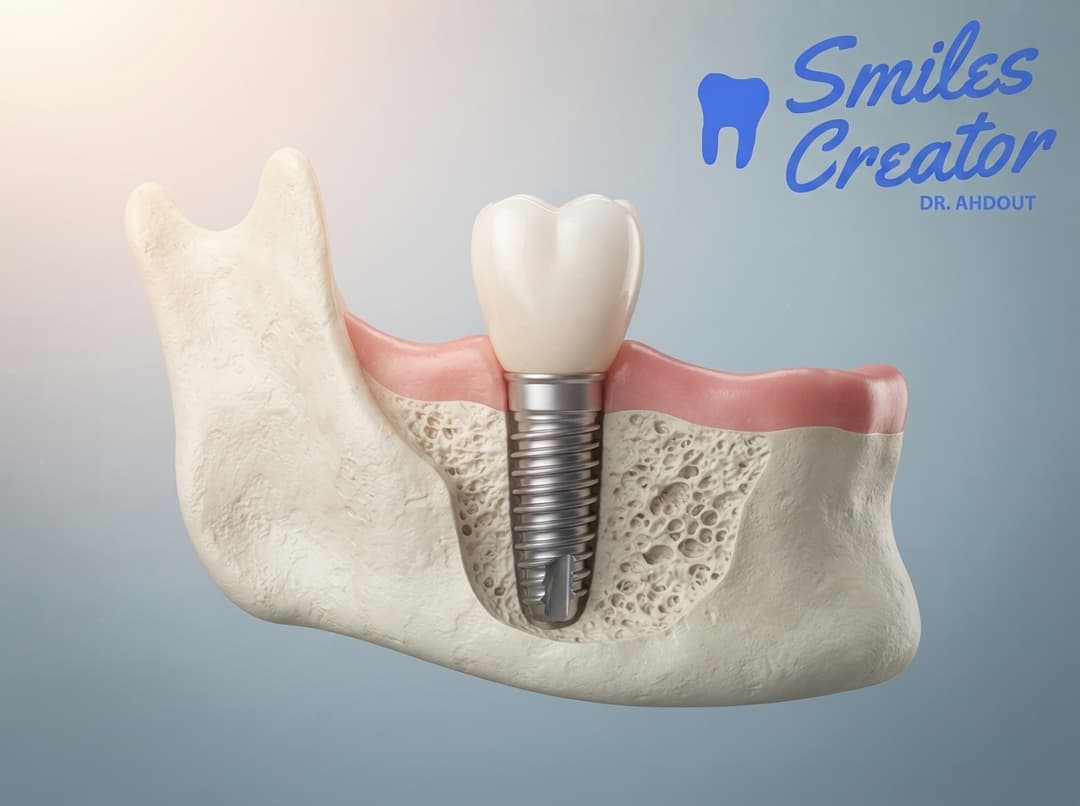
- Unstable Foundation: If a dental implant post is placed into thin, depleted bone, it lacks the necessary support to withstand daily chewing forces, significantly increasing the risk of implant failure.
What Is a Dental Bone Graft and How Does It Work?
A dental bone graft is a specialized procedure designed to rebuild lost bone tissue in areas where a tooth has been missing.
During the procedure, microscopic bone graft material is placed directly into the area where bone volume is lacking. Rather than replacing your natural bone permanently, this graft material acts as a biological scaffold. Over a period of a few months, your body naturally uses this scaffold to deposit new, living bone cells while safely reabsorbing the graft material.
BONE GRAFTING PROCESS
Missing Tooth Area
↓
[ Place Scaffold Material ]
↓
[ Body Deposits Living Bone ]
↓
[ Solid Foundation Built ]
↓
[ Successful Implant Placement ]
Types of Bone Graft Materials
Modern dentistry uses safe, thoroughly tested graft materials to rebuild your foundation:
- Autografts: Bone taken from another safe area of your own body (such as a neighboring jaw area).
- Allografts: Safely processed human donor bone from certified tissue banks.
- Xenografts: Processed bone material sourced from animals (typically bovine), which provides a stable, long-lasting scaffold.
- Alloplasts: Synthetic, mineral-based materials (like calcium phosphate) engineered to encourage natural bone growth.
Common Types of Dental Bone Grafting Procedures
Depending on where you need additional support, bone grafting falls into a few standard categories:
1. Socket Preservation (Post-Extraction Graft)
Placed immediately into the empty socket after a tooth is extracted. This simple step prevents the surrounding bone walls from collapsing inward as the extraction site heals, keeping the site ideal for a future implant.
2. Ridge Augmentation
If a tooth has been missing for years and the jawbone ridge has already narrowed or flattened, ridge augmentation expands the height and width of the bone to create ample space for an implant post.
3. Sinus Lift (Upper Arch Preservation)
The sinus cavities sit right above your upper back teeth (molars). When those teeth are lost, the floor of the sinus can drop lower into the jaw area. A sinus lift gently lifts the sinus membrane back up and places bone graft material beneath it, ensuring your upper implants have plenty of anchor depth without interfering with your sinuses.
Why Modern Bone Grafting Is Comfortable and Safe
If you are worried about pain, you will be relieved to know that bone grafting is often easier to recover from than a standard tooth extraction.
- Performed Under Local Anesthesia or Sedation: The area is completely numbed prior to the procedure. With options like oral or IV sedation, you will feel entirely relaxed and comfortable throughout the process.
- Minimally Invasive Techniques: Advanced micro-surgical tools allow your clinical team to place graft material through tiny incisions without disrupting surrounding tissues.
- Smooth, Predictable Recovery: Most patients experience only mild swelling or tenderness for a day or two, which is easily managed with standard over-the-counter pain relievers.
Simple Answers to Common Questions
How long do I have to wait for a bone graft to heal before getting an implant?
Healing times vary depending on the amount of bone rebuilt. Socket preservation grafts typically heal within 3 to 4 months, while larger ridge or sinus augmentations may require 4 to 6 months to create dense, living bone capable of supporting an implant post.
Can a bone graft be placed at the same time as the dental implant?
Yes! If you only have minor bone loss, your practitioner can often place the bone graft material around the implant post during the exact same appointment, saving you an extra visit.
What happens if I skip the bone graft?
Attempting to place a dental implant into inadequate bone can cause the titanium post to show through the gums, loosen over time, or fail entirely under normal chewing pressure. Rebuilding the bone first guarantees a stable, long-lasting result.
Build a Lasting Foundation with Smiles Creator – Dr. Nader Ahdout
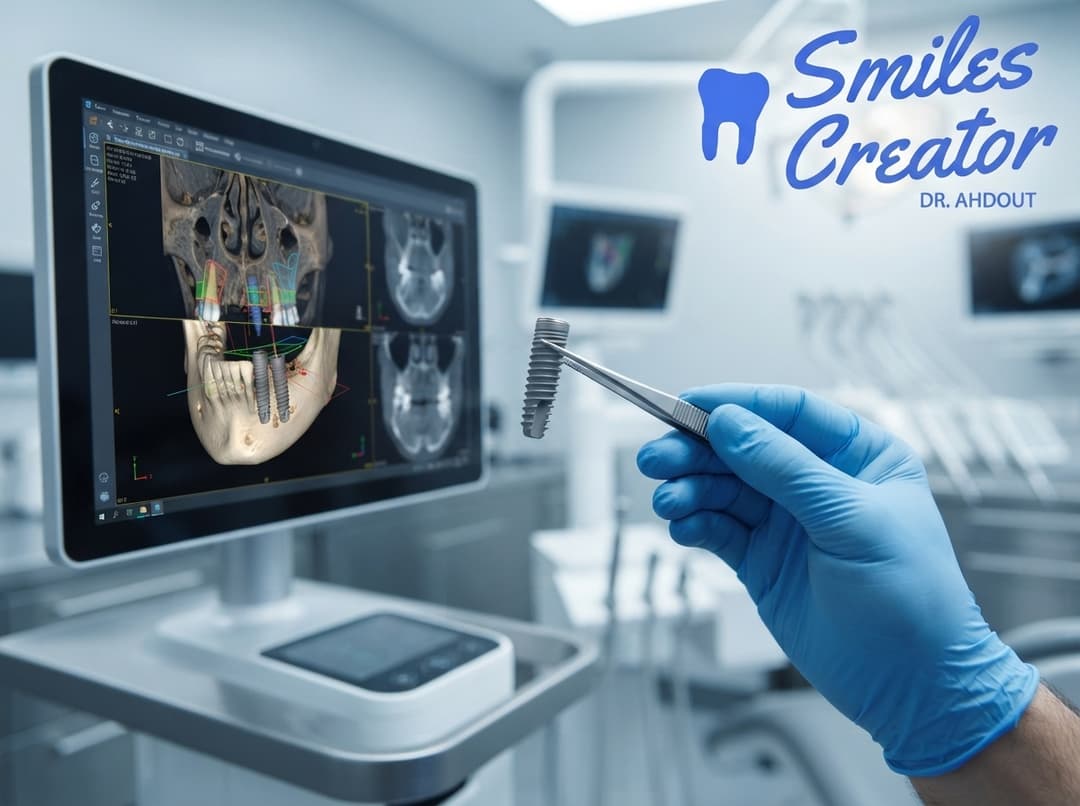
You don't have to let bone loss stand between you and a strong, beautiful, fully restored smile. At Smiles Creator, Dr. Nader Ahdout utilizes advanced 3D CBCT digital imaging to assess your exact jawbone density with millimeter precision.
By evaluating your bone structure before treatment begins, Dr. Ahdout designs gentle, highly predictable bone grafting protocols that ensure your dental implants sit in a rock-solid foundation. Whether you need a quick socket preservation after an extraction or a full ridge augmentation, our Woodland Hills team delivers comfortable, compassionate care every step of the way.
Take the first step toward a permanent, confident smile today!
Contact Our Practice Today:
- Practice Name: Smiles Creator – Dr. Nader Ahdout
- Address: 22116 Ventura Blvd, Woodland Hills, CA 91364
- Phone Number: (818) 340-3062
- Website: dr-ahdout.com
NA
Published by Dr. Nader Ahdout, DDS. This article is for general information and is not a substitute for a personal examination and diagnosis.

Trusted Dentist in Woodland Hills for Comprehensive Dental Care
Schedule your free consultation with Dr. Ahdout and experience high-quality cosmetic and family dentistry tailored to your smile needs.