Emergency Care· 5 min read
Issues Treated by Emergency Dentists in Woodland Hills California
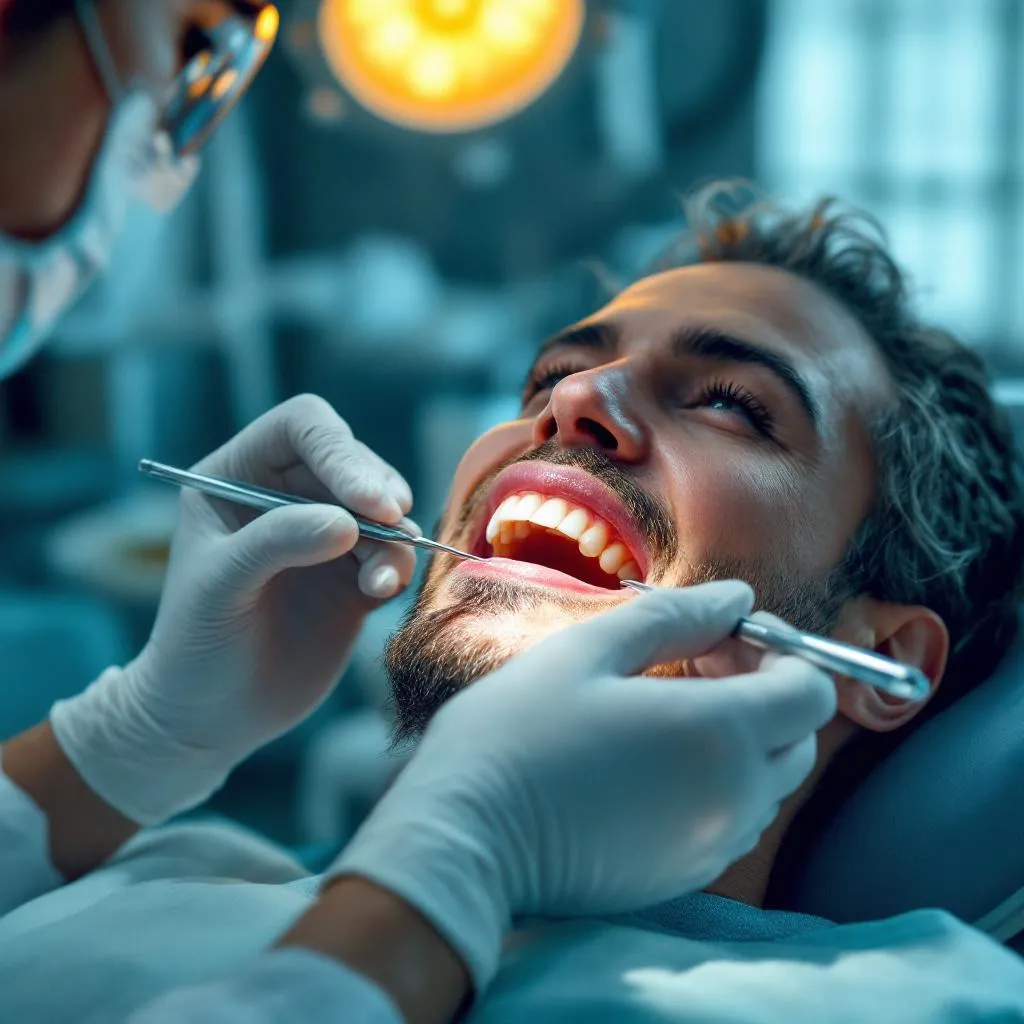
When a dental emergency disrupts your day, it’s natural to feel anxious and unsure where to turn. As the best Dentist Expert in Woodland Hills, CA, I want to reassure you that prompt, calm care can make all the difference. Whether the problem is sudden pain, a knocked-out tooth, or swelling that develops overnight, an experienced Dentist can stabilize your situation and set you on the path to recovery.
Understanding dental emergencies and when to act
Dental emergencies come in many forms, and recognizing urgency is the first step toward protecting your oral health. Severe, persistent pain, uncontrolled bleeding, significant swelling, visible fractures, or a tooth that has been completely displaced are clear signals to seek immediate attention. Even symptoms that seem minor at first, such as persistent sensitivity after trauma or a filling that falls out, can evolve into more serious issues if left untreated. In my practice I emphasize that timely evaluation often prevents more invasive procedures later.
Toothaches, infections, and abscess management
A throbbing toothache is one of the most common reasons patients call for emergency care. Pain often indicates that the nerve inside the tooth is irritated or infected, and infections can rapidly spread to surrounding tissue if not addressed. Initial care focuses on controlling pain and infection: clinical exam, diagnostic X-rays, and targeted treatment such as drainage, antibiotics when indicated, or a root canal when the tooth can be saved. My approach is to relieve discomfort immediately while planning a durable repair that restores function and prevents recurrence.
Trauma: knocked-out and fractured teeth
Traumatic injuries demand swift, informed action. A knocked-out permanent tooth has the best chance of being saved if it is replanted or preserved properly within minutes to an hour. If replantation isn’t possible right away, storing the tooth in milk or a specialized preservation medium and seeing a clinician as quickly as possible improves outcomes. Fractured teeth can range from a small chip to a severe break that exposes the nerve; the treatment varies accordingly, from smoothing and bonding to more extensive restorative work. During these moments, an experienced emergency provider can make decisions that preserve appearance, comfort, and the long-term prognosis of the tooth.
Lost restorations and sudden sensitivity
When a filling or crown comes loose or falls out, the exposed tooth may be sensitive to temperature, pressure, or sweet foods, and the gap can trap debris leading to infection. Temporary measures at home can reduce discomfort, but a same-day evaluation is ideal to assess the integrity of the remaining structure and determine whether the original restoration can be repaired or must be replaced. Addressing these situations promptly often prevents more complex restorative or endodontic treatments later on. If you need guidance, a trusted Dentist can provide immediate direction and care.
Soft tissue injuries and oral bleeding
Lips, cheeks, and tongue are vulnerable in falls or sports injuries, and soft tissue wounds can bleed heavily even when the underlying teeth are intact. Most superficial injuries respond to simple cleansing and pressure, but deeper lacerations or wounds that won’t stop bleeding require professional attention and possibly sutures. In the clinic we assess for damage to teeth and jaw alignment as well, since unseen trauma can affect function and healing.
Swelling, fever, and spreading infection
Facial swelling accompanied by fever or difficulty breathing or swallowing is a serious sign that infection may be spreading beyond the tooth and into facial spaces. These cases warrant urgent evaluation and often systemic treatment to prevent complications. My priority is to control the infection, relieve airway concerns, and coordinate any necessary medical or surgical interventions swiftly.
What to expect during an emergency visit
An emergency appointment centers on rapid assessment, pain relief, and a clear plan. We begin with a focused history and examination, take necessary imaging, and discuss options tailored to your needs — whether that means immediate stabilization, medication, or scheduling a definitive procedure. Communication is essential; I explain what we find, why it matters, and the steps needed to restore comfort and function. For many patients, knowing the plan reduces anxiety and supports better healing.
Dentist FAQs
Q: What should I do if my tooth is knocked out? A: Rinse it gently without scrubbing, try to reinsert if possible, or store in milk and seek immediate professional help.
Q: Are antibiotics always necessary for dental infections? A: Not always. Antibiotics are used when there are signs of systemic spread or when drainage is not immediately possible; targeted local treatment is often the primary approach.
Q: How soon should I see someone for severe tooth pain? A: Severe pain should be evaluated the same day if possible; delaying care increases the risk of complications.
Q: Can a cracked tooth be fixed? A: Many cracked teeth can be stabilized and restored, but the best approach depends on the crack’s location and depth; prompt assessment helps preserve the tooth.
When you need immediate, experienced care
If you or a loved one experiences a dental emergency in Woodland Hills, CA, don’t wait. Contact our office for prompt evaluation and compassionate treatment. As your local Dentist I combine urgent relief with long-term planning so your dental health is protected and restored. When every minute counts, reach out — we will prioritize your comfort and recovery with expertise and care. Dentist
Dr. Ahdout
22116 Ventura Blvd, Woodland Hills, CA 91364, United States
Phone: Find us on Google Maps
NA
Published by Dr. Nader Ahdout, DDS. This article is for general information and is not a substitute for a personal examination and diagnosis.

Trusted Dentist in Woodland Hills for Comprehensive Dental Care
Schedule your free consultation with Dr. Ahdout and experience high-quality cosmetic and family dentistry tailored to your smile needs.