Emergency Care· 5 min read
Meeting Emergency Dentist Needs in Woodland Hills California
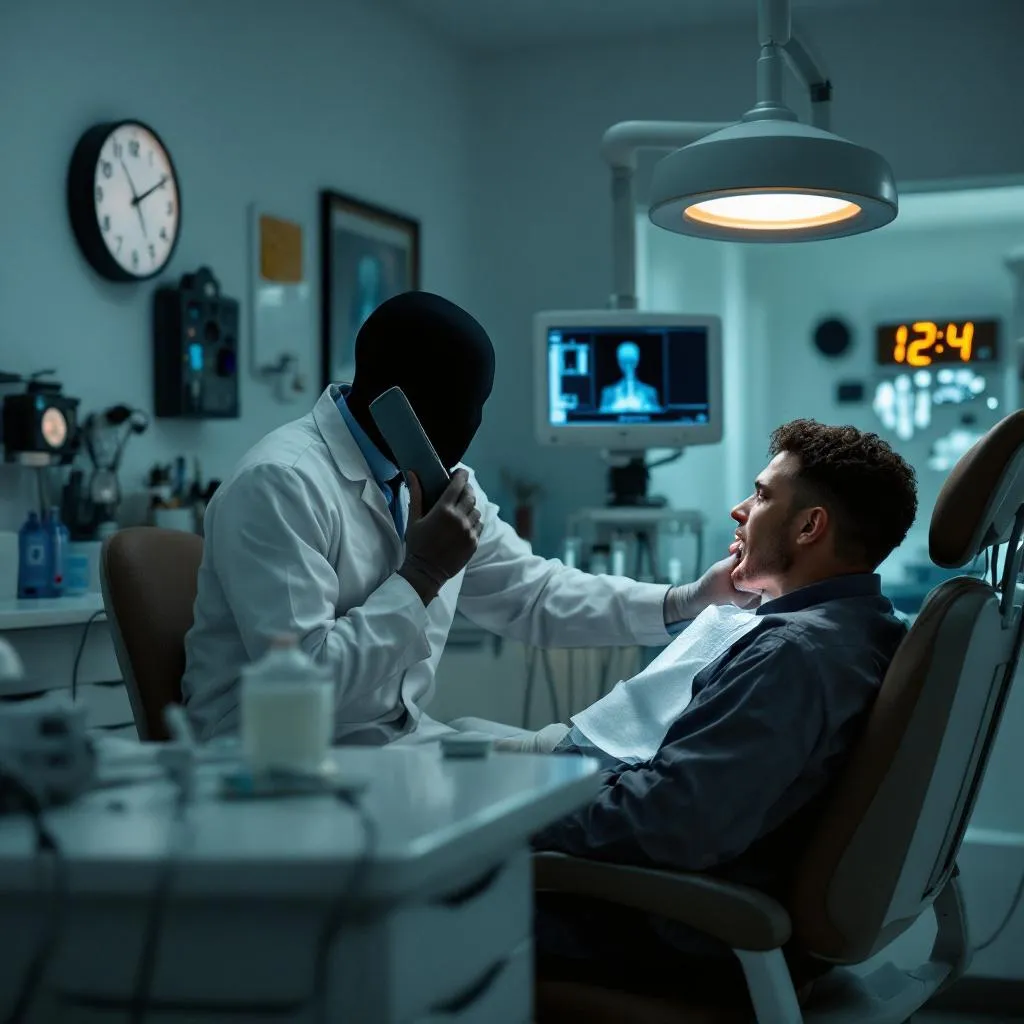
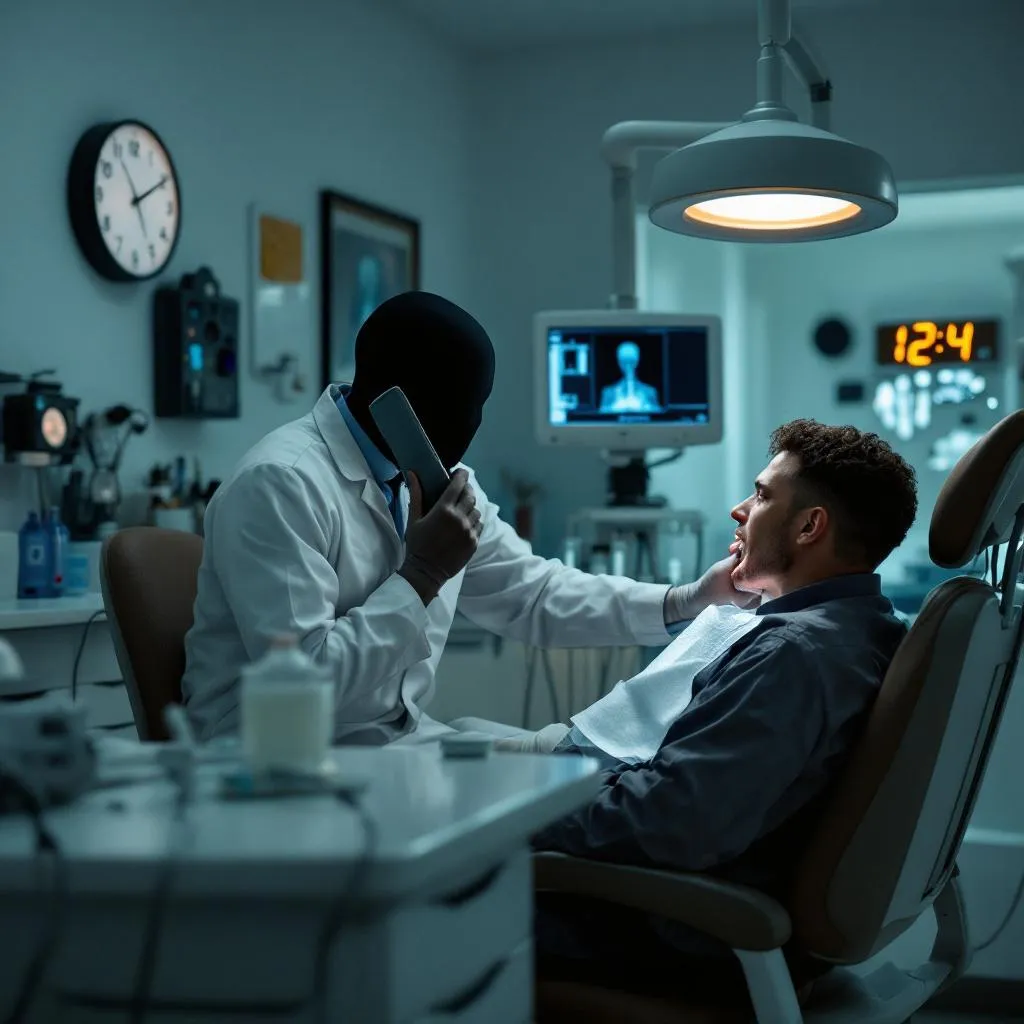
As an Emergency Dentist in Woodland Hills, CA, I know the moment a dental crisis hits it can be disorienting and painful. When that toothache worsens in the middle of the night or a sports injury leaves a broken tooth, people want clear guidance and fast care. I’ve spent years helping neighbors navigate those tense hours, calming fears and stabilizing dental health, and I want to share practical, reassuring steps to get through an emergency safely. If you need immediate attention, contacting an Emergency Dentist is the first step toward preserving your smile and easing pain.
Why quick response matters
Dental emergencies are a race against time in many cases. An avulsed (knocked-out) tooth, severe infection, or uncontrolled bleeding can have consequences that extend far beyond the initial pain. A prompt visit allows us to assess damage, reduce infection risk, and often save teeth that might otherwise be lost. In Woodland Hills, access to timely care means fewer complications and a higher chance of returning to normal function quickly. As a clinician, I emphasize early intervention because it often changes both outcome and recovery time.
Common emergencies and what to do first
Knowing basic first aid for dental trauma can make a significant difference. For a knocked-out tooth, handle only the crown, rinse gently, and try to keep it moist—ideally by placing it back in the socket or preserving it in milk. For intense pain, a cold compress, over-the-counter pain relief, and avoiding chewing on the affected side can provide temporary relief until we see you. If there’s swelling or systemic symptoms, such as fever, these can be signs of spreading infection and require immediate attention. The goal is to stabilize and to reduce harm while arranging professional care.
Emergency Dentist: How we respond in Woodland Hills
When you call our clinic, the team prioritizes triage to determine the urgency and the most effective course of action. We assess vital signs, take a focused history, and examine the area to identify fractures, soft tissue injuries, or signs of infection. Our treatment plan balances immediate pain control with longer-term restoration. Sometimes that means temporary stabilization followed by definitive care; other times we can repair a tooth in one visit. Clear communication and gentle technique are central to how we work with each patient.
What to expect during your visit
On arrival, you’ll be guided through a calm, efficient process. We aim for rapid assessment and then move into necessary procedures—this may include x-rays, cleaning, suturing soft tissue, splinting a loose tooth, or prescribing antibiotics when infection is apparent. Our priority is minimizing pain and preventing further damage. We’ll explain options and next steps, and you’ll leave with a plan for follow-up care. The experience should feel controlled and hopeful rather than frightening.
Aftercare and prevention
After an urgent visit, good at-home care accelerates healing. Follow instructions for oral hygiene, take prescribed medications, and avoid strenuous activity that might disrupt repairs. We also discuss protective measures tailored to your lifestyle—mouthguards for athletes, safe practices for children, or routine maintenance for patients prone to dental issues. Many emergencies are avoidable with simple prevention, and education is a key part of recovery and future protection.
Finding help in the middle of the night
Emergencies don’t keep business hours, and neither should peace of mind. Woodland Hills families tell me they value knowing where to turn after hours and that having a reliable plan reduces panic. If you’re unsure whether a situation requires immediate care, err on the side of caution and call a local provider so you can receive professional guidance. We often provide specific instructions over the phone that make a meaningful difference before you reach the office. If you’re searching for trustworthy, experienced care, an Emergency Dentist in the community can be your first point of contact and reassurance.
Emergency Dentist — Frequently Asked Questions
Q: How do I know if my toothache is an emergency?
A: If the pain is severe, persistent, causes swelling, or is accompanied by fever, it’s best treated as an emergency. If over-the-counter remedies fail to provide relief after several hours, seek prompt evaluation to rule out infection or abscess that can escalate quickly.
Q: Can a dentist fix a broken tooth immediately?
A: Depending on the extent of the break, many fractures can be repaired the same day with bonding, crowns, or temporary stabilization followed by a definitive restoration. Early assessment increases the chances of preserving tooth structure.
Q: Is a knocked-out tooth always unsalvageable?
A: Not always. If the tooth is handled properly and replaced quickly, the chance of saving it is much higher. Keep the tooth moist and seek immediate dental care—time is a critical factor.
Q: What if I have swelling and trouble breathing?
A: Swelling that affects breathing or swallowing is a medical emergency. Call emergency services immediately and get to the nearest emergency room—this may be beyond the scope of routine dental care and require urgent medical attention.
When you face a dental emergency, you want clear answers, rapid care, and someone who understands the unique needs of Woodland Hills residents. My team is committed to delivering calm, expert support when you need it most. If you need prompt evaluation or guidance, contact an Emergency Dentist today; we are ready to help you preserve health and comfort with skill and compassion.
Dr. Ahdout
22116 Ventura Blvd, Woodland Hills, CA 91364, United States
Phone: Find us on Google Maps
NA
Published by Dr. Nader Ahdout, DDS. This article is for general information and is not a substitute for a personal examination and diagnosis.


Trusted Dentist in Woodland Hills for Comprehensive Dental Care
Schedule your free consultation with Dr. Ahdout and experience high-quality cosmetic and family dentistry tailored to your smile needs.