
Emergency Care· 6 min read
Emergency Dental Pain vs. Routine Discomfort: When Should You See a Dentist in Woodland Hills?
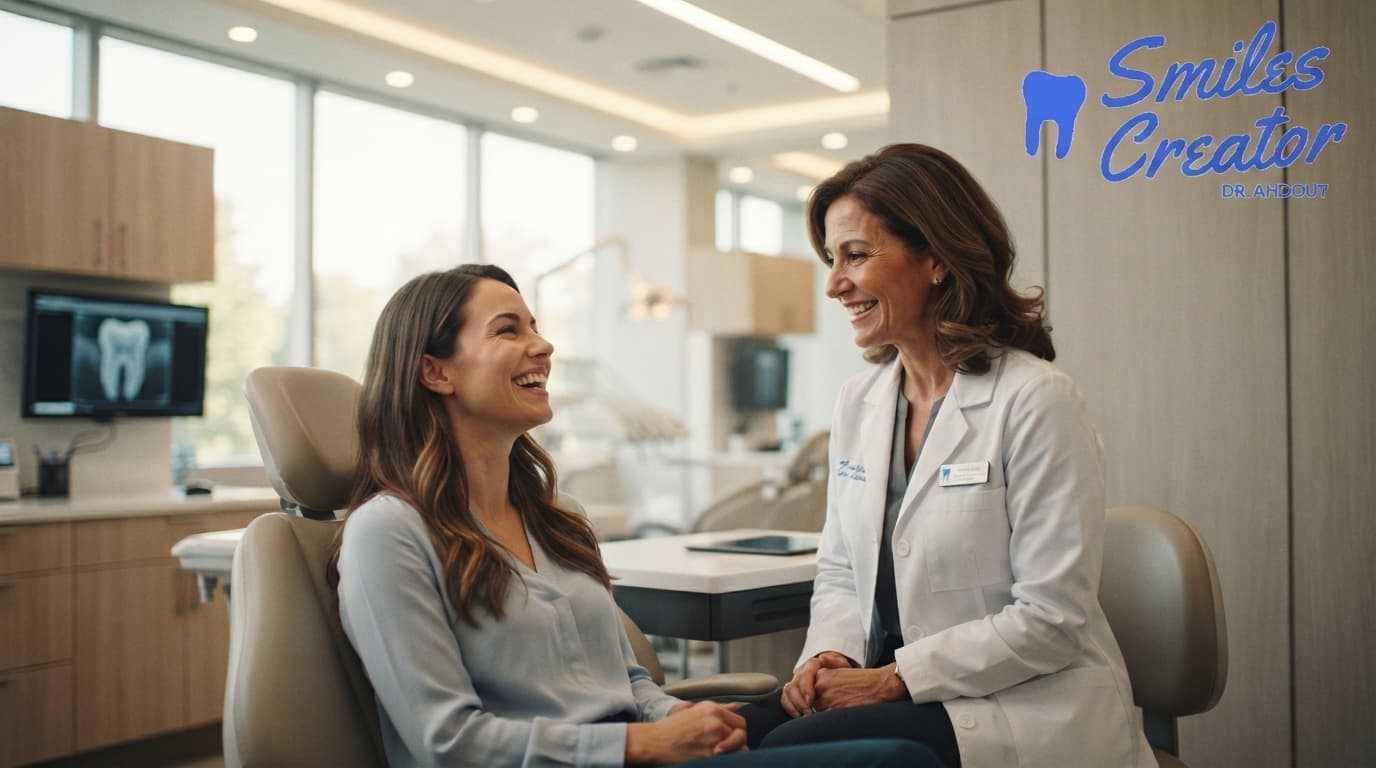
Finding a trusted dentist who can evaluate sudden oral discomfort is the single most effective way to protect your long-term smile and avoid costly, complex procedures down the road.
Tooth discomfort comes in many forms. Sometimes it is a momentary twinge while drinking an iced coffee, and other times it is a sharp, throbbing ache that keeps you awake at 2:00 AM. Because dental issues rarely resolve on their own, learning how to distinguish between routine tooth sensitivity and a true clinical emergency is vital for every household in the San Fernando Valley.
This guide explores the underlying causes of tooth pain, breaks down warning signs that demand immediate attention, and explains how early intervention from an experienced local professional can preserve your natural tooth structure.
Understanding Dental Discomfort: Why Teeth Hurt
To understand why a tooth aches, it helps to look at its underlying anatomy. Your teeth are not solid bone; they are complex living structures with distinct layers:
- Enamel: The hard, protective outer shell that shields your teeth from daily wear, temperature changes, and bacteria.
- Dentin: The porous layer beneath the enamel containing microscopic tubules that lead directly to the tooth's nerve centers.
- Pulp: The innermost chamber housing sensitive nerves, blood vessels, and connective tissue.
When enamel wears down or fractures, external stimuli—such as hot soups, cold beverages, or sugary treats—reach the dentin tubules. This triggers signals to the nerve center, resulting in brief sensitivity. However, when bacteria breach the dentin and reach the pulp, severe inflammation (pulpitis) occurs. Because the nerve is enclosed inside a hard outer shell, swelling creates intense internal pressure, leading to persistent, throbbing pain.
Category 1: Routine Dental Discomfort (Non-Emergency)
Not all tooth pain requires an immediate after-hours visit to the office. Many mild or intermittent sensations point to minor issues that can be evaluated during normal business hours.
1. Transient Hot or Cold Sensitivity
If you experience a brief, sharp sensation when consuming hot tea or ice water that disappears within a few seconds, you are likely dealing with mild dentin exposure. Common causes include:
- Using a hard-bristled toothbrush or scrubbing too vigorously.
- Minor gum recession that exposes the tooth roots.
- Early-stage enamel erosion caused by acidic foods or beverages.
2. Mild Pain When Chewing Food
Discomfort that occurs only when biting down on firm food often indicates a minor crack in an old filling, a small cavity between teeth, or early food impaction along the gumline. While this requires a professional exam to prevent the decay from deepening, it is generally safe to schedule an appointment within a few days.
3. Dull, Generalized Jaw Stiffness
Waking up with a dull ache across your upper or lower jaw usually points to nocturnal bruxism (nighttime teeth grinding) or temporomandibular joint (TMJ) strain rather than an active tooth infection. Custom nightguards and stress-management techniques are highly effective in relieving this type of pressure.
Category 2: Severe Signs Requiring Immediate Care
Certain symptoms signal that an infection or structural fracture has advanced into a critical stage. Delaying treatment during a true emergency can allow bacteria to spread into surrounding bone tissue or bloodstream.
DENTAL PAIN MATRIX
SYMPTOM LEVEL
Brief sensitivity (< 5 seconds)
Dull jaw soreness upon waking
Sharp pain lasting > 30 seconds
Throbbing pain, fever, swelling
RECOMMENDED ACTION
Schedule a routine exam with your dentist
Mention at your next cleaning / get evaluated
Call for a prompt appointment this week
URGENT: Seek immediate dental care
1. Persistent, Throbbing Pain That Keeps You Awake
A continuous ache that radiates into your jaw, ear, or neck is the classic sign of an infected tooth pulp or an abscess. Over-the-counter pain relievers may temporarily dull the sensation, but they do not eliminate the bacterial infection brewing inside the root canals.
2. Visible Swelling in the Face, Cheek, or Gums
Localized swelling along the gumline—especially if accompanied by a small pimple-like bump (fistula)—indicates trapped pus from an infection. Facial swelling that extends toward the eye or lower jaw is a severe medical emergency that requires prompt antibiotic therapy and clinical drainage to prevent systemic complications.
3. Cracked, Chipped, or Completely Knocked-Out Teeth
Accidents, sports injuries, or biting into hard candy can fracture a tooth. If a tooth is completely knocked out (avulsed), time is of the essence. Re-implanting a natural tooth is most successful when performed within 30 to 60 minutes of the injury.
How Modern Treatment Stops Pain at the Source
Many individuals delay visiting their practitioner out of fear that emergency procedures will be painful. In reality, modern restorative dentistry is specifically designed to eliminate pain safely and comfortably.
Precision Digital Imaging
State-of-the-art 3D cone-beam computed tomography (CBCT) and low-radiation digital X-rays allow clinicians to pinpoint the precise location of deep cavities, micro-fractures, and root infections beneath the gumline without invasive probing.
Root Canal Therapy vs. Extraction
When an infection reaches the pulp, a root canal allows you to preserve your natural tooth. The procedure involves removing the damaged nerve tissue, thoroughly disinfecting the internal chamber, and sealing the space with a biocompatible material. For teeth that are fractured beyond repair, a gentle extraction followed by a permanent dental implant restores both full functionality and aesthetics.
Frequently Asked Questions (Q&A)
Q1: Can a toothache resolve on its own without professional treatment?
No. While pain may temporarily subside if the nerve inside the tooth dies, the underlying bacterial infection remains active inside the root structure and will continue to destroy surrounding jawbone tissue until treated by a professional.
Q2: What should I do if my tooth gets knocked out during an accident?
Pick up the tooth by the upper crown (never touch the delicate root), gently rinse it with water if dirty, and try to reinsert it into the socket. If that is not possible, place the tooth in a glass of milk or saline solution and go immediately to your nearest dental clinic.
Q3: Why does my tooth hurt more when I lie down at night?
Lying flat increases blood pressure to your head and face. If you have an inflamed tooth nerve or active infection, this increased blood flow intensifies pressure inside the pulp chamber, causing throbbing pain to feel much worse at night.
Q4: Are digital X-rays safe during an emergency evaluation?
Yes. Modern digital X-rays emit extremely low levels of radiation—up to 80-90% less than traditional film X-rays. They provide vital imaging necessary to diagnose hidden infections quickly and safely.
Why Choose Smiles Creator – Dr. Nader Ahdout for Your Care?
When oral discomfort strikes, you need a compassionate, highly skilled dentist who listens to your concerns and prioritizes your immediate relief. At Smiles Creator, Dr. Nader Ahdout brings decades of clinical expertise, artistic precision, and gentle care to patients across Woodland Hills and surrounding San Fernando Valley communities.
Whether you require immediate relief from a throbbing toothache, advanced root canal therapy, or a long-term smile restoration, our modern office is equipped with cutting-edge technology to make every visit stress-free, transparent, and completely comfortable. We take time to explain your treatment options clearly—never pushing unnecessary procedures—so you can make confident decisions about your health.
Don't let tooth pain compromise your quality of life or peace of mind.
Contact Our Woodland Hills Office Today:
- Brand Name: Smiles Creator – Dr. Nader Ahdout
- Address: 22116 Ventura Blvd, Woodland Hills, CA 91364
- Phone Number: (818) 340-3062
- Website: dr-ahdout.com
NA
Published by Dr. Nader Ahdout, DDS. This article is for general information and is not a substitute for a personal examination and diagnosis.
Trusted Dentist in Woodland Hills for Comprehensive Dental Care
Schedule your free consultation with Dr. Ahdout and experience high-quality cosmetic and family dentistry tailored to your smile needs.