

General Dentistry· 5 min read
Dentist Tips for Maintaining Oral Health in Woodland Hills California
As a local clinician committed to helping neighbors keep their smiles strong, I want to share the practical, everyday guidance that makes a measurable difference. When I say the word Dentist, I mean not just a clinical visit but a partner in long-term oral health. In Woodland Hills, our lifestyle, diet, and local climate influence how we care for our teeth. This guide will walk you through habits, clinic best practices, and real-world tips to prevent decay, manage gum health, and maintain a confident smile year-round.
Dentist-Recommended Daily Habits
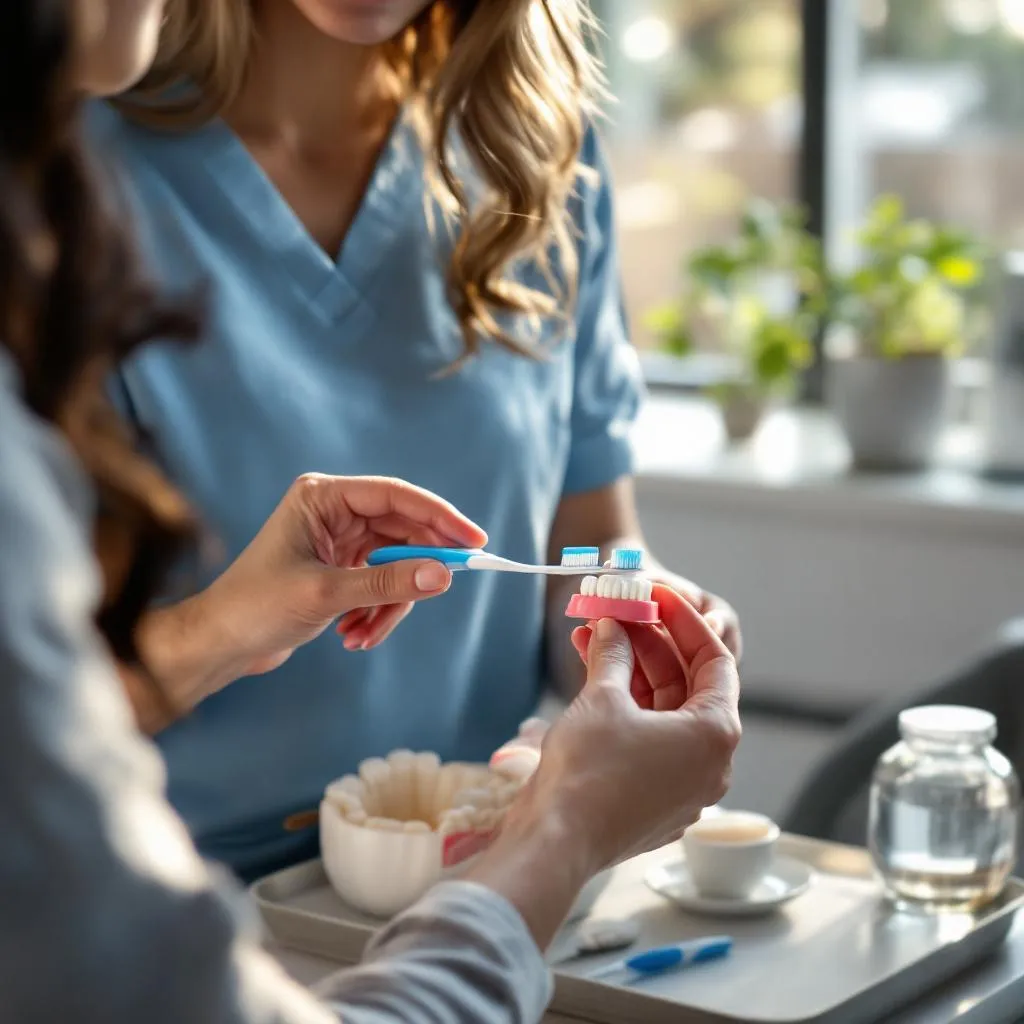
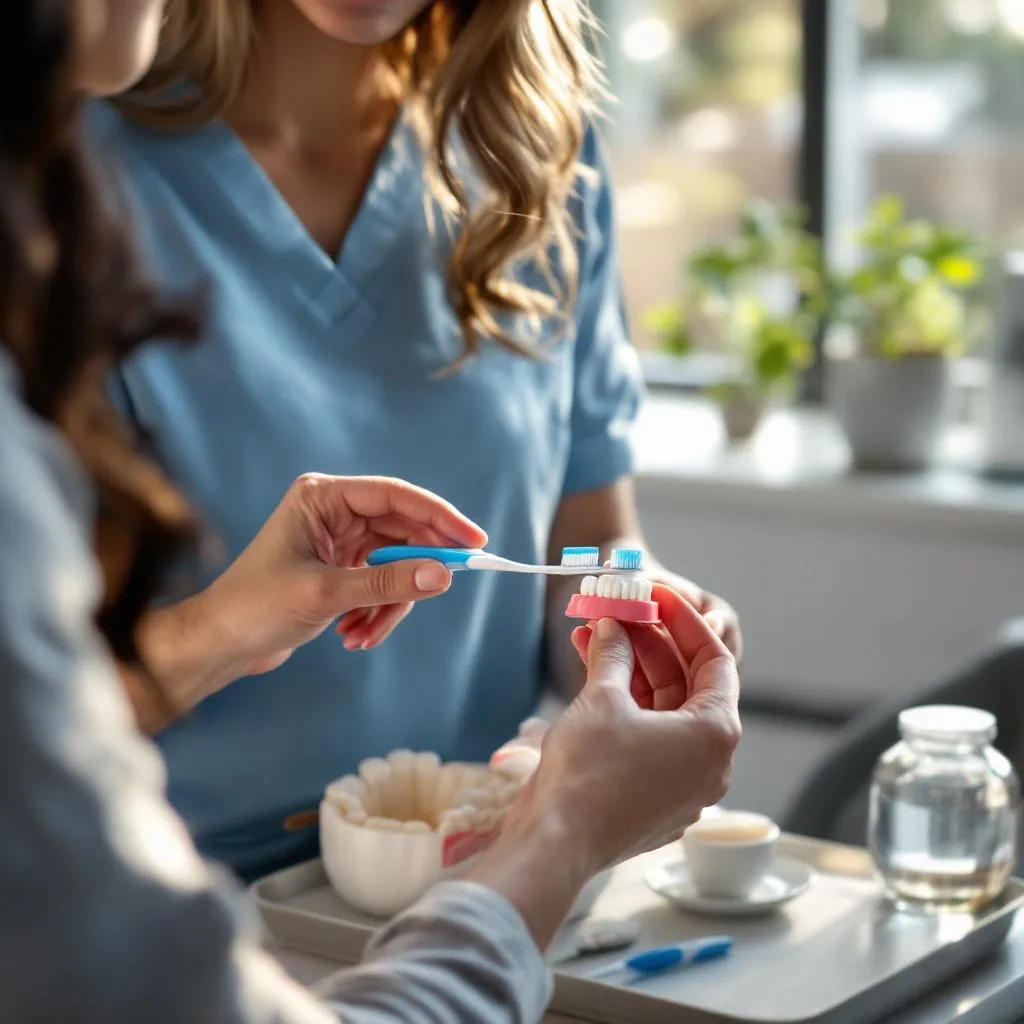
Good oral health starts with simple, consistent routines. Brush twice a day using a soft-bristled brush and fluoride toothpaste, and take your time—gentle, thorough strokes along the gumline remove plaque without damaging enamel. Flossing nightly reaches the places a toothbrush cannot and reduces the risk of gum inflammation. Consider using an antimicrobial mouth rinse if you have persistent gingival tenderness; discuss options with your hygienist. Small daily actions compound, and the right habits reduce the need for restorative procedures later.
Nutrition, Hydration, and Local Considerations
Your diet plays a major role in oral health. Foods high in sugar or frequent snacking expose teeth to repeated acid attacks, so try to limit sugary beverages and choose snacks that support saliva production, like cheese or crunchy vegetables. Woodland Hills’ warm, dry weather can contribute to dehydration and dry mouth, which reduces the mouth’s natural cleansing and increases cavity risk. Drink water throughout the day and consider sugar-free gum to stimulate saliva after meals. If you notice persistent dry mouth, bring it up at your next appointment so we can explore causes and solutions together.
When to Visit and What to Expect
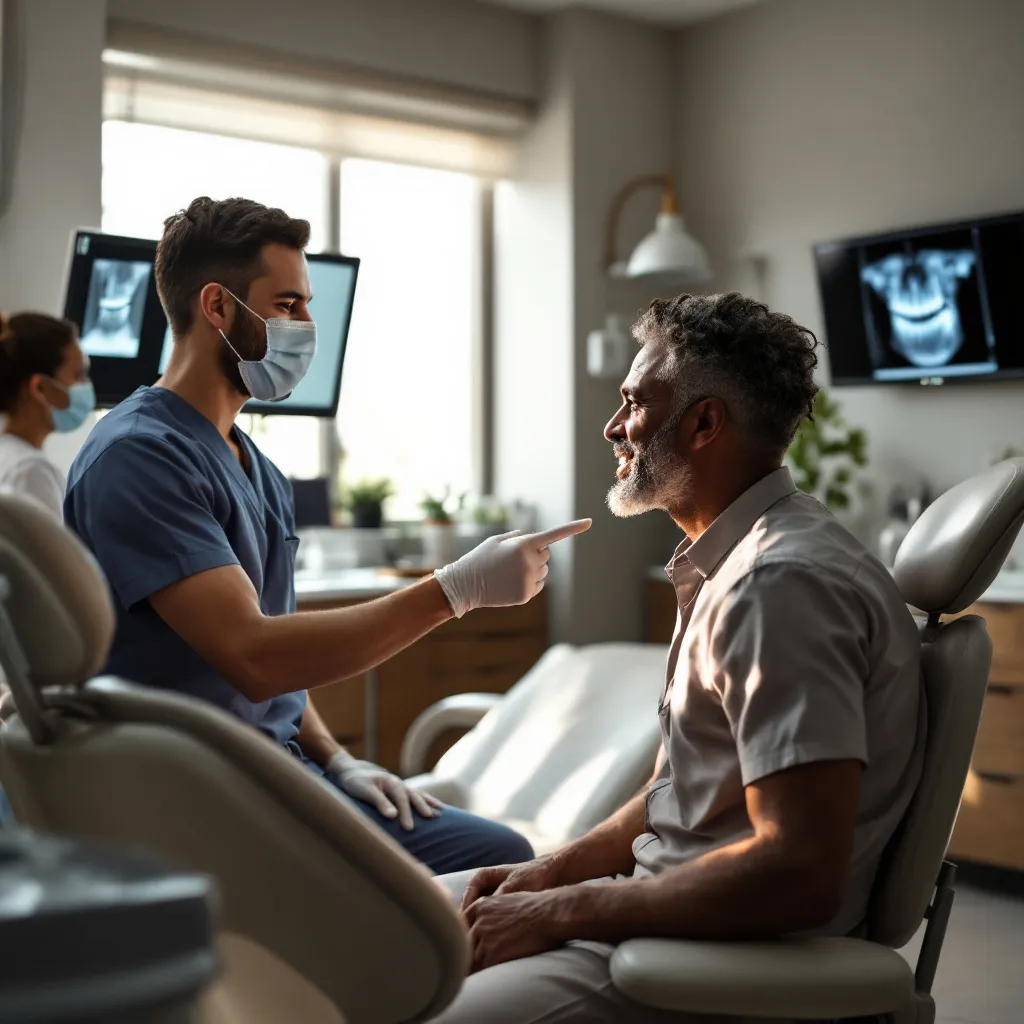
Regular check-ups and cleanings are the backbone of preventive care. Even if you feel fine, professional exams catch early signs of decay, gum disease, or bite issues that are invisible at home. During a typical visit, we evaluate your soft tissues, perform hygienic cleaning, and may take X-rays to view areas between teeth. Treatment recommendations focus on conserving natural tooth structure and preventing progression. If you have anxiety about dental visits, discuss sedation options or gentle approaches with your team prior to treatment; comfort matters as much as technique.
Treating Common Problems Proactively
Common concerns such as sensitivity, minor chips, or gum bleeding benefit from early attention. Sensitivity often signals enamel wear or exposed dentin and can respond well to remineralizing toothpaste or targeted varnish applications. Gum bleeding often reflects inflammation from plaque buildup; a renewed home care routine plus professional cleaning usually resolves it. For restorative needs, modern adhesive techniques allow conservative repairs that preserve healthy tooth structure. When complex issues arise, a coordinated team approach keeps care predictable and focused on long-term function.
For residents seeking a friendly local resource, I encourage you to learn about preventive services and to ask how minimally invasive dentistry can protect your natural smile. If you’re looking for a point of contact in the community, a trusted Dentist can explain options tailored to your lifestyle, whether you need routine maintenance or a personalized treatment plan. The goal is always to balance comfort, aesthetics, and durability with treatments that fit your daily life.
Oral Health Across the Lifespan
Oral care needs change over time. Children benefit from topical fluoride and early habit formation, while adolescents need guidance on orthodontic hygiene if braces are present. Adults should be mindful of habits such as nighttime grinding and the effects of smoking or certain medications on oral tissues. Seniors may face root decay or dry mouth and often require adjustments to home care and professional treatment. Regular communication with your provider ensures care evolves as your needs change.
Frequently Asked Question: How often should I visit?
Most people benefit from professional cleanings and exams every six months, but individual risk factors—such as history of gum disease, high cavity risk, or systemic health conditions—may call for more frequent visits. Your dental team will recommend a personalized schedule based on your oral health profile.
What should I do about sensitivity or persistent discomfort?
Sensitivity that is new or worsening should be evaluated. Often, sensitivity is managed with desensitizing agents, topical treatments, or minor restorative work. If pain is severe or accompanied by swelling, contact your dental office promptly so we can assess the situation and treat any infection or structural problem before it progresses.
Can I prevent gum disease at home?
Yes, many cases of gum disease are preventable with consistent oral hygiene, including proper brushing, daily flossing, and regular professional cleanings. Smoking cessation and managing systemic conditions like diabetes also reduce risk. If you notice bleeding or receding gums, early intervention improves outcomes, so schedule an evaluation to determine the best course of action.
As a final note, your oral health is a team effort between you and your local care providers. If you want guidance tailored to your smile, reach out for a consultation with a trusted Dentist who understands Woodland Hills’ unique needs and can craft a plan that fits your life. Don’t wait for symptoms to become problems—proactive care today protects your smile tomorrow.
Dr. Ahdout
22116 Ventura Blvd, Woodland Hills, CA 91364, United States
Phone: Find us on Google Maps
NA
Published by Dr. Nader Ahdout, DDS. This article is for general information and is not a substitute for a personal examination and diagnosis.

Trusted Dentist in Woodland Hills for Comprehensive Dental Care
Schedule your free consultation with Dr. Ahdout and experience high-quality cosmetic and family dentistry tailored to your smile needs.