
Sedation Dentistry· 5 min read
Sedation Dentistry Care For Anxious Patients In Woodland Hills California
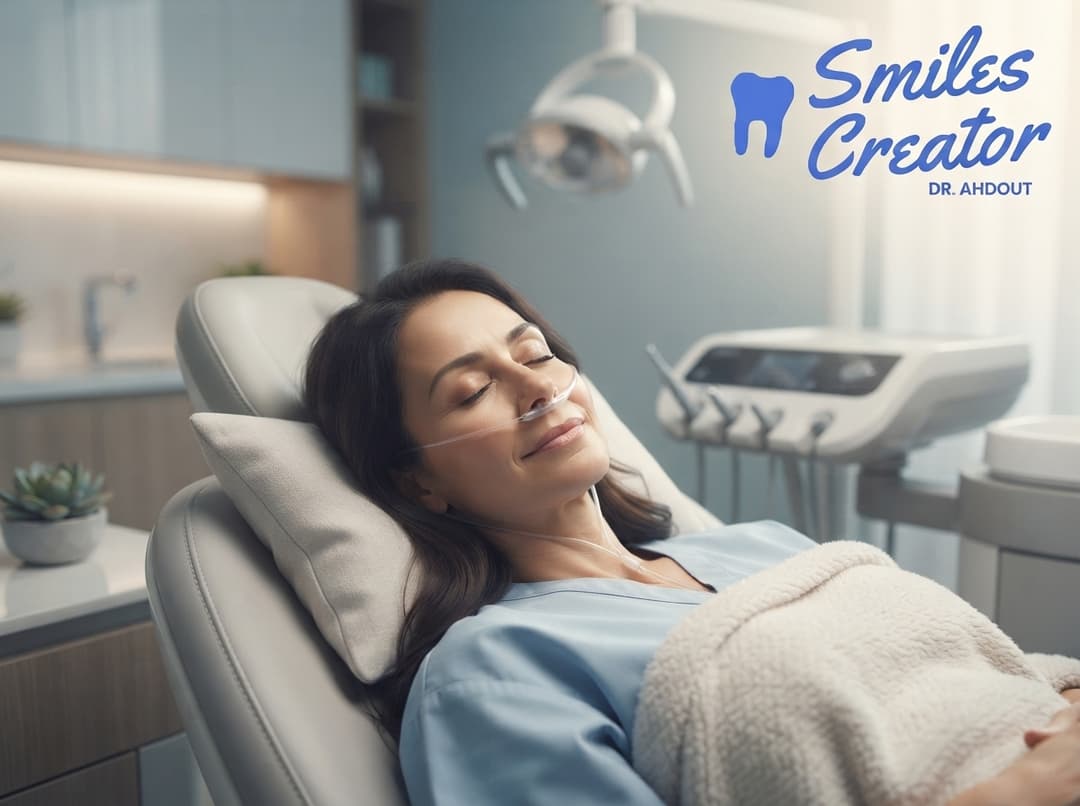
As a dentist who has guided hundreds of nervous patients through comfortable, successful care, I deeply understand how fear can keep someone from essential dental treatment. If you or a loved one struggle with dental anxiety, our practice offers Sedation Dentistry in Woodland Hills, CA designed to restore oral health with compassion and safety. This introduction will help you understand how sedation works, who is a good candidate, and what to expect when you choose gentle, personalized care here in Woodland Hills.
Sedation Dentistry in Woodland Hills, CA: What to Expect
Few things are more important than feeling secure in the dental chair. Sedation dentistry is not a single technique but a spectrum of options that range from mild relaxation to deeper, monitored sedation. In our office, we take time to evaluate medical history, anxiety level, and the complexity of the planned treatment before recommending the appropriate approach. My priority is to ensure you understand each step, from pre-appointment preparation to post-procedure recovery, so there are no surprises and confidence can grow.
How Different Sedation Options Work
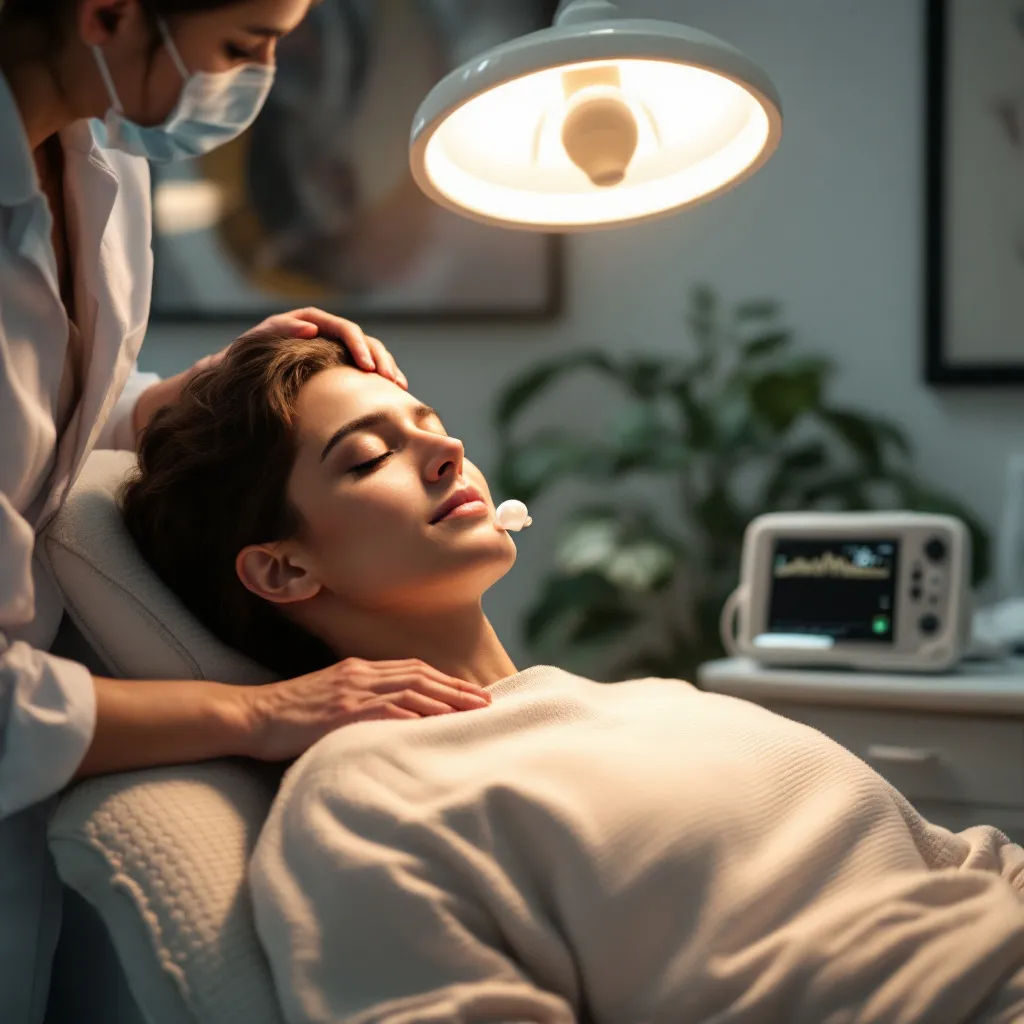
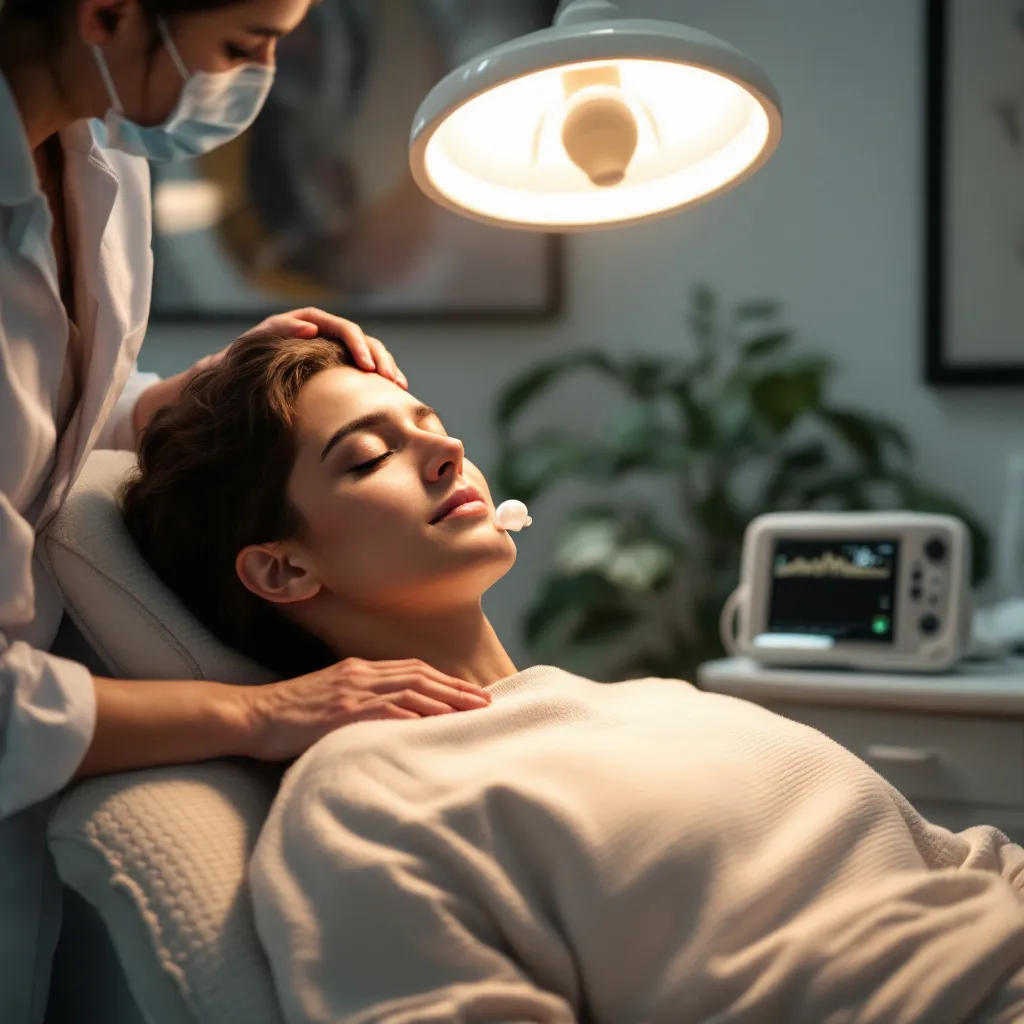
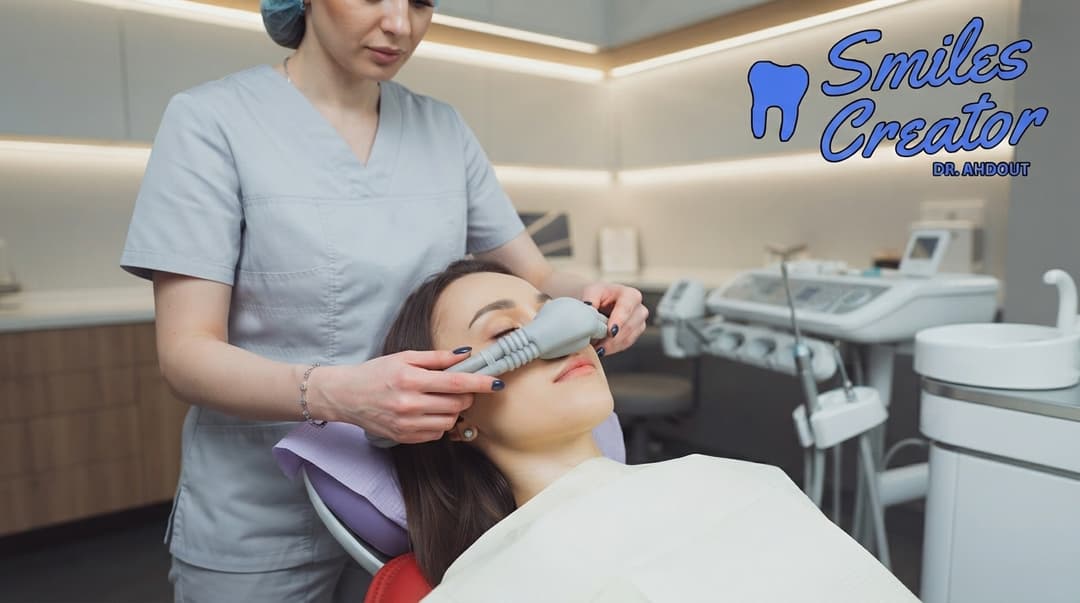
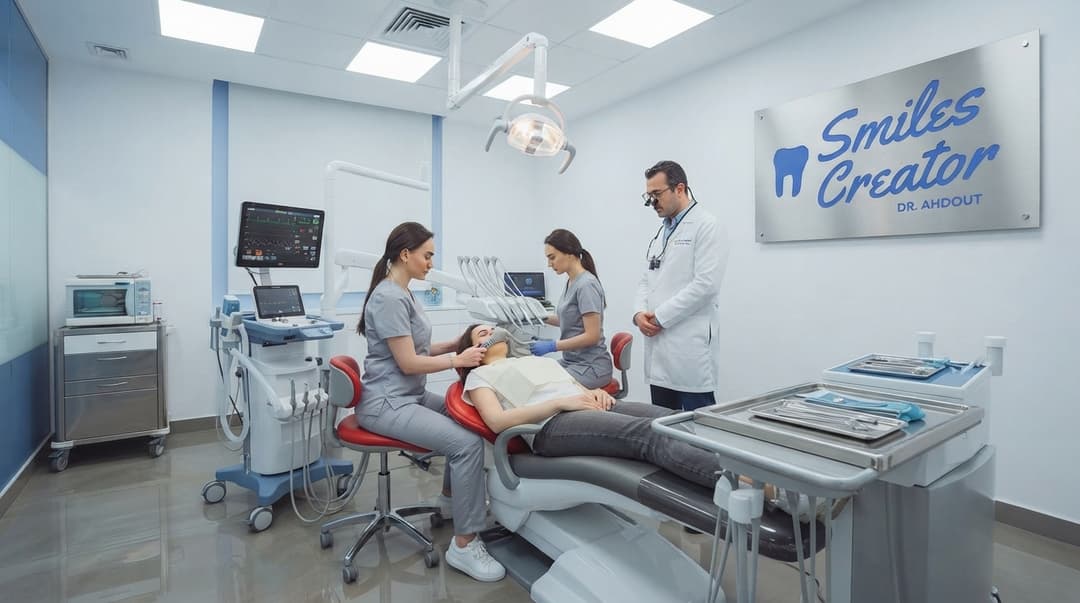
The goal of sedation is to reduce anxiety and discomfort so that care can proceed efficiently and smoothly. Oral sedation often involves a prescribed medication taken before arrival to induce relaxation. Nitrous oxide, commonly known as laughing gas, is administered during treatment for rapid onset and quick recovery. For more extensive procedures or for patients with severe anxiety, intravenous (IV) sedation provides deeper levels of relaxation under continuous monitoring. Throughout any sedated procedure, vital signs are carefully observed and protocols are followed to ensure your safety and comfort.
Safety, Training, and Personalized Care
Safety is the foundation of every sedation plan I create. Our team maintains current training in sedation protocols, emergency response, and airway management. Before we proceed we review medications, allergies, and any medical conditions that could affect sedation choices. Personalized care means tailoring both the level of sedation and the surrounding support: clear instructions for fasting, having a companion for the ride home if needed, and scheduling follow-up to monitor healing and answer questions. This structured approach reduces risk and increases patient confidence.
Who Benefits Most from Sedation Dentistry?
Patients who benefit most include those with a strong gag reflex, a history of dental trauma, difficulty sitting for prolonged periods, or intense dental phobia. Sedation also helps individuals needing extensive restorative work or multiple procedures in a single visit. I often hear from patients who avoided care for years; after experiencing sedation, they express relief not only at the dental outcome but also at reclaiming their overall health. Comfortable dental visits can transform how someone feels about their smiles and their willingness to pursue routine preventive care.
The Patient Experience from Consultation to Recovery
During your consultation we discuss goals, any past experiences, and the realistic expectations of sedation. On the day of treatment we review consent, confirm medications, and ensure support is in place. The sedative effect varies by method, with nitrous oxide wearing off quickly and oral or IV sedation requiring more recovery time. Our team monitors you continuously and provides clear post-op instructions to assure a safe, comfortable recovery. Regular communications after your appointment are part of our commitment to excellent outcomes and long-term dental health.
Many patients ask how sedation affects memory and awareness. Mild sedation often leaves people relaxed but aware, while deeper sedation may lead to partial or complete amnesia for the procedure. This can be a profound relief for those anxious about dental sounds, sensations, or prolonged chair time. If you want to learn more about specific methods and which might suit your needs, we take the time to explain evidence-based options so you can make an informed decision.
Choosing sedation does not mean you are alone in the process; it means you have support. We coordinate scheduling, pre-procedure instructions, and safe transportation plans so your entire experience is seamless. We also emphasize preventive strategies and follow-up so future visits can be less complex and perhaps require less sedation over time.
Common Questions — Q&A
Is sedation dentistry safe for older adults?
Sedation can be safe for older adults when the plan is individualized. We review medical history, current medications, and overall health to select the safest method and dosing. Close monitoring and conservative choices often allow seniors to receive necessary care comfortably.
Will I be able to drive after sedation?
Driving is typically not recommended after oral or IV sedation. Nitrous oxide usually wears off quickly, allowing many patients to drive safely after a short observation period. We always provide specific guidance based on the sedation used and your individual response.
How soon can I eat or drink after sedation?
Guidance varies by modality. If you had nitrous oxide, a light snack is often acceptable shortly after. For oral or IV sedation, we advise waiting until full alertness returns and following any fasting or medication instructions given before the appointment.
Take the Next Step Toward Comfortable Care
If dental anxiety has kept you from the care you need, let us help you move forward with confidence. Contact our office to discuss options and schedule a consultation for Sedation Dentistry in Woodland Hills, CA. We will create a compassionate, safe plan tailored to your needs, so you can achieve the oral health and peace of mind you deserve.
Dr. Ahdout
22116 Ventura Blvd, Woodland Hills, CA 91364, United States
Phone: +1 (818) 340-3062
NA
Published by Dr. Nader Ahdout, DDS. This article is for general information and is not a substitute for a personal examination and diagnosis.
Trusted Dentist in Woodland Hills for Comprehensive Dental Care
Schedule your free consultation with Dr. Ahdout and experience high-quality cosmetic and family dentistry tailored to your smile needs.