Sedation Dentistry· 5 min read
Controlling an Overactive Gag Reflex and Sensitive Jaw: How Dental Sedation Relaxes Your Body's Involuntary Reflexes
For millions of people, going to the dentist isn't stressful because of pain—it's exhausting because of their own body's physical reflexes.
If you have an intense gag reflex, even the simple placement of a small digital X-ray sensor, an intraoral camera, or a polishing cup near the back of your mouth can trigger an immediate, uncontrollable impulse to retch. Combine that with a sensitive jaw joint (TMJ) that aches or locks after keeping your mouth open for more than ten minutes, and a standard dental appointment becomes a physically draining ordeal.
These physical reactions are not "all in your head." They are automatic, involuntary neuromuscular responses. Fortunately, sedation dentistry provides a safe, highly effective way to quiet these reflexes so you can receive thorough, stress-free dental care without fighting your own body.
Why Your Body Fights Back: The Science Behind Gagging and Jaw Fatigue
Understanding why these involuntary reactions happen is the first step toward overcoming them.
The Hypersensitive Pharyngeal Reflex
The gag reflex is a vital survival mechanism designed to prevent foreign objects from entering your airway. However, in people with an overactive gag reflex, the pharyngeal nerve pathways in the soft palate and base of the tongue are hyper-responsive.
When a dental tool touches these areas, your brain immediately signals the throat muscles to contract spastically. Trying to willpower your way through a gag reflex is nearly impossible because the brain prioritizes airway protection over conscious thought.
Temporomandibular Joint (TMJ) Strain and Muscle Fatigue
Holding your jaw open wide requires continuous strain on the masseter and temporomandibular joints. For individuals with joint hypermobility, TMJ dysfunction, or chronic muscle tension:
- The jaw joints can click, pop, or become painfully inflamed.
- The surrounding facial muscles go into spasms to protect the joint from over-stretching.
- Muscle fatigue makes it nearly impossible to keep your mouth open steadily during procedures that require precision, such as crown placements or deep cleanings.
How Dental Sedation Calms Involuntary Reflexes
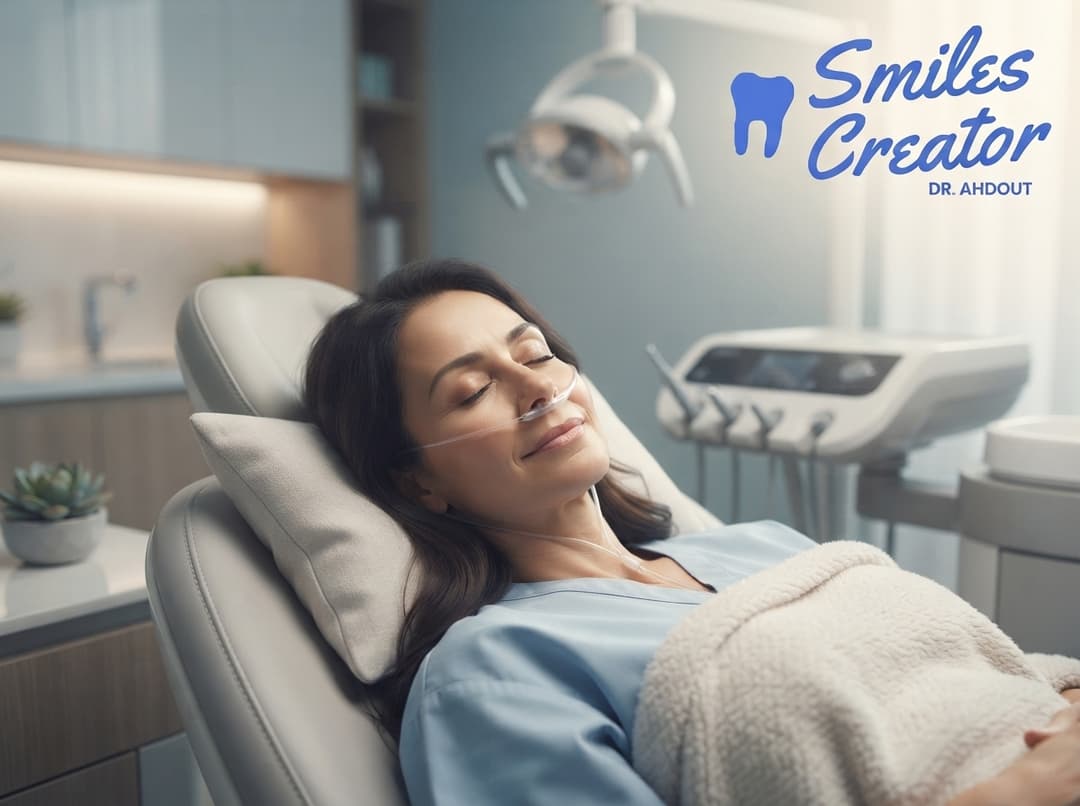
Local anesthetic numbs the specific tooth being worked on, but it does not stop your brain from signaling a gag reflex or prevent your jaw muscles from tiring out. Sedation works on the central nervous system to quiet these physical responses at their source.
1. Interrupting the Neural Reflex Arc
Sedative agents gently dial down the hypersensitivity of the central nervous system. By softening the brain's reaction to touch sensations in the soft palate, the brain stops sending panic signals to the throat muscles. Objects in the mouth no longer register as immediate choking hazards, allowing you to breathe smoothly through your nose without retching.
2. Achieving Complete Muscular Relaxation
Sedation relaxes skeletal muscles throughout your entire body, including the masseter muscles responsible for chewing and jaw movement. Instead of fighting your jaw joint to stay open, your facial muscles remain soft and relaxed.
3. Reducing Salivation and Airway Sensitivity
Many sedatives naturally reduce excess saliva production. Less saliva pooling in the back of your throat means fewer triggers for swallowing or gagging, creating a much cleaner, drier environment for precise dental work.
Choosing the Right Sedation Strategy for Physical Sensitivity
Depending on the severity of your gag reflex or jaw discomfort, different sedation options provide targeted relief:
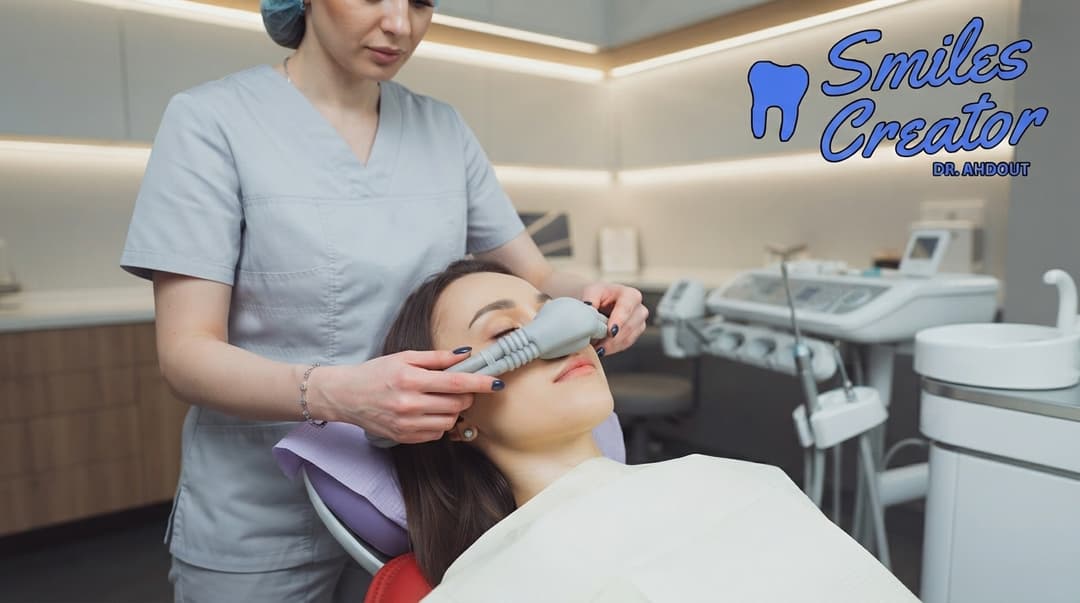
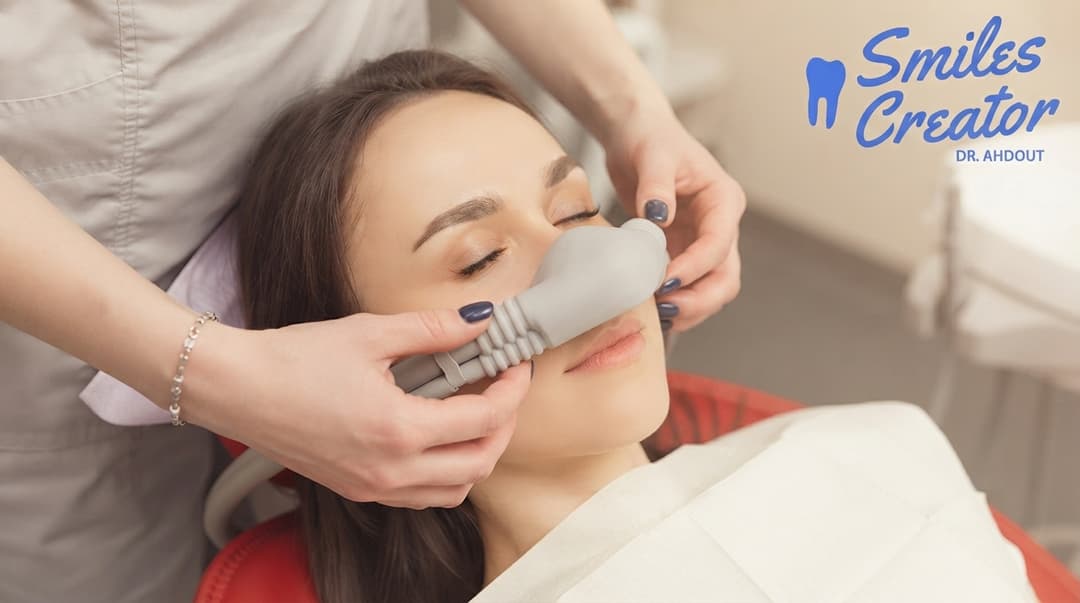
Light Reflex Control: Inhalation Sedation (Nitrous Oxide)
- How It Helps: Inhaling "laughing gas" produces an immediate mild analgesic and muscle-relaxing effect. It effectively suppresses mild-to-moderate gag reflexes and takes the edge off jaw tension while allowing you to remain fully awake.
- Bonus: It wears off within minutes after treatment, so you can drive yourself home immediately.
Deep Reflex Suppression: Oral Conscious Sedation
- How It Helps: Taking a prescribed sedative pill prior to your visit produces a profound state of physical relaxation. It significantly depresses hyperactive throat reflexes and allows your jaw muscles to stay relaxed for extended periods without fatigue.
- Bonus: You will feel completely at ease and retain little to no memory of the appointment.
Total Reflex Elimination: Intravenous (IV) Sedation
- How It Helps: For severe, intractable gag reflexes or acute TMJ pain, IV sedation provides direct control over your comfort. The level of relaxation can be adjusted in real time, completely neutralizing involuntary retching and muscle spasms.
Simple Answers to Frequent Questions
Can dental sedation fix my gag reflex permanently?
No, sedation does not change your natural anatomy permanently—it temporarily relaxes your nervous system during your dental appointment so care can be delivered comfortably.
Will I swallow my tongue or choke if my gag reflex is suppressed by sedation?
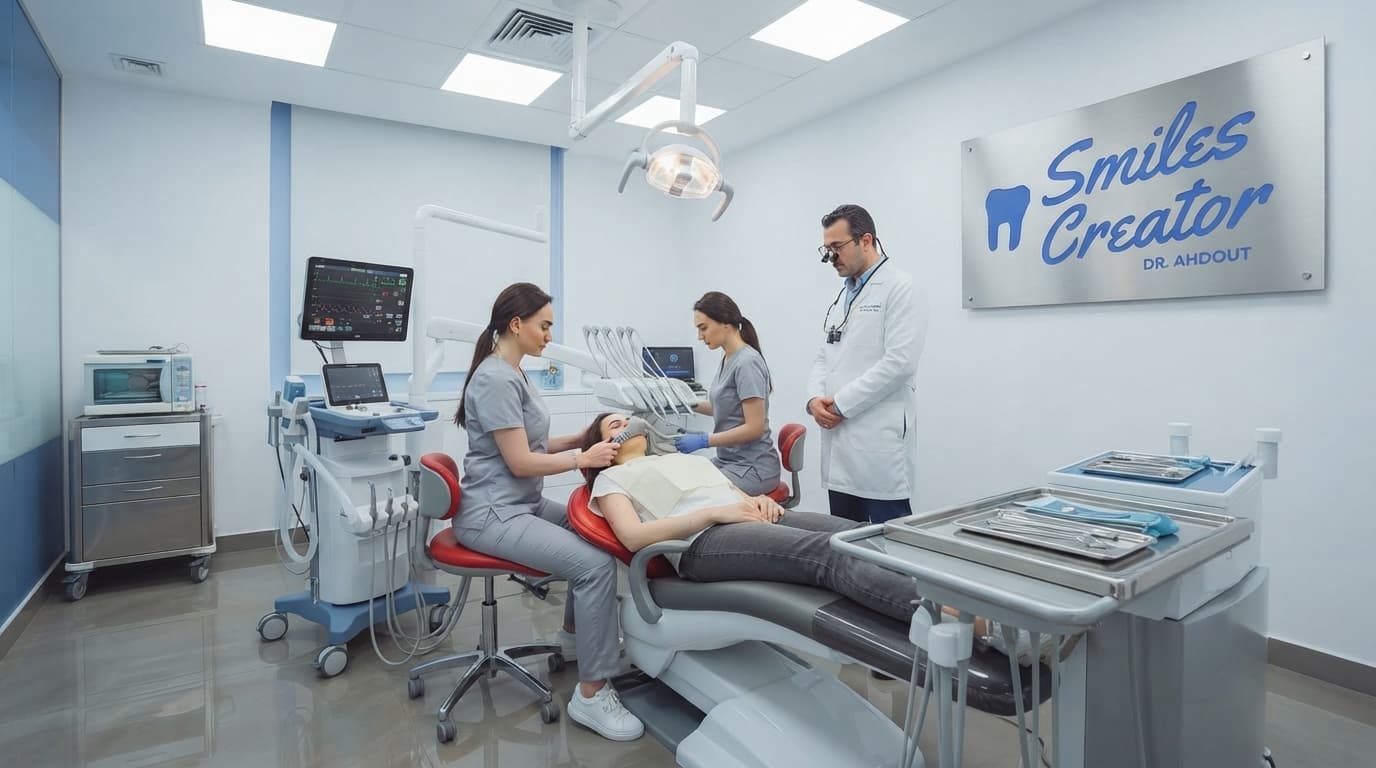
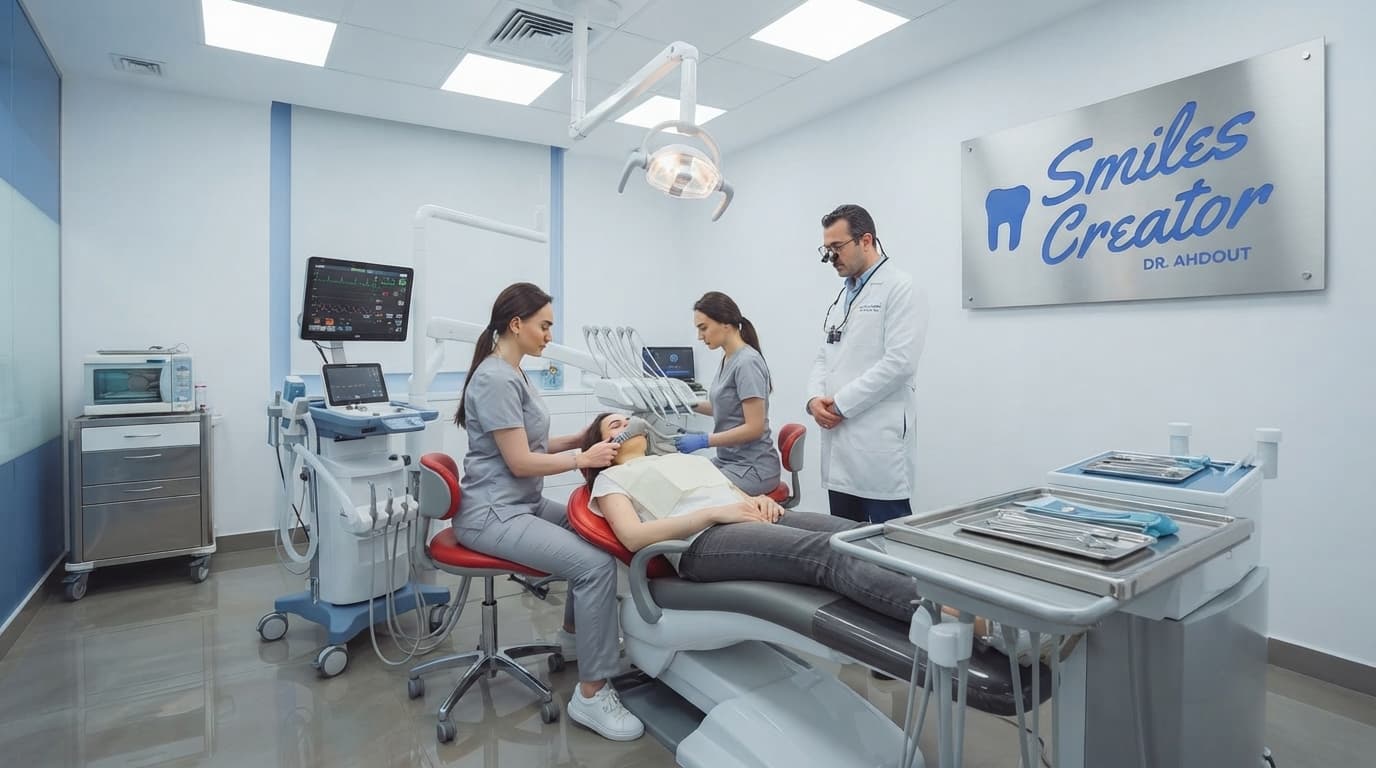
No. Your natural airway protection remains completely intact. Your dental team continuously monitors your breathing and uses gentle, high-volume suction to keep your throat clear of water and debris throughout the procedure.
What if my jaw starts to hurt even while I am sedated?
Your clinical team uses soft, rubber jaw props to gently support your bite during sedated appointments. The prop holds your mouth open comfortably without requiring any active muscle effort on your part, preventing post-appointment TMJ soreness.
Take Control of Your Comfort with Smiles Creator – Dr. Nader Ahdout
You should never feel embarrassed or helpless because of an overactive gag reflex or jaw joint pain. At Smiles Creator, Dr. Nader Ahdout understands that physical reflexes are beyond your conscious control, and our team provides a compassionate, judgment-free environment tailored to your physical comfort.
Dr. Ahdout evaluates your unique physical triggers and recommends gentle sedation techniques—paired with comfortable jaw supports and low-profile digital imaging tools—to ensure your treatment is smooth, quick, and completely gag-free.
Experience relaxed, comfortable dental care tailored to your body!
Contact Our Practice Today:
- Practice Name: Smiles Creator – Dr. Nader Ahdout
- Address: 22116 Ventura Blvd, Woodland Hills, CA 91364
- Phone Number: (818) 340-3062
- Website: dr-ahdout.com
NA
Published by Dr. Nader Ahdout, DDS. This article is for general information and is not a substitute for a personal examination and diagnosis.
Trusted Dentist in Woodland Hills for Comprehensive Dental Care
Schedule your free consultation with Dr. Ahdout and experience high-quality cosmetic and family dentistry tailored to your smile needs.