
Sedation Dentistry· 5 min read
Pediatric and Special Needs Dental Care: Creating Safe, Stress-Free Experiences Through Gentle Sedation
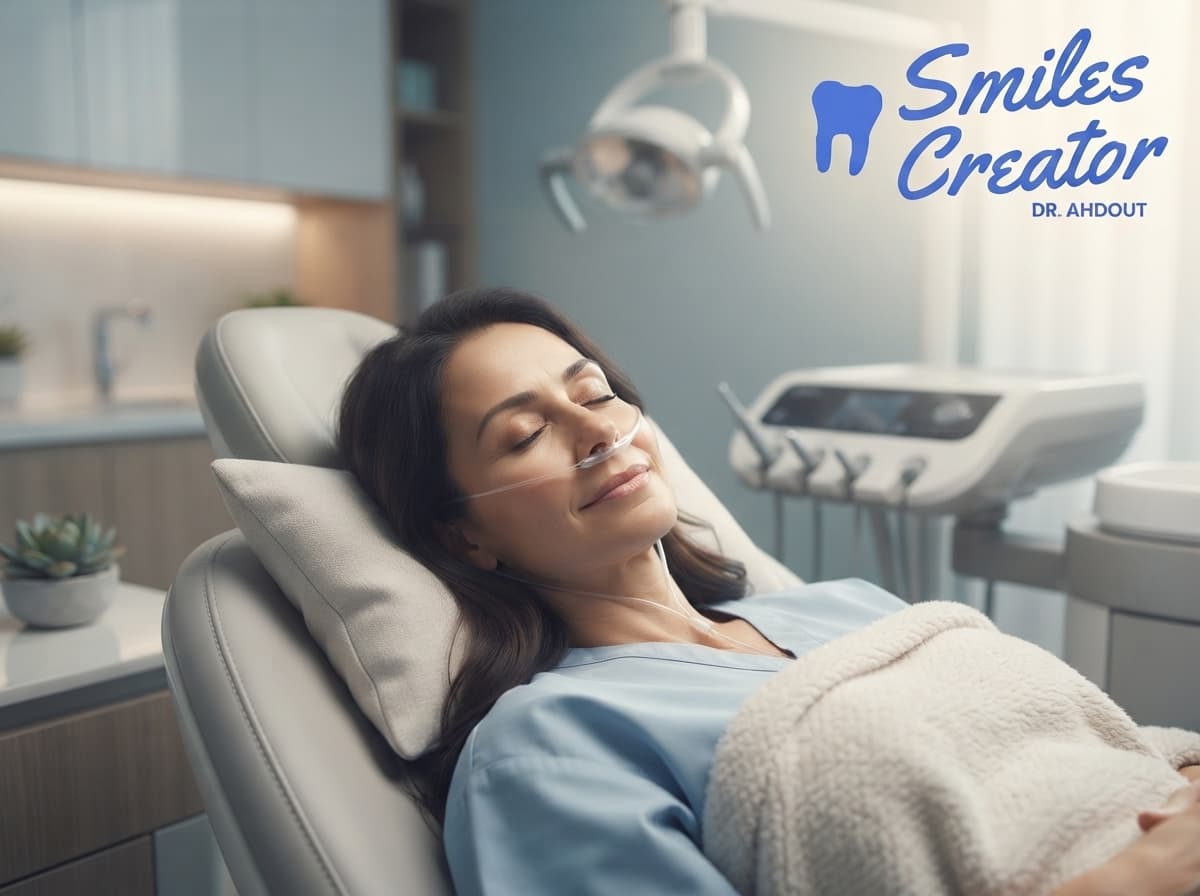
For parents of children with severe dental fear, sensory processing differences, or physical and cognitive special needs, a simple trip to the dental office can feel like an overwhelming hurdle. Bright overhead lights, the hum of clinical equipment, tasting unfamiliar pastes, and the demand to hold still can quickly trigger intense sensory overload, panic, or unmanageable stress.
When traditional behavioral guidance techniques—such as step-by-step explanations or positive reinforcement—are not enough to help a child feel secure, routine care is often delayed. Unfortunately, postponing treatment allows minor tooth decay to develop into painful infections that impact eating, sleeping, speaking, and overall development.
Pediatric sedation dentistry offers a compassionate, safe bridge. By calming physical anxiety and soothing sensory sensitivities, gentle sedation allows children to receive essential dental care without fear, pain, or emotional trauma.
Why Standard Dental Visits Can Be Challenging for Special Needs Children
Children with autism spectrum disorder (ASD), sensory integration disorders, Down syndrome, cerebral palsy, or severe developmental delays process environmental stimuli very differently than neurotypical children.
In a traditional dental setting, multiple sensory triggers hit simultaneously:
- Tactile Sensitivity: Physical touch around the mouth, lips, and face can feel invasive or uncomfortable.
- Auditory Overload: High-frequency sounds from dental handpieces and suction equipment can trigger genuine panic responses.
- Visual Stimuli: Direct, bright operatic lights and sudden movements across their field of vision can feel threatening.
- Proprioceptive and Motor Control Limits: Keeping the jaw open steadily or laying still in a reclined chair requires muscle coordination that some children physically cannot sustain.
Attempting to push through these severe sensory reactions without specialized support risks creating lasting negative associations with healthcare providers. Gentle sedation changes the environment entirely, making care comfortable and safe for everyone involved.
Tailored Sedation Options for Younger and Special Needs Patients
Pediatric sedation is never a "one-size-fits-all" approach. Treatment plans are customized based on your child's age, weight, medical history, behavioral profile, and specific dental needs.
1. Inhalation Sedation (Nitrous Oxide / "Laughing Gas")
- Best For: Children with mild anxiety, mild sensory sensitivity, or those who need simple restorations like small fillings.
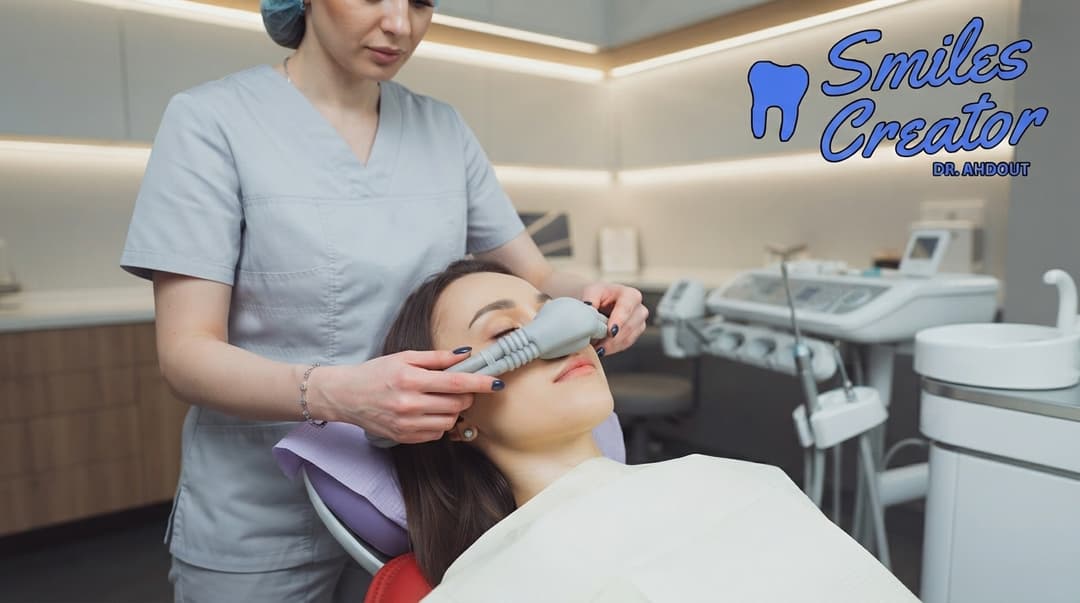
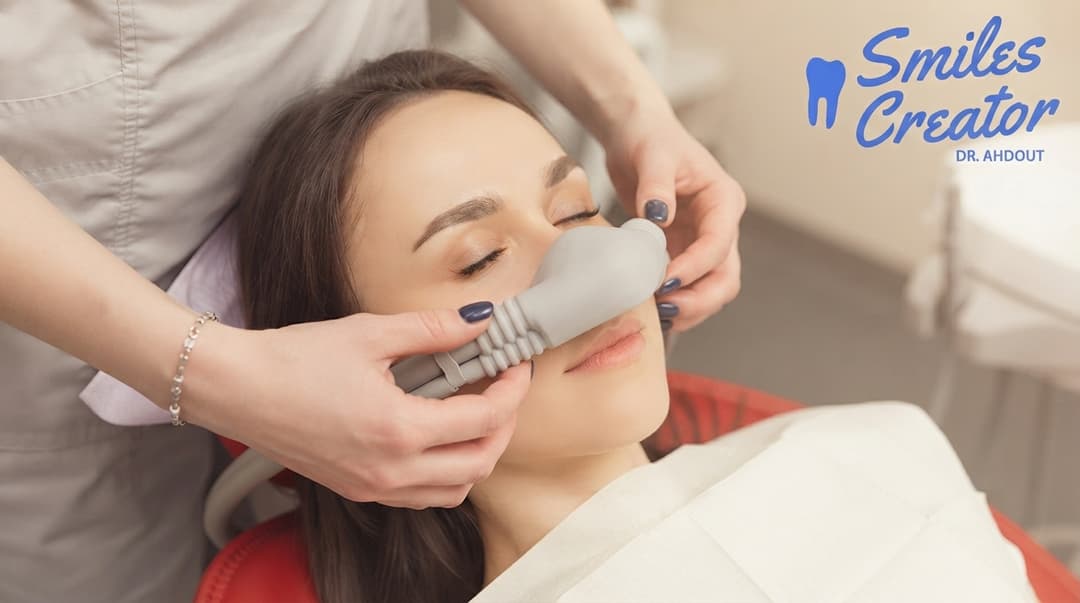
- How It Helps: Delivered through a comfortable, scented nose mask (often smelling like bubblegum or strawberry), nitrous oxide produces a gentle, floating feeling of relaxation within minutes. It keeps the child fully awake, calm, and cooperative while taking away the edge of noise and touch.
- Recovery: Flushed out with pure oxygen in under five minutes, leaving no lingering grogginess or nausea.
2. Oral Conscious Sedation
- Best For: Children with moderate anxiety, heightened sensory sensitivities, or those requiring several small procedures in one appointment.
- How It Helps: Given as a liquid medication shortly before the appointment, oral sedation induces a deeply relaxed, sleepy state. While your child remains conscious, responsive, and breathing normally on their own, their awareness of surroundings and sounds drops significantly.
- Recovery: Children remain drowsy for a few hours after the visit, making it an ideal time for a quiet afternoon nap at home.
3. In-Office IV Sedation or Hospital Care
- Best For: Children with severe special needs, complex medical conditions, extreme sensory aversion, or those requiring extensive surgical and restorative care.
- How It Helps: Administered under the direct supervision of a dedicated pediatric anesthesiologist, IV sedation places the child in a quiet, dream-like state. It allows your dental team to complete all necessary cleanings, restorations, and preventive treatments safely in a single visit without distress.
Partnering with Parents: How We Prepare Your Child for Success
A calm dental visit starts long before sitting in the chair. Successful pediatric sedation relies on close collaboration between parents and the clinical team:
PRE-VISIT CONSULTATION
├── Detailed Medical & Behavioral Review
├── Identifying Specific Sensory Triggers
└── Customizing the Sedation Protocol
DAY OF PROCEDURE
├── Fasting Guidelines (Quiet Stomach)
├── Comfort Items (Favorite Blanket/Toys)
└── Gentle, Low-Stimulus Environment
POST-CARE RECOVERY
├── Smooth Transition Home
├── Soft Food & Hydration
└── Long-Term Trust Building
- Desensitization and Familiarity: Allowing children to visit the office beforehand to see the room, meet the team, and touch non-threatening equipment builds foundational trust.
- Sensory Accommodations: Dimming room lights, playing soft music, using weighted blankets, and minimizing room chatter help maintain a calming atmosphere before medication takes effect.
- Clear Home Guidelines: Providing clear fasting rules (no food or drinks for a specified window before oral or IV sedation) ensures maximum physical safety during treatment.
Answers to Common Parent Questions
Is pediatric dental sedation safe for my child?
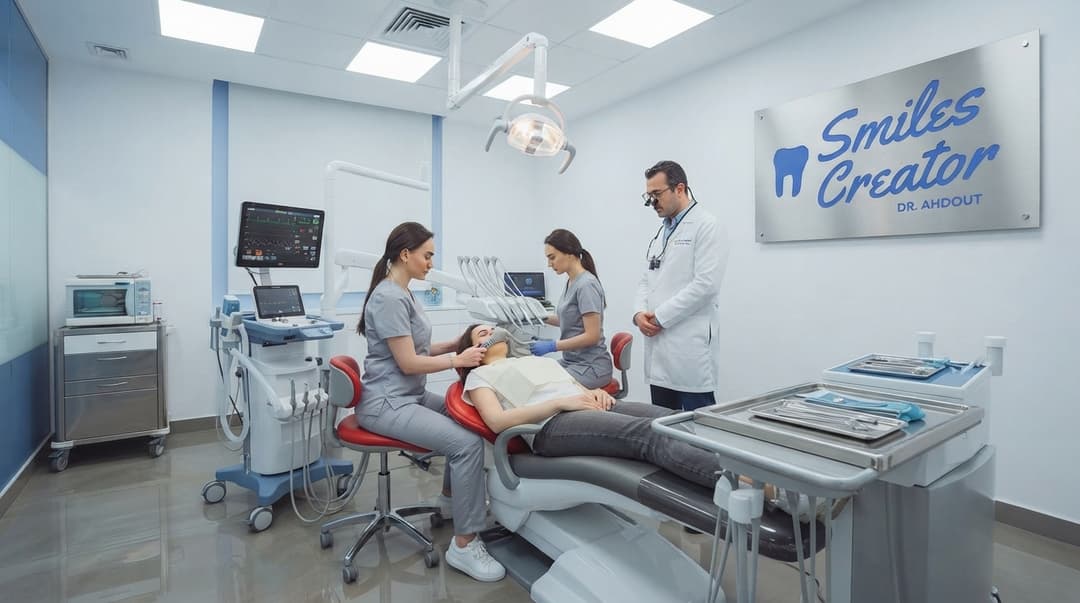
Yes. When administered by trained professionals using age- and weight-appropriate dosages, pediatric sedation has a high safety record. Throughout the entire procedure, your child's heart rate, oxygen levels, blood pressure, and respiration are continuously monitored by advanced digital equipment.
Will my child remember the appointment?
With oral conscious or IV sedation, the medications create a mild amnesic effect. Most children remember arriving at the office and relaxing, followed by waking up comfortably at home with no memory of the dental work itself.
How can sedation help build long-term confidence for future visits?
By eliminating pain, fear, and sensory overload, sedation prevents the formation of medical trauma. Over time, children realize that visiting the dentist is a safe, painless experience, making future preventative care much easier as they grow.
Gentle, Compassionate Care with Smiles Creator – Dr. Nader Ahdout
Every child deserves a healthy, comfortable smile and a positive experience with their dental care team. At Smiles Creator, Dr. Nader Ahdout and his team are dedicated to providing compassionate, patient-centered care tailored to the unique sensory and physical needs of children and special needs patients.
Dr. Ahdout works directly with parents to create individualized care plans that prioritize safety, comfort, and peace of mind. Utilizing gentle sedation options, a soothing environment, and a respectful, patient approach, our practice ensures your child receives the essential care they need without fear or stress.
Help your child enjoy a safe, stress-free dental experience today!
Contact Our Woodland Hills Office Today:
- Practice Name: Smiles Creator – Dr. Nader Ahdout
- Address: 22116 Ventura Blvd, Woodland Hills, CA 91364
- Phone Number: (818) 340-3062
- Website: dr-ahdout.com
NA
Published by Dr. Nader Ahdout, DDS. This article is for general information and is not a substitute for a personal examination and diagnosis.
Trusted Dentist in Woodland Hills for Comprehensive Dental Care
Schedule your free consultation with Dr. Ahdout and experience high-quality cosmetic and family dentistry tailored to your smile needs.