Sedation Dentistry· 6 min read
Dental Phobia vs. High Tolerance to Local Anesthesia: Which Type of Sedation Do You Actually Need?
When people avoid going to the dentist, the assumption is usually simple: they are afraid of pain. While dental anxiety is widespread, it is far from the only reason patients struggle through necessary treatments.
There is a distinct group of individuals who want to get their teeth cared for, sit calmly in the chair, and yet find themselves feeling sharp pain halfway through a procedure despite receiving multiple numbing injections.
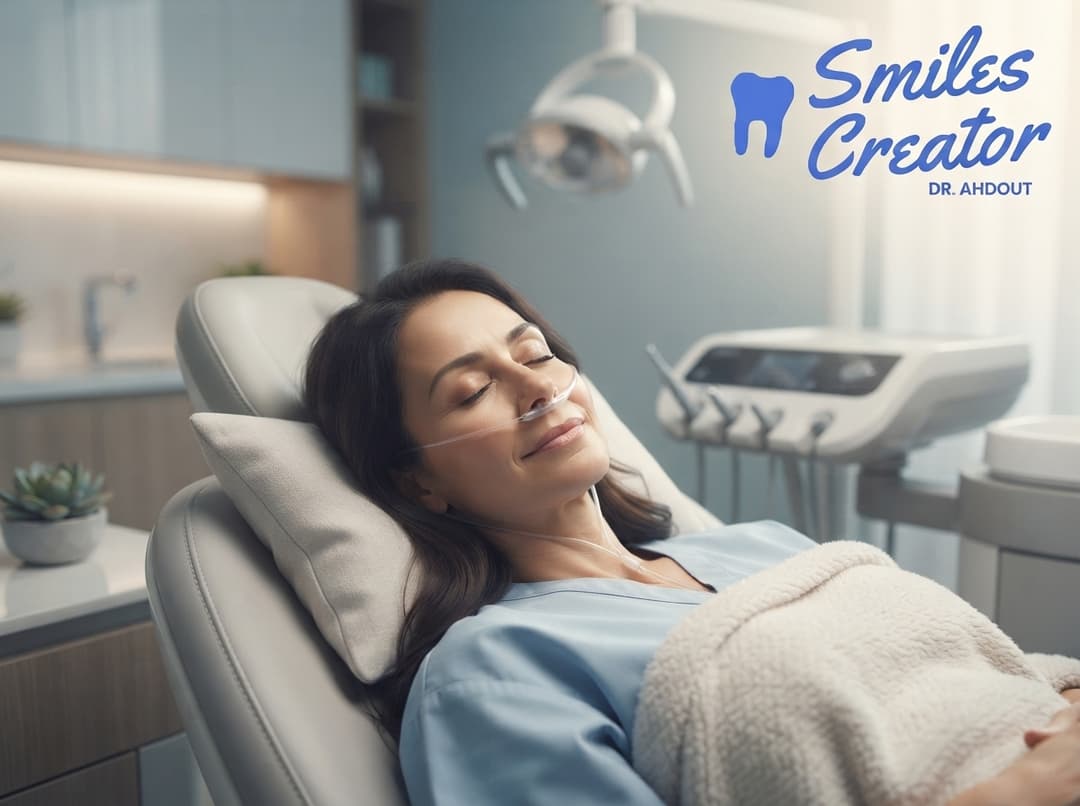
Whether your obstacle is psychological—such as past trauma, needle phobia, or panic attacks—or physical, like a metabolic resistance to numbing agents, sedation dentistry offers tailored solutions. Understanding the underlying reason for your discomfort is the key to selecting the right level of sedation for a completely painless, stress-free appointment.
The Mental Barrier: Unpacking Dental Phobia and Anxiety
Dental anxiety exists on a wide spectrum. For some, it is mild nervousness triggered by the sound of a handpiece. For others, it is a paralyzing phobia that causes them to delay critical treatment for years.
What Happens to the Body During Dental Phobia
When a patient with dental phobia sits in the operatory, their brain registers the environment as a physical threat. This triggers a massive spike in adrenaline and cortisol:
- Heart rate and blood pressure increase rapidly.
- Muscles tense up, making it uncomfortable to keep the jaw open.
- Breathing becomes shallow, which can induce dizziness or nausea.
- The pain threshold drops significantly because the brain is hyper-focused on every sensation.
Crucially, acute stress and elevated adrenaline actually fight against local numbing agents! The fight-or-flight response speeds up local blood flow, carrying local anesthetics away from the nerve site much faster than normal and making standard numbing far less effective.
The Physical Barrier: Why Some People "Can't Get Numb"
If you have ever told a practitioner, "Novocaine doesn't work on me," you are not imagining things. A surprisingly high percentage of the population possesses a physiological tolerance or resistance to standard local anesthetics like lidocaine or articaine.
Common Causes of Anesthetic Resistance
- Red Hair / MC1R Gene Variant: Genetic research shows that individuals with red hair (or carrying the MC1R gene mutation) often require significantly higher doses of local anesthesia to achieve total numbness.
- Anatomical Nerve Variations: Human anatomy is not identical. Some people have accessory nerves in their jaw that branch off in unusual directions, meaning a standard nerve block injection misses the secondary path carrying pain signals.
- Active Infection or Low Tissue pH: When an infection or severe inflammation is present around a tooth, the surrounding tissue becomes highly acidic. Local anesthetics are alkaline and cannot penetrate cell membranes efficiently in acidic environments, drastically reducing their numbing power.
- Fast Liver Metabolism: Certain individuals metabolize pharmaceutical agents exceptionally fast, causing local anesthesia to wear off in 15 to 20 minutes instead of lasting several hours.
Matching Your Needs to the Right Level of Sedation
Because psychological phobia and metabolic resistance stem from completely different sources, they require different clinical strategies.
PSYCHOLOGICAL PHOBIA (Fear, Trauma, Panic)
├── Goal: Calm the brain & central nervous system
├── Ideal Options:
│ ├── Nitrous Oxide (Light anxiety)
│ └── Oral Conscious Sedation (Moderate-to-severe phobia)
PHYSIOLOGICAL TOLERANCE (Can't Get Numb, Fast Metabolism)
├── Goal: Bypass local nerve pathways & alter pain perception
├── Ideal Options:
│ ├── IV Sedation (Deep relaxation & total pain block)
│ └── Synergistic local anesthetic protocols
Option 1: Inhalation Sedation (Nitrous Oxide / "Laughing Gas")
- Best For: Mild-to-moderate anxiety, quick visits, and light physical restlessness.
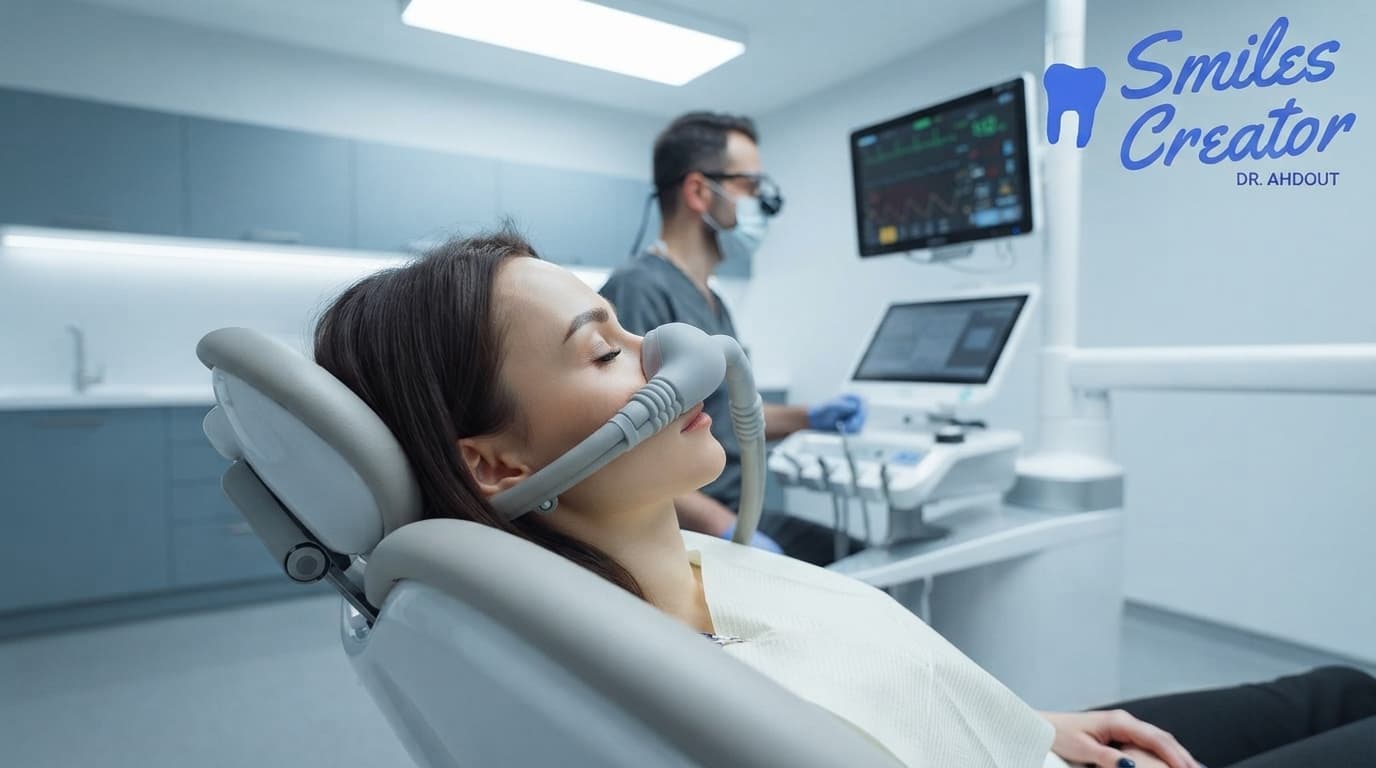
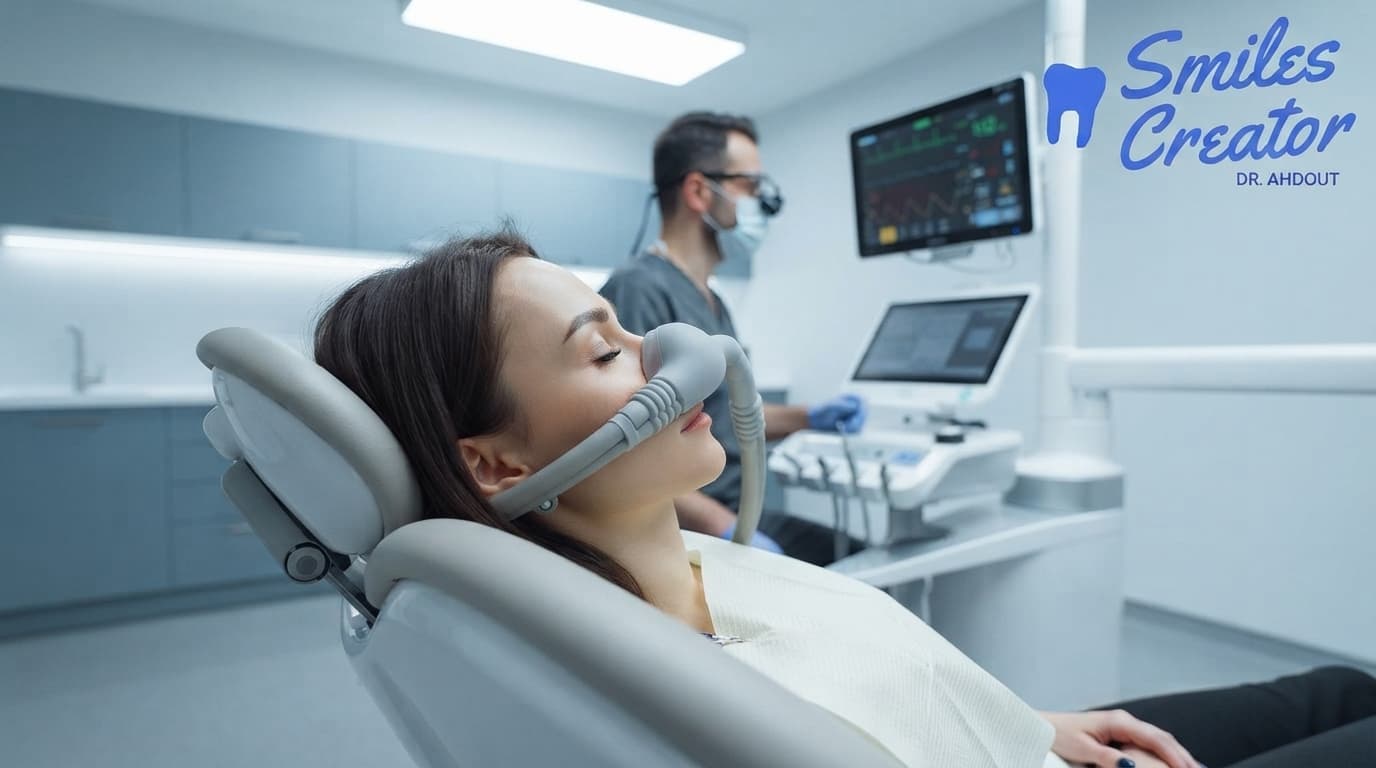
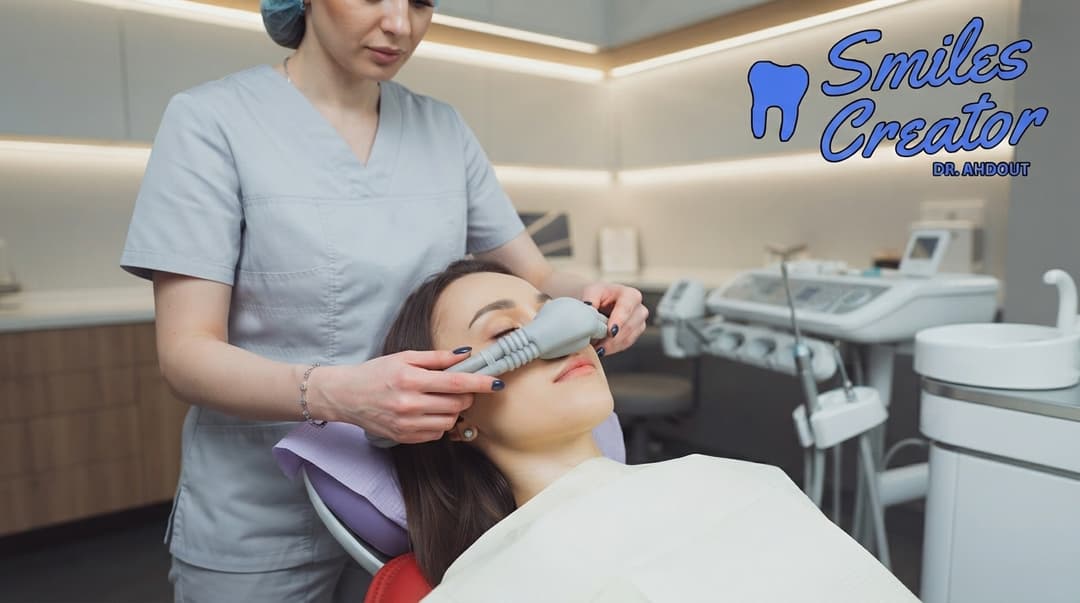
- How It Works: You inhale a precise blend of nitrous oxide and oxygen through a soft nose mask. Within two minutes, a light, floating sensation relaxes your body while keeping you fully conscious and able to respond to questions.
- Key Advantage: It wears off completely within five minutes of flushing with pure oxygen, allowing you to drive yourself home or back to work immediately after your appointment.
Option 2: Oral Conscious Sedation
- Best For: Moderate-to-severe dental phobia, needle apprehension, and multi-procedure appointments.
- How It Works: You take a prescribed pill (typically from the benzodiazepine family) about an hour before your procedure. By the time you sit in the dental chair, you are in a deeply relaxed, drowsy state. While you remain conscious and responsive, you will feel completely unbothered by what is happening around you.
- Key Advantage: It produces an amnesic effect, meaning you will remember very little, if anything, about the treatment afterward.
Option 3: Intravenous (IV) Sedation
- Best For: High tolerance to local anesthesia, severe panic disorders, extreme gag reflexes, or extensive surgical care.
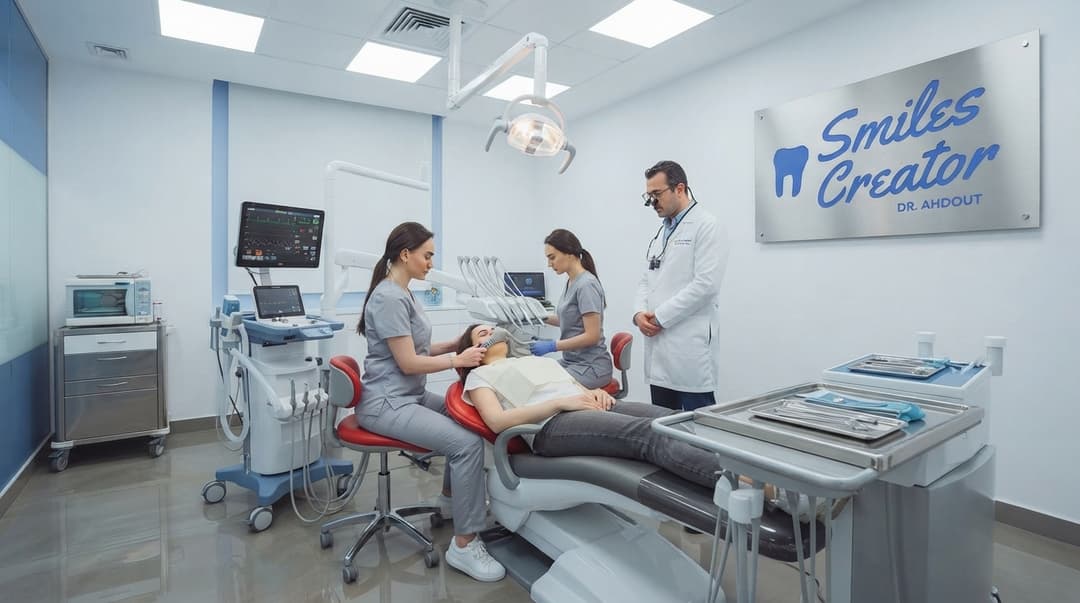
- How It Works: Anti-anxiety and pain-relieving medications are administered directly into your bloodstream through a small IV line. This allows the dosage to be adjusted instantly to keep you at the exact depth of relaxation required.
- Key Advantage: IV sedation completely overrides metabolic resistance to local numbing. You rest comfortably in a dream-like state while your entire mouth is treated safely and comfortably.
How to Prepare for Your Sedated Dental Appointment
To ensure maximum safety and comfort during a sedated visit, follow these simple guidelines:
- Disclose Your Full Medical History: Inform your team about all prescription medications, supplements, daily caffeine intake, and past experiences with anesthesia.
- Follow Fasting Guidelines: For oral conscious or IV sedation, you will typically need to avoid eating or drinking for 6 to 8 hours prior to your visit.
- Arrange Transportation: For any level above nitrous oxide, you must have a trusted adult drive you to and from the appointment and stay with you for a few hours afterward while the drowsiness wears off.
Clear Answers to Common Questions
Will I be completely unconscious during sedation dentistry?
Unless you are undergoing general anesthesia in a hospital setting, you will not be completely unconscious. With oral and IV conscious sedation, you are in a deep, dream-like state where you remain able to breathe on your own and respond to light verbal prompts, though you will feel no anxiety or pain.
What if I have BOTH dental phobia and a high tolerance to local anesthesia?
This combination is extremely common! Anxiety speeds up your metabolism, which in turn makes local anesthetics wear off faster. IV sedation is often the gold standard here because it relaxes your central nervous system while allowing direct control over your pain response.
How long does it take for oral conscious sedation to wear off?
While the heavy drowsiness peaks during your appointment, the mild sedative effects can linger for several hours. Most patients spend the rest of the day relaxing at home and wake up the next morning feeling completely back to normal.
Overcome Your Dental Barriers with Smiles Creator – Dr. Nader Ahdout
Whether past dental trauma has kept you away from the office or a high tolerance to local numbing has left you enduring painful visits, you do not have to compromise on your health or comfort.
At Smiles Creator, Dr. Nader Ahdout takes the time to listen to your history, identify whether your primary challenge is mental or physical, and design a customized sedation plan that fits your exact needs. Using advanced patient monitoring, gentle administration techniques, and a compassionate, judgment-free approach, Dr. Ahdout ensures that every treatment—from routine cleanings to complete mouth restorations—is entirely comfortable.
Reclaim your smile without pain or fear!
Contact Our Woodland Hills Practice Today:
- Practice Name: Smiles Creator – Dr. Nader Ahdout
- Address: 22116 Ventura Blvd, Woodland Hills, CA 91364
- Phone Number: (818) 340-3062
- Website: dr-ahdout.com
NA
Published by Dr. Nader Ahdout, DDS. This article is for general information and is not a substitute for a personal examination and diagnosis.
Trusted Dentist in Woodland Hills for Comprehensive Dental Care
Schedule your free consultation with Dr. Ahdout and experience high-quality cosmetic and family dentistry tailored to your smile needs.