
Dental Implants· 6 min read
Common Dental Implant Issues in Woodland Hills CA and Prevention
As a restorative dentist practicing in the San Fernando Valley, I often see patients who come prepared with questions about Dental Implants in Woodland Hills, CA and how to avoid complications. The decision to replace missing teeth with implants is life-changing, but it also carries responsibilities before, during, and after treatment. In this introduction I will outline the most common problems patients encounter, why they happen, and practical prevention strategies you can use right away to protect your investment and oral health. For residents who want reliable care and clear explanations, Dental Implants in Woodland Hills, CA remain a gold-standard solution when approached thoughtfully.
Dental Implants in Woodland Hills, CA: What typically goes wrong
Understanding the typical failure modes of implants helps demystify the process. One of the most frequent issues is peri-implantitis, an inflammatory condition affecting the soft tissue and bone around an implant. Left unchecked, it can lead to bone loss and implant failure. Another concern is failure of osseointegration, where the implant does not sufficiently fuse with the jawbone due to infection, poor bone quality, or systemic factors like uncontrolled diabetes. Mechanical complications such as loose abutments, fractured screws, or premature wear of prosthetic teeth also occur, along with sinus-related problems for upper-jaw implants and temporary numbness or paresthesia if nerves are irritated during surgery.
How careful planning reduces risk
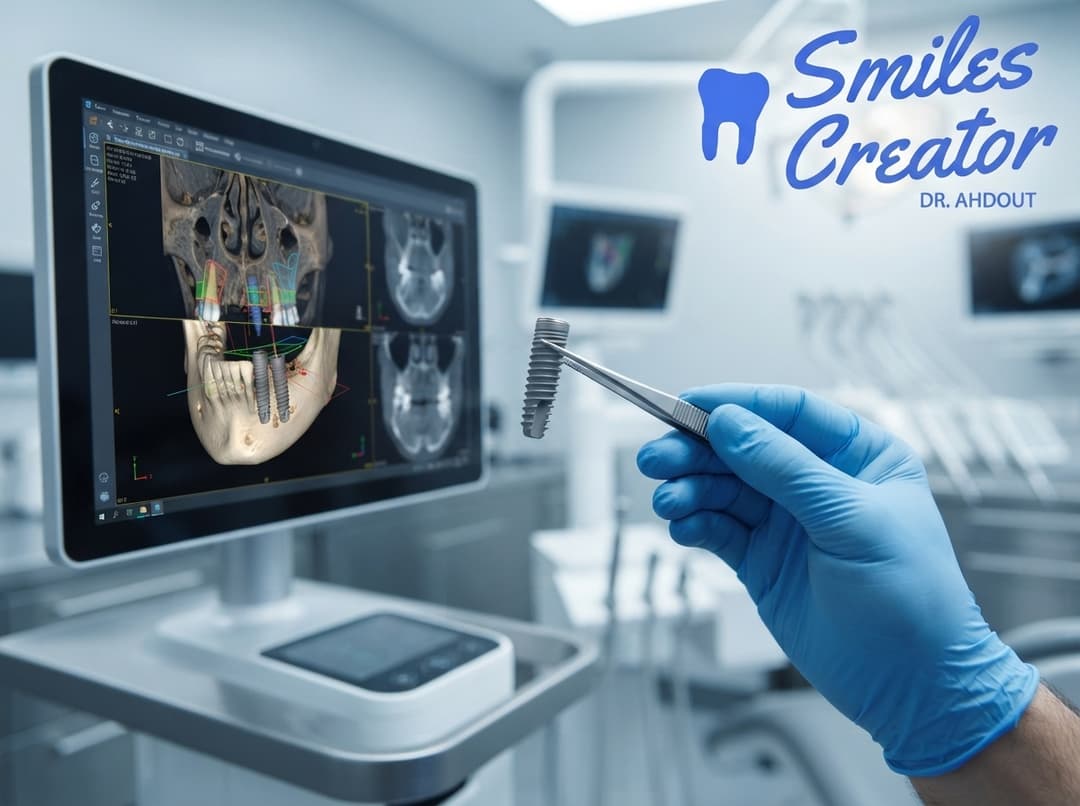
Successful implant therapy begins with a comprehensive evaluation. Imaging, medical history review, and bite analysis allow the clinician to design a treatment plan tailored to the individual’s anatomy and health status. I stress the importance of realistic expectations and candid conversations about lifestyle factors such as smoking and poor glycemic control that elevate complication risk. When clinicians use guided surgical planning, precise drilling protocols, and appropriate implant sizes, the risk of surgical trauma and improper placement drops significantly. This phase is critical and often determines whether a case enjoys long-term stability or struggles from the outset.
Surgical technique and immediate postoperative care
There are technical steps during surgery that strongly influence outcomes. Atraumatic flap management, adequate primary stability, and avoidance of overheating the bone all promote successful osseointegration. Postoperatively, patients must follow instructions regarding oral hygiene, diet, and activity. Poor home care in the weeks after surgery can allow bacteria to colonize the healing site, increasing the chance of infection and bone loss. In my practice I provide written and verbal guidance, and I invite patients to contact the office immediately if they notice unusual pain, swelling, or drainage.
Long-term maintenance strategies
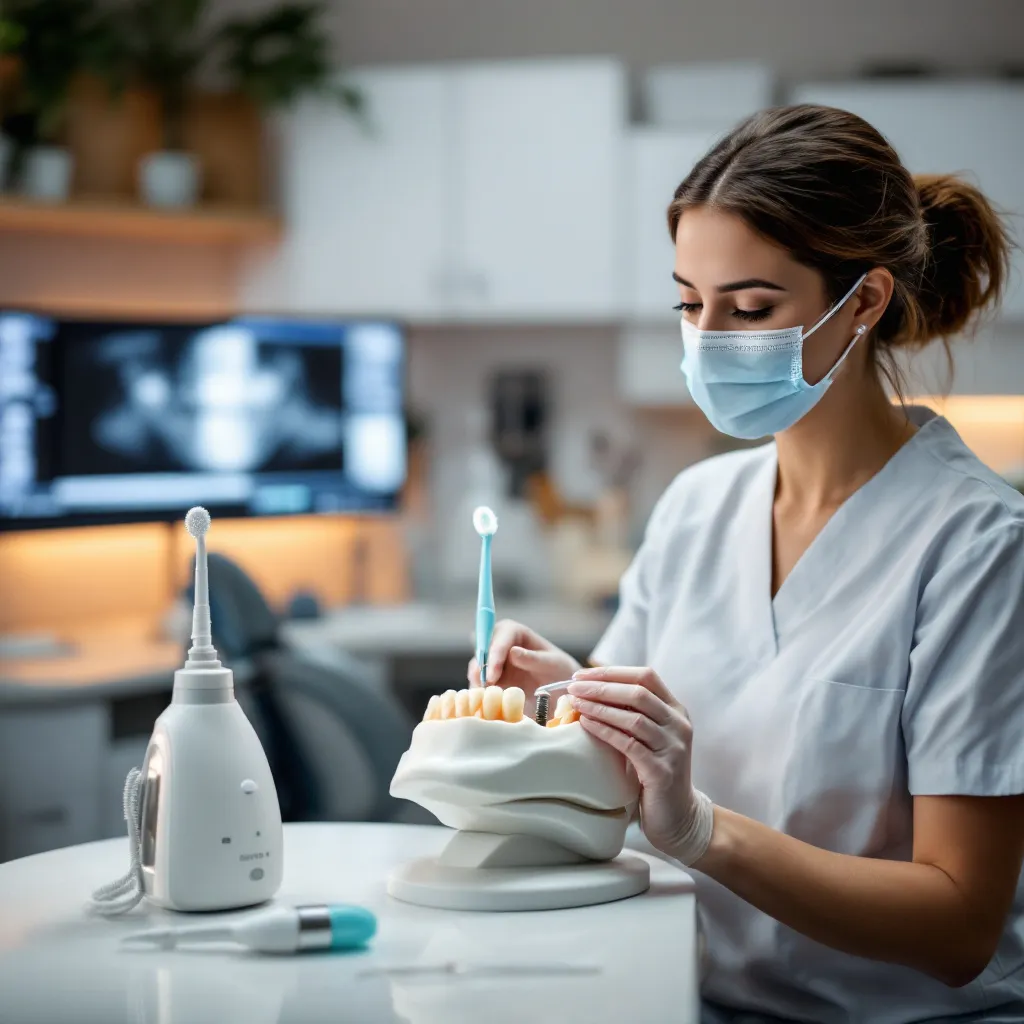
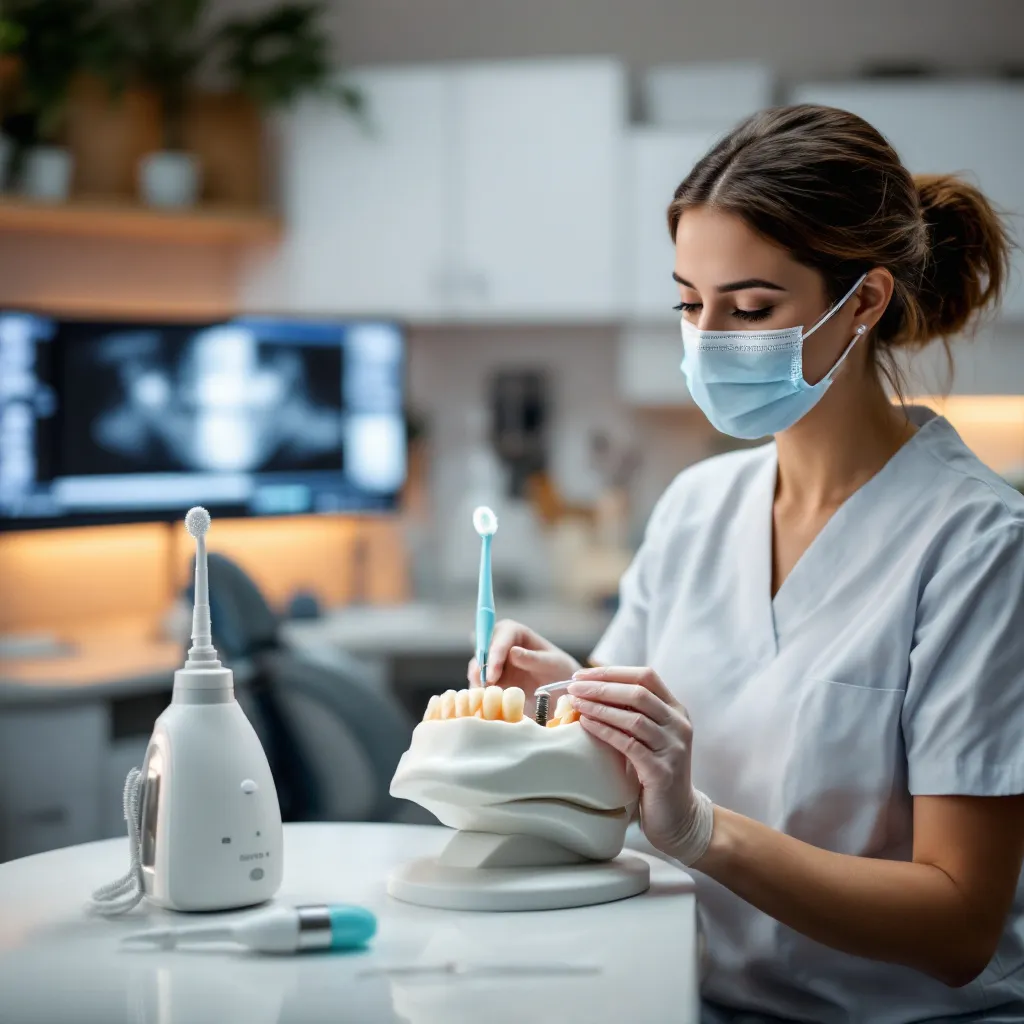
Even a well-placed implant requires lifelong maintenance. Regular professional cleanings and periodic radiographs help detect bone changes early. Managing occlusion and bruxism is also essential because excessive forces can fracture components or cause bone remodeling. Customized nightguards, timely replacement of worn prosthetic teeth, and routine checks of abutment torque are practical steps to extend the life of implants. Education about interdental cleaning with appropriate tools empowers patients to maintain healthy peri-implant tissues and preserve the surrounding bone.
When patients in the community ask how to choose an implant provider, I emphasize credentials, experience with complex cases, and clear follow-up protocols. The clinic environment and the team’s willingness to manage complications transparently are equally important. For residents who value continuity of care and evidence-based techniques, visiting a trusted office for an assessment and tailored care plan is a wise first step toward predictable results. To see more information about our approach and services, consider visiting Dental Implants in Woodland Hills, CA for details on how we evaluate and treat common concerns.
Patient factors that influence outcomes
Individual health conditions change the equation. Smoking is perhaps the single most modifiable risk factor; it impairs circulation and wound healing, raising the chance of infection and bone loss. Systemic conditions such as osteoporosis or autoimmune diseases can affect bone metabolism and immune response. Nutrition, oral hygiene habits, and habits like teeth grinding also play major roles. A thorough medical consultation and coordination with the patient’s primary care provider or specialists often help mitigate these risks and optimize the timing and approach to implant therapy.
FAQ
Q: How soon can I get implants after a tooth extraction? A: Timing depends on the extraction site, infection presence, and bone condition. In some cases immediate placement is appropriate; in others, a healing period or grafting is recommended.
Q: What symptoms suggest a failing implant? A: Persistent pain, swelling, mobility of the implant or prosthesis, and changes in gum appearance are warning signs that warrant prompt evaluation.
Q: Can peri-implantitis be treated? A: Yes, early peri-implant inflammation can often be managed with debridement, antimicrobial therapy, and improved home care. Advanced cases may require surgical intervention and bone regeneration techniques.
Q: Are implants permanent? A: Implants are designed to be a permanent tooth replacement, but their longevity depends on appropriate surgical placement, patient health, and ongoing maintenance.
Q: Does age affect implant success? A: Chronological age alone is not a contraindication. Biological health, bone quality, and systemic conditions are more important predictors of success than age by itself.
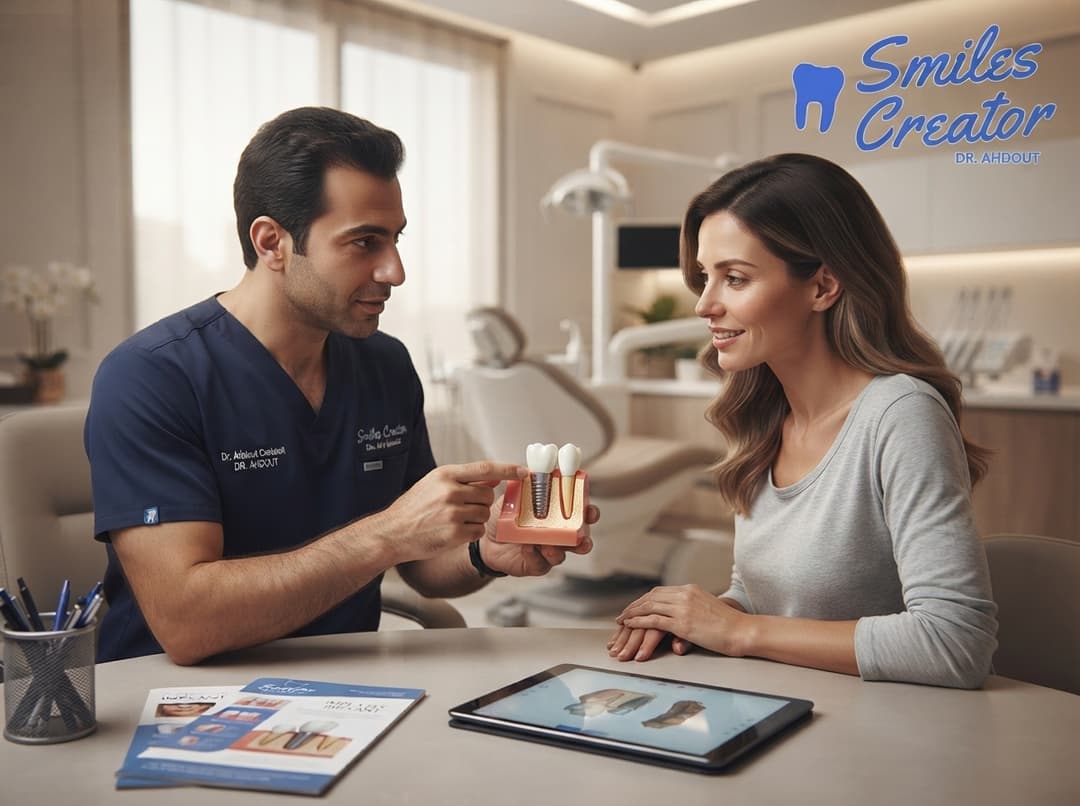
Throughout my years caring for patients here in Woodland Hills, I have found that informed, engaged patients consistently enjoy better outcomes. The combination of accurate diagnosis, meticulous technique, and a commitment to maintenance forms the backbone of successful implant dentistry. If you are considering treatment or want a second opinion, I encourage you to reach out for a personal consultation where we can review your specific needs, images, and medical history.
When you are ready to protect your smile with expert care, schedule a visit to discuss Dental Implants in Woodland Hills, CA and the tailored prevention strategies that will keep your restoration healthy for years to come. Reach out today to learn more and set up an evaluation: Dental Implants in Woodland Hills, CA.
Dr. Ahdout
22116 Ventura Blvd, Woodland Hills, CA 91364, United States
Phone: +1 (818) 340-3062
NA
Published by Dr. Nader Ahdout, DDS. This article is for general information and is not a substitute for a personal examination and diagnosis.

Trusted Dentist in Woodland Hills for Comprehensive Dental Care
Schedule your free consultation with Dr. Ahdout and experience high-quality cosmetic and family dentistry tailored to your smile needs.