
General Dentistry· 5 min read
Common Issues a Dentist Near Me Treats in Woodland Hills California
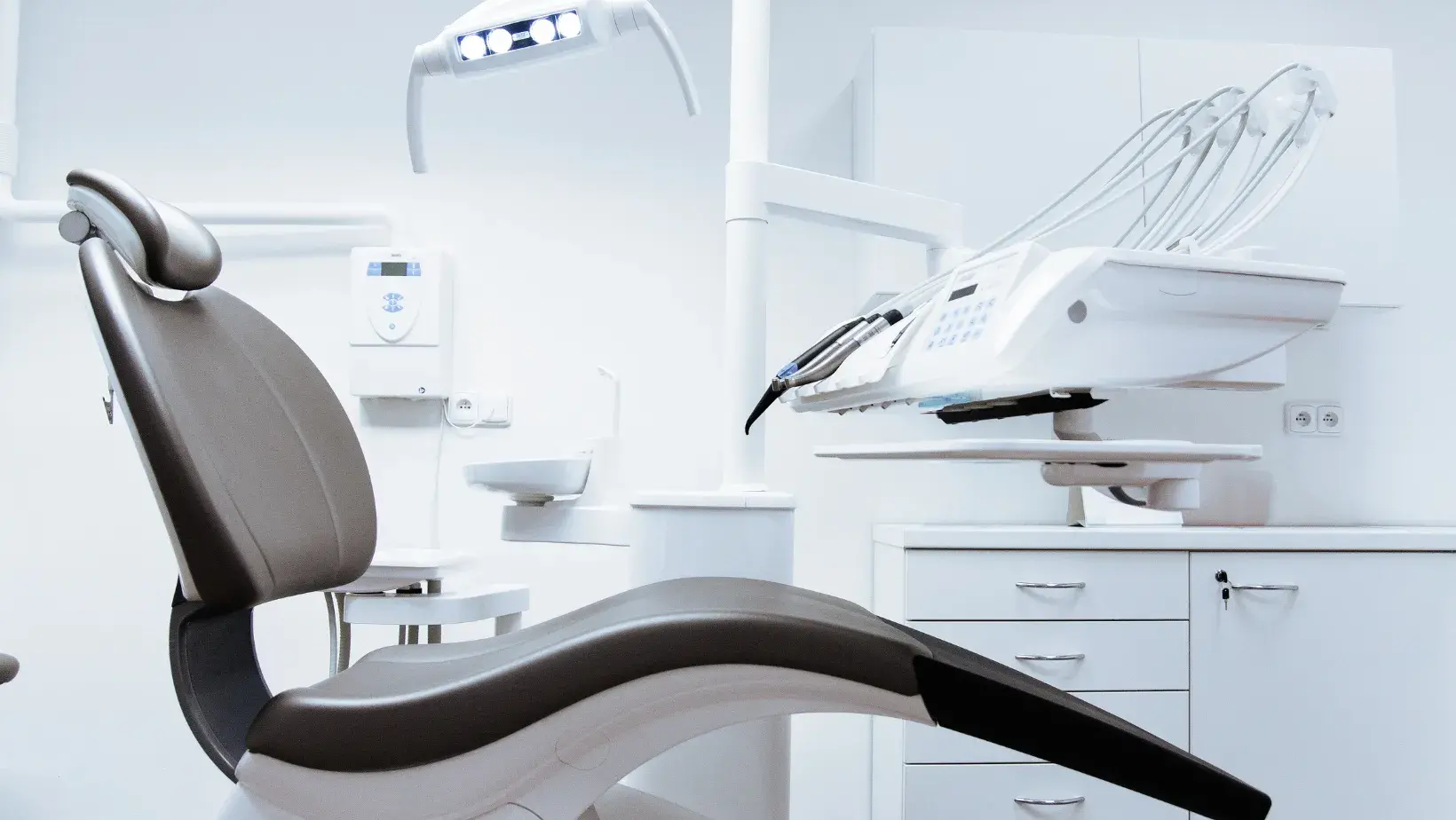
As a local practitioner who has cared for families across our community for years, I often hear the same search query: Dentist Near Me. That simple phrase leads neighbors to an office where compassionate, evidence-based dental care meets the realities of busy lives in Woodland Hills, CA. In this article I’ll walk you through the most common dental problems I treat, explain how we diagnose and manage them, and offer practical advice so you can feel confident about seeking care when you need it.
Common dental problems and how they present
Tooth decay and cavities remain the most frequent issues I see. Patients often notice sensitivity to sweets or temperature, a persistent ache, or darkened spots on a tooth. Left untreated, decay can advance to the pulp, causing intense pain and requiring root canal therapy or extraction. Gum disease is another widespread concern; early stages may cause bleeding with brushing or mild inflammation, while advanced periodontal disease can produce loose teeth and bone loss. These conditions don’t always hurt at first, which is why regular exams and X-rays are essential.
How we approach restorative needs
When a tooth is damaged by decay or trauma, we aim to preserve structure and function using conservative restorations whenever possible. Composite fillings restore form and prevent further decay, while onlays, crowns, and inlays rebuild larger defects. For teeth with deep infection, root canal treatment is predictable and allows patients to retain their natural tooth. Implants have become the gold standard for missing teeth, providing long-term stability and preserving neighboring teeth from unnecessary alteration. Our goal is to tailor treatment to each person’s oral health, habits, and cosmetic preferences.
Tooth sensitivity, fractures, and cosmetic concerns
Tooth sensitivity can indicate enamel erosion, exposed dentin, or a cracked tooth. People often describe sharp, fleeting pain with cold or sweet stimuli. Cracked and broken teeth arise from injuries, grinding, or large existing restorations. Esthetic issues—such as discoloration, chipped teeth, or gaps—also bring patients to our office seeking solutions that are both beautiful and durable. We use minimally invasive techniques to strengthen teeth, restore smiles, and help patients regain confidence.
When to seek urgent care and how we handle emergencies
Not every dental problem requires emergency care, but severe pain, swelling, uncontrolled bleeding, or a lost restoration that exposes sensitive tissue should prompt an immediate call. For patients searching for timely help, a quick online search for Dentist Near Me often leads them to our practice where we prioritize urgent needs. We stabilize pain, manage infection with appropriate medications, and create a definitive plan to restore oral health. Prompt attention can prevent complications and more extensive treatment down the line.
Prevention: the foundation of lasting oral health
Preventive care is the cornerstone of what we do. Routine cleanings, personalized home care instructions, and targeted treatments like fluoride or sealants reduce the risk of decay and disease. We also evaluate lifestyle factors—diet, tobacco, alcohol, and grinding—that influence oral health. Early detection through regular checkups allows us to address small concerns before they become major problems, and it helps patients maintain comfortable, functional teeth for life.
Working with children and seniors: different needs, same commitment
Pediatric patients require a gentle approach to build trust and establish good habits early. We focus on preventive guidance, habit counseling, and age-appropriate restorative care. Older adults may face tooth wear, root exposures, or conditions related to chronic disease and medications. Our care plans account for medical history, dexterity for home care, and the desire to preserve natural teeth while improving comfort and chewing function.
FAQ
Q: How do I know if I need a filling or more advanced treatment?
A: A dental exam and X-rays reveal the extent of decay. Small lesions often need fillings, while deeper infections or structural damage may require root canal therapy, crowns, or extractions. We discuss options and outcomes so you can make informed decisions.
Q: Is gum bleeding always a sign of gum disease?
A: Not always. Occasional bleeding after rigorous brushing can indicate trauma from technique, but persistent bleeding, swelling, or receding gums usually points to gingivitis or periodontitis and warrants professional evaluation.
Q: What should I do if I have a knocked-out tooth?
A: Time is critical. If possible, handle the tooth by the crown, rinse gently, and try to reinsert it. If that’s not possible, keep it moist in milk or saline and come to the office immediately. Quick action can save the tooth.
Q: How often should I see the dentist for checkups?
A: Most patients benefit from twice-yearly exams and cleanings, but frequency can vary based on individual risk factors like periodontal disease, decay risk, or medical conditions. We’ll recommend a schedule tailored to your needs.
If you’re experiencing discomfort or simply want a thorough exam, finding a dentist who understands Woodland Hills and its families matters. Reach out to schedule a consultation—searching for a local provider like Dentist Near Me can connect you with an experienced team ready to help. Early attention often means simpler, more comfortable care, and I’m here to guide you every step of the way.
Dr. Ahdout
22116 Ventura Blvd, Woodland Hills, CA 91364, United States
Phone: +1 (818) 340-3062
NA
Published by Dr. Nader Ahdout, DDS. This article is for general information and is not a substitute for a personal examination and diagnosis.

Trusted Dentist in Woodland Hills for Comprehensive Dental Care
Schedule your free consultation with Dr. Ahdout and experience high-quality cosmetic and family dentistry tailored to your smile needs.