
Cosmetic Dentistry· 6 min read
Will My Teeth Look Like Chicklets? How Digital Smile Design Prevents Fake-Looking Veneers
Will My Teeth Look Like Chewing Gum? How Digital Smile Design Prevents Fake-Looking Veneers
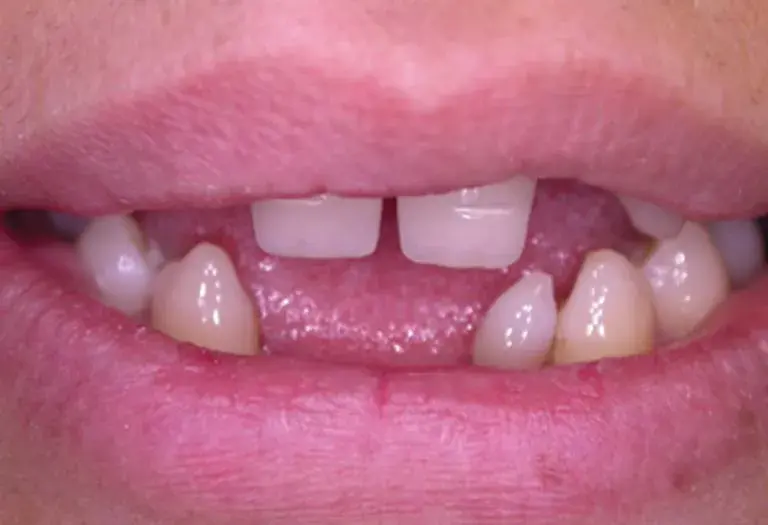
One of the biggest fears patients express when considering porcelain veneers is ending up with a mouth full of thick, blindingly white, or square teeth that look completely unnatural—often described as looking like chiclets or pieces of chewing gum.
It is a valid concern. Everyone has seen examples of artificial-looking dental work that catches attention for all the wrong reasons. In the early days of aesthetic dentistry, restorations were often crafted using one-size-fits-all molds and monochromatic porcelain shades that lacked the subtle translucency and depth of natural enamel.
Fortunately, modern cosmetic dentistry has evolved far beyond those outdated techniques. Thanks to Digital Smile Design (DSD) technology, you no longer have to cross your fingers and hope for the best. You can now test-drive, preview, and co-design your new smile down to the exact millimeter before any actual work ever begins.
Why Old-School Veneers Looked Fake and Unnatural
To understand how modern digital technology prevents fake-looking results, it helps to look at why old-fashioned veneers often failed the eye test:
1. Lack of Natural Translucency
Real human teeth are not a flat, solid white. Natural enamel is semi-translucent, meaning light passes through the outer surface and reflects off the underlying dentin. Older ceramic materials were overly opaque, creating a chalky, flat appearance that looked completely synthetic under normal lighting.
2. Ignoring Unique Facial Proportions
In the past, dental labs frequently produced generic sets of teeth that paid no attention to a patient's individual lip line, skin tone, eye alignment, or facial symmetry. A set of teeth that looks great on a small, oval face might look completely out of place on someone with a square jawline or wider smile frame.
3. Bulkiness from Inadequate Preparation or Poor Design
If a veneer is made too thick or is placed without carefully evaluating the underlying tooth structure, it creates an over-contoured, bulky shape. This not only causes teeth to look oversized, but it can also irritate the gum tissue, leading to chronic redness and swelling.
What Is Digital Smile Design (DSD) and How Does It Work?
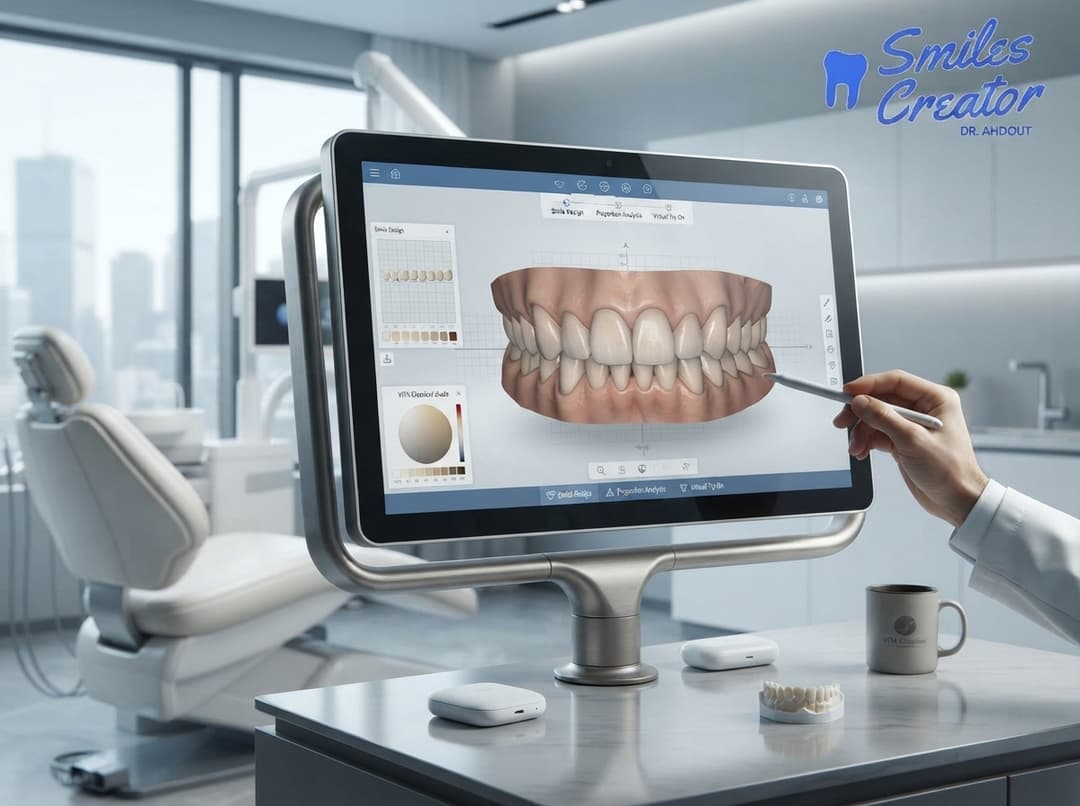
Digital Smile Design is a state-of-the-art treatment planning concept that combines high-resolution facial photography, 3D intraoral scanning, and advanced computer algorithms to design custom restorations tailored to your unique facial geometry.
Rather than looking at your teeth in isolation, DSD analyzes your entire face in motion. Here is how the process unfolds step by step:
Step 1: Comprehensive Digital Capture
Instead of taking messy, uncomfortable traditional mouth impressions, your clinical team takes high-definition digital 3D scans of your teeth. High-speed video and photos capture how your mouth, lips, and facial muscles move when you talk, laugh, and smile naturally.
Step 2: Facial Symmetry and Golden Proportion Mapping
Using specialized software, your practitioner maps key facial reference points—such as the distance between your eyes, the curvature of your lower lip, and the center line of your face. The software uses these measurements to calculate the ideal length, width, and shape for your teeth, ensuring your new smile perfectly balances your natural features.
Step 3: The "Try-In" Phase (Test-Driving Your Smile)
This is where Digital Smile Design completely removes the guesswork. Before any enamel preparation or permanent treatment takes place, a temporary physical model (mock-up) is created based on your digital design.
This model is placed directly over your existing teeth using a removable composite resin. You can look in the mirror, talk, smile, and evaluate your proposed new look in real time. If you want a corner slightly rounded, a edge softened, or a shade adjusted, changes are made instantly on the computer model until you are 100% satisfied.
The Secret to Natural-Looking Enamel: Layered Ceramics and Color Depth
Once you approve your digital prototype, master dental ceramists hand-craft your permanent veneers using high-grade lithium disilicate or zirconia ceramics. Modern master technicians prevent artificial results by:
- Incorporating Micro-Textures: Natural enamel features subtle microscopic ridges and light-reflecting textures. Hand-finishing veneers with these subtle contours keeps light from reflecting flatly off the tooth.
- Graduated Color and Opalescence: Real teeth are naturally slightly darker near the gumline and more translucent at the biting edge. Layering different ceramic shades mimics this natural gradient seamlessly.
- Custom Edge Shapes: Softer, slightly rounded edges create a warm, youthful look, while flatter, sharper edges deliver a bolder appearance. Every detail is customized to match your personality and aesthetic preferences.
Frequently Asked Questions (Q&A)
Q1: Can I choose how white my new veneers will look?
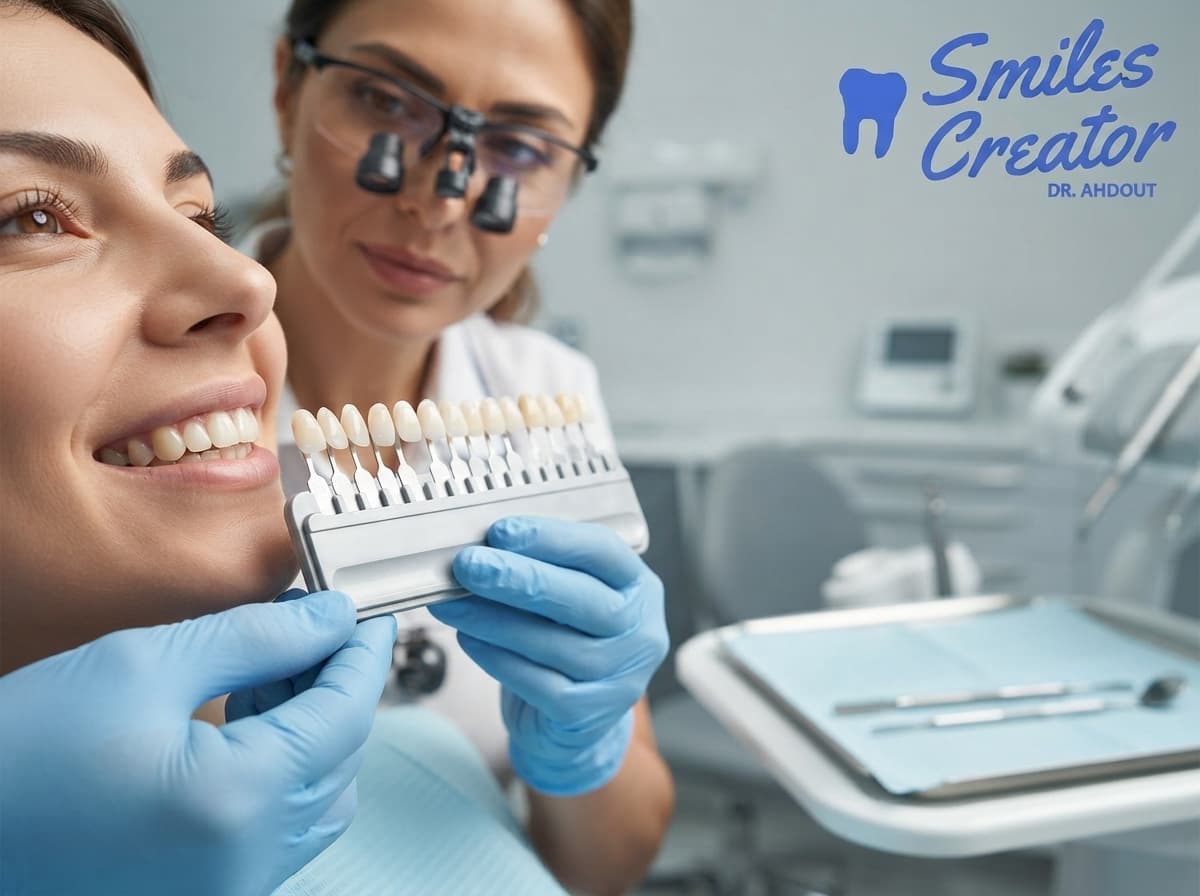
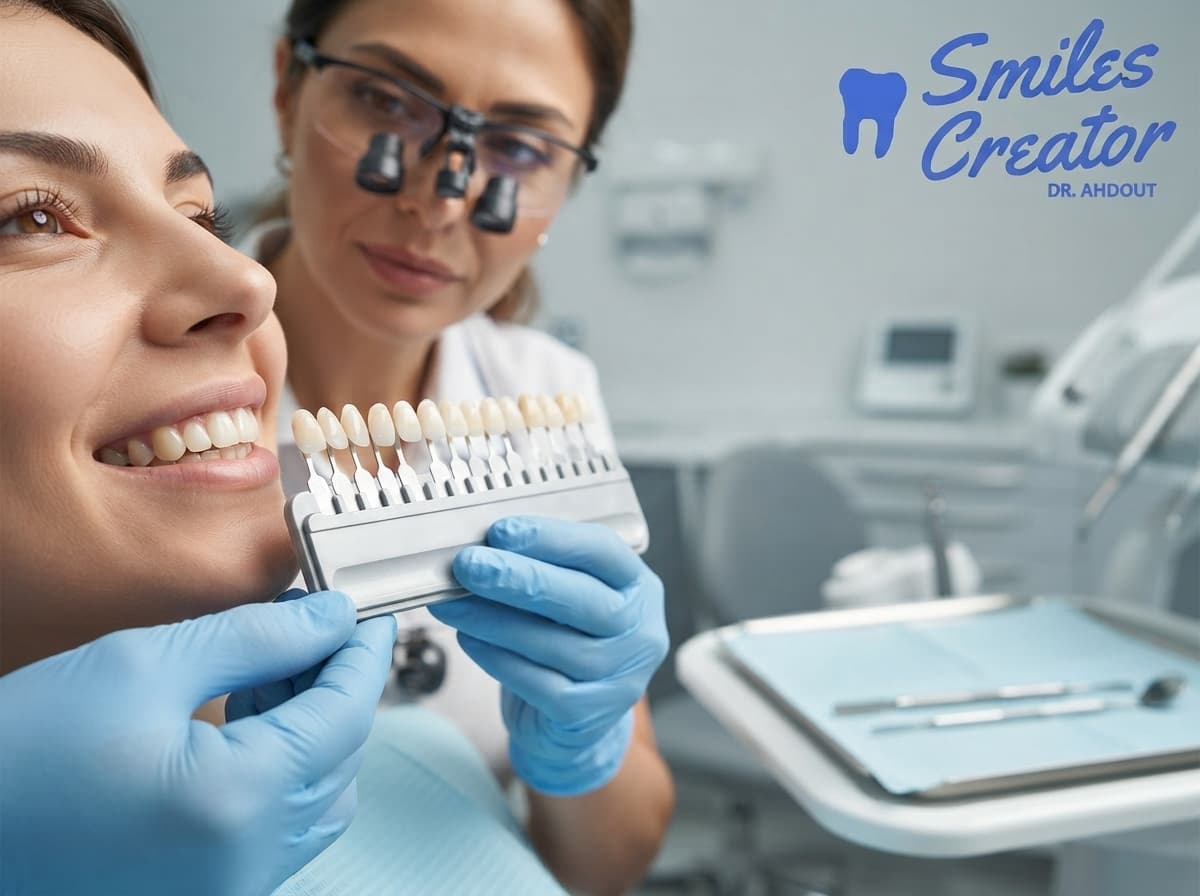
Yes! You have complete control over the shade of your new smile. Your practitioner will guide you using professional shade guides to find a color that looks bright, vibrant, and healthy without looking artificial against your natural skin tone and eye color.
Q2: Do all cosmetic dentistry practices use Digital Smile Design?
No. DSD requires specialized digital scanning technology, advanced software training, and a collaborative relationship with top-tier dental laboratories. Choosing a practice experienced in digital design guarantees a higher level of precision and predictability.
Q3: Will my natural teeth have to be filed down into tiny pegs for veneers?
No. That is a common myth popularized by extreme social media videos involving low-quality crown preparations overseas. Modern porcelain veneers are ultra-thin (often just 0.3 to 0.5 millimeters thick) and require minimal to no enamel preparation, leaving your underlying tooth structure healthy and strong.
Q4: What happens if I don't like how the preview looks during the try-in stage?
That is the exact reason the try-in stage exists! If something doesn't feel right or look the way you imagined, the design is adjusted digitally until it matches your vision perfectly. Permanent veneers are only crafted after you personally give full approval to the preview.
Design Your Ideal Smile with Smiles Creator – Dr. Nader Ahdout
You should never have to sacrifice natural beauty to achieve a straight, bright, and radiant smile. At Smiles Creator, Dr. Nader Ahdout combines advanced Digital Smile Design technology with meticulous craftsmanship to create custom porcelain veneers that enhance your natural beauty rather than replacing it.
Dr. Ahdout believes in a collaborative, transparent approach to aesthetic care. By involving you in every step of the digital design process, testing out physical previews, and listening closely to your goals, our team ensures your final results feel comfortable, function naturally, and look completely authentic.
Take the fear out of smile transformations and see your results before you begin!
Contact Our Woodland Hills Office Today:
- Brand Name: Smiles Creator – Dr. Nader Ahdout
- Address: 22116 Ventura Blvd, Woodland Hills, CA 91364
- Phone Number: (818) 340-3062
- Website: dr-ahdout.com
NA
Published by Dr. Nader Ahdout, DDS. This article is for general information and is not a substitute for a personal examination and diagnosis.

Trusted Dentist in Woodland Hills for Comprehensive Dental Care
Schedule your free consultation with Dr. Ahdout and experience high-quality cosmetic and family dentistry tailored to your smile needs.