
Dental Implants· 5 min read
Dental Implants Inspection Timing in Woodland Hills California
As a clinician who has guided many patients through restorative journeys, I often get asked when to schedule follow-ups after receiving Dental Implants. Timing matters more than most people realize: inspections at the right intervals help protect the implant, preserve surrounding bone, and catch problems before they affect overall oral health. In Woodland Hills, CA, where lifestyle and diet can influence healing, understanding inspection timing helps patients feel confident about long-term outcomes.
Dental Implants: Timing and the Healing Phases
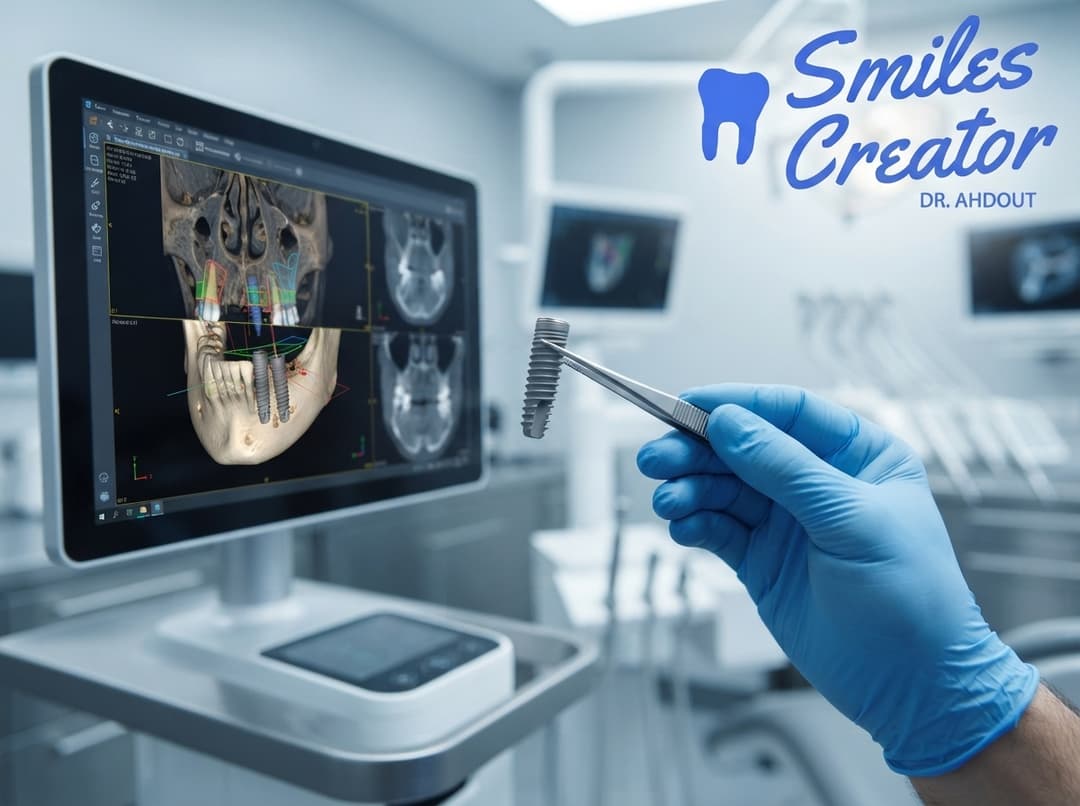
Successful integration of an implant begins with the surgical phase, followed by soft-tissue healing and osseointegration, the process where bone bonds to the implant surface. Early inspections typically occur within the first week to ensure the surgical site is clean, sutures are secure, and there are no signs of acute infection or abnormal swelling. A substantive check at three to four months assesses osseointegration progress; this is when we decide if loading the implant with a crown or abutment is appropriate. Even after functional loading, periodic reviews at six months and then annually provide reassurance that the implant remains stable and that the surrounding gum tissue is healthy.
When to Schedule Inspections in Woodland Hills
Local factors such as water hardness, dietary habits, and even seasonal allergens can subtly affect gum health, so I tailor inspection schedules to each patient. For smokers, poorly controlled diabetes, or patients with a history of periodontal disease, I recommend closer monitoring—every two to three months in the first year—because these conditions can delay healing or increase the risk of peri-implantitis. For healthy, non-smoking patients, a standard timeline—first week, then one month, three to four months, six months, and annual exams—often suffices. These visits are opportunities to examine the soft tissue, check bite dynamics, and evaluate hygiene practices that support implant longevity.
What I Look For During an Inspection
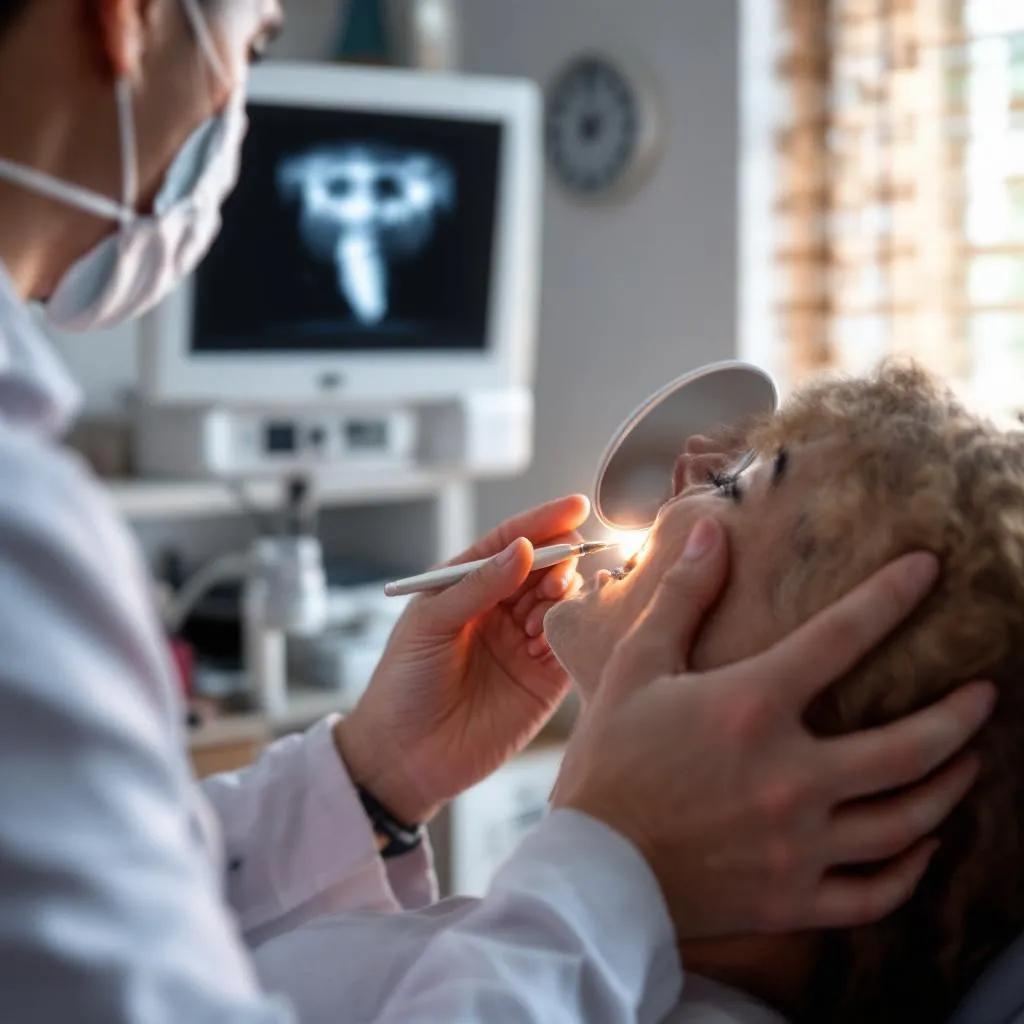
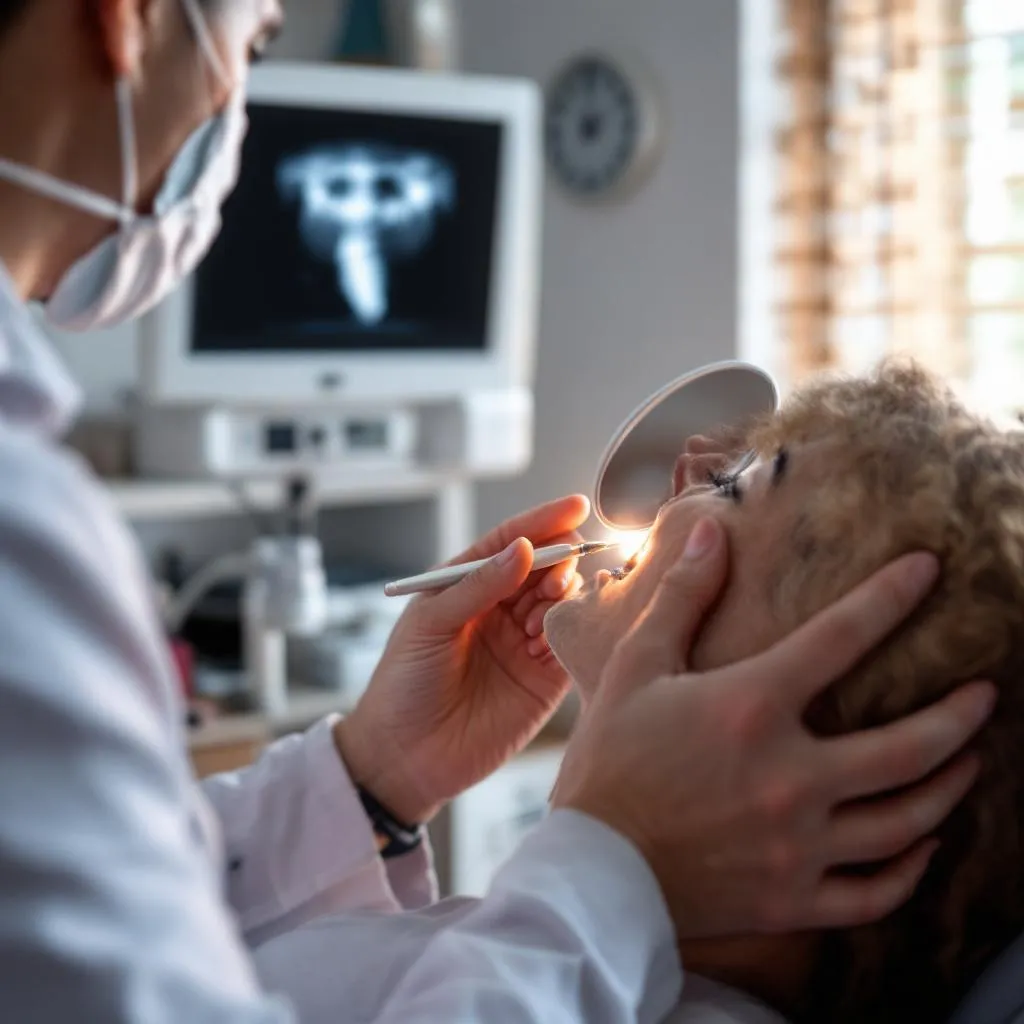
During an inspection I evaluate several interrelated signs: tissue color and contour, probing depths around the implant, any bleeding on probing, and radiographic bone levels when indicated. Gentle probing helps me detect early mucosal inflammation without disturbing the healing interface. I also assess the prosthetic components—tightness of screws, fit of abutments, and any wear on crowns that might alter force distribution. If I detect early changes, I work with the patient to correct hygiene techniques, adjust occlusion, or, if necessary, plan interventions to halt progression before implant failure becomes likely.
Signs That Mean Sooner Review Is Needed
Patients should not wait for a scheduled appointment if they notice persistent pain, mobility of the restoration, pus drainage, or a change in how the teeth fit together. These symptoms warrant urgent evaluation because they can indicate infection, mechanical failure, or bone loss. Minor sensitivity or temporary discomfort after chewing may simply reflect occlusal adjustments, but any progressive or worsening symptom should prompt immediate consultation. In my practice, I prioritize same-week appointments for these concerns to minimize risk and restore comfort quickly.
Between visits, meticulous home care is essential. I counsel patients on techniques and tools that protect implant sites without traumatizing delicate tissue. Regular professional cleanings tailored to implants can remove hidden biofilm that contributes to inflammatory changes. When patients follow recommended inspection schedules and hygiene protocols, their implants often function trouble-free for decades.
Planning Long-Term Care and Maintenance
Long-term maintenance is a partnership. After the first year of more frequent checks, most patients transition to annual radiographic and clinical evaluations unless risk factors dictate otherwise. I emphasize personalized maintenance plans: those with bruxism may need occlusal guards and closer supervision; patients with a history of periodontitis benefit from more frequent professional cleanings. These strategies reduce the likelihood of late complications and maximize the lifespan of the restoration.
FAQ: Common Questions About Dental Implants
Q: How soon after surgery should I return for a check-up? A: I typically see patients within the first week to verify early healing and again at one month to confirm the site is progressing well.
Q: Can an implant fail long after placement? A: Yes, late failures can occur, often related to infection, biomechanical overload, or inadequate maintenance; routine inspections help catch issues early.
Q: How often should I have X-rays? A: Radiographs are useful at baseline (after placement), at the time of restoration, and then periodically—often annually—based on clinical findings and risk profile.
Q: If I feel pain or notice swelling, what should I do? A: Contact your dentist immediately. Early intervention can often prevent escalation and preserve the implant.
Q: Does every patient need the same follow-up schedule? A: No; I personalize timing based on medical history, oral hygiene, and lifestyle factors to ensure optimal outcomes.
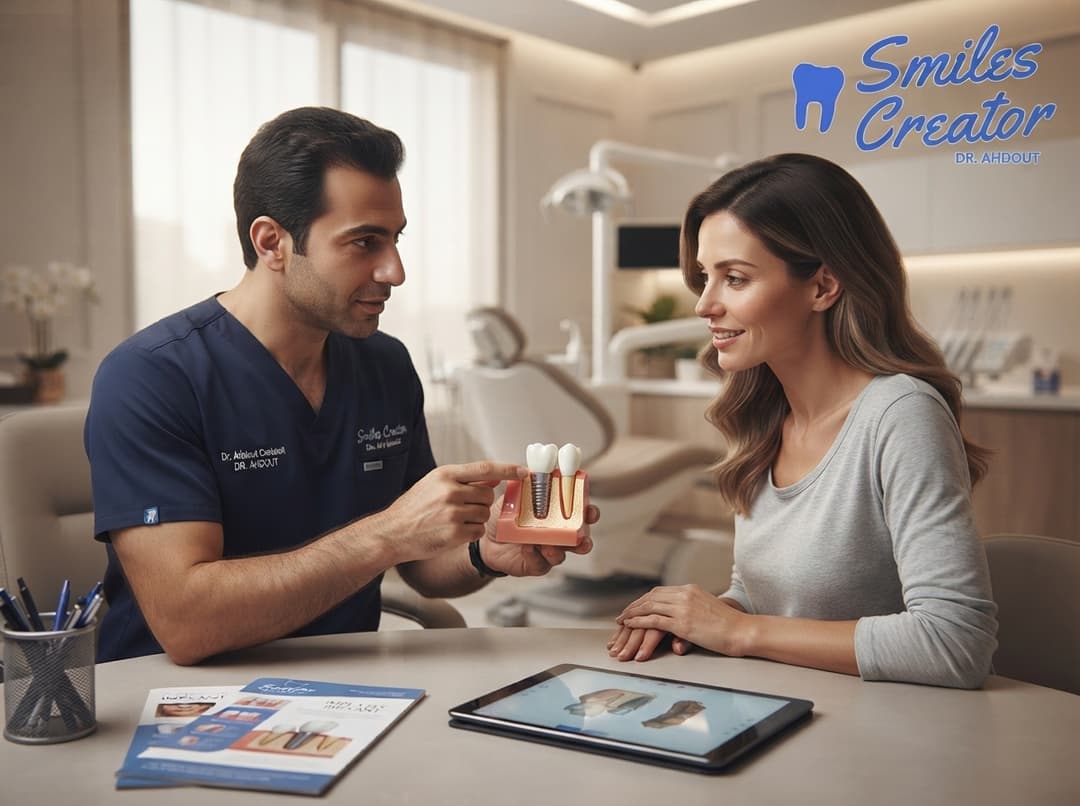
Your implant’s success depends on coordinated care, timely inspections, and informed self-care. If you have questions about when to schedule your next visit or want a personalized plan tailored to your health and lifestyle, let’s discuss the best path forward for your smile. Reach out to book a consultation for Dental Implants and maintenance planning — I’ll help you create a schedule that supports lasting results.
Dr. Ahdout
22116 Ventura Blvd, Woodland Hills, CA 91364, United States
Phone: +1 (818) 340-3062
NA
Published by Dr. Nader Ahdout, DDS. This article is for general information and is not a substitute for a personal examination and diagnosis.

Trusted Dentist in Woodland Hills for Comprehensive Dental Care
Schedule your free consultation with Dr. Ahdout and experience high-quality cosmetic and family dentistry tailored to your smile needs.