
Dental Implants· 6 min read
Common Dental Implants Issues Woodland Hills California Patients Face
As a dentist practicing in Woodland Hills, I often meet patients who are anxious about replacing missing teeth and want clear information about Dental Implants. The decision to pursue implants is significant, and while outcomes are overwhelmingly positive, it helps to understand the most common issues patients face so you can make an informed choice. In this article I’ll walk through typical complications, the reasons they occur, and practical steps you can take to minimize risk.
Understanding Dental Implants and how they integrate with your body
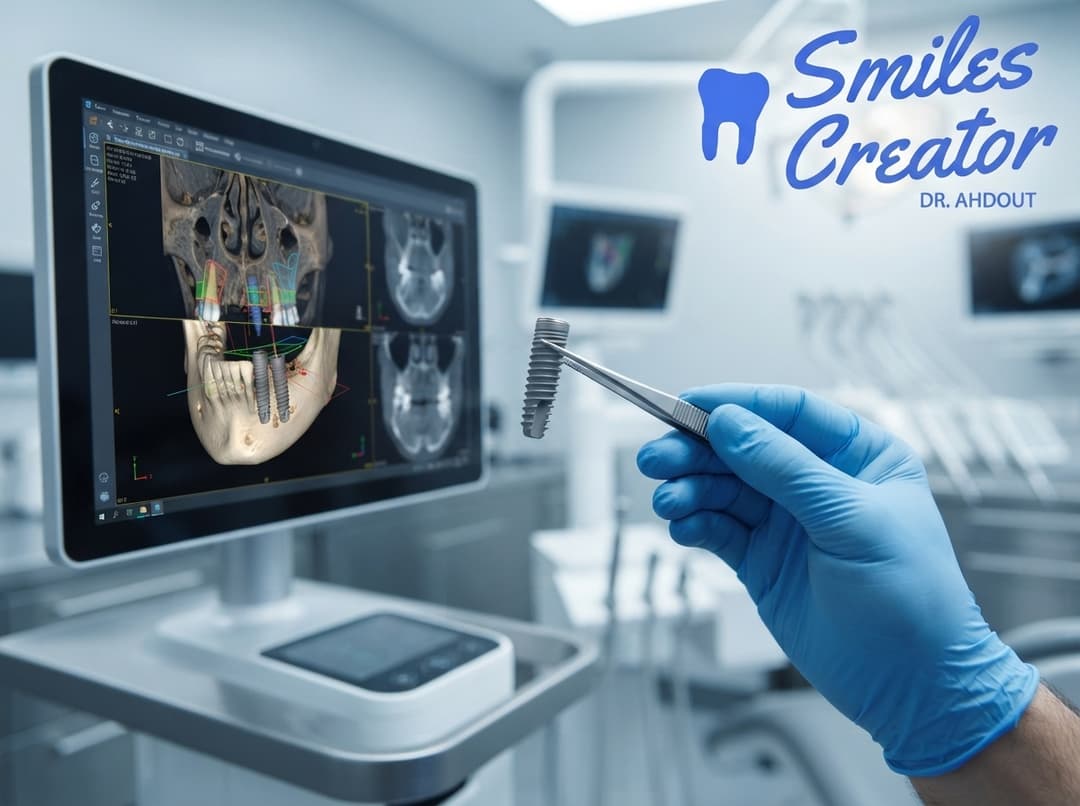
Dental Implants are titanium posts placed into the jawbone to support crowns, bridges, or dentures. The success of an implant depends on a biological process called osseointegration, where bone grows tightly around the implant surface. In Woodland Hills, as in other communities, factors like bone quality, oral hygiene, systemic health, and the skill of the surgical team influence how well an implant integrates. Patients with good bone volume and controlled medical conditions typically experience long-term stability, but awareness of potential hurdles helps set realistic expectations.
Common complications: what patients notice first
The issues patients report most often include soreness after surgery, swelling, minor infection or peri-implant mucositis, and in rarer cases, implant failure. Early postoperative pain and swelling are normal and usually subside within a week when managed with proper care and follow-up. Peri-implant mucositis—an inflammation of the soft tissues around an implant—can progress to peri-implantitis if left untreated, which affects the supporting bone. Recognizing early signs such as bleeding when brushing, persistent tenderness, or changes in gum contour can make the difference between a simple office visit and more invasive treatment.
Biological and mechanical causes behind failures
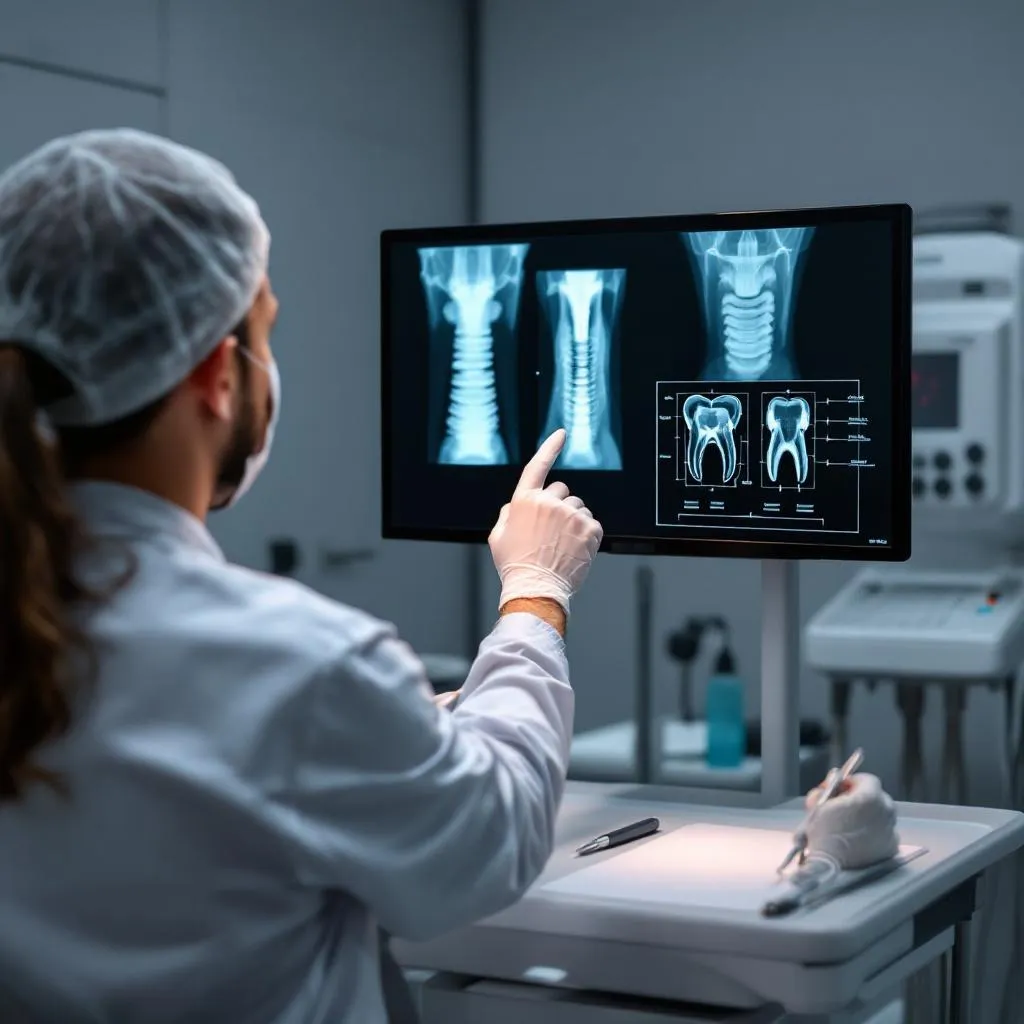
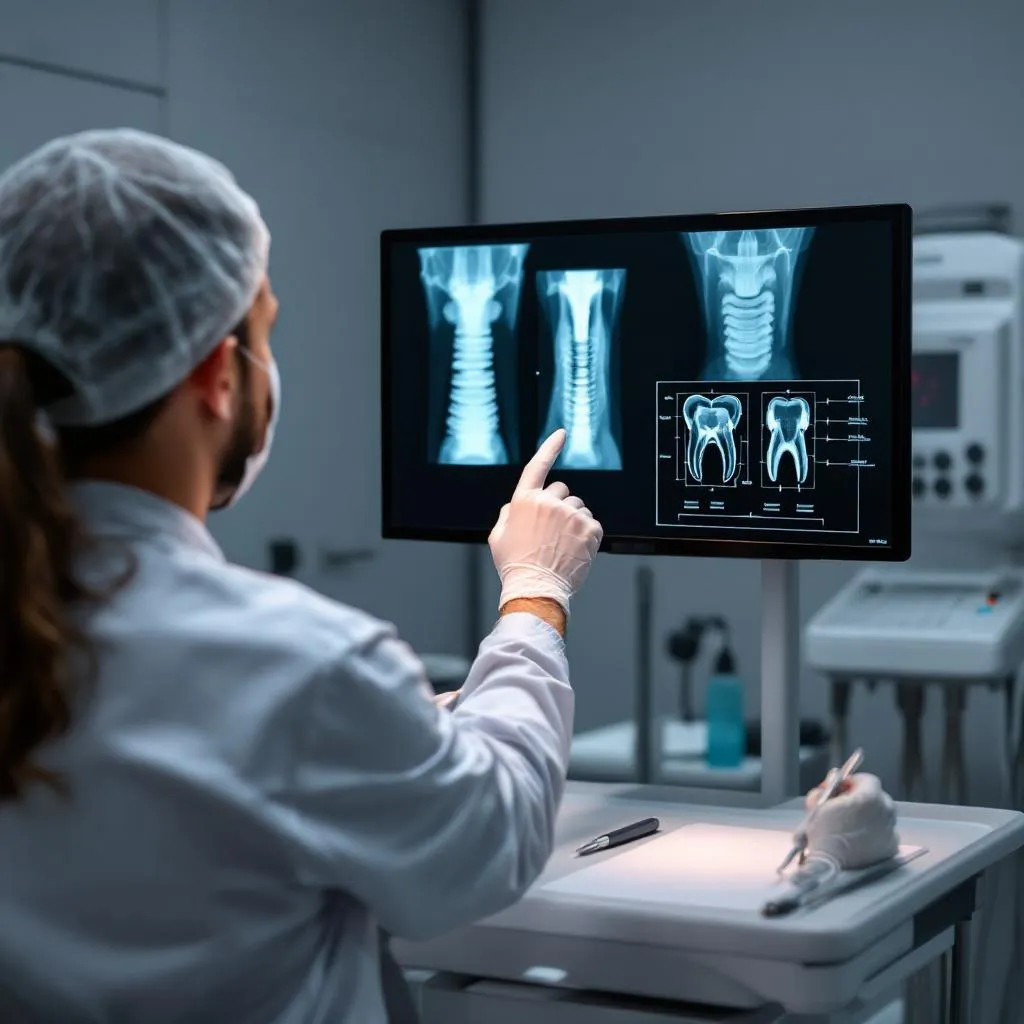
Implant problems fall into two broad categories: biological and mechanical. Biological issues include infection, poor bone quality, or systemic conditions like uncontrolled diabetes that impair healing. Mechanical problems involve the prosthetic components—loose abutments, fractured crowns, or excessive occlusal forces that wear on the implant. In my practice I emphasize a comprehensive assessment before treatment to identify risk factors like bruxism or insufficient bone height. Advanced imaging and careful planning reduce surprises and help tailor solutions such as bone grafting or protective occlusal guards when needed.
Prevention and maintenance strategies for longevity
Prevention is largely predictable and achievable with consistent care. Before implant placement, a thorough evaluation of medical history, radiographs, and oral health is essential. During treatment, sterile surgical technique and proper implant selection minimize early complications. After restoration, regular hygiene appointments combined with daily brushing and interdental cleaning around the implant are critical. I also recommend periodic professional maintenance visits to check for plaque accumulation, evaluate soft tissue health, and verify that prosthetic parts remain stable. In the middle of long-term care, appropriate maintenance reduces the likelihood of peri-implant disease and mechanical wear, which is why I often counsel patients to view their implants as a lifelong commitment rather than a one-time fix. As part of ongoing education, I refer patients to additional resources when they want to review clinical guidelines for home care and follow-up.
Managing complications when they arise
If a complication does occur, prompt assessment is crucial. Early mucositis can often be reversed with professional cleaning and improved home care. Peri-implantitis with bone loss may require surgical intervention, regenerative techniques, or in rare circumstances, implant removal. Mechanical failures typically involve tightening, repair, or replacement of the restorative components. A calm, stepwise approach—diagnose, treat the cause, and reinforce preventive measures—usually leads to favorable outcomes. In Woodland Hills, coordinating care with specialists like periodontists or oral surgeons ensures complex cases receive the expertise they need.
Patient expectations and realistic outcomes
Successful implant therapy restores function and confidence, but patients must understand that implants require maintenance similar to natural teeth. Smoking, poor oral hygiene, and uncontrolled systemic conditions increase risks and may limit candidacy. Most importantly, clear communication between patient and clinician about goals, timelines, and potential setbacks fosters trust and improves satisfaction with the final result.
Frequently Asked Questions
Q: How long do Dental Implants last? A: With proper care and regular maintenance visits, implants can last several decades. Longevity depends on bone health, oral hygiene, and avoidance of habits that place excessive stress on the restoration.
Q: Are implants painful to get? A: Discomfort is typically well controlled with local anesthesia and minimal sedation if needed. Postoperative soreness is normal for a few days but pain is usually manageable with prescribed or over-the-counter medication.
Q: What if I have bone loss and want implants? A: Many patients with reduced bone volume are still candidates after grafting or sinus lift procedures. Modern techniques allow us to rebuild the site or use alternative implant designs to support a restoration safely.
Q: How can I prevent infection around an implant? A: Consistent home care, routine professional cleanings, quitting smoking, and managing systemic health issues are the best defenses. Early evaluation at the first sign of inflammation helps prevent progression.
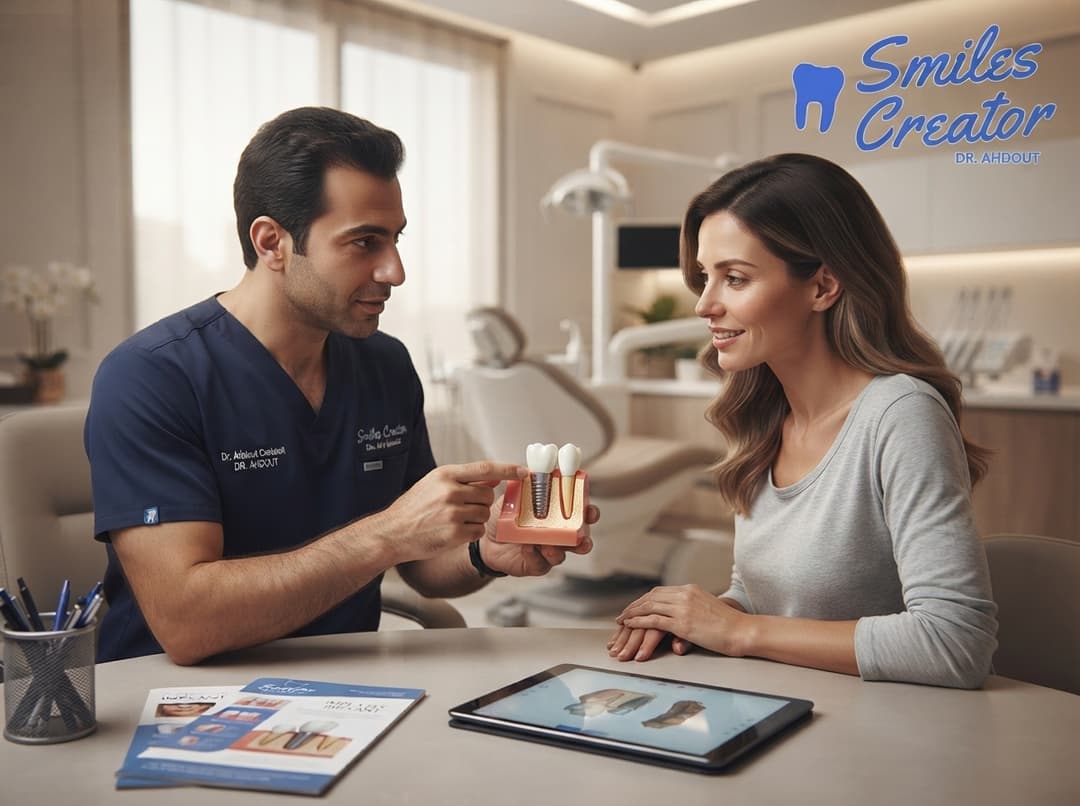
Deciding on Dental Implants is an important step toward restoring oral function and confidence. If you live in Woodland Hills and want a personalized assessment, I invite you to schedule a consultation where we can review your medical history, examine your oral structures, and outline a treatment plan that addresses your concerns. Dental Implants deserve careful planning and attentive follow-up, and my team is here to guide you through each phase to achieve predictable, lasting results.
Dr. Ahdout
22116 Ventura Blvd, Woodland Hills, CA 91364, United States
Phone: +1 (818) 340-3062
NA
Published by Dr. Nader Ahdout, DDS. This article is for general information and is not a substitute for a personal examination and diagnosis.

Trusted Dentist in Woodland Hills for Comprehensive Dental Care
Schedule your free consultation with Dr. Ahdout and experience high-quality cosmetic and family dentistry tailored to your smile needs.