
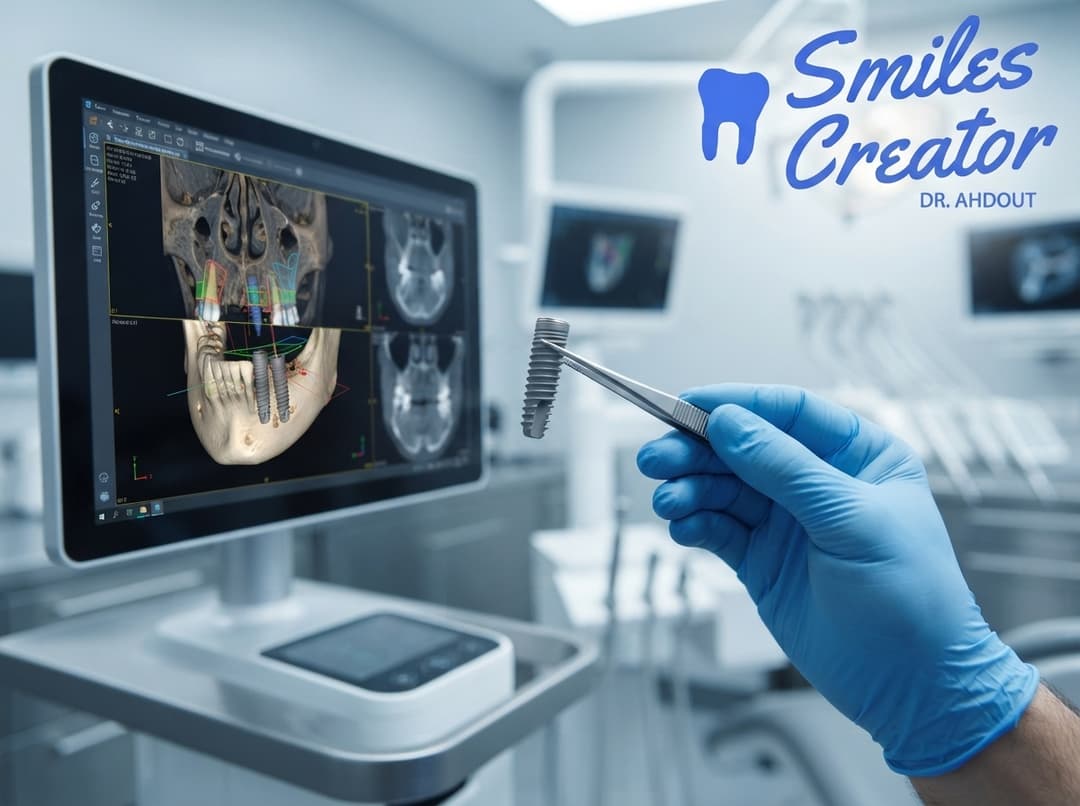
Dental Implants· 5 min read
Maintaining Dental Implants Long-Term in Woodland Hills California
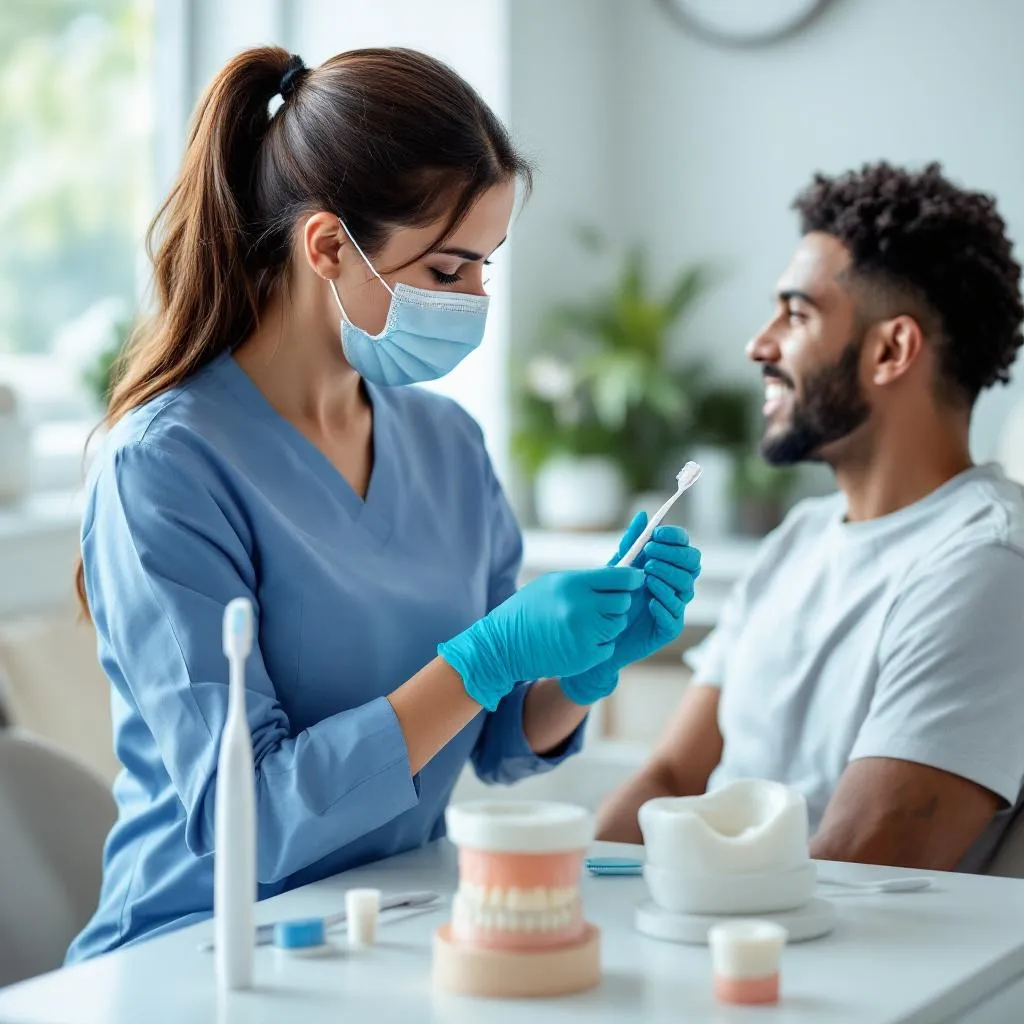
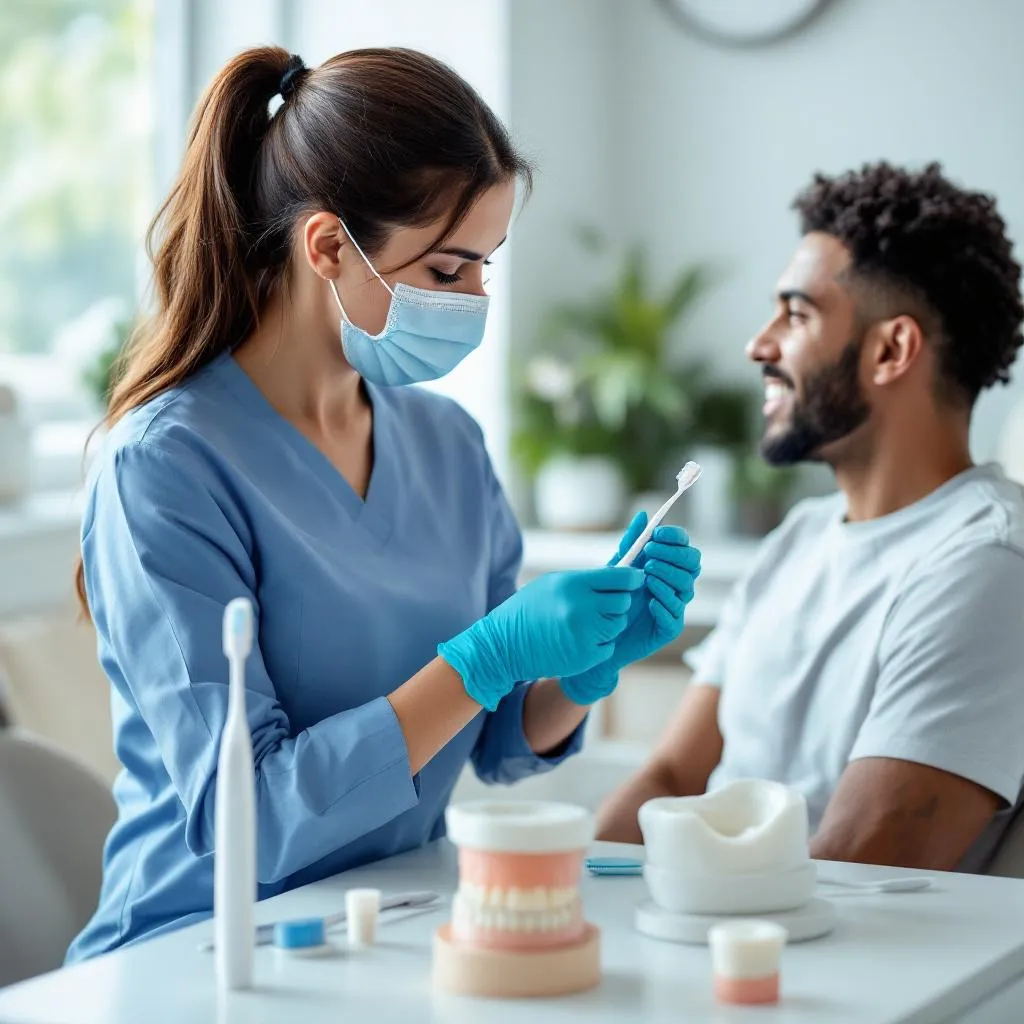
As a Woodland Hills clinician who places and restores oral implants regularly, I understand that patients come with the same central question: how can I protect my investment and ensure my Dental Implants last for decades? The short answer is that excellent home care, thoughtful lifestyle choices, and predictable professional follow-up create the environment where implants thrive. In this article I will walk you through practical, patient-friendly strategies to preserve function, comfort, and esthetics over the long term.
Dental Implants: what longevity means and patient responsibilities
When we talk about implant longevity in Woodland Hills, CA, we mean more than simply the metal post staying in the bone. We mean sustained bone and soft tissue health, stable occlusion, and reliable prosthetic integrity. As an expert clinician, I emphasize a shared-care approach: the clinical team manages surgical placement and restorative design while the patient becomes the daily steward of the tissues around the implant. Patients should expect routine hygiene, periodic clinical assessments, and clear communication about any changes.
Daily hygiene habits that protect your implant
Home care begins with effective plaque disruption. Use a soft-bristled toothbrush and adopt a methodical pattern to cover all surfaces around the implant crown. Interdental cleaning is vital; for many implant restorations I recommend special floss, interdental brushes with nylon-coated wire, or water irrigation devices depending on the space and prosthetic design. Consistent removal of biofilm prevents inflammation that can undermine both the soft tissue seal and the supporting bone.
Professional maintenance and monitoring
Clinical recall visits give us the chance to evaluate peri-implant tissues, check occlusal forces, and adjust prosthetics when needed. Radiographs taken at appropriate intervals allow us to detect subtle bone changes before symptoms arise. If you notice tenderness, persistent bleeding, or changes in mobility, prompt professional assessment is essential. In my practice I also coach patients on signs to watch for and how to avoid common pitfalls that lead to long-term complications.
Aside from in-office care, practical prosthetic choices at the time of restoration—such as screw-retained designs for retrievability and contours that facilitate cleaning—directly influence how easy it will be for you to maintain health at home. When designs are patient-friendly, recalls are more effective and outcomes are more predictable. For readers seeking more background on treatment options, my website explains the fundamentals in straightforward terms: Dental Implants.
Systemic and lifestyle factors that affect implant success
Implants are impacted by the same systemic conditions that affect natural teeth. Diabetes control, smoking cessation, and management of periodontal disease are all part of a comprehensive plan. Smoking, in particular, compromises blood flow and impairs healing; counseling and cessation support can materially improve long-term prognosis. Similarly, bruxism and heavy occlusal loads can lead to screw loosening, prosthetic fracture, or bone loss over time—occlusal guards and selective occlusal adjustments are often part of a preventive strategy.
Managing complications early
No technology is immune to complications, but early detection is the difference between minor correction and major intervention. Peri-implant mucositis can usually be reversed with improved hygiene and professional debridement, while peri-implantitis requires more intensive therapy. Because implants do not have a periodontal ligament, bone loss can progress differently than around teeth; therefore, rapid communication with your dental team when you see symptoms gives us the best chance to preserve the implant.
FAQ
Q: How often should I return for implant maintenance? A: For most patients I recommend professional maintenance every three to six months in the first year, then individualized intervals based on stability and risk factors.
Q: Can I floss around my implant? A: Yes. Proper flossing or interdental cleaning tailored to your restoration is critical—your dental hygienist can demonstrate the best technique for your specific prosthesis.
Q: What should I do if my implant feels loose? A: Contact your implant dentist immediately. Mobility may indicate a problem that needs urgent evaluation; the sooner we act, the better the chance of preserving the treatment.
Q: Are implants susceptible to decay? A: The implant fixture itself cannot decay, but surrounding tissues can develop inflammation and the restoration materials can fail—regular care prevents both.
Your implants are a long-term partnership between you and your dental team. Staying informed, keeping appointments, and communicating concerns early are simple steps that yield durable, functional results. If you live in Woodland Hills and want personalized guidance on preserving your investment, I offer tailored maintenance plans and clear, evidence-based recommendations. To discuss your case or schedule a consultation about your Dental Implants, contact our office today—our team will help you create a practical plan to maintain health and confidence for years to come.
Dr. Ahdout
22116 Ventura Blvd, Woodland Hills, CA 91364, United States
Phone: +1 (818) 340-3062
NA
Published by Dr. Nader Ahdout, DDS. This article is for general information and is not a substitute for a personal examination and diagnosis.

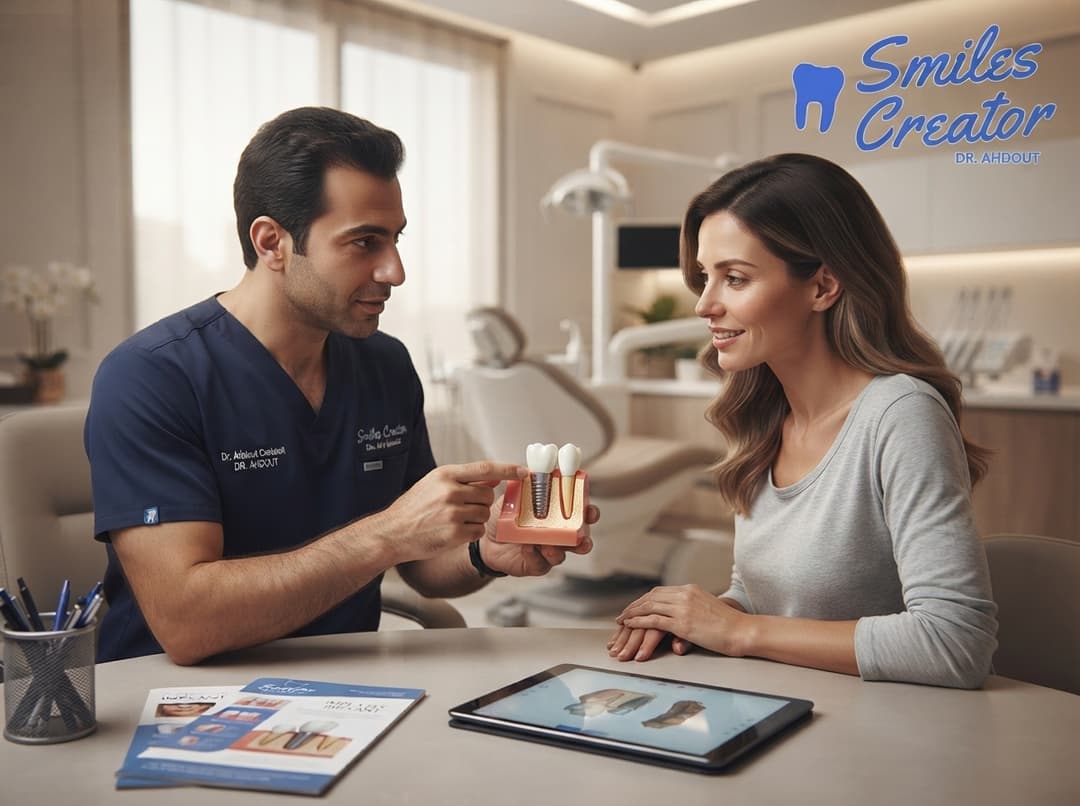
Trusted Dentist in Woodland Hills for Comprehensive Dental Care
Schedule your free consultation with Dr. Ahdout and experience high-quality cosmetic and family dentistry tailored to your smile needs.