
Dental Implants· 6 min read
Common Dental Implants Issues Reported in Woodland Hills California
As a Dental Implants expert practicing in Woodland Hills, CA, I often hear similar concerns from patients who are worried about complications after treatment. In this article I will walk you through the most common problems I see, explain what typically causes them, and outline practical steps for prevention and recovery. If you or someone you care for is researching options, this guidance will help clarify expectations and next steps. For a reliable starting point and more detailed treatment information, many patients find our practice resource helpful: Dental Implants.
Dental Implants: Common Issues Reported Locally
When patients in Woodland Hills describe their experiences, a few patterns emerge. The first category is surgical-related complications, which can include excessive bleeding, swelling, or temporary numbness. These are most often transient and related to the tissue response and nerve proximity. A second group of problems involves the implant integration with bone; when osseointegration does not proceed as expected, patients may notice persistent mobility or discomfort. A third frequent concern is infection around the implant site, referred to clinically as peri-implantitis, which can be subtle at first and then progress to more significant bone loss if untreated. Finally, restorative issues such as a loose crown, an improperly timed bite adjustment, or esthetic dissatisfaction are common reasons patients seek follow-up care.
How We Evaluate and Diagnose Problems
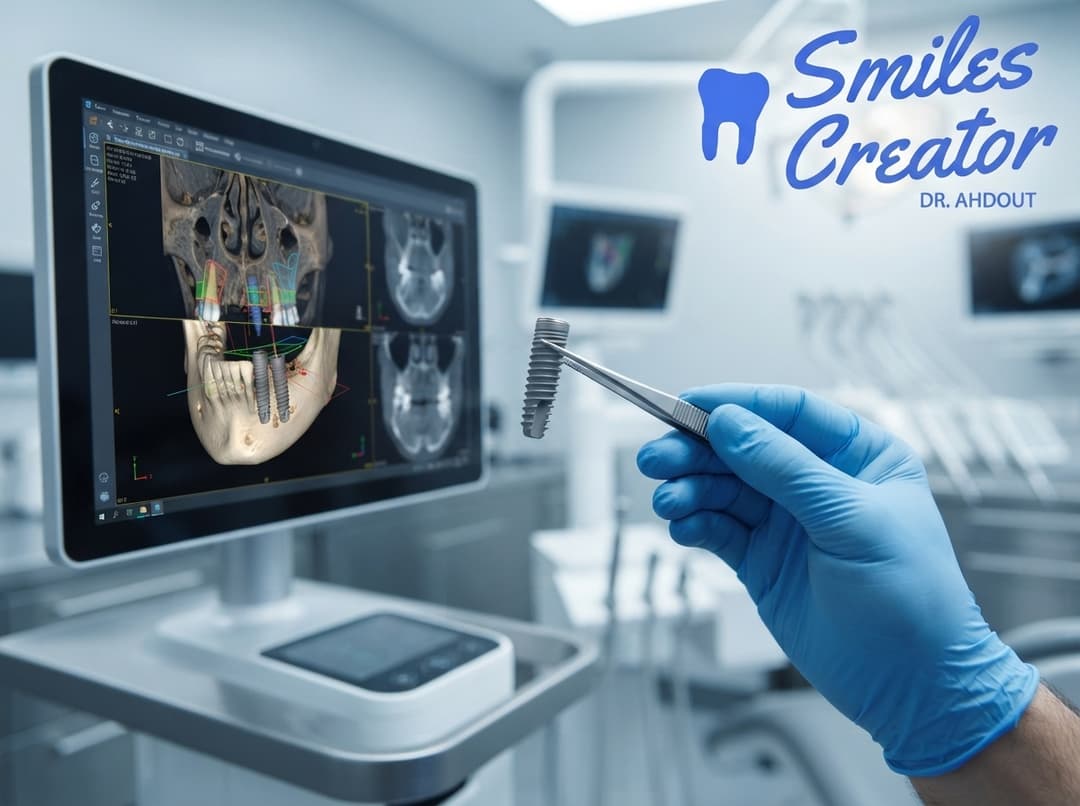
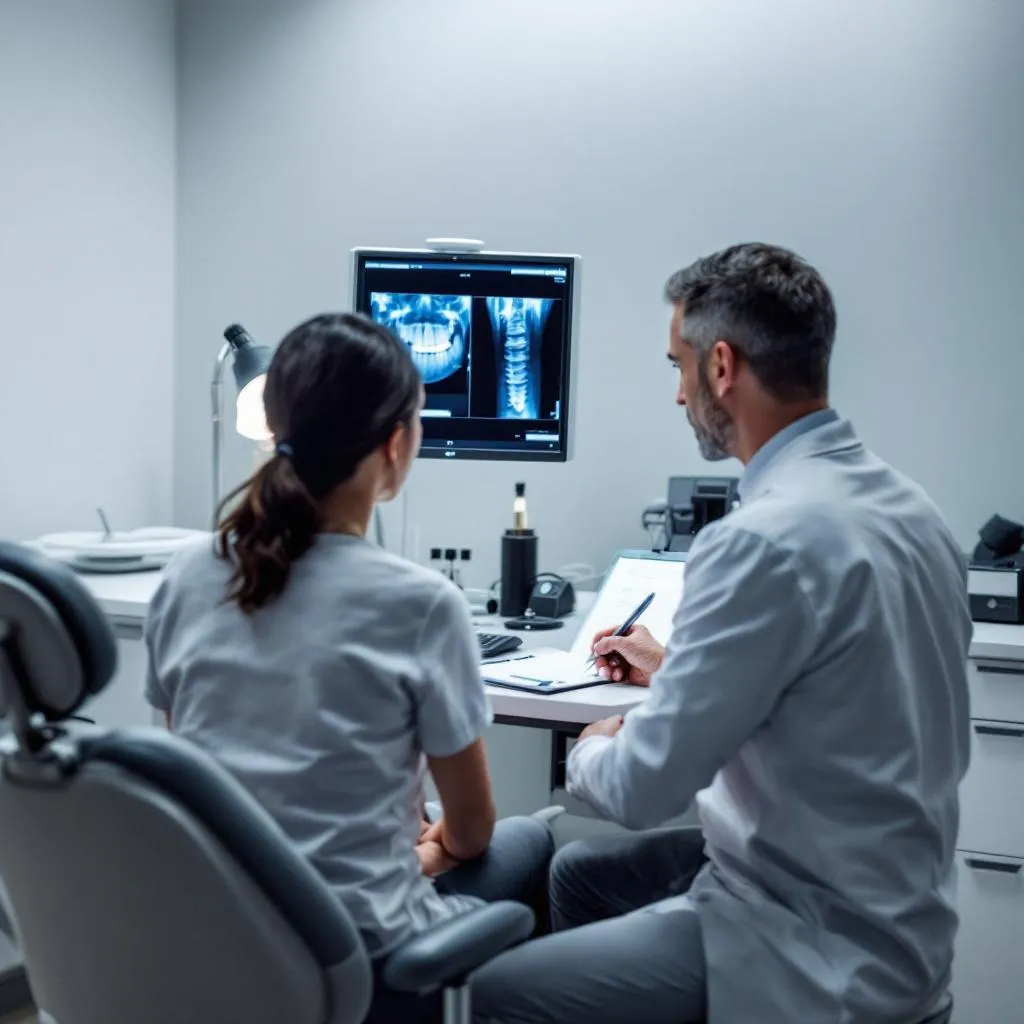
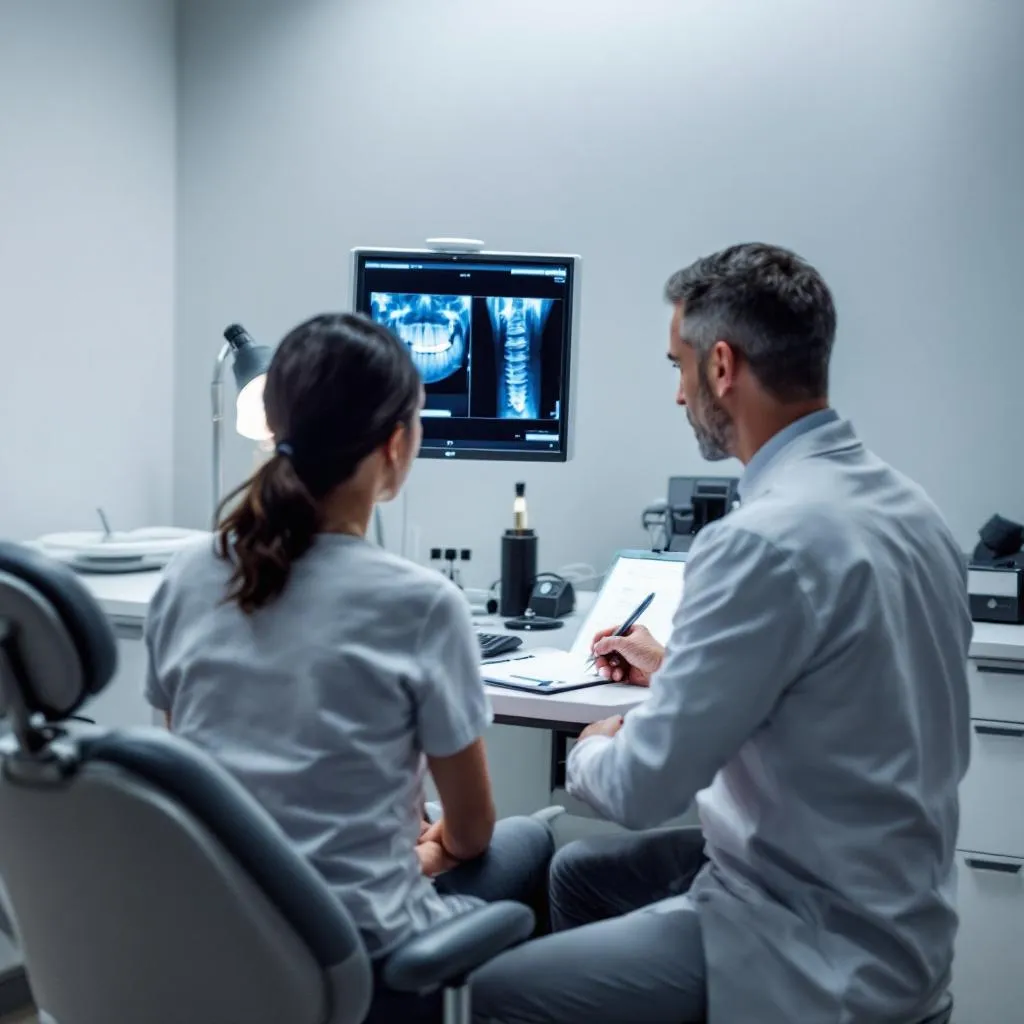
Diagnosis begins with a careful history and clinical exam, both of which help me determine if the issue is immediate and surgical, biologic, or prosthetic in nature. I use radiographs and sometimes three-dimensional imaging to assess bone levels and implant position. Objective tests, such as mobility checks and periodontal probing around the implant, help differentiate between an infected site and mechanical loosening. For patients concerned about pain or a change in sensation, a focused neurological exam identifies whether nerves were affected and whether the condition is improving or requires intervention. Woodland Hills patients benefit from this methodical approach because it identifies the root cause rather than just treating symptoms.
Preventing Complications and Promoting Longevity
Prevention begins before the implant is placed. Proper planning—evaluating bone quantity and quality, addressing any periodontal disease, and selecting the correct implant system and prosthetic design—reduces the chance of future complications. During surgery, gentle tissue handling and precise placement lower the risks of nerve irritation and sinus involvement. After placement, a tailored maintenance program including professional cleanings, soft-tissue checks, and at-home hygiene reduces the risk of peri-implantitis. Patients who smoke or who have uncontrolled systemic conditions may face higher risks and require additional counseling and monitoring. For ongoing care, patients in Woodland Hills rely on trusted local teams and educational materials to maintain optimal results; resources like Dental Implants are often referenced to reinforce best practices.
Treatment Options When Problems Arise
Treatment depends on the underlying cause. Early soft-tissue infections may respond to local debridement and antiseptic rinses plus short courses of antibiotics when indicated. For peri-implantitis with bone loss, regenerative approaches can be considered, including bone grafting and guided tissue regeneration combined with meticulous cleaning of the implant surface. Mechanical issues, such as loose crowns or stripped screws, are frequently resolvable by the restorative dentist without implant removal. In rare cases of failed osseointegration or severe infection, removal and delayed re-implantation after healing may be the safest path. The key is timely identification and a treatment plan that addresses both the immediate problem and the factors that contributed to it.
Patient Experience and Expectations in Woodland Hills
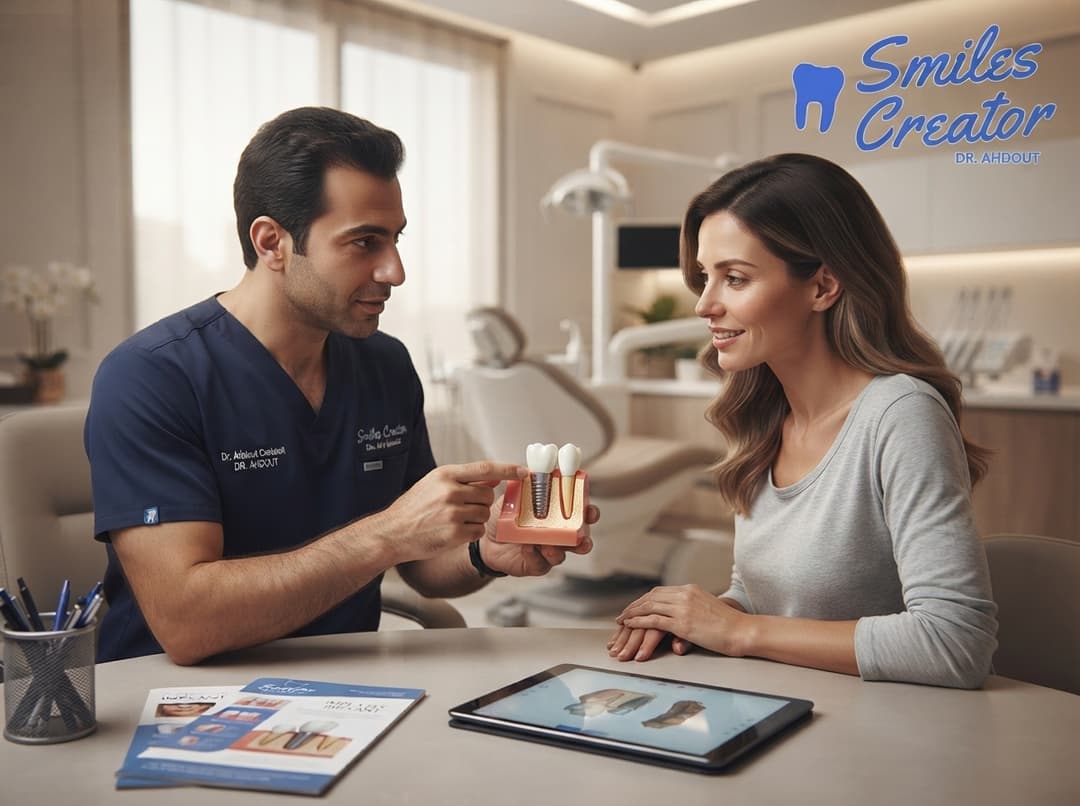
Transparent communication about realistic outcomes is an essential part of care. Many patients come to me expecting a perfect, maintenance-free result, but implants require the same diligence as natural teeth over a lifetime. I make it a point to set expectations regarding healing times, potential complications, and the importance of follow-up. When patients understand the timeline and what symptoms warrant earlier evaluation, we can often catch problems before they become complex. The goal is to empower patients with knowledge so they can be active partners in maintaining their oral health and preserving their investment.
FAQ
Q: How soon should I contact my dentist if I notice pain after implant surgery?
A: Contact your dental team promptly if you experience increasing pain, swelling, persistent bleeding, or numbness that does not improve. Early assessment helps determine if the issue is routine healing or something that needs intervention.
Q: Can peri-implantitis be reversed?
A: In early stages, peri-implantitis can sometimes be managed with non-surgical therapy, improved hygiene, and antimicrobial measures. More advanced cases may require surgical intervention and regenerative techniques to restore lost bone.
Q: Will a failed implant affect my other teeth?
A: A failed implant is generally localized, but infection or poor oral hygiene can affect adjacent teeth and supporting structures. Addressing the problem early minimizes risk to neighboring teeth.
Q: How often should I have maintenance visits after getting an implant?
A: Most patients benefit from professional checkups and cleanings every three to six months initially, then tailored intervals based on individual risk and oral health stability.
Q: Are implants painful long-term?
A: Long-term pain is uncommon; most discomfort is related to healing or treatable complications. Persistent pain should always be evaluated to identify and correct the cause.
If you are in Woodland Hills and facing concerns about your dental work, scheduling a thoughtful evaluation is the next best step. I encourage you to reach out for an assessment so we can review your history, examine the area, and develop a personalized plan to restore comfort and function. For reliable information and to start that conversation, learn more about our implant services here: Dental Implants. As a local clinician, I am committed to helping patients achieve predictable, long-lasting outcomes with compassion and clear communication.
Dr. Ahdout
22116 Ventura Blvd, Woodland Hills, CA 91364, United States
Phone: Find us on Google Maps
NA
Published by Dr. Nader Ahdout, DDS. This article is for general information and is not a substitute for a personal examination and diagnosis.

Trusted Dentist in Woodland Hills for Comprehensive Dental Care
Schedule your free consultation with Dr. Ahdout and experience high-quality cosmetic and family dentistry tailored to your smile needs.