
Dental Implants· 6 min read
Maintenance Essentials for Dental Implants in Woodland Hills California
As a dental implants expert practicing in Woodland Hills, I often meet patients who are surprised to learn that the long-term success of a restored smile depends as much on maintenance as on the initial surgery. Dental Implants are designed to function like natural teeth, but they require a tailored care routine and informed follow-up to remain healthy and comfortable. In this piece I’ll walk you through practical everyday strategies, professional checkups, and how to respond to common concerns so your restoration lasts for years.
Why Dental Implants require dedicated maintenance
Dental implants integrate with jawbone and become a stable foundation for crowns, bridges, or dentures. This integration reduces many of the problems associated with removable prosthetics, but implants still need attention because the surrounding gum tissue and bone are vulnerable to inflammation and infection. Unlike natural teeth, implants lack a periodontal ligament, so the clinical signs of trouble can be more subtle. My goal is to help Woodland Hills patients recognize the early signs of complications and adopt habits that preserve both the implant and the supporting tissues.
Daily oral care practices that protect your investment
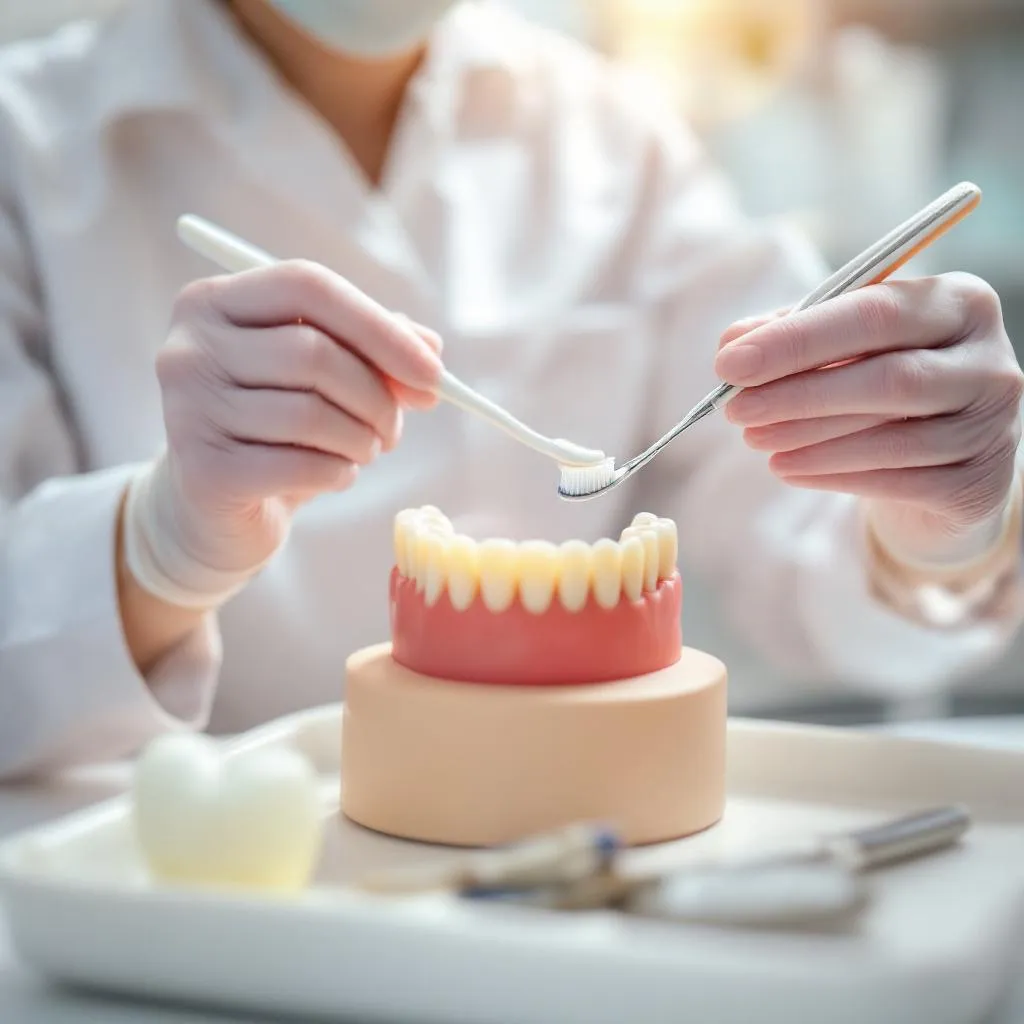
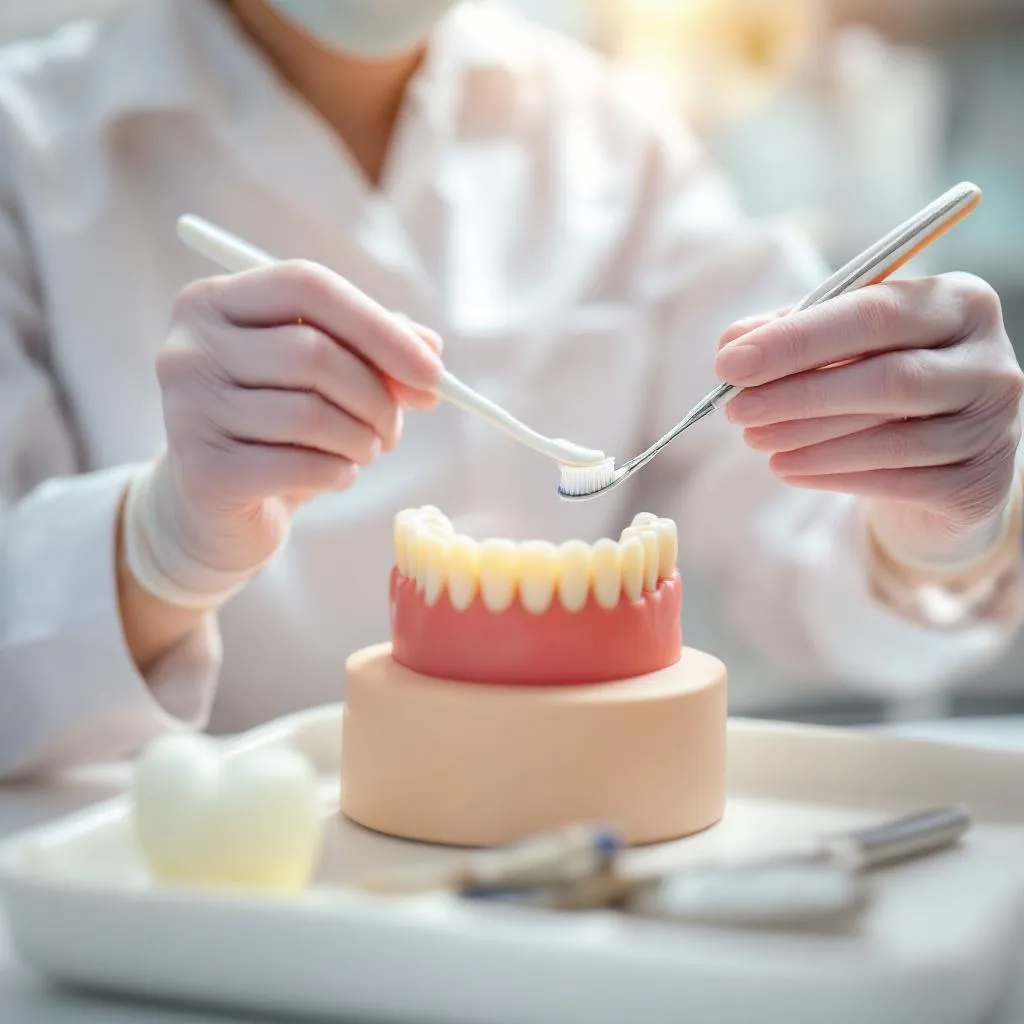
A consistent home-care routine is the cornerstone of implant longevity. Brushing twice a day with a soft-bristled brush and using a low-abrasive toothpaste helps prevent plaque buildup around the implant crown. Interdental cleaning is also vital; many patients find that floss or specially designed interdental brushes clean the spaces around an implant most effectively. Gentle techniques make a big difference: avoid aggressive sawing motions and focus on cleaning without irritating the gum. Smoking cessation, hydration, and a balanced diet support healing and reduce risks, so I counsel patients on lifestyle choices along with technique.
Professional monitoring and when to schedule appointments
Regular professional checkups allow us to assess the implant, surrounding bone, and soft tissue before problems progress. Typically, I see implant patients every three to six months initially, then personalize the schedule based on stability and oral health. During visits we evaluate occlusion (how your teeth meet), check for mobility, and take radiographs when needed to monitor bone levels. Professional cleanings use instruments that are implant-friendly to avoid scratching the titanium surface while effectively removing tartar. These visits are also an opportunity to address habits like clenching or grinding that can place excessive force on the restoration.
Managing complications: what to watch for and early interventions
Peri-implant mucositis and peri-implantitis are terms you may hear; they describe inflammation that, if untreated, can lead to bone loss. Signs include persistent redness, swelling, bleeding on probing, or discomfort around the implant. If you notice these symptoms, call your implant dentist promptly. Early interventions often restore tissues with minimally invasive therapy and improved hygiene instruction. In more advanced cases, targeted cleaning under local anesthesia or surgical approaches may be necessary to preserve the implant and jawbone. Timely action dramatically improves outcomes.
Restorative materials and patient-specific considerations
>The choice of restorative materials and abutment design can affect maintenance needs. Some crown materials attract less plaque and are easier to clean, while certain implant positions may require special attention. During treatment planning, I discuss not only the surgical aspects but also which restorative options align with a patient’s oral hygiene habits and lifestyle. For example, patients with limited dexterity benefit from designs that facilitate easier cleaning; those who grind their teeth might receive a protective nightguard to reduce mechanical stress.
Education and partnership are central to how I care for implant patients in Woodland Hills. When patients understand both the rationale behind recommendations and the practical steps to follow, they feel empowered and see better long-term results. In the course of routine conversations I also cover emergency scenarios, such as what to do if a crown becomes loose or if you experience sudden pain, so you can act quickly and reduce the risk of further complications.
Midway through maintenance, many patients ask for resources to reinforce learning; when you need a reliable reference, I recommend reading practice-vetted materials and scheduling a follow-up discussion. For direct guidance about techniques and local care, please visit Dental Implants which outlines practical steps and what to expect at each stage of care.
FAQ
Q: How often should I have my implants professionally checked? A: Most patients begin with visits every three to six months. Once stability is established, we may extend intervals to six months or yearly depending on your oral health and risk factors.
Q: Can implants get cavities? A: The implant itself cannot decay, but the crown material can be compromised and the surrounding gum tissue can develop inflammation. Proper hygiene prevents most issues.
Q: Are there special cleaning tools I should use? A: Yes. Soft brushes, non-abrasive toothpaste, and implant-specific interdental brushes or floss are often recommended; I tailor tool selections to each patient’s anatomy and dexterity.
Q: What if I grind my teeth? A: Grinding increases stress on implants. We may prescribe a nightguard and adjust the restorative design to distribute forces more evenly.
If you have other questions, bring them to your next appointment so we can create a maintenance plan that fits your lifestyle and oral health needs.
Keeping your restored smile healthy requires both informed daily care and regular professional oversight. If you are considering treatment or already have an implant and want a personalized maintenance plan, contact our Woodland Hills practice for guidance and support. Learn more and request an appointment through our patient resources: Dental Implants. Dental Implants remain one of the most reliable ways to restore function and confidence when cared for properly.
Dr. Ahdout
22116 Ventura Blvd, Woodland Hills, CA 91364, United States
Phone: Find us on Google Maps
NA
Published by Dr. Nader Ahdout, DDS. This article is for general information and is not a substitute for a personal examination and diagnosis.

Trusted Dentist in Woodland Hills for Comprehensive Dental Care
Schedule your free consultation with Dr. Ahdout and experience high-quality cosmetic and family dentistry tailored to your smile needs.