
Cosmetic Dentistry· 5 min read
Cosmetic Dentistry Maintenance Tips for Woodland Hills California
As a cosmetic dentistry specialist serving Woodland Hills, CA, I frequently meet patients who have invested in beautiful smiles and want to ensure those results last. Carefully planned maintenance can make the difference between short-term sparkle and a lifetime of confidence. In this guide I’ll share practical, evidence-based advice grounded in daily routines and professional care, starting with what I tell every new patient who has chosen Cosmetic Dentistry treatments to enhance their smile.
Cosmetic Dentistry Maintenance Basics
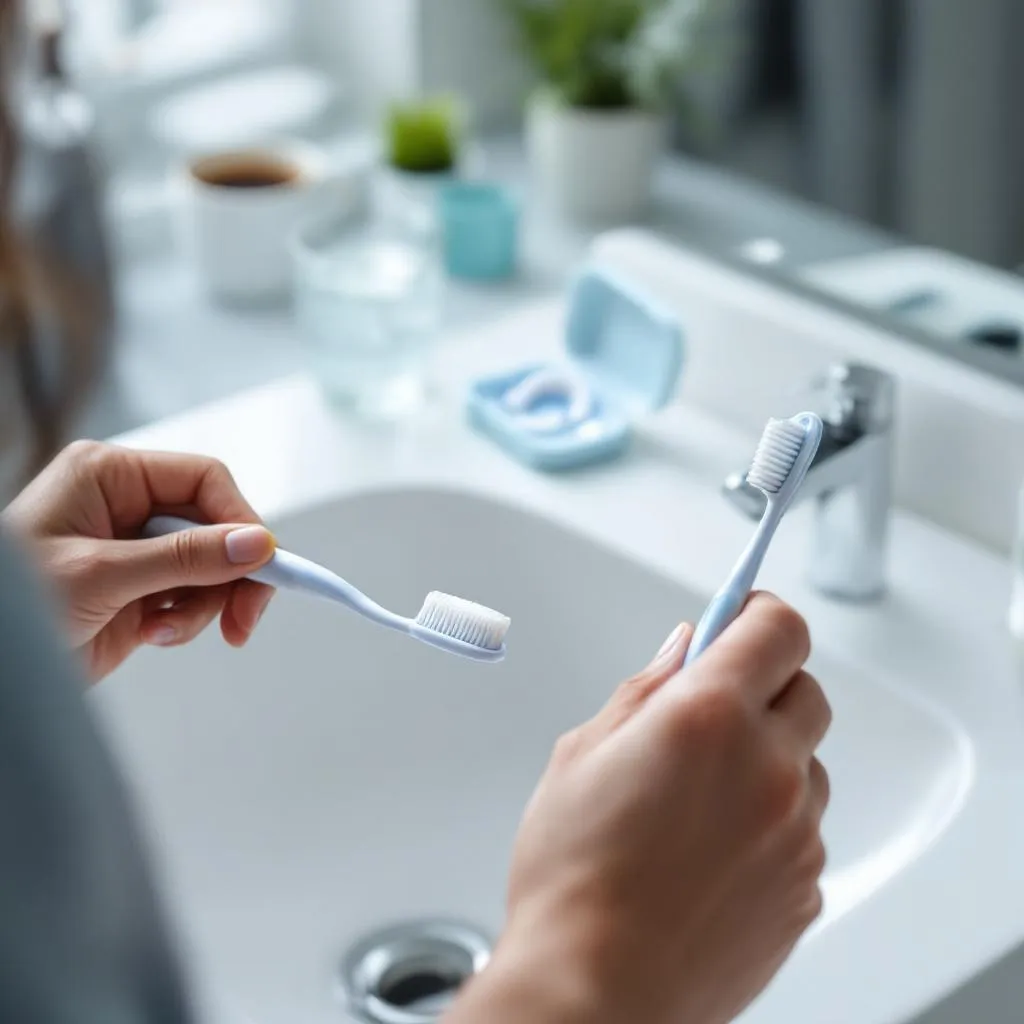
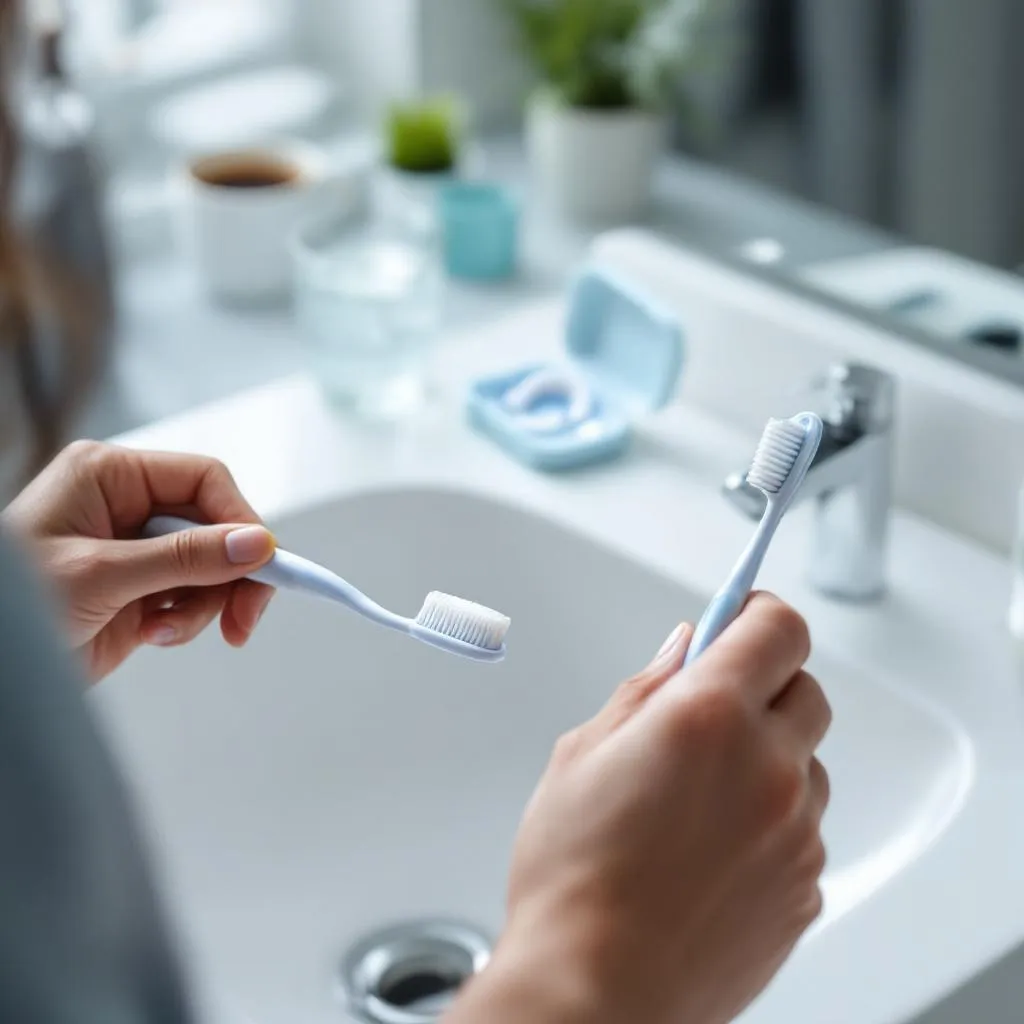
Understanding the basics is the first step. Many cosmetic restorations—veneers, crowns, bonding, and teeth whitening—respond well to consistent home care and regular professional attention. Brushing with a soft-bristled brush, flossing daily, and using a non-abrasive fluoride toothpaste protect both natural enamel and restorations. I emphasize gentle technique: excessive force can abrade margins or loosen cemented work, while the right products help prevent staining without damaging delicate surfaces. Routine oral hygiene is the foundation of long-term success.
Daily Habits That Preserve Results
Small, daily choices accumulate. Avoiding foods and beverages that stain—like dark sodas, tea, red wine, and highly pigmented sauces—will slow discoloration of both natural teeth and some restorations. Tobacco products accelerate staining and can compromise gum health around veneers and crowns, so cessation is one of the most impactful steps a patient can take. I also recommend wearing a nightguard for patients who clench or grind; mechanical stress is a leading cause of premature wear and fracture of cosmetic work, and a custom appliance protects your investment.
Professional Follow-up and Maintenance
Regular checkups are essential. Even the most meticulously cared-for restorations benefit from periodic professional cleaning and inspection. In our practice we schedule follow-ups to monitor margins, address minor repairs before they become major, and polish surfaces to maintain luster. Having an expert evaluate bite forces and alignment helps prevent uneven wear. If you notice sensitivity, discoloration, or a change in how a restoration feels, prompt evaluation often allows for simpler, more conservative fixes than waiting until a problem becomes urgent.
Special Considerations for Veneers, Crowns, and Bonding
Each restoration type has nuances. Porcelain veneers resist stains better than composite bonding, but porcelain can chip if exposed to undue force. Crowns protect a damaged tooth but require attentive care at the gum line to prevent recession. Composite repairs are versatile and repairable, yet they may need more frequent touch-ups. When planning any restoration I discuss the trade-offs so patients know what to expect and how to care for their specific materials. Midway through a maintenance plan, I often review a patient’s lifestyle and habits and may adjust recommendations or refresh a restoration; this is also an opportune time to revisit the educational resources I provide about Cosmetic Dentistry so patients leave with a clear action plan.
Diet, Lifestyle, and Long-Term Longevity
Nutrition and lifestyle choices shape oral health over years. Acidic foods and beverages can erode enamel and weaken margins, so limiting citrus and carbonated drinks helps preserve restoration integrity. Hydration supports saliva flow, which naturally buffers acids and aids in remineralization. For active patients, mouth protection during sports prevents traumatic damage, and avoiding using teeth as tools (for opening packages, for example) eliminates unnecessary risk. These seemingly small safeguards compound into meaningful preservation of cosmetic results.
When to Seek Professional Care Sooner
Not all problems announce themselves loudly. A tiny chip, a hairline crack, or a subtle change in bite can lead to more significant issues if unaddressed. If you experience sharp localized pain, persistent sensitivity, loosening of a restoration, or a visible change in appearance, contact your cosmetic dentist promptly. Early intervention typically allows for more conservative solutions—repair instead of replacement—and preserves surrounding tooth structure and gum health.
FAQ
Q: How often should I schedule professional cleanings after cosmetic treatment? A: Most patients benefit from a professional cleaning and exam every six months, though your provider may recommend more frequent visits if you have specific risk factors.
Q: Can whitening damage veneers or crowns? A: Whitening products do not change the color of porcelain or composite restorations. It’s best to whiten natural teeth before placing restorations so the final match is stable, and to use professional guidance if attempting touch-ups later.
Q: Are there special products I should use for cosmetic restorations? A: Choose non-abrasive toothpaste and a soft brush. Avoid whitening toothpaste with high abrasivity for restored surfaces unless your dentist approves a specific product.
Q: How long do veneers and crowns typically last? A: Longevity varies with materials, habits, and care. With proper maintenance and routine dental care, many restorations last a decade or more, and some last much longer.
Maintaining a confident, healthy smile from cosmetic work is a partnership between patient and dentist. If you’re considering enhancements or already enjoy the results of recent treatment, make maintenance a priority. For personalized guidance tailored to your restorations and lifestyle, reach out to discuss an individualized plan that preserves your investment and keeps your smile radiant. As always, our Woodland Hills patients find that proactive care and timely professional attention make all the difference in sustaining results from Cosmetic Dentistry.
Dr. Ahdout
22116 Ventura Blvd, Woodland Hills, CA 91364, United States
Phone: +1 (818) 340-3062
NA
Published by Dr. Nader Ahdout, DDS. This article is for general information and is not a substitute for a personal examination and diagnosis.
Trusted Dentist in Woodland Hills for Comprehensive Dental Care
Schedule your free consultation with Dr. Ahdout and experience high-quality cosmetic and family dentistry tailored to your smile needs.