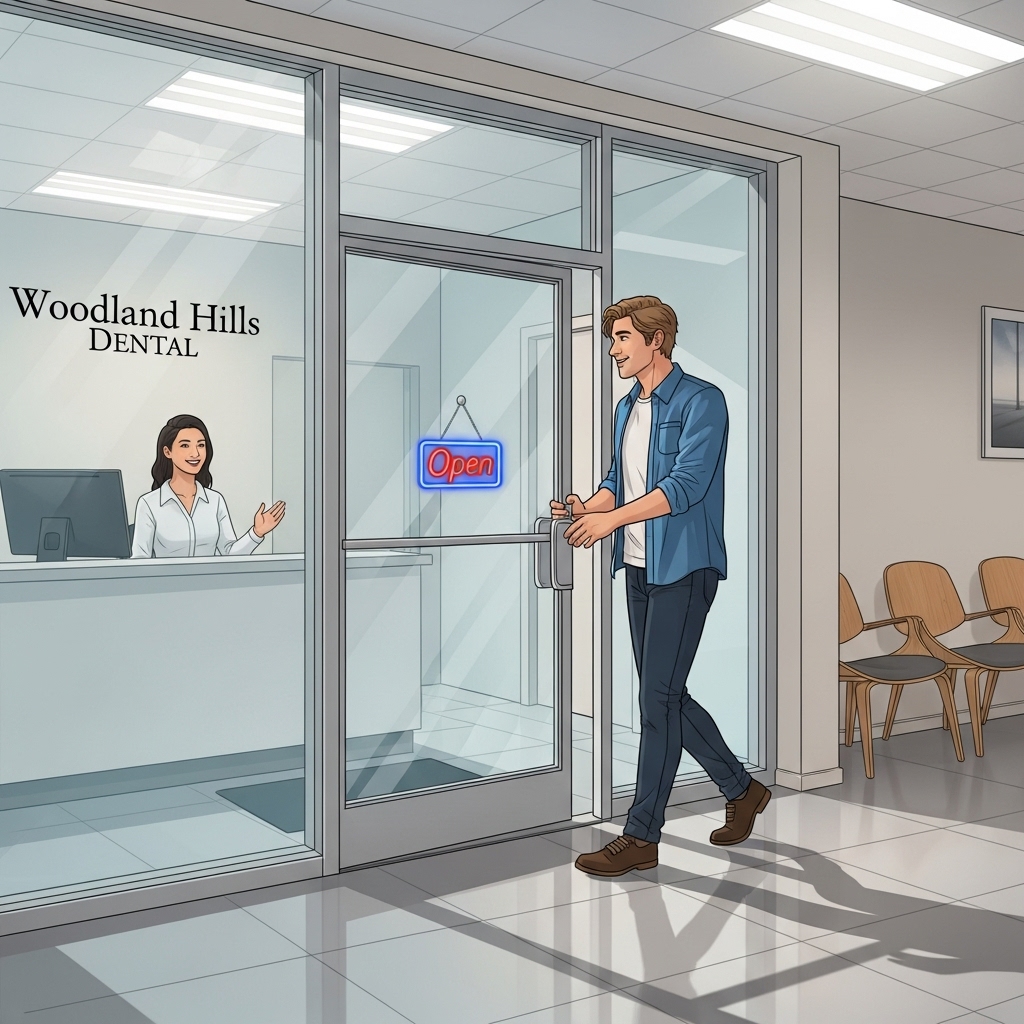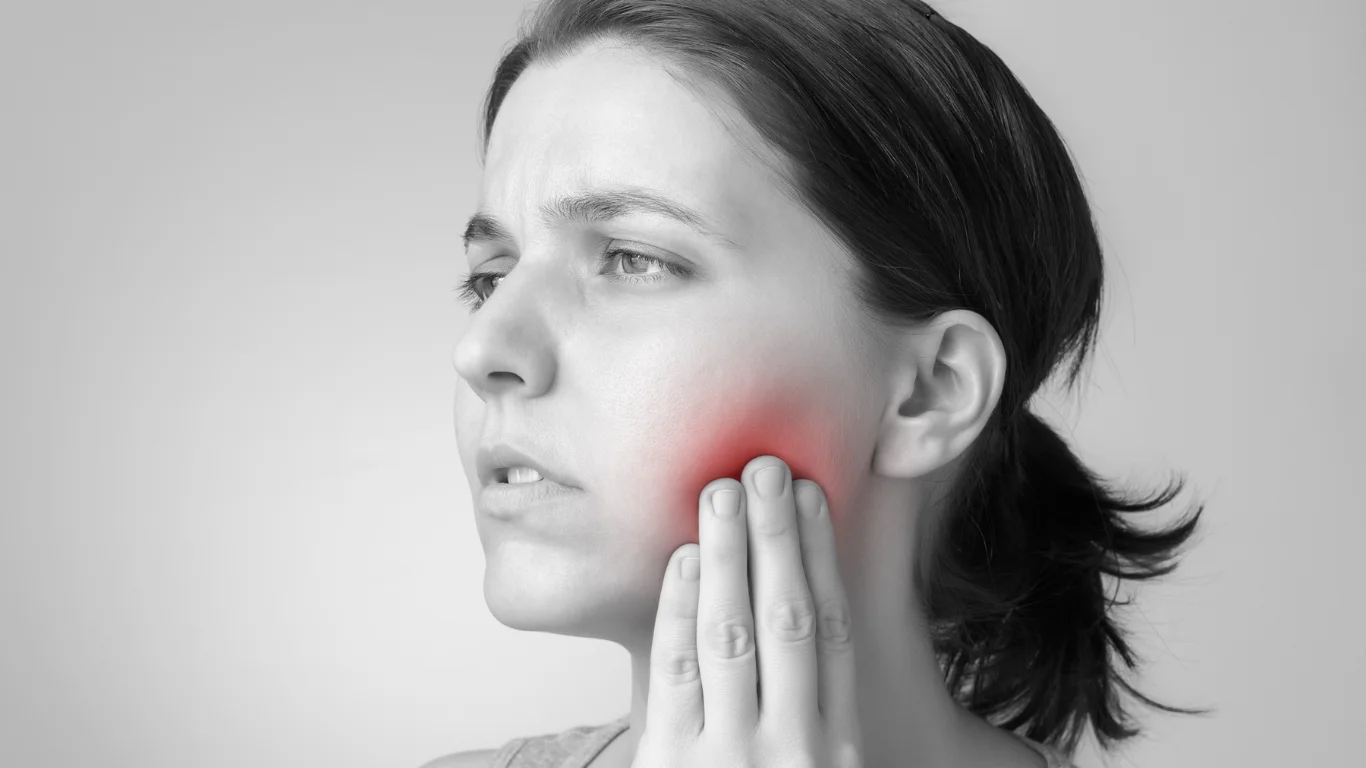

As someone who has been providing urgent dental care in Woodland Hills for years, I know how seasonal changes can bring unexpected oral problems. In the first cool days of fall or the heat of summer, common activities like school sports, barbeques, and travel raise the odds that you or a loved one will need the help of an Emergency Dentist. When you notice severe pain, swelling, or a knocked-out tooth, quick action preserves comfort and long-term oral health.
Emergency Dentist: When to Seek Immediate Care
Not every dental ache is an emergency, but certain symptoms demand prompt attention. Intense, unrelenting pain, visible infection, uncontrolled bleeding, or trauma to the face and mouth should not be ignored. In Woodland Hills, seasonal activities like biking on uneven trails or contact sports can lead to injuries that require same-day intervention. I often guide patients through a calm assessment over the phone, helping them distinguish between problems that can wait for a scheduled visit and those that require immediate treatment.
Understanding Seasonal Triggers and How They Affect Your Teeth
Seasonal lifestyles change patterns of risk. Summer brings more outdoor activities, increased consumption of acidic or sugary drinks, and higher likelihood of dental trauma. Winter may introduce holiday treats and clenching from stress. Allergies and sinus pressure in spring can also radiate pain to the upper teeth, creating confusion about the true source. I emphasize prevention by suggesting sensible adjustments: protective mouthguards for sports, mindful hydration, and avoiding using teeth as tools during seasonal tasks. These small changes often keep problems from escalating.
Practical Steps to Take Immediately
When a dental emergency happens, your first steps can make a major difference. Rinse your mouth gently, apply cold compresses to reduce swelling, and keep any avulsed teeth in milk or saliva if you plan to seek reimplantation. Maintain calm and reach out to your local clinic for instructions tailored to the injury. During my years of practice in Woodland Hills, I have seen how timely, simple interventions improve outcomes for broken crowns, chipped teeth, and soft tissue injuries. If you’re unsure, calling ahead helps us prepare and expedites care.
What to Expect at Your Emergency Visit
Arriving at the office, you will receive a focused exam aimed at pain relief and stabilization. We prioritize controlling infection, stopping bleeding, and preserving damaged structures whenever possible. Diagnostic imaging and targeted treatments like splinting, temporary fillings, or antimicrobial therapy are standard. My approach is to balance immediate needs with a plan for definitive care, and I always explain options clearly so you can make informed choices about follow-up procedures and restorative work.
Aftercare and Preventing Recurrence
Post-treatment guidance is essential to healing. I provide specific instructions for oral hygiene, diet modifications, and activity restrictions based on the nature of the injury. Pain control and infection prevention are key priorities, and follow-up appointments help monitor progress. Seasonal prevention also includes scheduling routine check-ups before peak activity months and discussing protective measures for children and adults engaged in sports. These proactive steps reduce the frequency of emergency visits over time.
If you find yourself in the middle of a dental crisis, remember that help is nearby. Many local patients have been surprised at how quickly a focused emergency appointment can relieve pain and restore function. For immediate guidance from our team in Woodland Hills, consider reaching out to an Emergency Dentist who knows both the clinical options and the seasonal patterns that commonly trigger problems.
Frequently Asked Questions
Q: How do I know if my toothache is an emergency?
A: Severe, persistent pain that limits sleep or daily function, swelling that affects breathing or swallowing, fever with oral pain, and visible trauma are red flags. If pain is mild and intermittent, schedule a regular appointment, but call immediately if symptoms intensify.
Q: What should I do with a knocked-out tooth?
A: Time is critical. Handle the tooth by the crown only, rinse gently without scrubbing, and try to reinsert it if possible. Otherwise, keep the tooth moist in milk or saliva and seek emergency dental care right away. Successful reimplantation is much more likely when treatment occurs quickly.
Q: Are infections dangerous if left untreated?
A: Yes. Dental infections can spread to surrounding tissues and, in rare cases, become systemic. Early treatment with drainage, antibiotics, and definitive dental care prevents complications. If you notice increasing swelling, fever, or difficulty breathing, seek immediate attention.
Q: Can I manage an emergency at home until I can see a dentist?
A: Mild issues sometimes respond to over-the-counter pain relievers, saltwater rinses, and cold compresses, but these are temporary measures. For trauma, persistent bleeding, or signs of infection, home care is insufficient. Contact your local emergency dental provider for specific instructions and to arrange timely treatment.
Your oral health matters every season, and timely access to expert care will protect your smile through holidays, sports seasons, and busy family schedules. If you suspect a serious problem in Woodland Hills, CA, contact our experienced team right away—an Emergency Dentist can provide the urgent attention you need. Don’t wait when pain, swelling, or trauma occurs; prompt care preserves teeth and reduces complications.
Dr. Ahdout
22116 Ventura Blvd, Woodland Hills, CA 91364, United States
Phone: Find us on Google Maps