

Emergency Care· 5 min read
Common Emergency Dentist Issues in Woodland Hills California
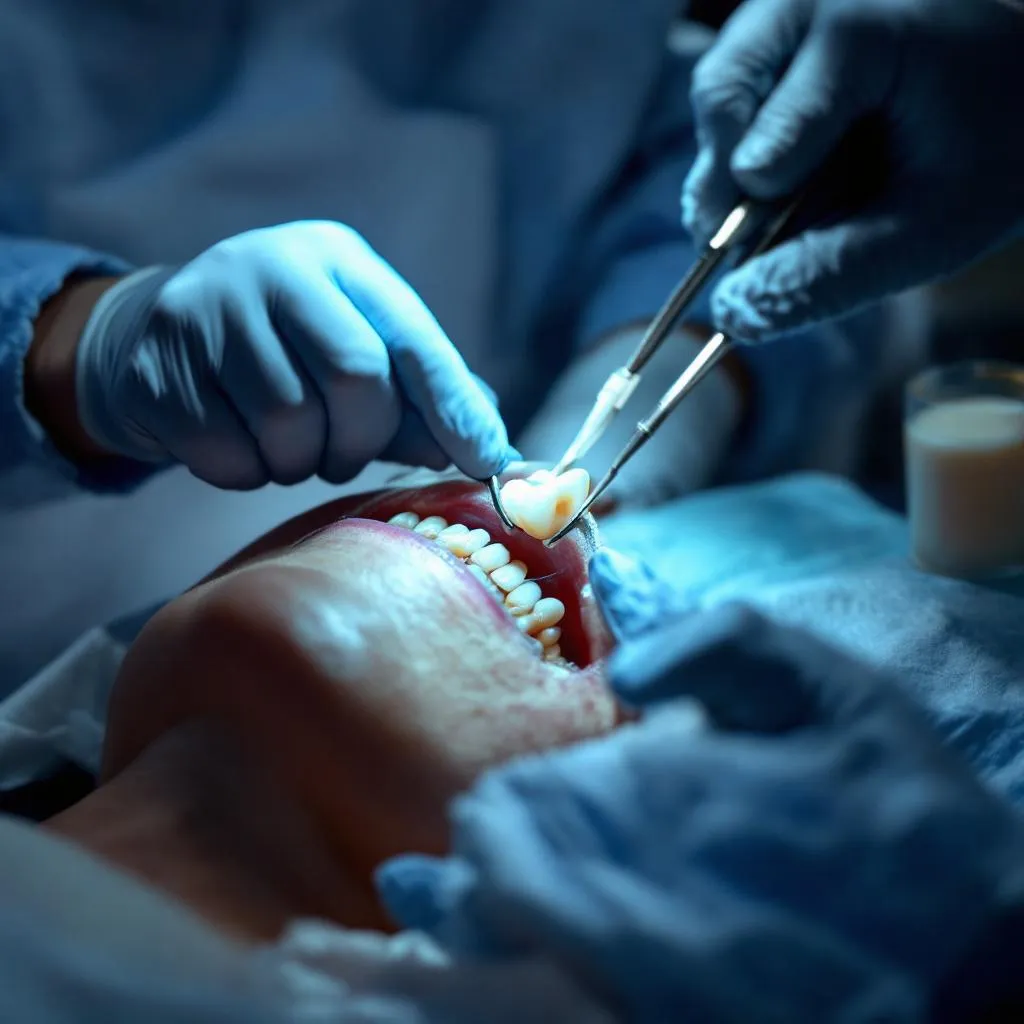
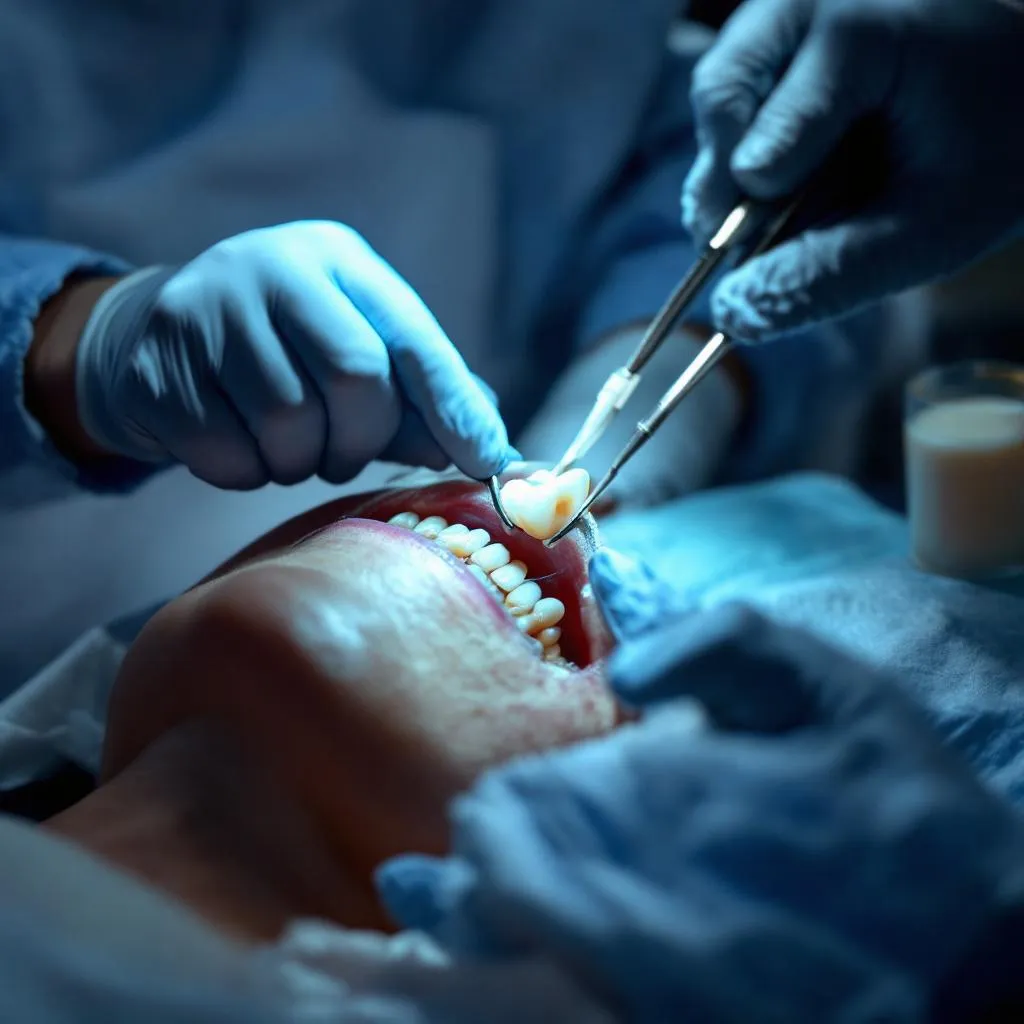
As an emergency dentist practicing in Woodland Hills, I have seen how sudden dental problems can disrupt lives and cause real anxiety. If you are searching for immediate relief, finding a trusted Emergency Dentist can make all the difference. In this article I’ll walk you through the common emergency situations I encounter, how we evaluate them, and practical steps you can take right away to protect your oral health until professional care is available.
Understanding dental emergencies in Woodland Hills
Dental emergencies come in many forms, from intense toothaches and broken teeth to injuries from accidents. The local environment and lifestyle in Woodland Hills—whether it’s sports injuries, weekend activities, or unexpected infections—mean I often treat patients who need prompt attention to prevent complications. The goal is always to relieve pain, stop infection, and preserve as much of the natural tooth and surrounding tissue as possible.
When to seek an Emergency Dentist
Knowing when a situation is urgent can be confusing. Severe, persistent pain, swelling that affects breathing or swallowing, heavy bleeding after trauma, and a tooth that has been knocked out are clear signs you should seek immediate care. Less obvious but still serious are spreading infections, which can present as persistent fever, facial swelling, or difficulty opening the mouth. If you are unsure, it is always safer to contact a dental professional to discuss your symptoms and get guidance for next steps.
Common types of emergencies I treat
In my practice I routinely address a handful of recurring issues. Acute tooth pain is often the result of deep decay or an abscessed tooth; in these cases, we prioritize pain control and infection management. Traumatic injuries—cracked or fractured teeth—require assessment for structural damage and nerve involvement. A completely dislodged tooth needs immediate attention; if you can, keep the tooth moist and bring it in right away for the best chance of re-implantation. Soft tissue injuries to the gums, lips, and tongue also require careful cleaning and sometimes sutures to heal properly.
Initial care and what to expect at the visit
When you arrive for emergency care, we take a concise history, examine the area, and often use X-rays to identify the underlying issue. Treatment may include pain medication, antibiotics for infections, temporary restorations to protect a broken tooth, or definitive procedures like root canals or extractions if necessary. My team focuses on providing clear explanations and immediate relief, and we map out follow-up care so you understand the full treatment plan. Many patients appreciate knowing that a reliable Emergency Dentist is available when they need urgent support.
Pain management and home care tips
While waiting for professional care, there are sensible steps you can take to manage pain and reduce risk. Rinsing with warm salt water can help cleanse the area and reduce inflammation. Over-the-counter analgesics, taken as directed, are often effective to control pain until you are seen. Avoid applying aspirin directly to a tooth or gum, as that can cause tissue irritation. If a tooth is fractured, try to avoid chewing on that side and cover any sharp edges with dental wax or sugarless gum to prevent soft tissue injury.
Preventing future emergencies
Prevention is an important part of my approach. Regular dental check-ups, prompt treatment of decay, wearing proper mouthguards during sports, and addressing bruxism (teeth grinding) can reduce the likelihood of acute events. I encourage patients in Woodland Hills to maintain routine care and to call early when they notice persistent discomfort—addressing small problems often prevents them from becoming emergencies.
FAQ
What counts as a true dental emergency?
A true dental emergency includes severe pain, uncontrolled bleeding, swelling that affects breathing or swallowing, and a knocked-out tooth. Persistent fever with oral pain or signs of spreading infection also require immediate attention.
Can a tooth that was knocked out be saved?
Yes, if you act quickly. Hold the tooth by the crown, rinse it gently without scrubbing, and try to reinsert it if possible. If reinsertion isn’t feasible, keep it moist in milk or saline and see an Emergency Dentist immediately for the best chance of successful re-implantation.
Are dental abscesses dangerous?
An abscess can be dangerous if an infection spreads into surrounding tissues or the bloodstream. Early treatment—drainage, antibiotics, and addressing the source of infection—is essential to prevent serious complications.
How soon should I see someone for a cracked tooth?
You should be evaluated promptly. Some cracks are superficial and only need smoothing or a filling, while others may extend to the root and require more extensive care. Early assessment helps determine the right course of action.
As a local clinician committed to fast, compassionate care, I understand how unsettling dental emergencies can be. If you or a family member face sudden dental pain or trauma, don’t hesitate to reach out to an experienced Emergency Dentist who can evaluate the problem and begin treatment quickly. Call our office to connect with urgent dental support and get clear next steps for relief today: Emergency Dentist
Dr. Ahdout
22116 Ventura Blvd, Woodland Hills, CA 91364, United States
Phone: Find us on Google Maps
NA
Published by Dr. Nader Ahdout, DDS. This article is for general information and is not a substitute for a personal examination and diagnosis.

Trusted Dentist in Woodland Hills for Comprehensive Dental Care
Schedule your free consultation with Dr. Ahdout and experience high-quality cosmetic and family dentistry tailored to your smile needs.