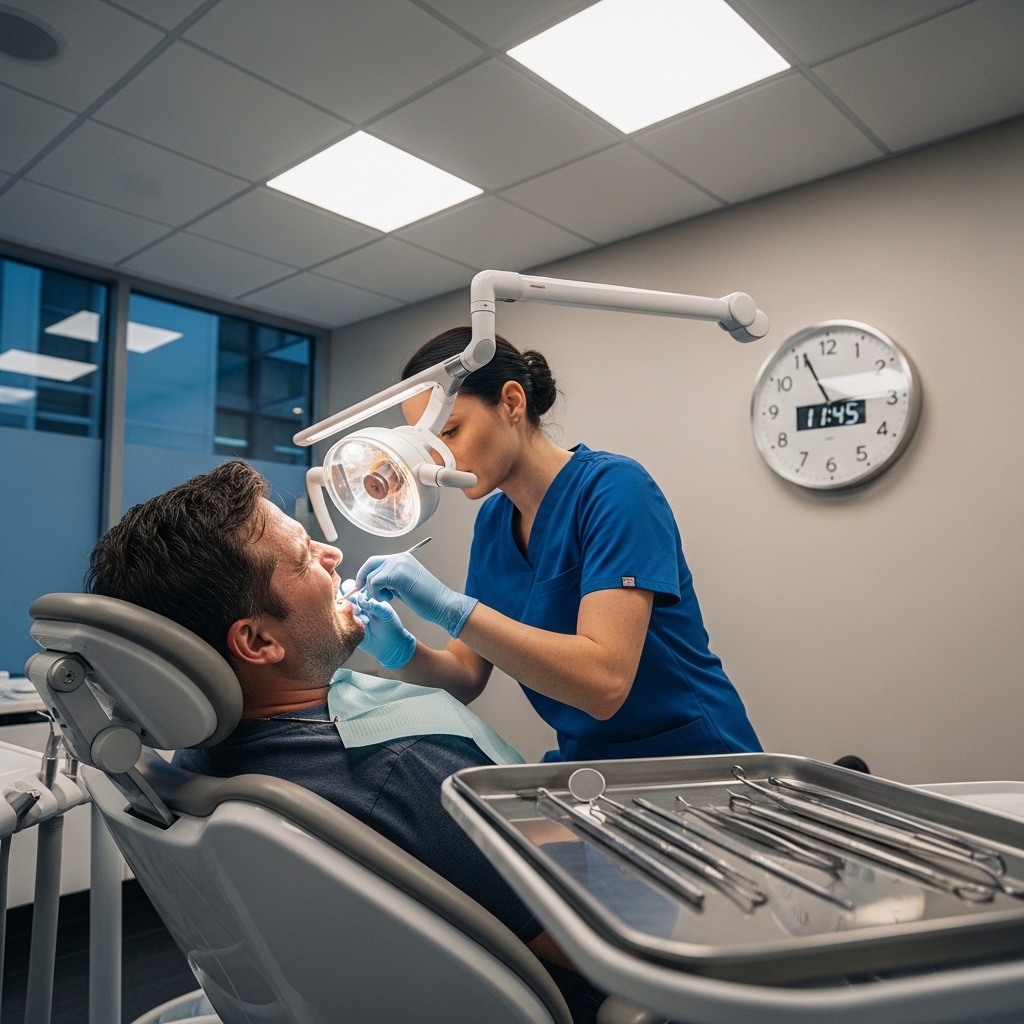

Raising a healthy, confident smile in your child starts with a team you can trust right here in Woodland Hills, and as a local pediatric expert I often tell families that early prevention matters. When parents ask where to begin, I point them to our office and the consistent, gentle care provided by a skilled Dentist who understands the pediatric stages of growth, common childhood dental concerns, and the need for a welcoming environment that calms both child and parent.
Why local pediatric dental care makes a difference
Living in Woodland Hills means families have access to many health resources, but pediatric dental care is uniquely personal. Children respond to familiarity, so regular visits build trust, reduce anxiety, and allow us to spot issues such as developmental bite problems, early cavities, or enamel concerns before they become more complicated. My approach focuses on education for caregivers and positive, minimally invasive treatments for kids, using language they can understand and techniques that keep their experience upbeat and safe.
What to expect at your child’s first visits
The initial visits are designed to be gentle introductions, not overwhelming exams. We spend time showing tools, explaining steps in playful terms, and letting the child get comfortable in the chair. Caregivers receive clear guidance on at-home routines, nutrition, and habits like thumb-sucking. Early visits also include assessments of tooth eruption patterns and oral development; catching concerns early often means less invasive treatment later. I emphasize collaborative care—parents and clinicians working together and celebrating every milestone.
Common concerns and practical prevention
Parents often worry about decay, trauma from falls, and how to handle dental anxiety. Prevention starts at home with brushing twice daily using a smear or pea-sized amount of fluoride toothpaste depending on age, and limiting sugary beverages. We also coach on what to do after an accidental knock to a tooth and when to call the office for same-day attention. In-office care ranges from sealants to protective varnishes and simple, friendly restorations that protect growing smiles without frightening children.
Dentist-led comfort strategies and behavior guidance
Behavior guidance is vital; it allows us to perform necessary care while nurturing a positive association with oral health. I employ storytelling, distraction, and positive reinforcement rather than fear tactics. We tailor our approach to each child’s temperament—some respond to music and games, others to step-by-step explanations. For families with sensory sensitivities or special needs, individualized plans and predictable routines make a significant difference in outcomes.
Midway through a child’s treatment plan, many parents appreciate educational resources to continue care at home. We offer hands-on demonstrations, take-home tips, and follow-up reminders to help families stay on track. For parents still choosing a practice, visiting a friendly local office and asking questions about training, safety protocols, and child-centered amenities often clarifies which team feels right. If you’re exploring options, seek out a provider who emphasizes communication and comfort, not just procedure efficiency—attributes we proudly uphold as part of our local practice and what separates a great pediatric Dentist from a standard clinic.
Behavioral and developmental milestones related to dental health
Teeth and jaws change quickly during childhood, and these transitions can influence speech, eating, and self-esteem. Regular checkups allow us to monitor progress and advise on interventions like space maintainers or early orthodontic referrals when necessary. I collaborate with families to create realistic plans that respect a child’s developmental readiness for procedures, adjusting timing so that any necessary interventions support overall growth rather than interrupt it.
Frequently Asked Questions
Q: When should my child first see a Dentist? A: The recommendation is typically by their first birthday or when the first tooth appears, whichever comes first. Early visits establish a baseline and prevention plan.
Q: Are baby teeth that fall out early a concern? A: Early loss can affect spacing for adult teeth; we evaluate the cause and discuss protective options, such as space maintainers, when appropriate.
Q: How can I help reduce dental anxiety? A: Prepare your child with positive language, role-play at home, and choose a practice that prioritizes gentle introductions and consistent routines. We use behavior guidance techniques to make visits predictable and comfortable.
Q: Is fluoride safe for children? A: When used appropriately, fluoride is a safe and effective defense against cavities. We recommend age-appropriate amounts based on your child’s risk profile and provide guidance on home use.
Schedule a gentle, family-focused visit
Your child deserves a compassionate, experienced team that understands both dental science and the realities of parenting in Woodland Hills. If you want a practice that listens and designs care around your child’s needs, reach out to schedule a visit with our pediatric team. A trusted Dentist can make routine care feel reassuring and even enjoyable—let’s work together to protect your child’s smile and build habits that last a lifetime.
Dr. Ahdout
22116 Ventura Blvd, Woodland Hills, CA 91364, United States
Phone: +1 (818) 340-3062