As a local practitioner who has cared for families across Woodland Hills for years, I’ve watched how expectations and technologies have reshaped the role of the Dentist in our community. Patients come in with newer questions, from digital impressions to same-day restorations, and they want care that fits busy lives without sacrificing compassion. This piece walks through the trends I see most often, how they improve your experience, and what they mean for oral health outcomes close to home.
Personalized care and the patient experience
One of the clearest shifts is how personalized care has moved from a nice-to-have to an expectation. In Woodland Hills, patients want more than clinical competence; they want reassurance, clear communication, and treatment plans tailored to their lifestyles. That change has driven more practices to invest time in consultations, use visual aids to explain options, and extend appointment flexibility. The emphasis is on listening first, then designing care that respects each person’s goals, whether they’re focused on aesthetics, longevity, or comfort.
Technology that enhances treatment
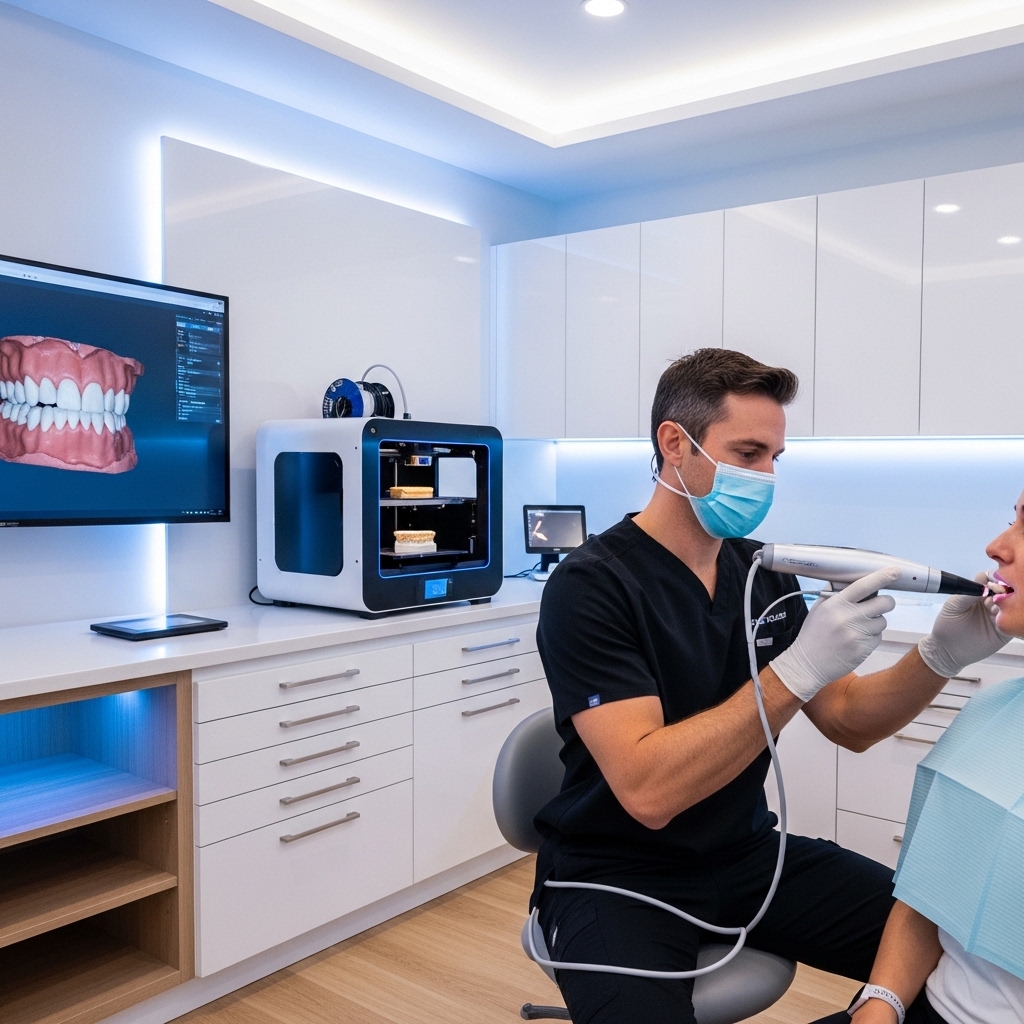
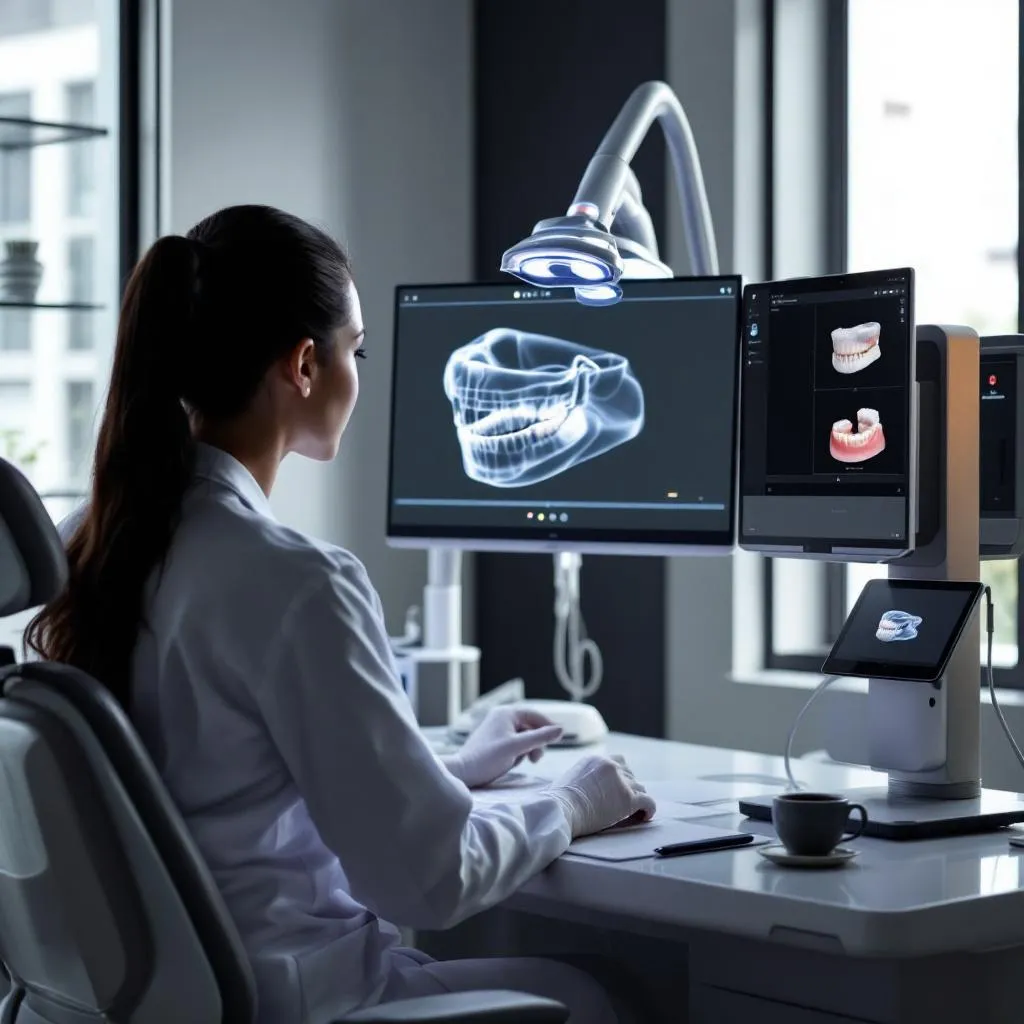
Digital tools are no longer the future—they’re standard. Chairside CAD/CAM systems, 3D imaging, and digital impressions reduce appointment time and increase precision. These advances let clinicians diagnose earlier and fabricate restorations with a level of fit that was difficult to achieve a decade ago. For patients, that often translates into fewer visits, less discomfort, and results that last longer. In my practice, integrating these technologies has helped streamline workflows and create a more predictable treatment experience for everyone who walks through the door.
How the Dentist role is evolving in Woodland Hills
The word “Dentist” now describes someone who balances clinical expertise with patient advocacy and practice leadership. Beyond restorative and preventive care, many dentists in Woodland Hills are partnering with other healthcare providers, adopting minimally invasive protocols, and increasing access through flexible scheduling and teledentistry. This broader role helps bridge gaps in care and ensures oral health is considered alongside overall well-being, particularly for aging patients and families juggling school and work commitments.
Minimally invasive approaches and preventive emphasis
Minimally invasive dentistry has gained traction because it preserves tooth structure and supports long-term health. Techniques such as sealants, fluoride treatments, and early interceptive care emphasize prevention over repair. When treatment is necessary, practitioners increasingly favor conservative restorations and bioactive materials that support healing. For Woodland Hills residents, this means fewer dramatic procedures and more focus on maintaining natural teeth through early intervention and consistent follow-up.
Patient comfort, sedation, and anxiety management
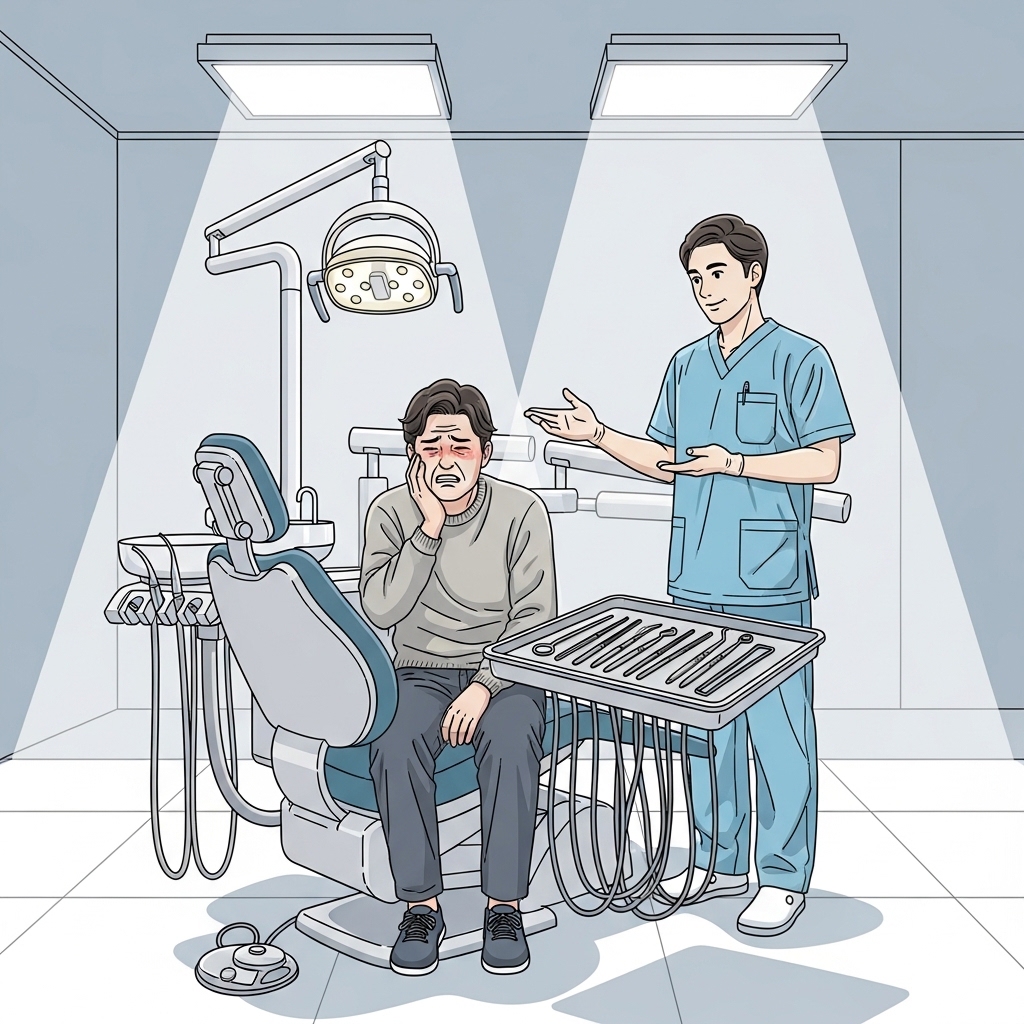
Managing anxiety and ensuring patient comfort remain central to modern care. From nitrous oxide and oral conscious sedation to simply designing a calming office environment, practices are prioritizing approaches that reduce fear and improve cooperation. This is particularly important for patients with dental phobias or extensive treatment needs. A gentle, well-explained approach makes it easier for people to keep appointments and stay on preventive schedules, which contributes to better outcomes community-wide.
Teledentistry and access to care
Teledentistry has become a valuable tool for triage, ongoing monitoring, and preliminary consultations. It’s not a replacement for hands-on care, but it helps determine urgency, answer routine questions, and reduce unnecessary trips to the office. In a community like Woodland Hills—where families and professionals juggle busy schedules—virtual visits can save time and keep minor issues from becoming major problems. I’ve used teledentistry successfully to follow up after procedures and to guide patients through early stages of treatment, ensuring timely in-person care when needed.
Community-focused initiatives and prevention education
Local outreach and education are increasingly important. Schools, senior centers, and community groups benefit when dentists take an active role in preventive education and screening events. These initiatives demystify oral health, encourage routine care, and foster trust between clinicians and neighbors. By focusing on prevention and education, we can reduce the burden of advanced disease and ensure better oral health across generations in Woodland Hills.
Mid-article reflection
As trends evolve, one constant remains: the centrality of trust. Patients want a clinician who listens and explains, who values longevity over quick fixes, and who invests in both modern tools and timeless compassion. When a practice aligns those priorities, it creates better experiences and healthier smiles. If you’re exploring options locally, you’ll notice some offices lean heavily on technology while others emphasize relationship-driven care; the best models integrate both thoughtfully, and some of those choices can be previewed during an initial consultation with a Dentist in Woodland Hills.
FAQ
Q: How do modern technologies change my treatment timeline? A: Many digital tools reduce the number of visits and speed up diagnostics, so you can often move from diagnosis to restoration more quickly while maintaining precision.
Q: Is teledentistry appropriate for emergencies? A: Teledentistry is excellent for triage and advice, but severe pain, uncontrolled bleeding, or traumatic injuries still require prompt in-person care.
Q: Will minimally invasive techniques last as long as traditional methods? A: When applied appropriately, conservative treatments paired with good home care can last a long time and preserve more natural tooth structure, supporting overall oral health.
Q: How can I tell if a practice prioritizes patient comfort? A: Look for clear communication, sedation options, flexible scheduling, and staff who take time to address concerns. A practice that listens is investing in your comfort and long-term health.
As we look ahead, Woodland Hills continues to benefit from clinicians who blend advanced tools with a neighborhood-focused approach. If you’re considering an update to your care—whether a routine checkup, cosmetic improvement, or a second opinion—making a choice that aligns with your values matters.
When you’re ready to explore options with a trusted local professional, connect with a Dentist who understands the needs of Woodland Hills residents and offers modern, compassionate care. The right partnership can make routine maintenance easier and complex care more manageable, ensuring your smile supports everything you love about life here.
Dr. Ahdout
22116 Ventura Blvd, Woodland Hills, CA 91364, United States
Phone: +1 (818) 340-3062