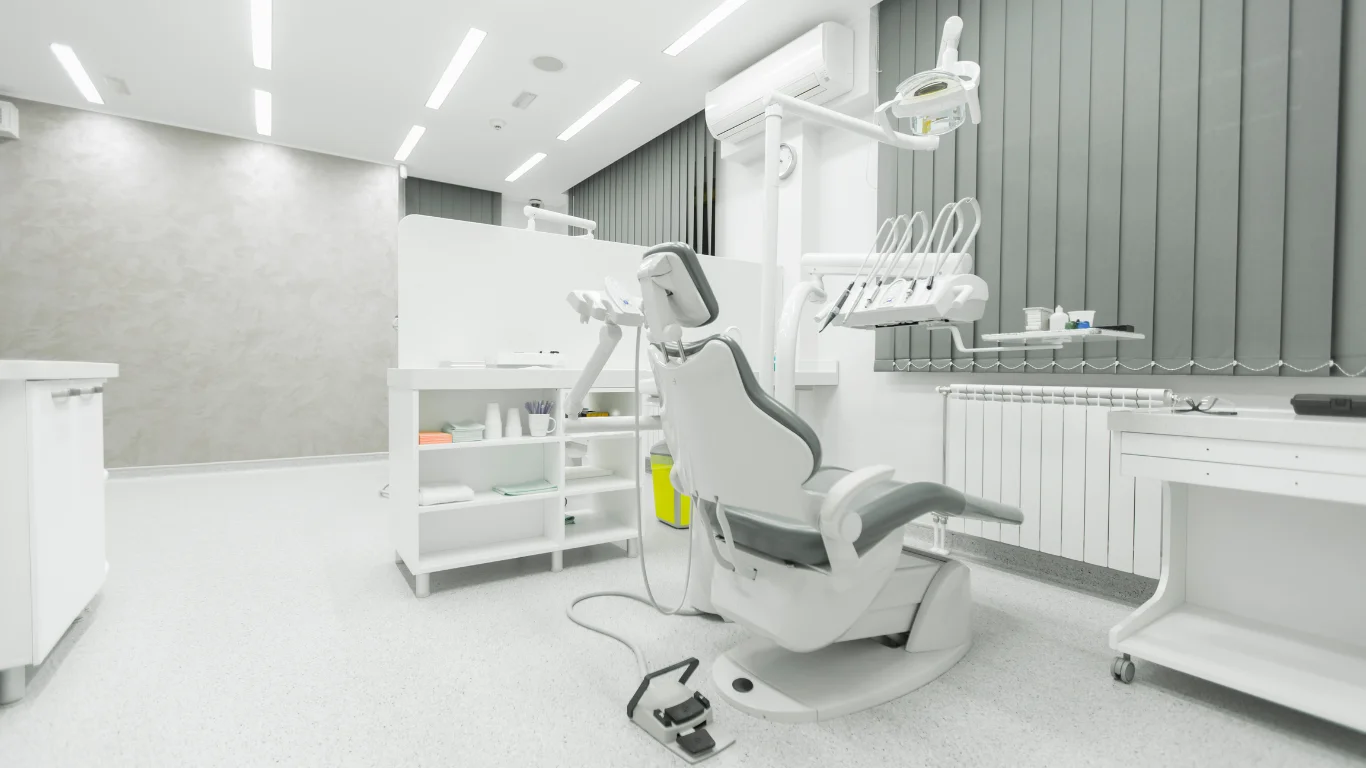

As a local Dentist practicing in Woodland Hills, I’ve seen how small daily choices influence oral health over years. Patients often ask for straightforward maintenance techniques they can adopt at home that will preserve restorations, protect gums, and keep enamel strong in our sunny, dry climate. In this article I’ll walk you through practical, realistic tips that fit the pace of life here and explain when it’s time to call your dental team for a professional check.
Understanding the basics of at-home maintenance
Good maintenance begins with consistent habits. Brushing twice a day with a soft-bristled brush and fluoride toothpaste removes plaque before it hardens into tartar, and gentle, methodical strokes protect enamel and gum tissue. Many patients think vigorous scrubbing is better; in reality, aggressive brushing can erode enamel and lead to sensitivity. Rinsing after meals when brushing isn’t possible helps reduce acid buildup from foods and beverages common in our community.
Why a Dentist visit matters for long-term oral health
Regular professional exams and cleanings catch problems early, when treatment is simplest and least invasive. In my practice I look for signs of gum inflammation, early decay, and wear patterns that suggest grinding or misalignment. Preventive visits allow for targeted advice tailored to your mouth: simple adjustments to technique, a custom nightguard for bruxism, or guidance on dietary choices that can make a measurable difference. Treating small issues early helps you avoid complex procedures later.
Protecting restorations and natural teeth in everyday life
Dental crowns, veneers, and fillings are durable but not indestructible. Avoid using your teeth to open packages and be mindful of very hard foods. For patients with dental work, I emphasize night guards if there’s any evidence of grinding. Custom guards distribute force and protect both restorations and natural tooth structure. Hydration is another often-overlooked factor here: our Southern California climate can contribute to dry mouth, which decreases saliva’s natural protective effects. Drinking water and discussing saliva-supporting strategies with your provider can reduce decay risk.
Nutrition, habits, and the local environment
Your diet and daily habits play a major role in oral maintenance. Sugary and acidic drinks can erode enamel over time, and frequent snacking prevents the mouth from returning to a neutral pH. In Woodland Hills, outdoor activity and a busy lifestyle mean many people reach for quick snacks and sports drinks; consider water or plain milk as better alternatives for frequent hydration. Smoking and vaping negatively affect gum health and healing—quitting or cutting back improves outcomes after any dental work.
Home care for sensitive teeth and gum health
Sensitivity and gingival recession are common concerns. Use a soft brush, avoid harsh whitening pastes if you experience sensitivity, and consider a desensitizing toothpaste that contains potassium nitrate or strontium chloride. Flossing daily is essential to remove interdental plaque. If flossing is difficult due to tight contacts or bridges, ask your provider about alternatives like interdental brushes or water flossers to maintain gum health without trauma.
When patients want an authoritative local resource, I often direct them to reputable offices for more information and to schedule care. If you’re seeking a familiar practice in the area, consider reaching out to the team at Dentist for personalized guidance and to set up preventive visits. A single conversation can clarify home routines and identify any professional needs, such as a customized care plan or minor corrective work.
Technology and treatments that support maintenance
Advances in dentistry mean less invasive options for common problems. Minimally invasive restorations preserve more natural tooth structure, and improved bonding techniques extend the life of fillings and veneers. Digital imaging helps detect issues earlier, and modern periodontal therapies can stabilize gum disease with conservative approaches. Discuss the latest options during your visit; a maintenance plan that incorporates these tools can prolong oral health gains from simple daily care.
FAQ: Common questions patients ask
How often should I see a Dentist for routine care?
Most adults benefit from a professional exam and cleaning every six months, though some individuals with higher risk factors may need more frequent visits. Your dental team will recommend an interval based on your gum health, decay risk, and history of dental work.
What’s the best way to handle dry mouth?
Hydration is the first step. Chewing sugar-free gum that stimulates saliva, sipping water regularly, and avoiding alcohol-based mouthwashes can help. For ongoing dry mouth, your dentist can review medications and suggest saliva substitutes or prescription therapies.
Are electric toothbrushes better than manual brushes?
Electric toothbrushes with rotating or oscillating heads often provide more consistent removal of plaque, especially for patients who struggle with technique. However, a soft-bristled manual brush used correctly twice daily is effective. Choose the option that encourages the most consistent, gentle brushing for you.
What signs indicate I should see a dentist sooner?
Persistent bleeding when brushing, swollen or receding gums, unexplained sensitivity, pain, or a loose restoration warrant prompt attention. Early evaluation prevents escalation and often allows for simpler treatments.
Keeping your mouth healthy in Woodland Hills is a combination of daily habits, smart choices, and regular professional care. If you want personalized advice, a preventive plan, or to address specific concerns, reach out to the local team—your long-term oral health benefits from proactive steps and professional support. Contact our practice and let a trusted Dentist help you protect your smile with a clear, achievable maintenance plan today.
Dr. Ahdout
22116 Ventura Blvd, Woodland Hills, CA 91364, United States
Phone: +1 (818) 340-3062