As a practicing Dentist in Woodland Hills, I welcome patients who want to protect their smiles and avoid common dental problems before they start. Prevention is the cornerstone of modern dentistry here, and my goal is to combine clear education with gentle, evidence-based care. In this article I’ll walk you through the most effective strategies we use in our office and what you can do at home to maintain healthy teeth and gums.
Foundations of preventive dental care
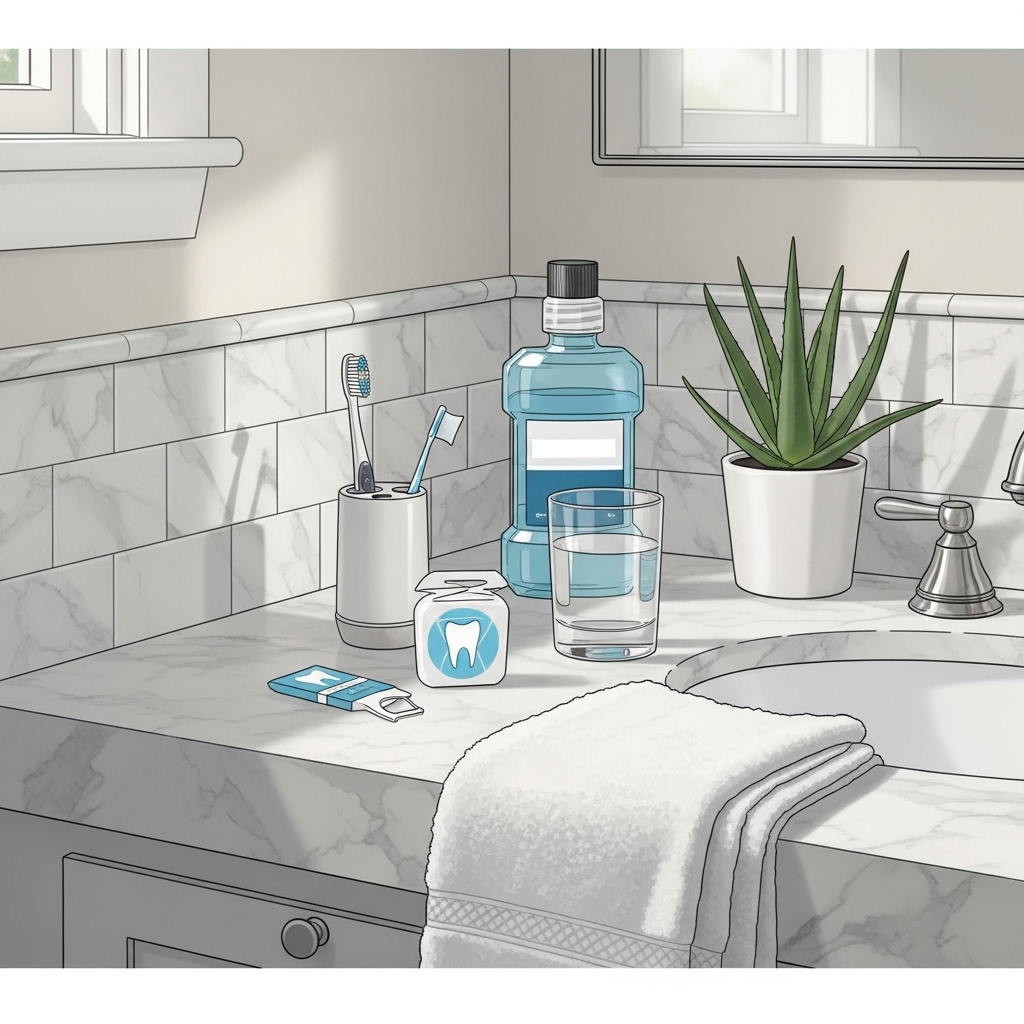
Preventive care begins with routine daily habits that remove plaque and discourage cavity formation. Brushing twice a day with a fluoride toothpaste, flossing once daily, and limiting frequent snacking on sugary items are the basics we emphasize. But preventive care goes beyond at-home routines. Professional cleanings, early detection of decay, and monitoring of gum health are essential components that help intercept problems long before they require more invasive treatment.
What your Dentist does to prevent common issues
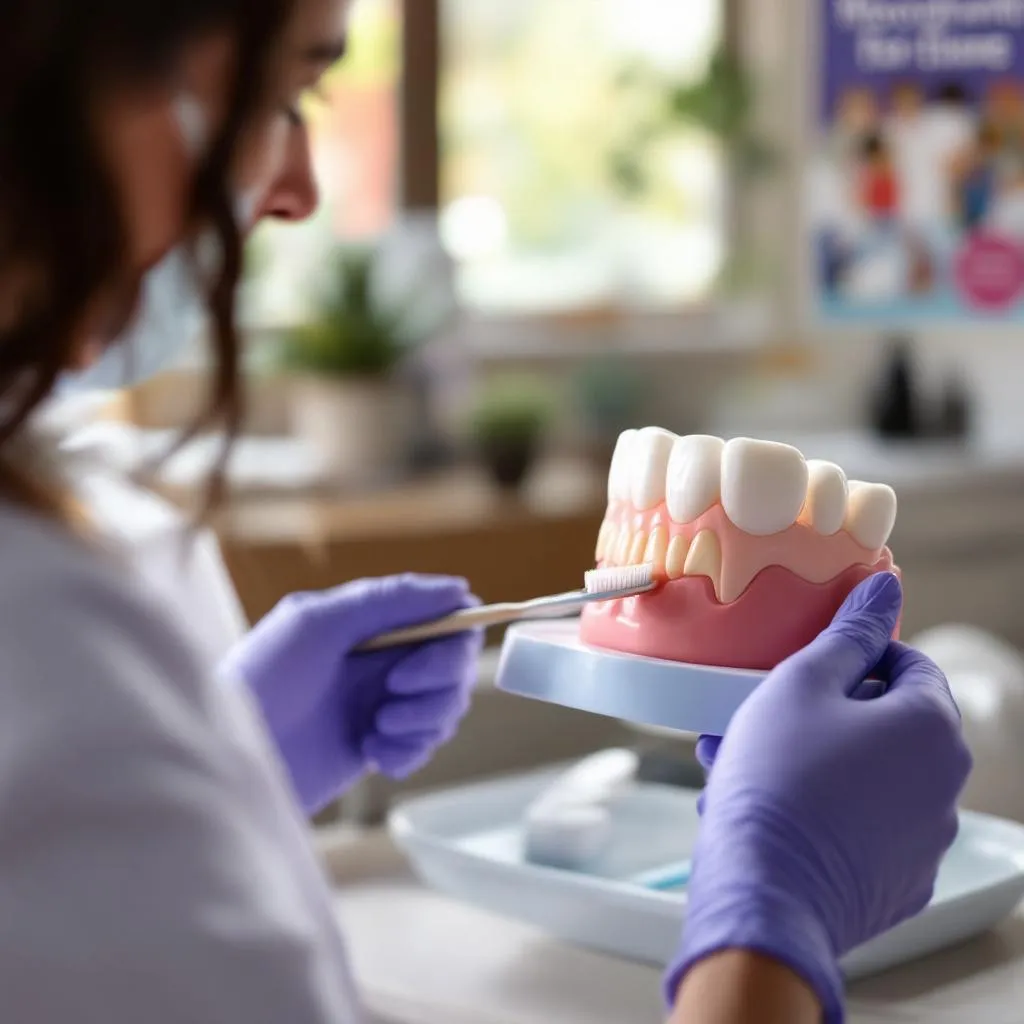
During a typical preventive visit, we assess your risk factors, perform a thorough cleaning, and evaluate both the hard and soft tissues of the mouth. X-rays are used selectively to reveal areas between teeth and under restorations where decay can hide. We also evaluate occlusion and wear patterns that may indicate bruxism, which can lead to fractures and sensitivity if not addressed. Education is a key part of the visit: explaining personalized home care and demonstrating proper techniques often has the biggest long-term impact.
Fluoride, sealants, and targeted treatments
Evidence supports the targeted use of professional fluoride and dental sealants to dramatically reduce the risk of cavities, especially in children and in patients with higher decay risk. Fluoride strengthens enamel and can help reverse early decay, while sealants provide a protective barrier on chewing surfaces. In Woodland Hills, we tailor these treatments to individual needs—some patients benefit from periodic fluoride varnish or prescription-strength toothpaste to guard against further demineralization.
Managing gum disease before it progresses
Gum disease is a leading cause of tooth loss but is often preventable with early intervention. Our approach focuses on mechanical removal of plaque and calculus, thoughtful oral hygiene instruction, and close monitoring. For patients showing early signs of gingivitis, improved home care and professional cleanings are usually sufficient. More advanced periodontal disease requires a targeted treatment plan that may include deeper cleanings and localized therapies. Addressing risk factors like smoking and uncontrolled diabetes is part of the comprehensive strategy.
Nutrition, lifestyle, and the role of habit change
Diet and lifestyle shape oral health as much as genetics. Frequent exposure to acids and sugars increases the risk of enamel erosion and decay. I work with patients to identify specific behaviors—such as sipping sweet beverages throughout the day or late-night snacking—that increase risk, and we provide practical alternatives. Smoking cessation, stress management to reduce clenching, and optimizing hydration are important recommendations I make regularly.
Technology and minimally invasive dentistry
Advances in diagnostic tools and adhesive materials allow us to detect and treat problems earlier and more conservatively than ever before. In-office cameras, digital radiography, and caries-detection devices can reveal hidden concerns while minimizing radiation exposure. When restoration is needed, adhesive techniques preserve more natural tooth structure and reduce the chance of future complications. These technologies, combined with a prevention-first mindset, produce better long-term outcomes for patients of all ages.
Collaborative care for special populations
Children, older adults, and patients with special health needs require tailored preventive strategies. For example, we focus on fluoride and sealants for children, periodontal maintenance for older adults, and simplified home-care regimens for those with limited dexterity. Coordination with primary care providers and specialists ensures that systemic conditions affecting oral health are managed collaboratively. Education and family involvement are often the deciding factors in successful prevention.
For many patients, building a trusting relationship with their dental team makes it easier to follow recommendations and return for regular checkups. If you are looking for personalized guidance, our office is committed to helping you understand the “why” behind each intervention. You can find our scheduling and patient resources through our site or by speaking with our front desk when you call, and we encourage you to reach out to meet the team and ask questions of a local expert like the one you see in our community Dentist.
Frequently Asked Questions
Q: How often should I visit the dentist for preventive care? A: Most patients benefit from cleanings and exams every six months, but frequency can be adjusted based on individual risk factors such as gum disease, decay risk, or medical conditions.
Q: Are sealants only for children? A: Sealants are most commonly placed in children because their newly erupted molars are vulnerable, but adults with deep grooves in their teeth can also benefit when appropriate.
Q: Does fluoride do more harm than good? A: When used appropriately, fluoride is a safe and proven tool to strengthen enamel and reduce cavities. We tailor fluoride use to each patient’s needs and exposure.
Q: What should I do if I grind my teeth at night? A: We evaluate wear patterns and may recommend a custom nightguard, stress-reduction techniques, and strategies to address any contributing factors like sleep apnea or certain medications.
Q: Can lifestyle changes really make a difference? A: Absolutely. Modifying snacking habits, reducing acidic beverages, quitting tobacco, and improving home care often lead to measurable improvements in oral health.
When you are ready to take proactive steps toward a healthier smile, our team is here to guide you. As a Woodland Hills Dentist, I invite you to schedule a consultation so we can create a prevention plan tailored to your life and needs. Together we can keep small problems from becoming big ones and help you enjoy a confident, comfortable smile for years to come.
Dr. Ahdout
22116 Ventura Blvd, Woodland Hills, CA 91364, United States
Phone: +1 (818) 340-3062