When people in Woodland Hills talk about comprehensive dental care, they’re not just thinking about a list of procedures. Around here, “comprehensive” means continuity, clarity, and convenience under one roof—from the first fluoride varnish on a toddler’s tooth to the thoughtful restoration that helps a grandparent enjoy their favorite meals again. It’s the confidence that every stage of life is considered and every detail is coordinated, so you spend less time juggling appointments and more time enjoying the canyon breeze or a stroll down Ventura Boulevard.
In a true family-centered practice, the goal is comfort and communication. You should feel guided rather than pushed, informed rather than overwhelmed. And you should sense that the same standards apply to every member of your household, whether your teenager is asking about whitening options before senior photos or you’re weighing the best approach to restore a molar. A practice devoted to family dentistry will weave prevention, restoration, and aesthetics together into a seamless story, so individual treatments make sense in the context of long-term oral health.
The foundation: prevention for every age
We talk a lot about prevention because it’s the heartbeat of comprehensive care. For kids, that may look like gentle cleanings, engaging education, and cavity-preventive measures customized to their risk level. For teens, prevention might include strategies for managing braces, athletic mouthguards, and early guidance on nighttime grinding—especially during exam season when stress tends to spike. Adults benefit from regular screenings, gum health monitoring, and personalized home-care tips that respect your busy schedule. And for older adults, prevention includes vigilance around dry mouth, changes in bite, and maintaining the fit of crowns, bridges, or dentures so chewing remains comfortable and efficient.
Prevention is also about habits at home. Comprehensive practices don’t lecture; they coach. Expect practical tips, demonstrations of tools that might work better for your dexterity or alignment, and follow-up to see whether changes are helping. Over time, preventive visits pay off in fewer urgent appointments and more predictable care—exactly what families want and deserve.
Restorative care that prioritizes function and comfort
Even with great habits, teeth can chip, crack, or decay. Comprehensive restorative care focuses on durability, compatibility, and a natural look. Fillings should feel smooth, with a bite that doesn’t draw attention. Crowns should restore strength while blending with your smile’s shade and shape. If a tooth requires more advanced attention, your dentist will walk you through options, explain imaging, and outline timelines so you can plan without feeling hurried.
Because comprehensive means coordinated, your dentist will consider how any single restoration interacts with your broader bite. If clenching or grinding contributes to wear, your plan might include a night guard or other stabilization. If a cracked tooth aligns with an old filling, your dentist may recommend upgrading materials to better handle chewing forces. This big-picture thinking is what keeps your smile working smoothly long-term.
Gum health: the quiet cornerstone
Healthy gums are the foundation of a stable smile, but they don’t often get the spotlight. In a comprehensive family setting, periodontal health is consistently monitored and discussed in accessible language. If you need deeper cleaning, you’ll understand the why and the how—what the treatment accomplishes, what to expect afterward, and how to maintain improvements at home. A supportive team will celebrate gradual wins, like reduced bleeding or improved pocket depths, because these are the subtle milestones that lead to lasting stability.
Gum health conversations often touch on life factors we recognize in Woodland Hills: seasonal allergies that lead to mouth breathing, busy stretches that interrupt home routines, or dietary shifts during sports seasons and holidays. A comprehensive approach meets you where you are and adapts with you, rather than asking you to squeeze into a rigid plan.
Pediatric and teen care with a light touch
Families here value a welcoming introduction to dentistry for young children. First visits should feel playful and encouraging, with language that turns unfamiliar tools into friendly helpers. As kids grow, their needs change rapidly: new molars, orthodontic evaluations, and evolving independence with hygiene. A comprehensive practice navigates that growth gracefully, offering age-appropriate explanations and setting goals that are attainable and positive.
For teens, timing is everything. Guidance on whitening, timing around orthodontics, and tips for managing retainers or athletics can make a huge difference. Parents appreciate when the dentist can loop teens directly into the conversation—handing them responsibility with support—so good habits stick as they gain independence.
Aesthetic improvements that look like you
Comprehensive family care doesn’t separate health from appearance; it appreciates how a confident smile affects daily life. Whether you’re considering subtle whitening, reshaping a chipped edge, or a more significant smile refresh, the focus should be on natural results that honor your features and your lifestyle. Expect a conversation about shade, shape, and how your teeth interact when you speak and eat. When aesthetics are thoughtfully integrated with function, the result feels effortless—your smile, simply at its best.
Comfort strategies for anxious patients
Comprehensive care includes emotional comfort. If you or a family member has dental anxiety, a supportive practice will outline options to keep the experience calm and predictable. Gentle numbing techniques, clear step-by-step explanations, and breaks when needed go a long way. You should always feel invited to ask questions and advocate for your comfort; that’s part of the partnership. Over time, positive experiences transform expectations, and dentistry becomes just another easy errand on your to-do list.
Technology that supports clarity
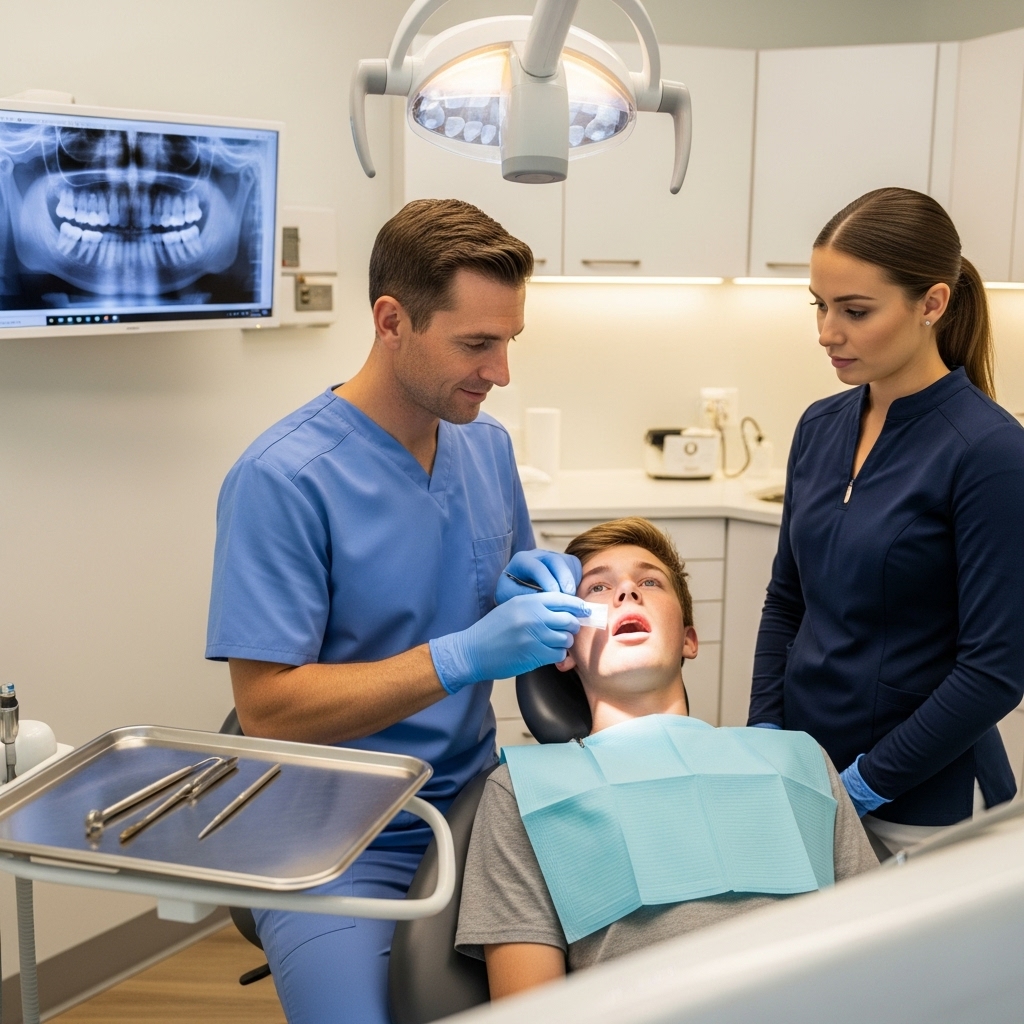
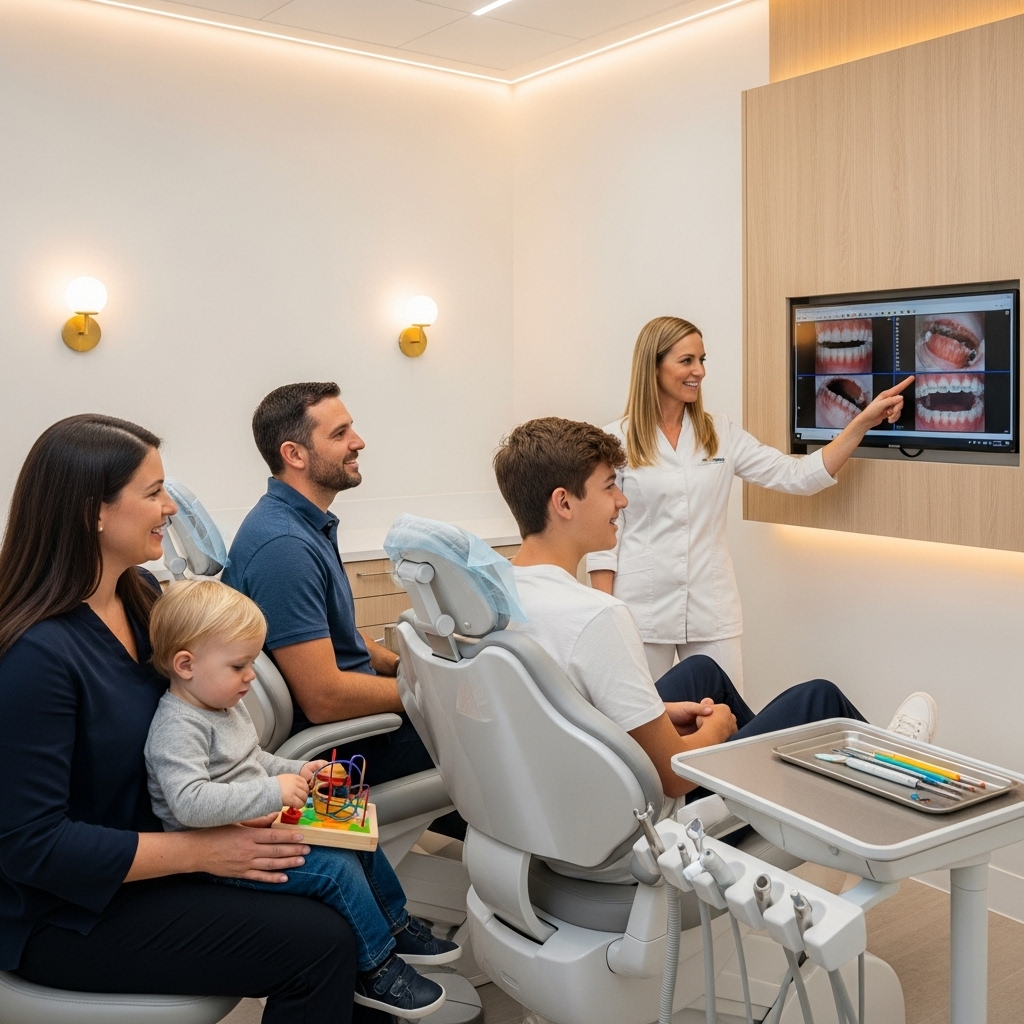
Digital imaging, intraoral photos, and modern materials are tools that make comprehensive care more precise. But what really matters is how those tools are used to help you understand your mouth. When a dentist shows you a picture of a worn cusp or a tiny crack and explains how it relates to your bite, you can make decisions without guesswork. That shared view builds confidence, which in turn makes care more collaborative and efficient.
Midway through planning or treatment, revisit your goals. Are you moving toward fewer surprises and a more stable, comfortable smile? If the answer is yes, you’re experiencing the essence of comprehensive family dentistry. Every appointment should connect to the next, like well-placed stepping stones across a stream—calm, clear, and reliable.
Coordinated care and referrals when needed
Truly comprehensive practices know when to bring in a specialist’s perspective and how to make that process smooth. If an advanced procedure is best handled by a particular specialist, your dentist will coordinate records, align on goals, and remain your hub. You’ll feel supported throughout, never left to navigate complicated steps on your own. After specialty care, you’ll transition back seamlessly for ongoing maintenance.
Life in Woodland Hills and the rhythm of appointments
Our neighborhood runs on rhythms—school bells, sports seasons, and the evening glow that pulls families outside. Dentistry should fit that rhythm. Look for appointments that align with your commute, options for after-school visits, and reminders that respect your preferences. When the logistics work, preventive care stays on track, and more complex plans don’t feel disruptive.
FAQ
Q: What makes dental care “comprehensive” for families?
A: It’s the integration of prevention, restoration, and aesthetics across all ages, paired with clear communication and coordinated planning. You should feel that each visit advances long-term stability and comfort.
Q: How do I prepare my child for a first visit?
A: Keep it positive and simple. Talk about meeting friendly helpers and counting teeth. Choose a time of day when your child is well-rested, and bring a favorite item if it helps them feel at ease.
Q: Can a comprehensive practice handle both braces guidance and routine cleanings?
A: Many can. Your dentist can advise on timing for orthodontic evaluations and collaborate with an orthodontist while keeping routine hygiene consistent and effective.
Q: How often should whitening be considered?
A: It depends on your goals and habits. Your dentist can discuss safe options and timing, especially around orthodontic treatment or upcoming events like weddings and senior portraits.
Q: What if I have sensitive teeth?
A: Share details with your dental team. They can tailor cleanings, suggest appropriate toothpaste or techniques, and rule out underlying issues such as gum recession or clenching.
Q: How are emergencies handled in a comprehensive setting?
A: You’ll receive clear guidance and timely care. The goal is to relieve discomfort quickly, stabilize the issue, and integrate follow-up seamlessly into your broader plan.
Q: What role does nutrition play in comprehensive care?
A: Quite a bit. Your dentist may offer practical tips that fit your routine—like timing for rinsing after acidic foods or snacks that are kinder to enamel during busy workdays and practices.
Ready for care that connects every dot?
If you want a single home for your family’s dental needs—one that blends clarity, comfort, and coordination—schedule a visit close to home. Explore how thoughtful family dentistry can simplify your routine and keep every smile in your household healthy, confident, and cared for.