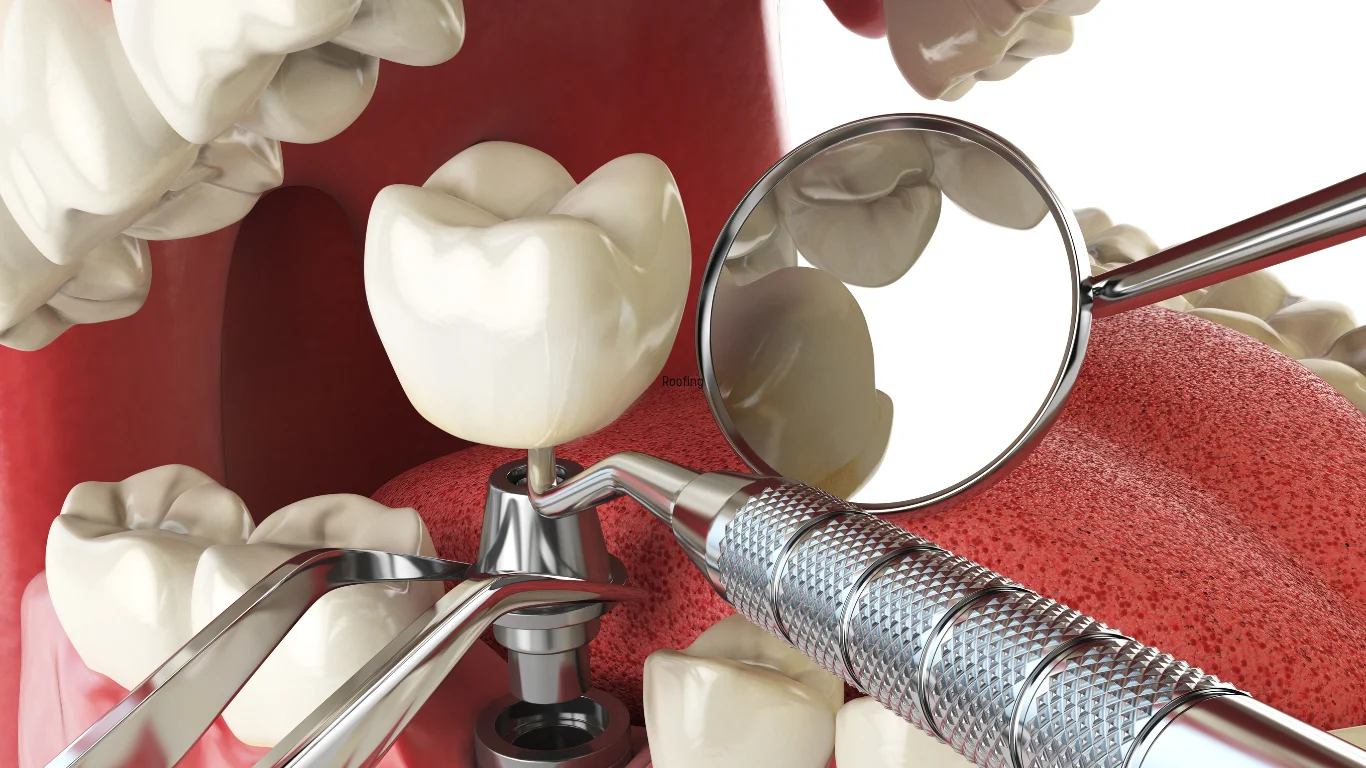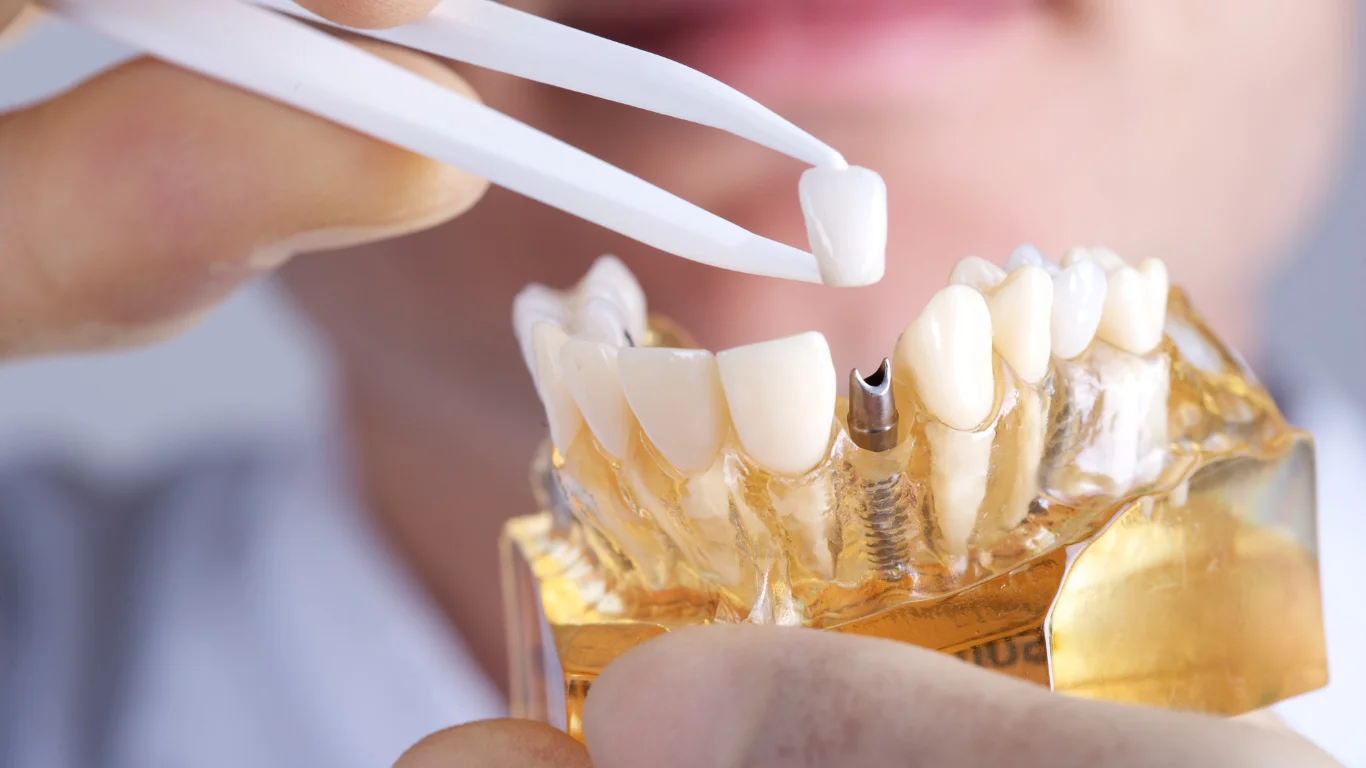

In Woodland Hills, we expect a lot from our healthcare providers. We value warmth, clear communication, and the kind of technical skill that turns complex care into a smooth experience. Dental implants are a prime example: they succeed when clinical expertise meets thoughtful planning and artistry. If you’re exploring implant options, understanding the training and credentials behind the title “implant dentist” helps you choose a provider who can deliver predictable, natural-looking results—without turning your decision into a guessing game. Early in your search, consider meeting with a local implant dentist to discuss your goals and see how their background aligns with your needs.
Implant dentistry bridges surgical placement and restorative design. That means your clinician needs to understand bone biology, gum health, bite dynamics, and the aesthetics of tooth shape and color. The most respected providers build their foundation in dental school and then layer on advanced training through residencies, mini-residencies, mentorships, and hands-on courses. In practice, this translates into better diagnostics, smoother procedures, and restorations that blend seamlessly with your smile.
Continuing education that matters
Although the path varies, serious implant dentists commit to ongoing education. They study 3D imaging interpretation, guided surgery, grafting techniques, and material science. They also refine restorative skills: emergence profiles, soft-tissue shaping, and the subtle art of color and translucency. In Woodland Hills, many clinicians learn from educators who emphasize “restoratively driven” planning—placing the implant to serve the ideal crown rather than forcing the crown to fit a suboptimal position.
Hands-on training is especially valuable. Working on models and real cases under mentorship helps clinicians practice flap design, suturing, and atraumatic techniques that support comfortable healing. This kind of preparation shows up in the chair as calm confidence and clear communication about what to expect at each step.
Professional recognition and credentials
While credentials aren’t the whole story, they can signal dedication and depth. Some implant dentists pursue recognition from respected organizations, which may involve rigorous case submissions, written examinations, and peer review. These pathways encourage thoughtful treatment planning and careful documentation. When you see credentials on a dentist’s biography, ask what the process entailed. You’ll learn how they approach problem-solving and how they maintain standards over time.
Equally important is a clinician’s track record. Before-and-after photos, case descriptions, and patient feedback reveal how a dentist applies their training in real life. A thoughtful provider will explain not only successes but also how they handle unexpected findings and adapt plans responsibly.
Technology as a training amplifier
Modern tools amplify expertise. Three-dimensional cone-beam imaging guides diagnosis and placement, while digital planning software allows clinicians to simulate outcomes and design custom surgical guides. In the hands of a well-trained dentist, these tools reduce guesswork and enhance precision. They also serve as communication aids—your dentist can show you scans and mock-ups that make complex ideas feel straightforward.
Laboratory collaboration also showcases training. Implant dentists who partner with skilled labs can design abutments and crowns that respect soft-tissue contours and bite forces. That teamwork is a hallmark of high-level care and a practical expression of a dentist’s education and standards.
What to ask during a consultation
When you sit down with a provider in Woodland Hills, a few thoughtful questions will illuminate their background. Ask how they plan cases from scan to final crown, how often they place and restore implants, and what types of cases they handle most. Invite them to walk you through a case similar to yours, outlining decisions, timelines, and follow-up care. The clarity of their responses—and the way they tailor explanations to your needs—tells you as much as the content itself.
You might also ask about how they collaborate with specialists when needed. Even experts call on colleagues for complex grafting, sinus procedures, or unique anatomical challenges. A confident implant dentist values teamwork and defines roles clearly so you always know who is doing what and why.
From training to chairside experience
Credentials open the door; experience shapes judgment. Over time, seasoned implant dentists develop a refined sense of when to accelerate and when to pause, when to add supportive procedures, and how to design a bite that lasts. They anticipate the little details—like tissue response and occlusal adjustments—that make the difference between a good result and a great one.
Patients feel that experience in the small moments: the way the dentist reviews images with you, how they prepare you for surgery day, and the calm check-ins after placement. In busy Woodland Hills schedules, that consistency and care are invaluable.
How credentials inform aesthetics
Front-tooth implants demand a special blend of science and art. Training in soft-tissue management, provisional shaping, and color matching comes to the forefront. A well-credentialed implant dentist understands how to sculpt contours that support a natural gumline and how to coordinate with a lab for lifelike translucency. The result is a restoration that looks at home in your smile and stands up to daily life.
Back teeth bring different priorities—strength and function. Here, training guides material choices and bite design that protect the implant and your natural teeth. A strong educational foundation ensures your dentist can balance aesthetics and durability in every zone of your mouth.
Frequently Asked Questions
How important are implant-specific credentials?
They are one helpful indicator of dedication and competence. Credentials show that a dentist has invested time in mastering the field and meeting external standards. Still, they should be considered alongside experience, patient feedback, and the clarity of the consultation.
What if my case is complicated?
A well-trained implant dentist will outline a plan that may include collaboration with specialists for grafting or sinus-related procedures. The key is a clear, stepwise approach with defined roles and open communication.
How can I evaluate a dentist’s real-world results?
Ask to see cases similar to yours, including before-and-after photos and descriptions of the planning process. Discuss how the dentist handles unexpected findings and how they ensure long-term maintenance.
Do advanced tools replace experience?
No. Technology enhances a skilled clinician’s judgment but doesn’t substitute for it. The best results come from pairing modern tools with deep training and thoughtful planning.
Who should lead my treatment?
Your implant dentist typically leads overall planning and the final restoration. When specialists are involved, your dentist coordinates the timeline and ensures the surgical foundation supports the aesthetic and functional goals.
How do I get started?
Schedule a consultation, review your imaging together, and ask the provider to outline a plan tailored to your needs. Pay attention to how clearly they communicate and how comfortable you feel with their approach.
When you’re ready to move forward with a knowledgeable local team, book a visit with an experienced implant dentist in Woodland Hills. With training, technology, and attentive care working in harmony, your path from first scan to final smile can be as smooth as it is rewarding.