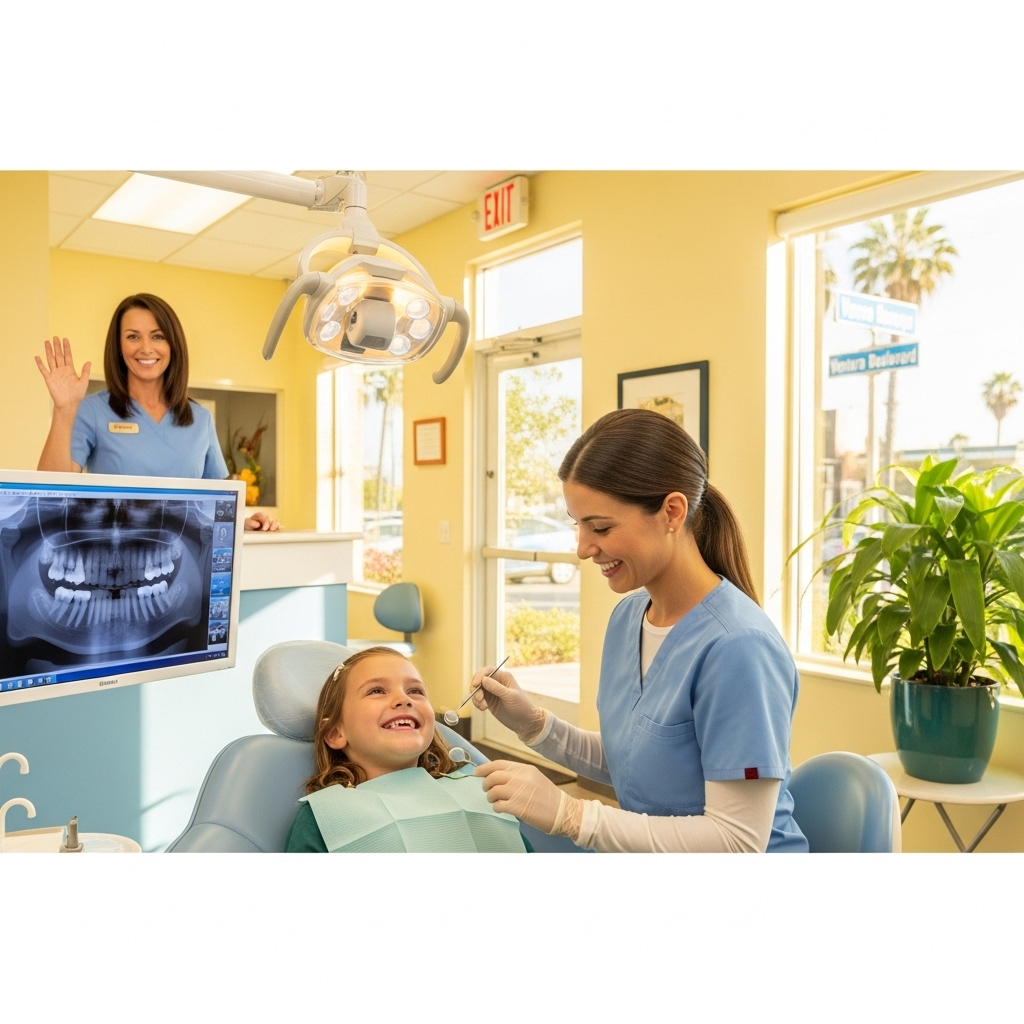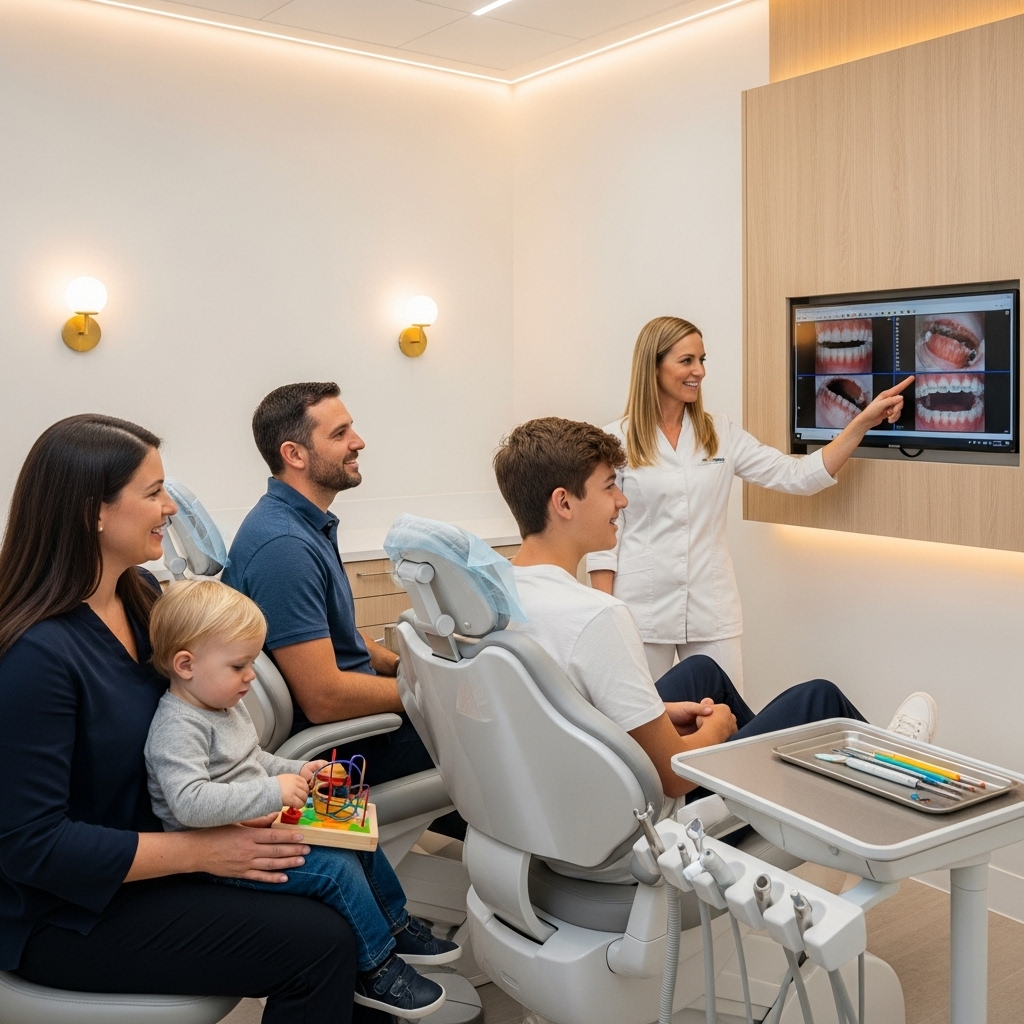
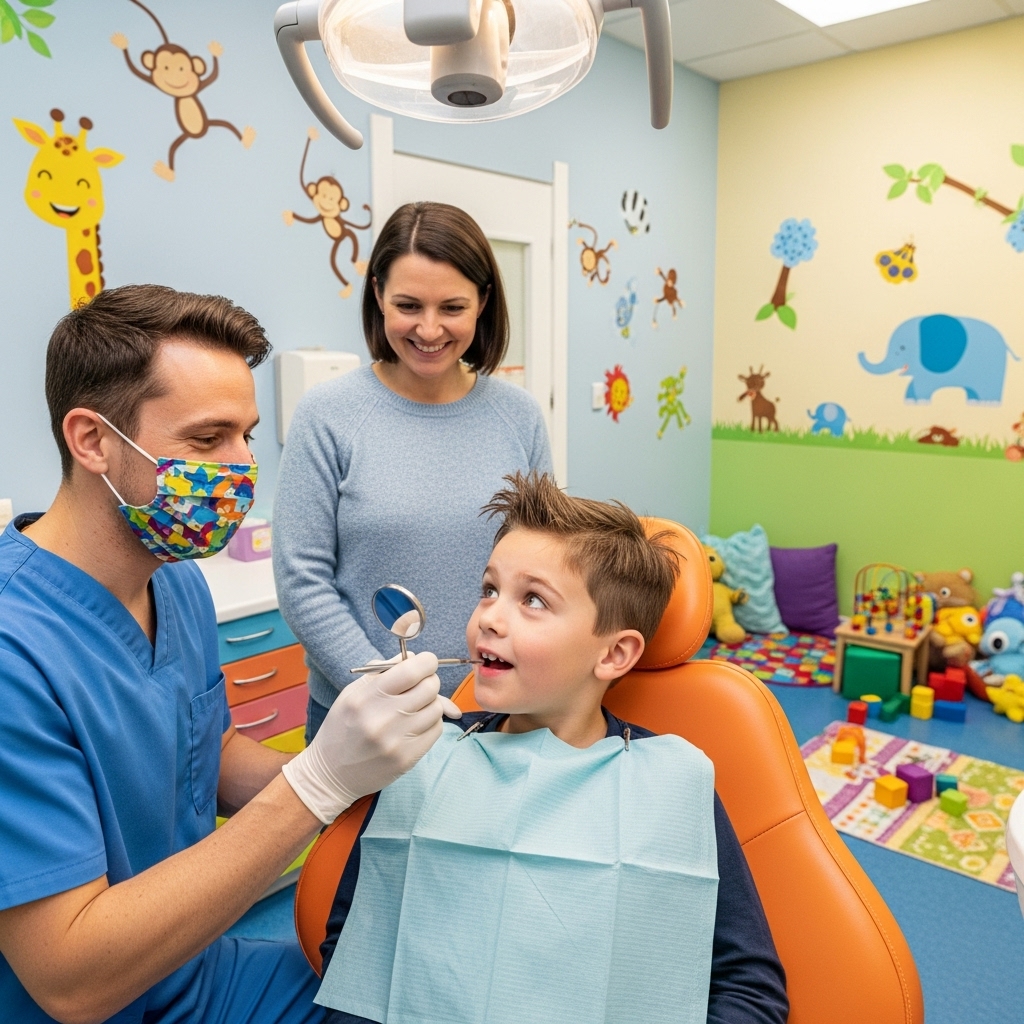
When families in Woodland Hills talk about what they want from a dental home for their children, they usually bring up three essentials: gentle care, clear guidance, and an atmosphere that makes kids feel comfortable from the very first hello. From the neighborhoods tucked near Mulholland Drive to the streets just off Ventura Boulevard, the community here values a calm, educational experience where kids learn to trust the chair and parents feel empowered at every step. That trust starts with consistent family dentistry that understands children’s needs evolve quickly and that even small successes—like a smooth fluoride visit or a confident bitewing X-ray—deserve celebration.
Pediatric family dentistry is about more than smaller instruments and bright stickers. It’s an approach that respects how children grow, how their mouths change, and how family routines shape outcomes. Baby teeth guide adult teeth into place; gums and jaw development influence speech and facial balance; and habits formed at age five can still be working for your child when they’re heading off to college. Our role is to translate all of that into daily routines that make sense in real life, whether your child is juggling sports at local parks or practicing an instrument after school.
Creating a Calm Start for Every Visit
Children thrive on predictability, so we make the first moments of every appointment friendly and unrushed. We introduce tools, explain sounds, and let kids explore at their own pace. The sensation of the toothbrush, the gentle air and water spray, and the mirror’s cool surface become familiar rather than surprising. When we move into cleaning and preventive care, we keep communication simple and positive, narrating each step so children feel included.
Parents are part of the team. If your child prefers morning visits or needs extra time to warm up, we adjust our schedule. If a sibling is along for the ride, we’ll involve them in the learning—demonstrating brushing angles, showing how to floss around tightly spaced teeth, and explaining what to expect when the tooth fairy starts visiting more frequently.
Guiding Growth: From Baby Teeth to Teens
Pediatric care is a moving target in the best way. As primary teeth shed and permanent teeth erupt, we watch how the bite develops and how spacing changes. We’re especially attentive to habits like thumb-sucking, mouth breathing during allergy season, and nighttime grinding, which can influence tooth position and enamel wear. Early conversations about alignment and airway support can make a meaningful difference in comfort and development.
We also track how diet affects enamel. Woodland Hills families enjoy a vibrant food scene, and kids often rotate between school lunches, sports snacks, and weekend treats. We focus on practical advice—timing water after snacks, using straws for certain drinks, and recognizing signs of sensitivity. The goal isn’t perfection; it’s steady progress that protects enamel while keeping routines realistic.
Preventive Visits That Build Confidence
Consistency is the secret to pediatric success. When children come in regularly, they grow more confident with each step of the visit. We tailor cleanings to their comfort level, celebrate small improvements, and provide age-appropriate coaching. For early elementary children, that might mean practicing brushing angles on a model tooth and choosing a toothpaste flavor they enjoy. For middle schoolers with new braces, it could be learning how to navigate brackets and wires with patience and the right tools.
Fluoride treatments, sealants when appropriate, and early cavity detection work together to keep smiles strong through childhood. We explain why each step matters using stories and visuals, helping kids become active participants in their care. That sense of ownership pays off when they head to a sleepover and remember to pack their brush—or when they speak up about a new sensitivity right away.
Communication That Supports Parents
Parents have thoughtful questions, from teething and spacing to nighttime routines and sports mouthguards. We welcome every discussion. If your child is anxious, we talk about strategies that make the next visit easier. If you’ve noticed new habits—chewing on sleeves, favoring one side while biting, or avoiding cold foods—we consider how to respond. Our conversations are practical and reassuring, framed around the idea that development is dynamic and that small adjustments often have the greatest impact.
As families juggle school calendars, activities, and work schedules, flexible planning matters. We coordinate visits for siblings, build timelines for multi-step care, and keep communication open between appointments. Midyear check-ins are common, especially for families navigating new routines at the start of a semester or adjusting to orthodontic milestones.
Right in the middle of all of this is our anchor: trusted family dentistry that keeps care steady, positive, and proactive. Children notice the difference when every visit feels welcoming and familiar, and parents appreciate how that comfort translates into good habits at home.
Supporting Healthy Habits at Home
Home care is where pediatric dentistry becomes a daily practice. We tailor brushing and flossing tips to your child’s age and temperament—short, focused routines for energetic toddlers, and more detailed guidance for older kids preparing for independence. We talk about rinsing after sports drinks, using protective gear during contact sports, and how to handle a wiggly tooth that’s not quite ready to come out. For families dealing with seasonal allergies or dry mouth from mouth breathing, we suggest strategies to keep tissues hydrated and comfortable.
We also encourage parents to model the habits they want to see. When kids watch their caregivers prioritize dental visits and daily care, the message is powerful. Synchronized appointment times—when possible—let children see that oral health is a shared family value.
Preparing Teens for Lifelong Oral Health
Teens bring new considerations: emerging wisdom teeth, orthodontic refinements, and busier schedules. We respect their growing independence, offering tools and techniques that help them own their routines, whether they’re rushing from practice near Shoup Avenue or studying late into the evening. We discuss mouthguards for athletics, strategies for whitening-safe habits as interest in aesthetics grows, and the importance of balanced nutrition during intense academic or sports seasons.
By the time your child is ready for adulthood, our aim is for them to feel confident managing checkups, scheduling care, and asking good questions. That confidence has deep roots in experiences that were positive and predictable from the start.
FAQ
When should my child have their first dental visit?
We recommend a first visit by the first tooth or first birthday. Early visits establish familiarity, allow us to monitor development, and give parents a chance to ask questions in a relaxed setting.
How do you help anxious children feel comfortable?
We use a tell-show-do approach, calm pacing, and lots of encouragement. We let kids explore instruments safely, explain sounds and sensations, and celebrate each step so confidence grows naturally.
Are sealants necessary for every child?
Sealants are most helpful for deep grooves in molars where brushing can’t easily reach. We evaluate each child’s anatomy and risk factors to determine whether sealants are appropriate and when.
What should I do if my child has a dental injury during sports?
Call us as soon as possible. If a tooth chips or is knocked loose, keep any fragments moist and bring them to the appointment. We’ll guide you through immediate steps and determine the best course of care.
How can I encourage better brushing without battles?
Keep routines short and consistent, use age-appropriate tools, and build in choices—like toothpaste flavor—to give your child a sense of control. Positive reinforcement and modeling your own routine make a big difference.
Does diet really affect kids’ teeth that much?
Yes. Frequency and timing matter as much as what’s eaten. Rinsing with water after snacks, enjoying sweets with meals rather than between them, and choosing tooth-friendly snacks help protect enamel over time.
Ready to set your child up for dental success?
If you’re looking for a neighborhood practice that makes pediatric visits positive, practical, and stress-free, we’d love to welcome your family. Let us create a plan that grows with your child—from first tooth to teen years—with supportive, prevention-focused family dentistry that keeps Woodland Hills smiles bright.