Dental emergencies don’t wait for a convenient time. In Woodland Hills, they tend to arrive right before a weekend soccer match at the park, during a late-night study session, or when a long week finally winds down. As a neighborhood practice familiar with the rhythms of Ventura Boulevard and the quieter streets near Mulholland, we know that swift attention and calm guidance make all the difference. The right approach blends clear triage over the phone with efficient in-person care, grounded in the steady principles of family dentistry that consider the needs of every age in your household.
An emergency can take many forms: a cracked tooth from a bad bite on a kernel of popcorn, a lingering toothache that suddenly spikes in intensity, a crown that loosens during dinner, or a knocked-out tooth after a fall. Each situation is urgent in its own way, and each benefits from quick, organized steps. We begin by helping you assess what’s happening, offering instructions on what to do right away and what to avoid until you arrive. That initial guidance—how to handle a dislodged tooth, how to manage bleeding, or how to protect a sharp edge—can protect tissues and preserve options for care.
What to Expect When You Call
Our first priority is to understand the nature of your concern. We ask targeted questions about timing, symptoms, and how the issue developed. If a tooth was knocked out, we’ll review how to keep it moist and the best way to handle it to avoid damaging vital cells. If you’re experiencing facial swelling or fever, we’ll discuss next steps and coordinate an urgent evaluation. For broken or loose restorations, we’ll guide you on temporary measures to keep the area comfortable and prevent further irritation.
We also consider your history. If you have a known sensitivity, a recent procedure in the same area, or a habit like nighttime clenching, those details help us anticipate what we may find and how to plan a solution that stabilizes the situation quickly.
Same-Day Care and a Calm, Structured Visit
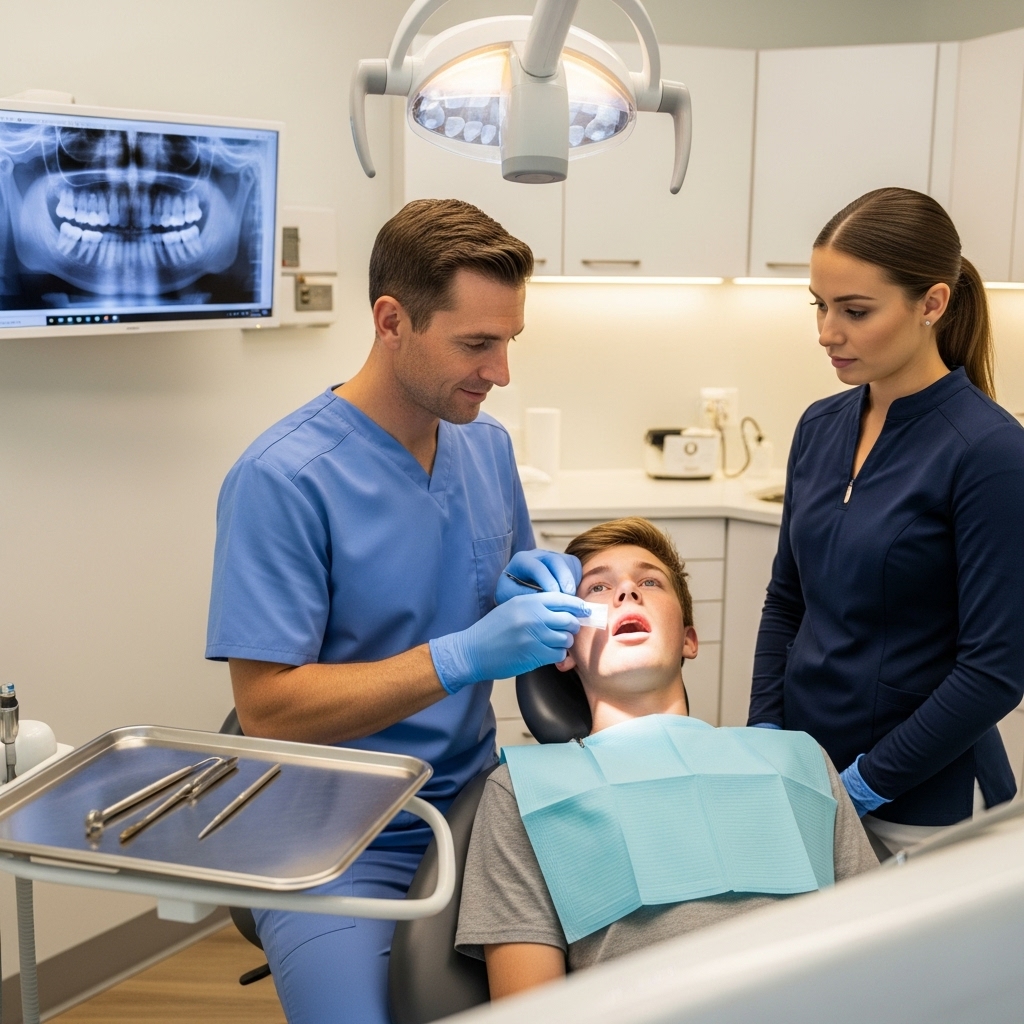
When you arrive, we focus on stabilization and comfort. Digital imaging, a careful exam, and a clear explanation of findings set the stage for next steps. If a temporary restoration is needed, we place it precisely; if pain control is the priority, we address that first. Throughout the visit, we explain what we’re doing and why. Emergencies can feel chaotic, but the experience doesn’t have to. A steady pace and clear communication help restore calm as we protect the tooth and surrounding tissues.
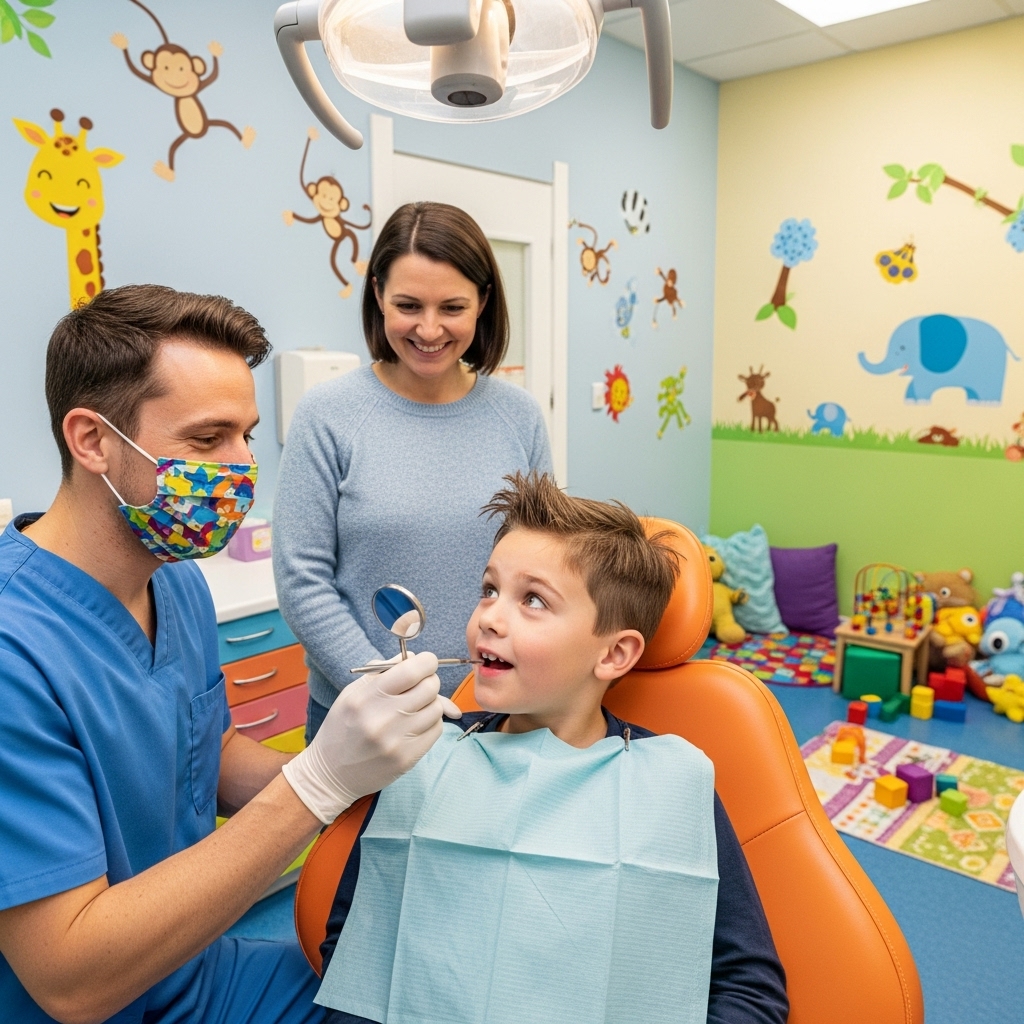
For children, we emphasize reassurance and simplicity. A gentle narrative—what we’re about to do, what it might feel like, and how we’ll stop if something feels uncomfortable—helps your child participate without fear. We celebrate small wins and keep the environment as familiar and predictable as possible.
Common Emergencies We See in Woodland Hills
Toothaches are the most frequent reason families call us urgently. Sometimes the pain is sharp and localized; other times, it’s a dull ache that escalates. Cracks and fractures can follow a hard bite or clenching during a stressful period. Dislodged fillings or crowns may occur while eating sticky foods, and knocked-out teeth often stem from falls or athletic activities. Each scenario requires a thoughtful response, and we tailor care to the specific anatomy of the tooth and the health of the gums and surrounding bone.
We’re also mindful of how local lifestyle factors play a role. Outdoor activities and team sports increase the risk of impact injuries, while periods of intense work can elevate clenching and grinding, especially at night. By understanding what likely led to the emergency, we can address the cause and reduce the chance of recurrence.
Prevention and Preparation Reduce Urgency
While emergencies can’t always be predicted, preparation helps. We encourage families to keep a small kit at home with essentials like clean gauze, a small container with a lid, and saline or milk for transporting a knocked-out tooth. Knowing what to do—avoiding scrubbing the root, keeping the tooth moist, and seeking care quickly—preserves options. For those who clench or grind, a protective nightguard reduces wear and the risk of fractures. Athletes benefit from well-fitted mouthguards, especially in contact sports or activities with falls.
Regular checkups are another form of prevention. We watch for fragile restorations, early cracks, gum inflammation, and bite imbalances that add stress to certain teeth. By addressing these signs early, we reduce the likelihood of a surprise emergency and keep your smile stable.
Coordinating Care for the Whole Family
Emergencies rarely happen at convenient times, especially for families balancing work and school schedules. We plan with that reality in mind, offering guidance on how to prioritize care when two concerns arise at once—say, a parent with a cracked filling and a teen with a damaged retainer. Clear sequencing ensures the most time-sensitive need is addressed immediately while keeping the rest of the plan moving forward.
In the middle of this process, it’s reassuring to have a reliable home base for family dentistry that knows your history and anticipates your needs. Familiarity speeds decision-making and reduces stress, turning an urgent moment into a coordinated, compassionate experience.
Aftercare and Follow-Up
Stabilizing an emergency is the first step; the second is healing well and preventing recurrence. We provide clear instructions on how to care for the area—what to eat, how to clean gently, and what signs to watch for. Follow-up visits allow us to evaluate healing, confirm that any temporary solution remains stable, and plan definitive care when needed. If the emergency revealed an underlying issue like a bite imbalance or enamel wear, we incorporate that insight into your long-term plan.
We also check in between appointments. A simple phone call to see how you’re feeling can catch a question early and reinforce that you’re not navigating recovery alone. This continuity builds trust, which is especially important after a stressful event.
Helping Children Bounce Back
When a child experiences a dental injury, reassurance is as important as treatment. We explain what happened in age-appropriate language, involve them in simple steps like holding gauze or choosing a flavor for a topical application, and emphasize how resilient smiles can be. Parents receive clear guidance on home care, monitoring, and when to call. Our aim is a quick return to normal routines, with a renewed focus on prevention—mouthguards for sports, reminders about safe play, and regular checkups that keep small changes on our radar.
FAQ
What should I do if a tooth is knocked out?
Handle the tooth by the crown, not the root. Rinse gently if needed, keep it moist in milk or saline, and call us immediately. Time matters, and swift action can improve the chances of saving the tooth.
When is pain considered an emergency?
If pain is severe, persistent, or accompanied by swelling, fever, or difficulty swallowing, treat it as urgent and contact us right away. These symptoms can signal infection or other conditions that need prompt care.
Can I wait to see if a cracked tooth improves?
It’s best to be evaluated promptly. A crack can deepen or allow bacteria to enter, increasing the risk of pain and more extensive treatment later.
What if my child is scared after a dental injury?
We’ll move slowly, explain each step, and involve your child in simple decisions to restore a sense of control. With reassurance and gentle care, most children recover confidence quickly.
How can I minimize the chance of emergencies?
Use protective gear for sports, wear a nightguard if you clench or grind, and maintain regular checkups to catch early signs of stress or wear. Preparation reduces risk and makes unexpected events easier to manage.
Do you coordinate follow-up after urgent visits?
Yes. We schedule necessary check-ins, review healing, and integrate any new findings into your long-term plan, ensuring stability and comfort moving forward.
Ready for a plan that keeps emergencies manageable?
If you’re seeking a neighborhood practice that responds quickly, communicates clearly, and supports your family long after the urgent moment has passed, we’re here for you. Reach out to set up a visit and build a plan that blends preparedness with compassionate, dependable family dentistry in Woodland Hills.