Parents in Woodland Hills know that kids move fast, play hard, and sometimes discover the world face-first. A tumble on a playground off Mullholland, a misjudged jump at a backyard birthday party, or a sudden toothache at bedtime—dental surprises arise when you least expect them. In those moments, what you need is calm, clear guidance and a team that can see your child quickly, explain everything in simple terms, and restore comfort with a gentle touch. That is the purpose of a pediatric-focused emergency dentist: care built for children and parents, right here in Woodland Hills.
Children are not small adults. Their teeth, gums, and jaws are growing and changing, and their needs in an emergency are unique. A chipped baby tooth means something different than a cracked permanent molar. A lost filling in a young child needs a different approach than the same problem in a teenager with braces. The tone of the visit matters, too—curiosity, reassurance, and kindness go a long way in helping kids feel safe in a situation that can be scary or painful.
What counts as a pediatric dental emergency?
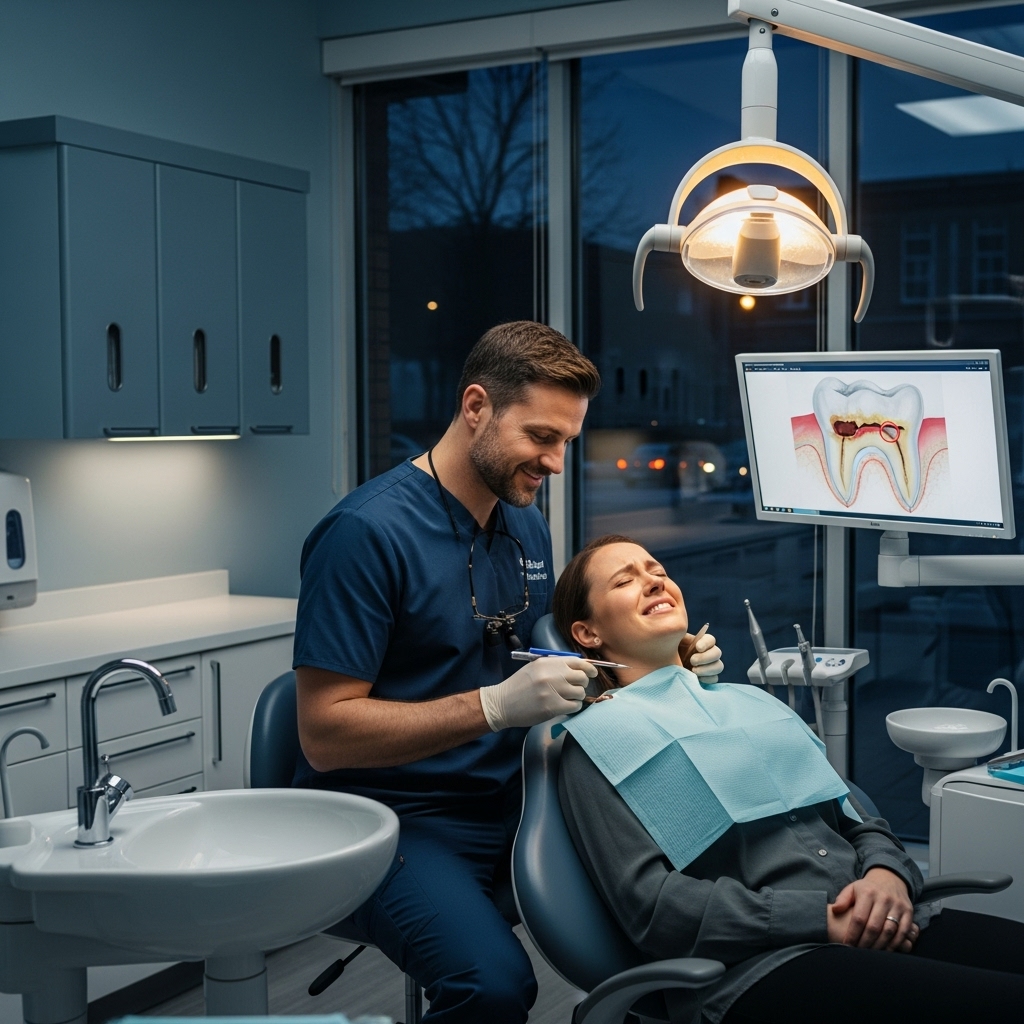
Any combination of pain, swelling, bleeding, trauma, or visible damage should prompt a call. Common scenarios include a broken or knocked-out tooth, a deep cavity that suddenly hurts, a toothache that keeps your child awake, a cut to the lip or cheek, and braces or wires that irritate or poke the soft tissues. Mouth sores and gum infections can also flare quickly in kids. If you are unsure, reach out; we will help you decide and guide you safely until you arrive.
For a permanent tooth that has been knocked out, time is crucial. If possible, gently place the clean tooth back into the socket without forcing it. If that is not feasible, store it in milk and come in immediately. For a baby tooth, do not attempt to reinsert it; doing so can injure the developing permanent tooth. Instead, apply light pressure if there is bleeding and call us right away. For a chipped or broken tooth, save any fragments in a small container; they may be useful during repair.
How pediatric emergency visits are different
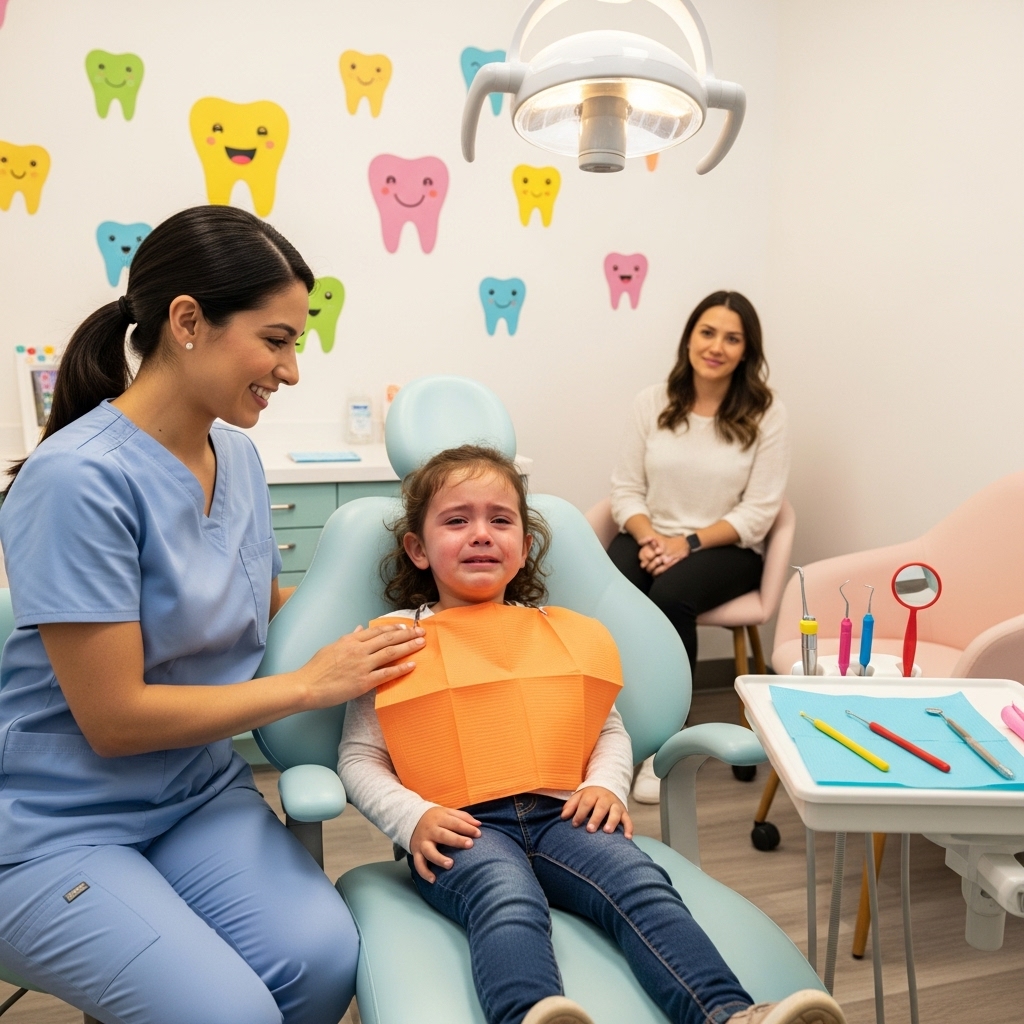
From the moment you call, the tone shifts to fit a child’s world. We ask short, helpful questions, keep explanations simple, and focus on comfort first. On arrival, we greet your child at eye level, introduce the tools in friendly terms, and move at a pace that builds trust. Topical numbing gels, gentle local anesthesia when needed, and calm storytelling help anxious little ones relax. We also engage parents as partners—reviewing options, likely outcomes, and home-care tips in language that makes it easy to help your child later.
Because kids’ teeth and bones are still developing, our decisions consider growth as well as the immediate fix. If a front tooth is chipped, we think about how to protect it cosmetically now and structurally as your child grows. If a molar has a deep cavity, we balance today’s comfort with preserving space and function for the adult teeth to come. No two emergencies are alike, and the right plan for a seven-year-old is different from the best plan for a teenager with a nearly full adult dentition.
Common pediatric emergencies and how we help
Toothaches in children often stem from cavities that have progressed more than anyone realized. We start by soothing the area and checking the tooth gently. Depending on what we find, we may place a protective medicated dressing, remove decay, or begin definitive care that relieves pressure and stops the ache. For chipped front teeth, cosmetic bonding can often be done right away, which is a huge relief for a child worried about their smile. For more significant fractures, we stabilize the tooth and plan the next steps.
Soft-tissue injuries—like a lip that meets a handlebar—are common. We clean carefully, assess whether sutures are needed, and give clear instructions for calming swelling and keeping the area clean. For orthodontic issues, we trim poking wires or add soft covers so your child can eat and sleep comfortably until their orthodontist can make a formal adjustment.
Why choose a local, child-friendly, open-now option
When a child is uncomfortable, minutes feel longer. Having immediate access to a pediatric-aware team in Woodland Hills shortens that stretch of worry. We know the area—from where to park near Ventura Boulevard to which pharmacies typically fill pediatric prescriptions quickly—and we tailor visits around school schedules, activities, and naps. We are also sensitive to siblings and family logistics, helping you manage the day with as little disruption as possible.
Some families are new to the Valley or visiting grandparents nearby. Others are long-time residents whose kids play soccer at local fields and ride bikes along quiet streets. In every case, our priority is the same: restore comfort, explain clearly, and protect your child’s smile with kindness.
Midway through care, many parents tell us the hardest part was not knowing what to do. That is why you can always reach an emergency dentist in Woodland Hills who can advise you by phone and see you quickly. We are here so you do not have to make tough decisions alone in the moment.
Home-care tips while you head in
For pain and swelling, use a cold compress on the cheek in short intervals. Offer cool water and soft foods if your child is hungry. Avoid very hot, very cold, or sugary drinks that can provoke sensitivity. If there is bleeding, apply gentle pressure with clean gauze. Do not place aspirin on the gums; it can burn delicate tissues. If a tooth is chipped, cover a sharp edge with a small piece of dental wax if you have it, or sugar-free gum as a temporary measure until you arrive.
Comfort, communication, and follow-up
After urgent care, we check in to see how your child is feeling and plan next steps. We provide written and verbal instructions tailored for kids—how to brush near a sore area, what snacks are easiest, and when to return to normal activities. If your child has a regular dentist or orthodontist, we share records to keep everyone aligned. The goal is for your child to wake up the next day feeling better and for you to feel confident about the plan ahead.
Frequently asked questions
What should I do if my child knocks out a permanent tooth?
Handle the tooth by the crown, not the root. If it is clean, gently place it back into the socket without forcing it. If that is not possible, store it in milk and come in immediately. Time is critical for saving the tooth.
What if a baby tooth is knocked out?
Do not try to reinsert a baby tooth. Apply gentle pressure if there is bleeding, keep the area clean, and call us right away. We will evaluate the area and ensure the developing permanent tooth is protected.
How can I tell if a toothache is serious?
Pain that interrupts sleep, swelling, fever, a bad taste in the mouth, or sensitivity that lingers after cold or sweets are signs to call promptly. Even without those signs, if your child says something feels “not right,” trust that instinct and reach out.
Will my child be numb after the visit?
Sometimes, yes. We will explain what to expect and how to keep your child from accidentally biting a cheek or lip while the numbness fades. Soft, cool foods are usually best right after treatment.
Does my child need to miss school?
It depends on the treatment. Many children can return to school the next day; others may need rest if a more involved procedure was necessary. We provide notes and guidance to help you plan.
Do you work with my child’s regular dentist or orthodontist?
Yes. We share records and coordinate care so your child’s team is informed. If you are visiting from out of town, we can send records to your home provider to keep treatment seamless.
If your child is hurting or you are worried about a dental injury, do not wait and wonder. Call now for calm, clear, and kid-centered help in Woodland Hills. When you need an Emergency Dentist who welcomes children and parents with open-now access, we are here to restore comfort—and your peace of mind—right away.