There is something uniquely exhausting about tooth pain that strikes in the middle of the night. In Woodland Hills, where days run long and nights can be busy with family, late workouts, or a quiet drive along Mulholland, the last thing you expect is a throbbing ache that will not let you sleep. When this happens, you need around-the-clock access to care from a trusted emergency dentist who can answer the phone, guide you safely, and see you as soon as possible. Twenty-four-hour availability is not a novelty; it is a lifeline when pain is relentless, and relief cannot wait for sunrise.
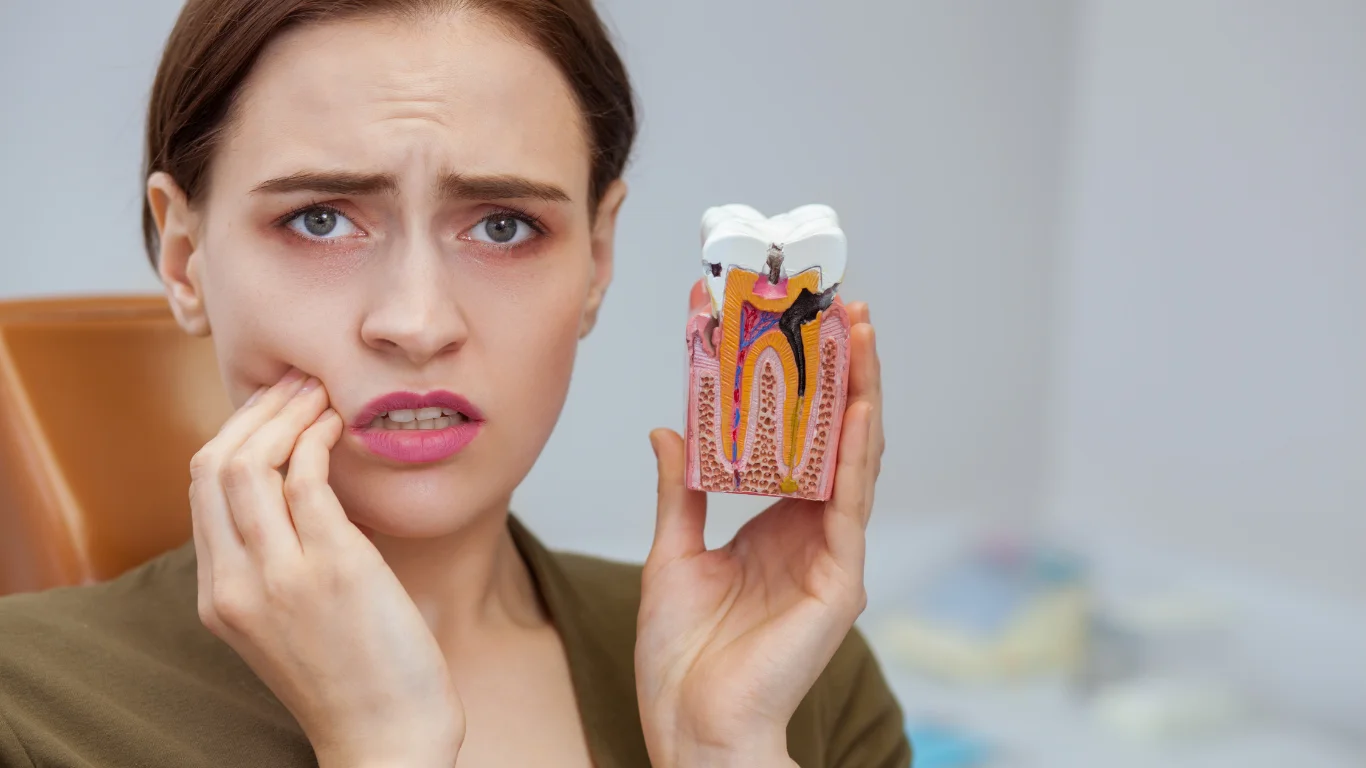
Tooth pain can be confusing because the sensation is so intense yet the source is hidden. It may feel like pressure, stabbing shocks, or deep throbbing that radiates toward your ear or jaw. The causes vary: deep decay that has reached the nerve, a cracked tooth allowing bacteria to irritate the pulp, gum infection, lodged food triggering inflammation, or even clenching that exacerbates sensitivity. At night, when you finally lie still, blood flow changes and pain signals often amplify. That is why so many Woodland Hills residents notice their worst symptoms after the day quiets down.
What 24-hour emergency care means in practical terms
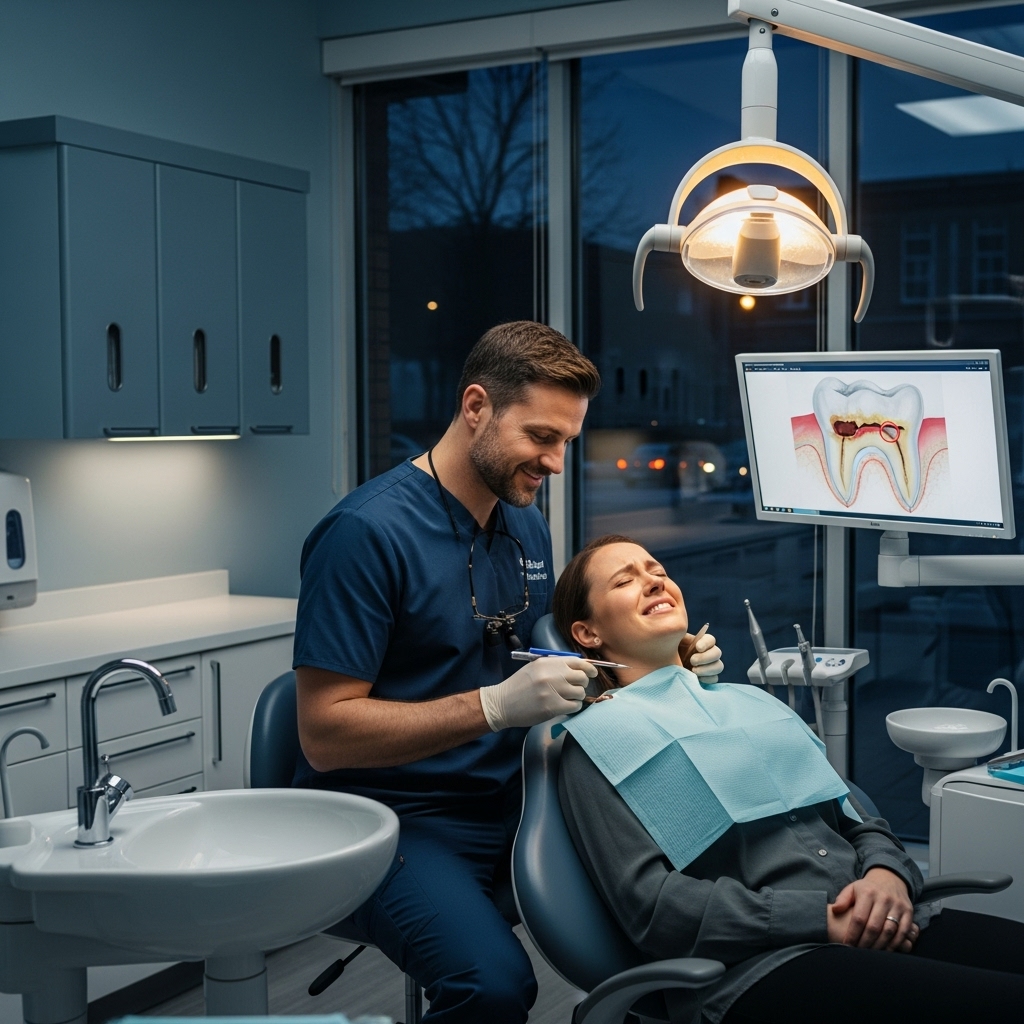
True 24-hour availability means there is a responsive, informed line of communication when you need it. If you call at 2 a.m. from an apartment near Warner Center or after a late movie on Ventura Boulevard, you should receive immediate advice on what to do right now, followed by a plan for being seen as quickly as possible. Sometimes that means guiding you through rinsing, using a cold compress, or carefully flossing if something might be lodged between teeth. Other times, particularly if there is swelling that extends into the face or you feel unwell, it means urging you to come in promptly so we can evaluate and relieve pressure safely.
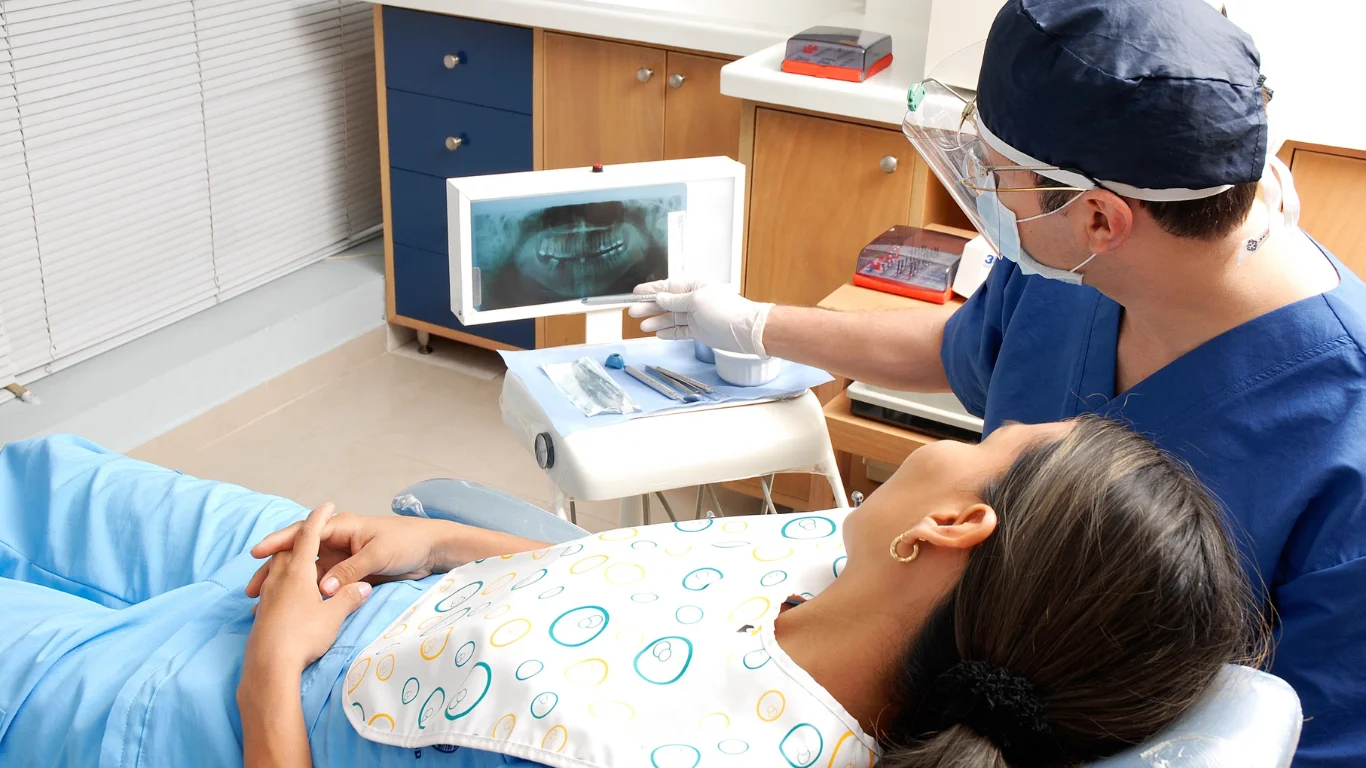
On arrival, our first priority is diagnosis. Targeted questions, careful testing, and minimal but effective imaging help us determine whether your pain stems from inflamed pulp tissue, infection, cracked enamel and dentin, an abscess, or a gum-related issue. By identifying the root cause, we can offer immediate relief that actually works—starting root canal therapy to decompress an inflamed nerve, placing a protective dressing, smoothing a sharp edge that is cutting your tongue, or adjusting a high spot on a recent filling that is overloading your bite.
Managing nighttime pain before you are seen
While you are on your way or waiting for a short time, there are safe steps that often make a meaningful difference. Rinse gently with warm salt water to calm the tissues. Place a cold compress on your cheek for 10-minute intervals to control swelling and numb the area. If you can safely take an over-the-counter anti-inflammatory, that may reduce pain. Avoid placing aspirin directly on your gums; it can burn the tissue. Stay upright as much as you can—sleeping propped up on a couple of pillows can prevent blood from pooling in the head and worsening the throbbing sensation.
Nighttime routines also matter. Skip very hot or very cold drinks, which can trigger sensitivity. Choose soft, lukewarm foods if you need to eat, and chew on the opposite side. Resist the urge to constantly test the tooth with your tongue or bite down to “check it.” That can aggravate irritated tissues and make symptoms worse.
Why local, 24/7 access is different in Woodland Hills
Our community stretches from the hills near Mulholland to the busy corridors around Topanga and the 101, meaning late-night drives can still take time. With a local team, you get guidance from people who understand these realities—how long it actually takes to reach a particular exit, where to park safely, and which nearby pharmacies are open early so any recommended medications are available at dawn. The more seamless the logistics, the faster you get meaningful relief.
For parents, 24-hour care means a child with a sudden toothache or a chipped tooth after an evening sports practice does not have to wait until morning. For night-shift workers, it means help is aligned with your schedule, not the other way around. For anyone, it means the reassurance that pain does not get to dictate your night.
Conditions we treat overnight
Severe toothaches caused by inflamed or infected pulp tissue are common after hours. Beginning root canal therapy to relieve pressure is often the fastest route to comfort and saving the tooth. We also see broken fillings, loose or lost crowns, cracked teeth after biting into something hard, and soft-tissue injuries like a cut on the lip or cheek. For patients with orthodontic appliances, a poking wire or a dislodged bracket can feel urgent at midnight; simple adjustments can provide instant relief and protect your cheeks and gums.
We also manage dental abscesses, which may present as swelling, warmth, and tenderness, sometimes with a bad taste in the mouth. In these cases, prompt evaluation and drainage, along with appropriate antibiotics if indicated, help control the infection and prevent complications. If a tooth has been knocked out or displaced due to trauma, time is of the essence; call as you head in so we can be ready to reposition and stabilize it.
Communication that reduces fear
There is a special kind of worry that comes with pain after hours. You are tired, the city is quieter, and it is easy to imagine worst-case scenarios. A good 24-hour emergency visit keeps you informed at every step. We explain what we see, why it hurts, and what we can do immediately. We outline your options in plain language and focus on what brings you relief quickly and safely. By the end of the visit, you should know exactly what just happened, what to expect overnight, and how we will follow up the next day.
Some patients have long-standing dental anxiety. We respect that and plan around it, using gentle numbing, calming pacing, and frequent check-ins. If you have had difficulty getting numb in the past, tell us; there are techniques and anesthetics that can make a big difference.
Midway through any plan, our priority is to ensure you can reach a trusted emergency dentist in Woodland Hills without delay, whether your pain starts at 10 p.m. or 4 a.m. Continuity is built into the process: we stabilize you now and schedule definitive care promptly so you are not left wondering what comes next.
How we prepare you for the next day
Before you leave, we provide clear written and verbal guidance tailored to your situation. That includes how to manage any soreness, what to avoid, and when to call if something changes. If a prescription is appropriate, we coordinate with a nearby pharmacy and explain when and how to take it safely. Most importantly, we set a plan for follow-up so your care stays on track and your relief lasts.
Frequently asked questions
Why does tooth pain feel worse at night?
When you lie down, changes in blood flow can increase pressure in inflamed tissues. There are fewer distractions, so you notice pain more. Clenching during sleep can also aggravate a sore tooth. These factors combine to make nighttime pain feel more intense—and why 24-hour access to care is so valuable.
How do I know if I need urgent care or can wait?
If pain is severe, persistent, or accompanied by swelling, fever, or a bad taste, you should be evaluated promptly. Trauma, a knocked-out tooth, or a crown that has popped off also warrant quick attention. When in doubt, call; we can help you decide and keep you safe in the meantime.
Can a 24-hour visit actually fix the problem, or just manage pain?
In many cases, we can start definitive treatment immediately—such as beginning a root canal to relieve pressure, recementing a crown, or stabilizing a cracked tooth. If a complex procedure is needed, we focus on calming the situation right away and schedule the next step promptly.
Is an emergency dentist different from a regular dentist?
The training is similar, but emergency-focused care emphasizes rapid diagnosis, immediate pain relief, and stabilization. The workflow is designed for speed, comfort, and clarity, with access arranged for nights, weekends, and holidays.
What should I avoid doing before I am seen?
Avoid placing aspirin on the gums, which can burn tissue. Do not apply heat to the face if you suspect infection; use a cold compress instead. Resist constant probing of the area with your tongue or biting down to test it. Stick to soft, lukewarm foods and avoid very hot or cold drinks.
What if I am traveling or new to Woodland Hills?
Call us anyway. We will guide you step by step, provide care now, and share records if you want your home dentist to continue treatment later. Whether you are staying near Ventura Boulevard for work or visiting family, you should not have to navigate dental pain alone.
If you are awake right now with tooth pain and need help, reach out for immediate guidance and same-night care. Our Woodland Hills team is ready to see you, stabilize the problem, and get you back to rest. When you need an Emergency Dentist you can count on at any hour, we are here—calm, prepared, and focused on your relief.