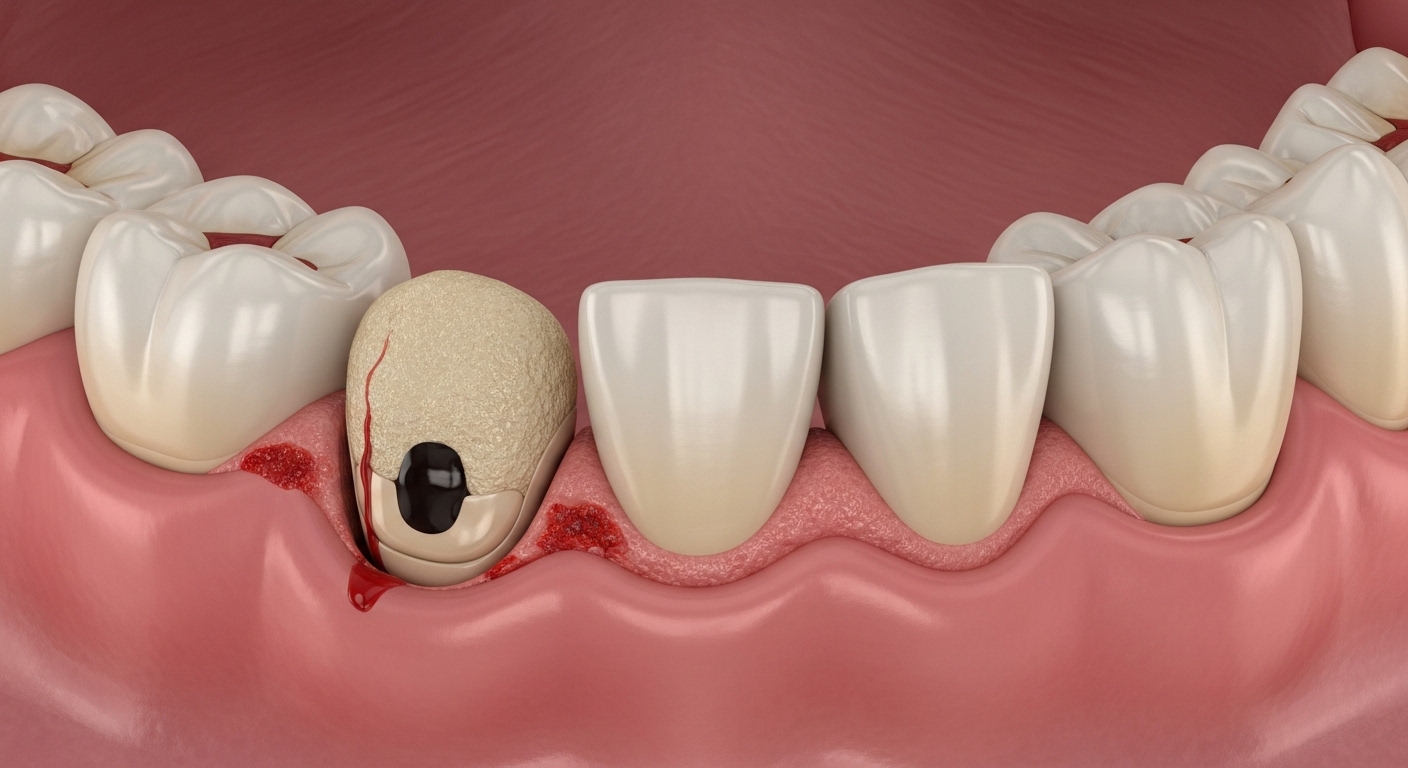

Bleeding gums when you floss, even if you brush regularly, can be concerning. While it’s a common issue, it’s not something that should be ignored. As a dentist near me in Woodland Hills, CA, I’m here to explain why your gums may be bleeding and how you can address this issue to maintain good oral health.
Understanding the Causes of Bleeding Gums
Bleeding gums when flossing can be caused by several factors, ranging from poor oral hygiene to more serious underlying health conditions. Here’s a breakdown of the most common reasons your gums might bleed:
1. Gingivitis: The Early Stage of Gum Disease
The most common cause of bleeding gums is gingivitis, a mild form of gum disease. Gingivitis occurs when plaque, a sticky film of bacteria, builds up along the gumline and irritates the gums. This inflammation can cause the gums to bleed when you floss or brush your teeth. The good news is that gingivitis is reversible with improved oral hygiene. If left untreated, however, it can progress to a more severe form of gum disease known as periodontitis.
2. Inconsistent Flossing or Brushing Technique
If you’re new to flossing or haven’t flossed in a while, your gums may bleed at first. This is especially common when you start flossing regularly after a period of not doing so. Flossing helps remove plaque and food particles between the teeth and along the gumline, which can be missed by brushing alone. As your gums adjust to the new cleaning method, the bleeding should subside, but it’s important to keep flossing gently and consistently.
3. Incorrect Brushing or Flossing Technique
If you’re brushing or flossing too aggressively, you could be irritating your gums, causing them to bleed. It’s important to brush your teeth with gentle, circular motions, using a soft-bristled toothbrush. When flossing, use a gentle sawing motion to avoid snapping the floss into your gums, which can cause damage and bleeding. Be mindful of your technique, and if you’re unsure, ask your dentist to show you the proper way to brush and floss.
4. Vitamin Deficiencies
A deficiency in vitamins, especially vitamin C, can lead to bleeding gums. Vitamin C is crucial for the health of your gums and overall immune system. If your diet lacks this important nutrient, your gums may become swollen, tender, and more prone to bleeding. Incorporating more fruits and vegetables rich in vitamin C, like oranges, strawberries, and bell peppers, can help improve gum health.
5. Pregnancy Hormones
Pregnancy can cause hormonal changes that may make your gums more sensitive and prone to bleeding, a condition known as pregnancy gingivitis. During pregnancy, the increased levels of hormones such as progesterone can cause the gums to become more inflamed, especially in the second trimester. While this is a temporary condition, it’s still important to maintain proper oral hygiene and visit your dentist regularly during pregnancy.
6. Medications
Some medications can cause your gums to bleed more easily. Blood thinners, such as aspirin or warfarin, can affect the way your blood clots, making your gums more prone to bleeding. Certain medications for conditions like high blood pressure and epilepsy can also have this side effect. If you’re on medication and notice bleeding gums, speak with your dentist and doctor to determine if your medication could be the cause and if adjustments are needed.
7. Health Conditions That Affect Gum Health
Bleeding gums can sometimes be a sign of an underlying health condition, such as diabetes or a blood disorder like leukemia or hemophilia. Diabetes can affect your immune system and make it harder for your body to fight off infections, including gum infections. Similarly, conditions that affect your blood’s ability to clot can lead to more frequent or severe gum bleeding. If you have a health condition that could be affecting your gums, it’s important to manage your condition properly and maintain regular dental checkups.
What Can You Do to Stop Bleeding Gums?
If you notice your gums bleeding, there are several steps you can take to address the issue and prevent it from worsening:
1. Improve Your Oral Hygiene Routine
The most important step to prevent and treat bleeding gums is to improve your oral hygiene routine. Brush your teeth at least twice a day using a soft-bristled toothbrush and fluoride toothpaste. Make sure to floss daily to remove plaque and debris between your teeth. Using an antimicrobial mouthwash can also help reduce bacteria in your mouth.
2. Be Gentle When Brushing and Flossing
If you’re experiencing bleeding gums, switch to a soft-bristled toothbrush and avoid brushing too aggressively. Be gentle when flossing, using a sawing motion to guide the floss between your teeth without snapping it into your gums.
3. Eat a Healthy Diet
A balanced diet rich in vitamins, particularly vitamin C, can help support your gum health. Eating plenty of fruits and vegetables, along with foods that are high in antioxidants, can reduce inflammation and support overall oral health.
4. Visit Your Dentist Regularly
If you have bleeding gums, it’s important to visit your dentist for a thorough examination. Your dentist will check for signs of gum disease and provide professional cleaning to remove plaque and tartar buildup that you can’t remove with regular brushing and flossing. Early detection of gum disease can help prevent it from progressing to more serious stages.
5. Address Any Underlying Health Conditions
If your bleeding gums are caused by an underlying health condition, such as diabetes or a blood disorder, managing the condition is key to preventing further problems. Work with your healthcare provider to address any medical issues and keep your gums healthy.
When Should You See a Dentist?
While occasional bleeding when flossing can be normal, persistent or severe bleeding should not be ignored. If your gums continue to bleed for more than a few days, or if you experience pain, swelling, or receding gums, it’s important to see your dentist as soon as possible. These could be signs of gum disease or another serious condition that requires professional treatment.
Frequently Asked Questions
Why do my gums only bleed when I floss, but not when I brush?
Bleeding gums when flossing is usually a sign of plaque buildup between the teeth and along the gumline. Flossing helps remove this plaque, which can irritate the gums and cause bleeding. If you experience bleeding, it could indicate early-stage gum disease (gingivitis) that requires attention.
How can I stop my gums from bleeding when I floss?
Make sure to floss gently and consistently. Over time, your gums will become healthier, and the bleeding should subside. If the bleeding persists, visit your dentist to rule out any underlying conditions like gum disease or vitamin deficiencies.
Can bleeding gums be a sign of a more serious condition?
Yes, persistent bleeding gums can be a sign of gum disease or other health issues such as vitamin deficiencies or blood disorders. It’s important to see your dentist if you experience ongoing gum bleeding to determine the cause and receive the appropriate treatment.
Take Action: Protect Your Gums and Smile
If your gums bleed when you floss, don’t ignore it—take action now to improve your oral hygiene and seek professional care if necessary. Regular dental checkups, combined with good oral hygiene, are key to preventing and treating bleeding gums. If you need help with your oral health or have concerns about your gums, contact our office today. We’re here to help you maintain a healthy, beautiful smile!
Dr. Ahdout
22116 Ventura Blvd, Woodland Hills, CA 91364, United States
Phone: +1 (818) 340-3062