3D printing technology is revolutionizing various industries, and dentistry is no exception. In recent years, 3D printing has significantly sped up the process of creating dental crowns and implants, offering patients a more efficient and convenient way to restore their smiles. As a dentist near me in Woodland Hills, CA, I’m here to explain how 3D printing technology is transforming dental care and making these treatments faster, more accurate, and more cost-effective.
What Is 3D Printing in Dentistry?
3D printing in dentistry involves using a computer-controlled printer to create precise, custom dental restorations such as crowns, bridges, implants, and dentures. The printer builds these restorations layer by layer from digital impressions, making the process more efficient and accurate than traditional methods. This advanced technology is also known as “additive manufacturing” because it adds material to build the final product, rather than subtracting from a larger piece of material.
How 3D Printing Works in Dental Crowns and Implants
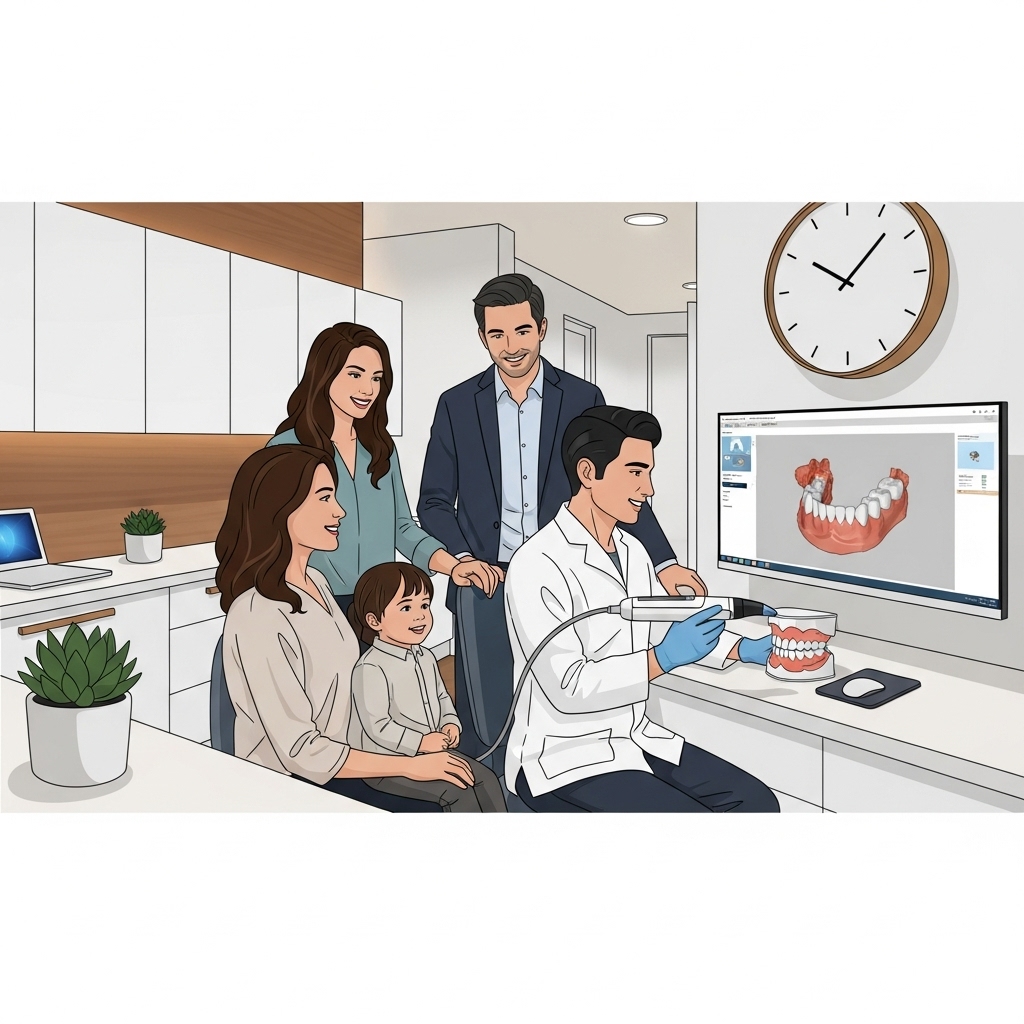
The process of creating dental crowns and implants using 3D printing begins with a digital scan of your mouth. Traditional impressions often involve messy putty, but with 3D scanning, a high-definition image of your teeth and gums is captured to create a precise 3D model. This model is then used to design a custom restoration that will fit perfectly with your natural teeth.
Once the design is ready, the 3D printer creates the dental crown or implant by layering materials such as ceramic, resin, or titanium. The printer is able to build the restoration with extreme precision, ensuring it fits accurately and comfortably in your mouth. After the printing process, the restoration may undergo additional procedures such as polishing or strengthening before it’s ready for placement.
How Does 3D Printing Make the Process Faster?
3D printing technology has streamlined several aspects of the dental crown and implant creation process, making it significantly faster than traditional methods. Here’s how:
1. Faster Production Time
Traditional methods of creating dental crowns and implants can take several weeks. This is because a dentist typically needs to send impressions to a dental lab, where the crown or implant is manually crafted. With 3D printing, the entire process can be completed in just a few hours to a few days, depending on the complexity of the restoration. This reduces the wait time for patients and allows them to receive their new crowns or implants much more quickly.
2. Elimination of Multiple Appointments
With traditional methods, patients often need to make multiple visits to the dentist: one for the initial impression and fitting, another for trying in the crown or implant, and sometimes a third for adjustments. With 3D printing, many restorations can be created and fitted in a single appointment. This reduces the number of visits needed and makes the entire process more convenient for patients.
3. High Precision and Customization
3D printing provides a high level of precision when creating dental crowns and implants. Traditional methods, such as manual sculpting, can sometimes lead to small errors that require adjustments. However, with 3D printing, the digital design is incredibly accurate, ensuring that the restoration fits perfectly on the first try. This reduces the need for additional appointments for adjustments, saving both time and money for both patients and dentists.
4. Streamlined Workflow and Reduced Labor
In traditional crown and implant creation, a lot of manual labor is involved, from crafting the restoration to making necessary adjustments. 3D printing automates much of this process, reducing the need for extensive handwork. This allows dental offices to produce crowns and implants more efficiently, further speeding up the process.
Advantages of 3D Printed Crowns and Implants
Beyond the speed of the process, there are several other advantages to using 3D printing for dental crowns and implants:
1. Better Fit and Comfort
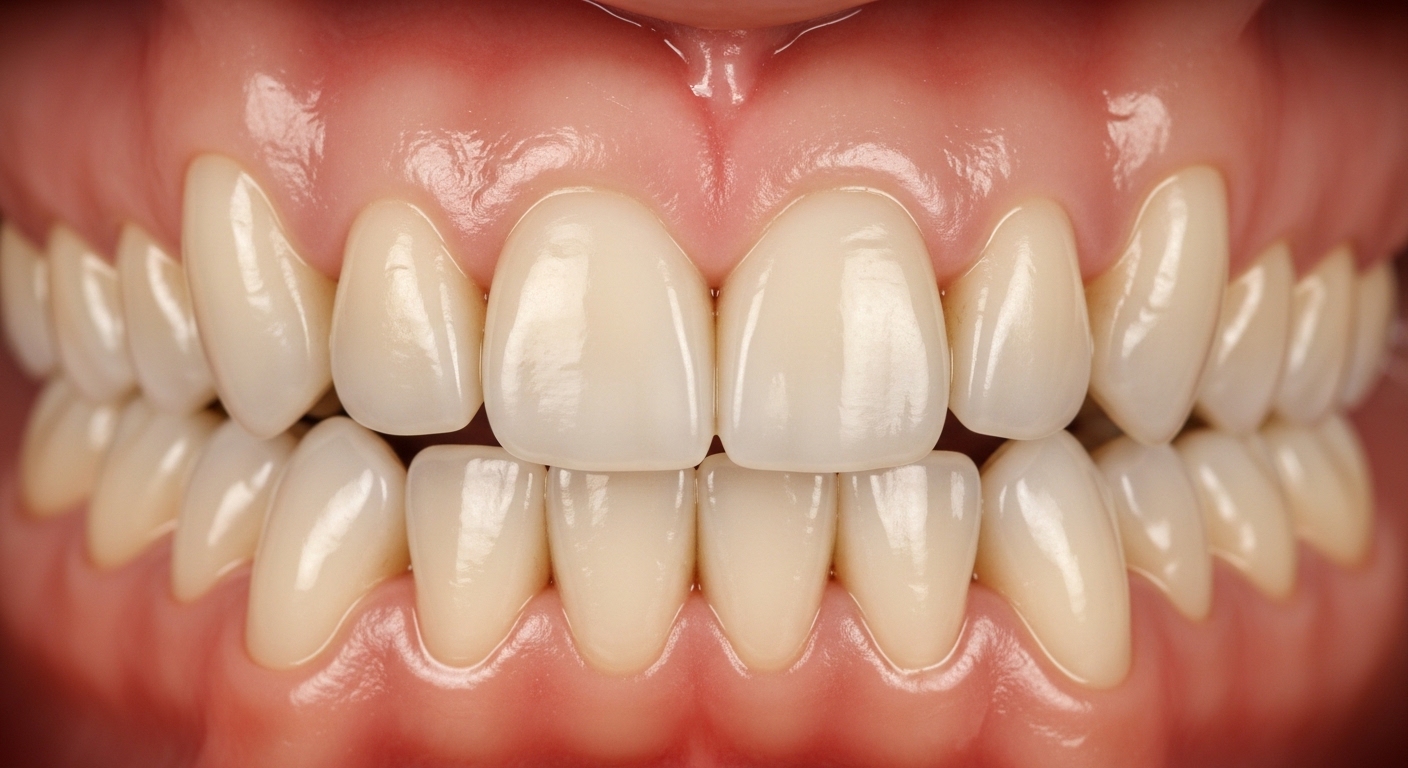
3D printing offers an unmatched level of customization. With the help of digital scanning and precise printing, 3D printed crowns and implants are more accurately designed to fit the contours of your mouth. This results in a more comfortable fit and better overall function compared to traditional methods, which may involve more trial and error during the fitting process.
2. Cost-Effective
Because 3D printing reduces the need for manual labor and eliminates the back-and-forth with dental labs, the cost of producing crowns and implants can be lower than traditional methods. As a result, patients may benefit from more affordable options without compromising quality.
3. Less Invasive and Faster Recovery
Since 3D printing allows for more precise, customized restorations, there’s less need for invasive adjustments and a reduced risk of complications. This can lead to a quicker recovery time after receiving crowns or implants, with less discomfort and fewer follow-up visits.
What Types of Dental Restorations Can Be Made with 3D Printing?
3D printing can be used to create a wide range of dental restorations, including:
- Crowns: Custom crowns designed to fit precisely over a damaged tooth.
- Implants: Titanium or ceramic implants for replacing missing teeth.
- Bridges: Fixed dental bridges that fill the gap left by one or more missing teeth.
- Inlays and Onlays: Partial fillings that restore teeth with significant decay or damage.
- dentures: Full or partial dentures that replace missing teeth with custom-fitted solutions.
Frequently Asked Questions
Is 3D printing technology safe for dental crowns and implants?
Yes, 3D printing technology is safe and highly effective for creating dental crowns and implants. The materials used in 3D printing are specifically designed for dental use and are biocompatible, meaning they are safe for use in the mouth.
How long do 3D printed dental crowns and implants last?
3D printed crowns and implants are designed to be durable and long-lasting. The lifespan of your 3D printed restoration will depend on the material used, how well you maintain your oral hygiene, and whether you experience any accidents or injuries. With proper care, 3D printed crowns and implants can last for many years.
Can I get a crown or implant on the same day with 3D printing?
In many cases, yes! Thanks to the efficiency of 3D printing, some dental offices can complete both the design and placement of crowns and implants in a single visit. This is especially true for crowns and other restorations that don’t require advanced surgical procedures.
Experience the Future of Dentistry Today
3D printing is revolutionizing the way dental crowns and implants are created, making the process faster, more precise, and more affordable. If you’re looking for a dentist who utilizes the latest technology to provide efficient and high-quality dental care, contact our office today. We’re excited to help you restore your smile with the latest innovations in dental care!
Dr. Ahdout
22116 Ventura Blvd, Woodland Hills, CA 91364, United States
Phone: +1 (818) 340-3062