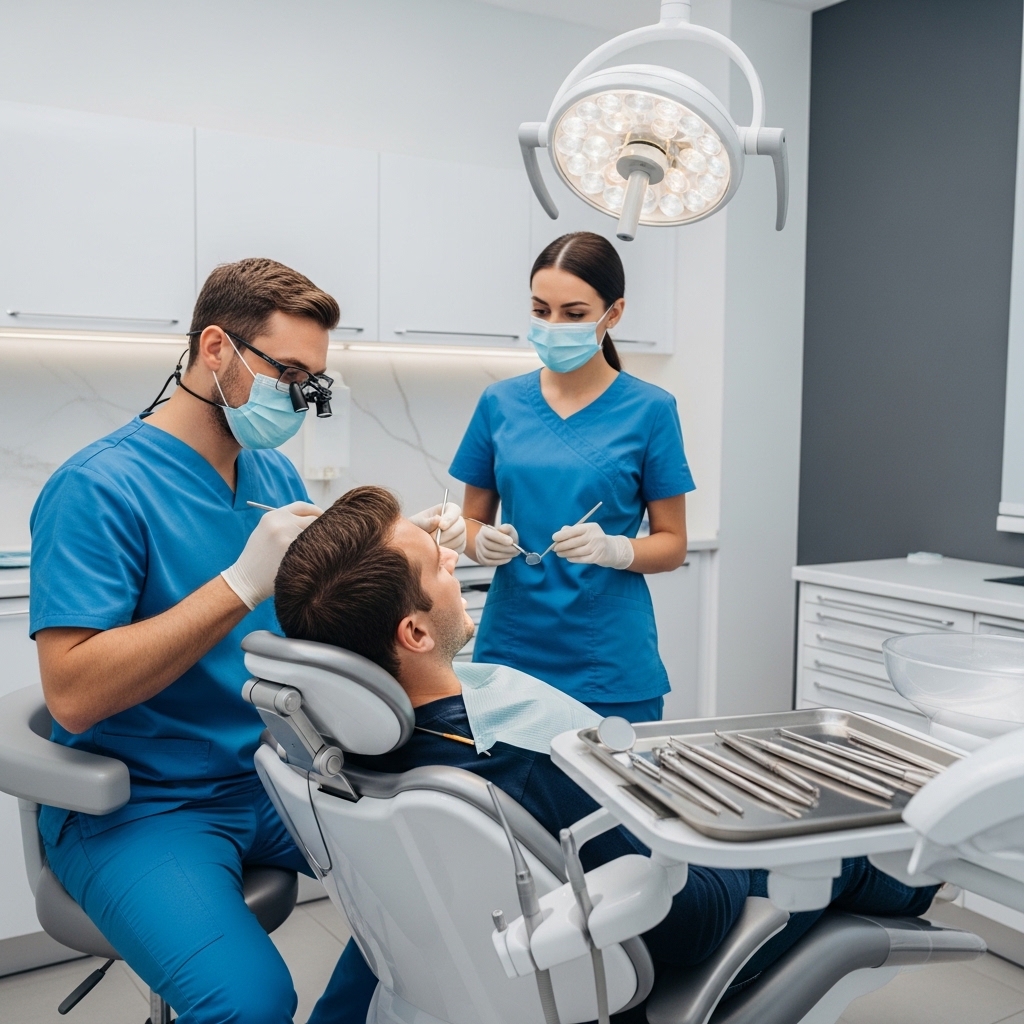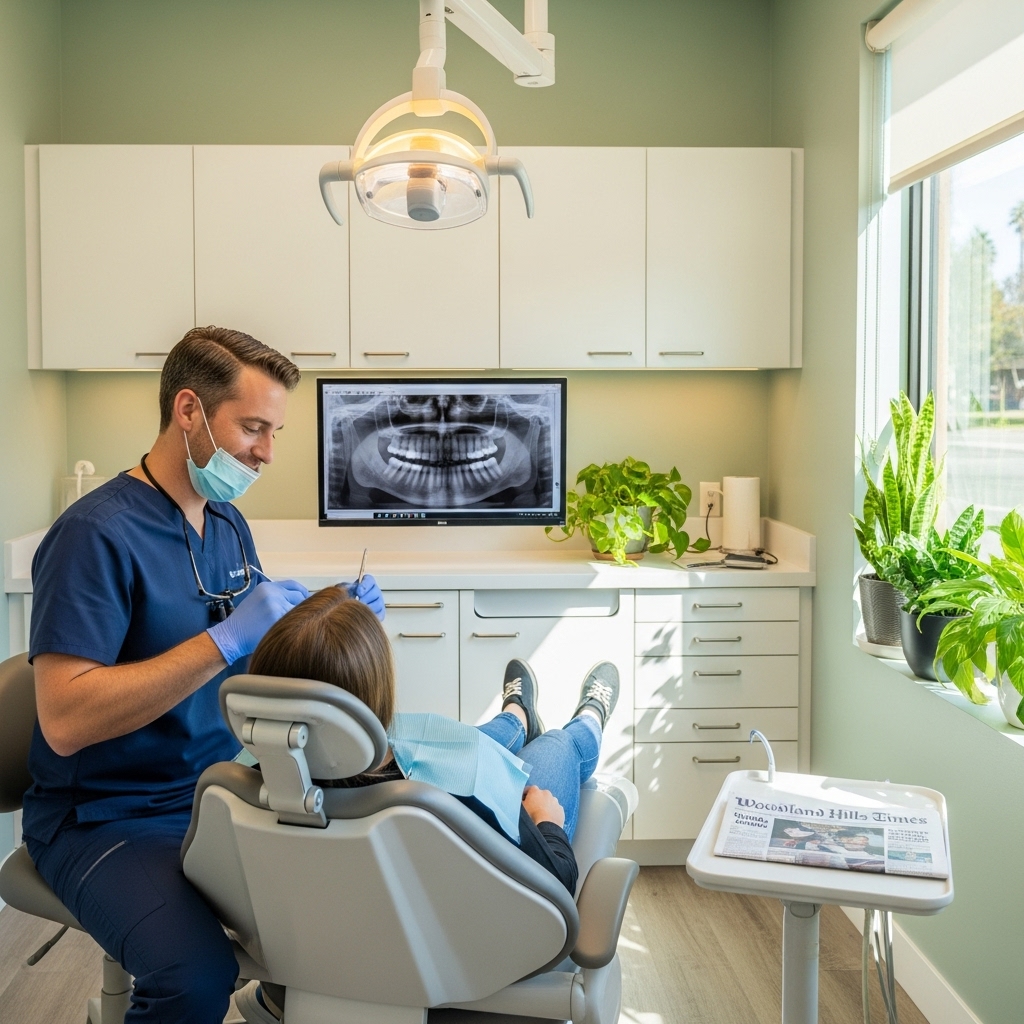
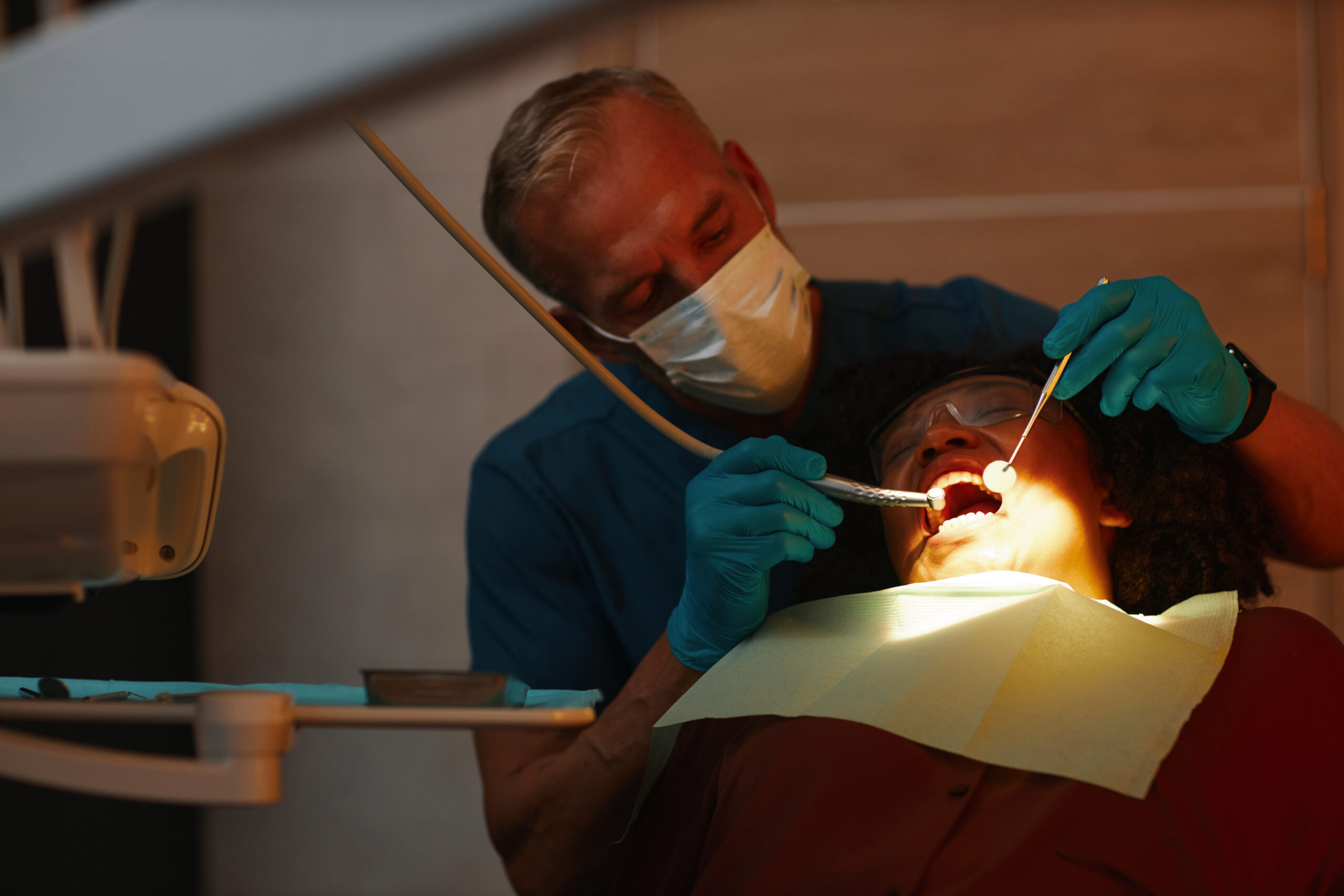
Many people desire a brighter, whiter smile, but if you have sensitive teeth or thin enamel, you may be wondering if teeth whitening is safe for you. Whitening treatments can be effective, but they can also lead to discomfort or damage to your teeth if not done properly. As a trusted dentist near me in Woodland Hills, CA, I’m here to explain how you can safely whiten your teeth if you have sensitive teeth or thin enamel, and the options available for achieving a brighter smile without compromising your oral health.
Understanding Sensitive Teeth and Thin Enamel
Tooth sensitivity occurs when the protective layer of enamel on your teeth is worn down, exposing the underlying dentin. This can cause discomfort or pain when eating hot, cold, or sweet foods. Thin enamel is one of the leading causes of sensitivity and can also make your teeth more susceptible to staining. Because whitening treatments typically work by opening the pores of the enamel and breaking down stains, they can sometimes trigger sensitivity or discomfort, especially for those with already compromised enamel.
Why Teeth Whitening Can Be Problematic for Sensitive Teeth
Most teeth whitening treatments contain hydrogen peroxide or carbamide peroxide, which are chemicals that bleach the teeth. While these ingredients are effective at removing stains, they can also irritate the nerves inside the teeth, leading to temporary sensitivity. If your enamel is thin or worn down, these chemicals may penetrate deeper into the tooth, causing more discomfort.
Can You Still Whiten Your Teeth with Sensitive Teeth or Thin Enamel?
Yes, it is possible to whiten your teeth even if you have sensitive teeth or thin enamel, but it’s important to proceed with caution. There are a few key strategies and treatment options that can help minimize discomfort and protect your enamel while still achieving a brighter smile.
1. Use a Whitening Product Specifically Designed for Sensitive Teeth
Many whitening products on the market today are designed for people with sensitive teeth. These products often contain lower concentrations of hydrogen peroxide and incorporate ingredients that help to minimize irritation. Some may also include desensitizing agents like potassium nitrate or fluoride to help soothe the teeth and reduce sensitivity. If you have sensitive teeth, it’s best to choose a product that is specifically formulated for your needs.
2. Try Professional Teeth Whitening with Your Dentist
While at-home whitening treatments are popular, professional whitening from a dentist is a safer and more controlled option, especially for those with sensitive teeth or thin enamel. Your dentist can apply a whitening gel that’s tailored to your specific needs and monitor the process to ensure that your enamel remains protected. Professional whitening treatments are often more effective and can be customized to reduce the risk of sensitivity.
3. Take Breaks Between Whitening Treatments
If you’re using an at-home whitening kit, it’s important to take breaks between treatments to give your teeth time to recover. Overuse of whitening products can exacerbate sensitivity and lead to enamel damage. Space out treatments over a longer period and pay attention to any discomfort—if sensitivity becomes too intense, stop whitening and give your teeth a break before resuming treatment.
What About Whitening Toothpastes for Sensitive Teeth?
There are many whitening toothpastes available that claim to help with stains while also being gentle on sensitive teeth. These products typically contain mild abrasives that help to remove surface stains without penetrating deeply into the enamel. While they may not provide dramatic results like professional whitening treatments, they can be a great option for maintaining a bright smile without causing irritation.
How to Minimize Sensitivity During Teeth Whitening
If you choose to whiten your teeth, here are some tips to help minimize sensitivity and protect your enamel:
- Use a desensitizing toothpaste: Before starting a whitening treatment, use a toothpaste designed for sensitive teeth to help reduce discomfort.
- Limit the use of whitening products: Don’t overuse whitening products, as they can weaken enamel and increase sensitivity.
- Apply fluoride gel: After whitening, using a fluoride gel or mouthwash can help remineralize the enamel and reduce sensitivity.
- Opt for professional treatments: Consult your dentist about professional whitening options that can be tailored to minimize irritation.
Alternative Options for Whitening Your Teeth
If you find that whitening treatments are too uncomfortable or if you have severe sensitivity, there are other ways to improve the appearance of your teeth without resorting to whitening. Some alternatives include:
1. Veneers or Bonding
For those with thin enamel or sensitivity, dental veneers or bonding can be a great option. These cosmetic treatments can cover stains and imperfections without causing the discomfort that traditional whitening methods may bring. Veneers are thin shells of porcelain or composite resin placed over the front of your teeth, while bonding involves applying a tooth-colored material to reshape and whiten your teeth.
2. Lifestyle Changes
Reducing your consumption of foods and beverages that stain your teeth, such as coffee, tea, wine, and tobacco, can help prevent further discoloration. Additionally, drinking through a straw can minimize contact with your teeth, reducing the risk of staining. Regular brushing and flossing also play a crucial role in maintaining your smile’s brightness.
Frequently Asked Questions
Can teeth whitening damage my enamel?
If used correctly and with proper precautions, teeth whitening should not damage your enamel. However, overuse or the use of products with high concentrations of whitening agents can cause enamel erosion and increased sensitivity. It’s important to follow guidelines and consult with your dentist before starting a whitening treatment.
What can I do if my teeth become sensitive after whitening?
If you experience sensitivity after whitening, stop using the product and switch to a desensitizing toothpaste. You can also apply fluoride gel or mouthwash to help strengthen your enamel. If sensitivity persists, contact your dentist for advice and further treatment options.
Are there whitening treatments that are safe for people with thin enamel?
Yes, there are whitening treatments specifically designed for individuals with thin enamel or sensitive teeth. These products use lower concentrations of hydrogen peroxide or include desensitizing agents to reduce irritation. It’s important to choose a product or treatment that is gentle and safe for your enamel.
Achieve a Brighter Smile Safely
If you’re concerned about whitening your teeth with sensitive teeth or thin enamel, it’s always best to consult with your dentist before starting any whitening treatment. They can help guide you in choosing the safest and most effective option for your specific needs. For personalized advice and whitening treatments, contact our office today and take the first step toward a brighter, healthier smile.
Dr. Ahdout
22116 Ventura Blvd, Woodland Hills, CA 91364, United States
Phone: +1 (818) 340-3062