
July 31, 2026 • No Comments
We Care For Your Smile
At our Woodland Hills dental practice, Dr. Nader Ahdout provides gentle dental care, family dentistry, sedation dentistry, and advanced implant treatments to help every patient achieve a healthy, confident smile.
Get your dental health back on track with us
Our Woodland Hills dental office is committed to providing safe, modern, and comfortable dental care for every patient. We follow the latest CDC guidelines and use advanced technology—including UV air purification, PPE, and enhanced sanitation protocols—to ensure a clean and secure environment. Schedule your free consultation with Dr. Ahdout and experience high-quality cosmetic and family dentistry tailored to your smile needs.
A fast and highly effective way to brighten your smile using safe, professional whitening solutions.
Professional cleanings designed to remove plaque, protect your gums, and keep your oral health on track.
Advanced techniques and sedation options that deliver a calm, pain-free dental experience.
A clear and comfortable solution to straighten your teeth without traditional metal braces.
Our Woodland Hills dental office is committed to providing safe, modern, and comfortable dental care for every patient. We follow the latest CDC guidelines and use advanced technology—including UV air purification, PPE, and enhanced sanitation protocols—to ensure a clean and secure environment. Schedule your free consultation with Dr. Ahdout and experience high-quality cosmetic and family dentistry tailored to your smile needs.
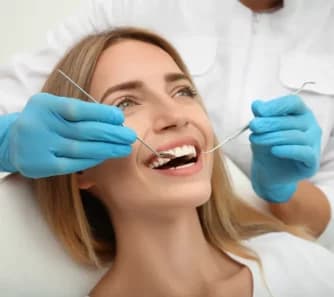
Our general dentistry services in Woodland Hills include cleanings, exams, crowns, bridges, and more.
Explore General Dentistry
We offer fast, reliable emergency dental care in Woodland Hills when you need immediate treatment.
Emergency Dental Care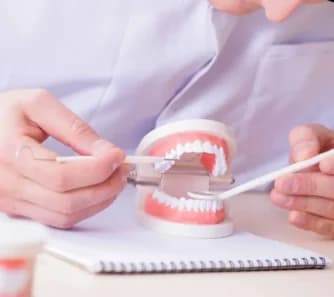
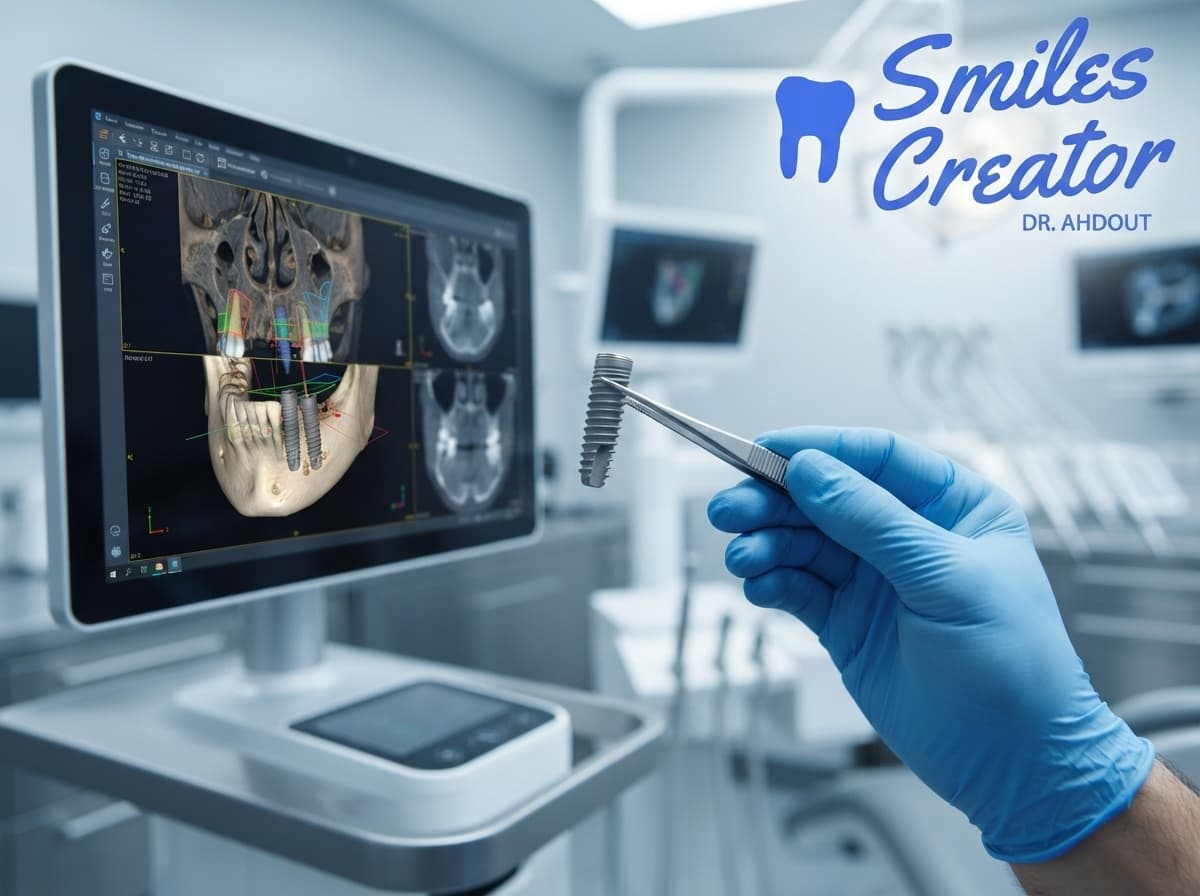
Our Woodland Hills implant dentistry covers consultation, placement, and full restoration.
Dental Implant Options
We provide cosmetic dentistry in Woodland Hills, including veneers, whitening, and complete smile makeovers.
Cosmetic Dentistry Services
Our sedation dentistry options help Woodland Hills patients enjoy a relaxed, stress-free experience.
Sedation Dentistry Options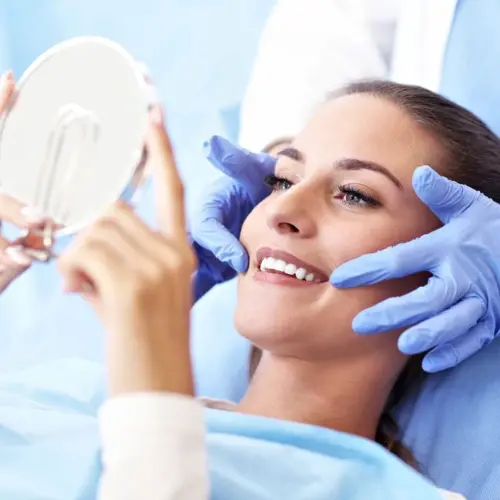
Our facility is a unique fusion of top-notch dental services and the tranquility of a spa, setting a new standard in dental care.
Discover Dental Spa Care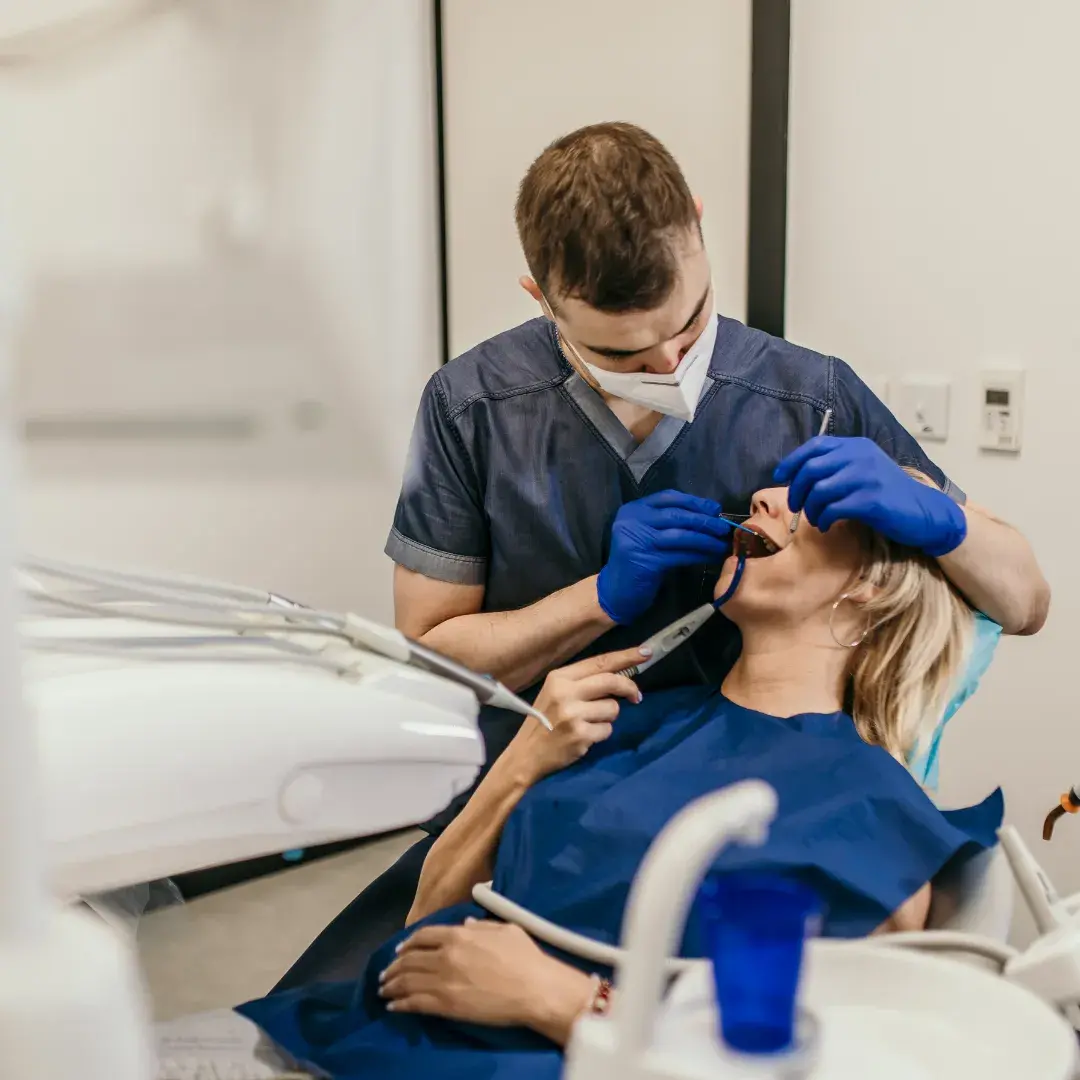
Dr. Nader Ahdout is an experienced dentist serving the Woodland Hills community with dedication, compassion, and a strong focus on long-term oral health. For over a decade, he has provided high-quality family, cosmetic, and implant dentistry using the latest techniques and technology to ensure accurate, comfortable, and predictable treatment results.
He takes the time to understand each patient's needs, explain treatment options clearly, and create personalized plans that support both oral health and smile aesthetics. His gentle approach, strong clinical knowledge, and commitment to continuing education allow him to deliver care that feels modern, safe, and exceptionally patient-focused.
As a trusted dentist in Woodland Hills, Dr. Ahdout believes in building lifelong relationships with his patients based on honesty, communication, and quality care.
At our Woodland Hills dental practice, we focus on providing high-quality dental care through a modern, gentle, and patient-centered approach. With years of experience and advanced training, Dr. Ahdout ensures that every appointment feels comfortable, transparent, and tailored to your individual needs.
We treat patients of all ages with a strong emphasis on prevention, long-term oral health, and natural-looking results. Whether you need general dentistry, cosmetic enhancements, restorative treatments, or sedation options, we combine quality care with a welcoming, supportive environment.
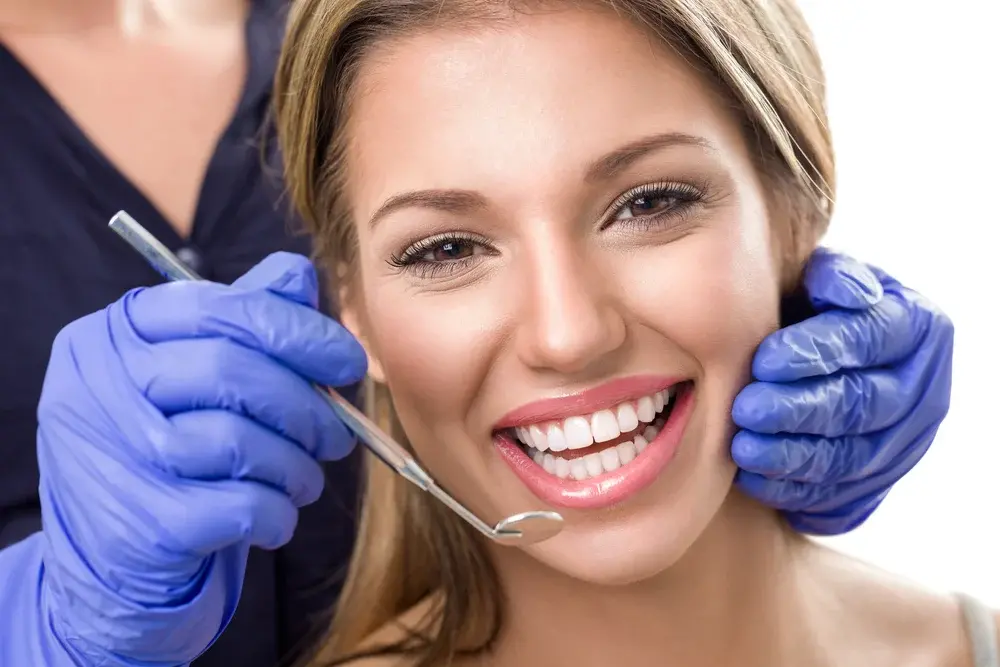
Dr. Ahdout welcomes patients from Woodland Hills and nearby Los Angeles communities for modern, comfortable dental care, including general dentistry, cosmetic dentistry, dental implants, emergency dentistry, and sedation dentistry.
Visit us at 22116 Ventura Blvd, Woodland Hills, CA 91364.
Our patients consistently share positive experiences about their dental treatments, comfort, and long-term results.
We'd love to see you! Find our office and come experience world-class dental care in a comfortable, welcoming environment.
Our dental team is committed to delivering high-quality, compassionate dental care using modern technology and a patient-first approach. Whether you need family dentistry, cosmetic enhancements, emergency care, or advanced implant solutions, we provide personalized treatments designed to protect your oral health and support a bright, confident smile.
FAQ's
Dr. Ahdout provides comprehensive dental care in Woodland Hills with a focus on comfort, modern technology, clear communication, and personalized treatment planning. Patients can visit our office for general dentistry, cosmetic dentistry, emergency care, dental implants, and sedation dentistry.
We offer a full range of dental services including general and preventive dentistry, cosmetic dentistry, dental implants, emergency care, sedation dentistry, and a relaxing dental spa experience — all under one roof.
Yes. Dr. Ahdout welcomes patients of all ages and provides comprehensive family dentistry, from children's checkups to advanced treatments for adults.
Absolutely. We offer fast, reliable emergency dental care in Woodland Hills for pain, trauma, swelling, and other urgent dental issues. Call (818) 340-3062 right away.
Yes. We provide complete implant dentistry including single implants, All-on-4, All-on-6, and full-mouth restoration, from consultation to placement and final restoration.
Definitely. Our cosmetic services include teeth whitening, veneers, bonding, and complete smile makeovers designed to enhance both the appearance and health of your teeth.
Yes. We offer modern sedation options including nitrous oxide and oral conscious sedation to ensure a calm, comfortable, and pain-free experience.
For most patients we recommend a professional cleaning and exam every six months, though your ideal schedule may vary based on your individual oral health needs.
Our office is located at 22116 Ventura Blvd, Woodland Hills, CA 91364 — conveniently serving Calabasas, Tarzana, West Hills, Canoga Park, Reseda, Topanga, and Los Angeles.
July 31, 2026 • No Comments
July 29, 2026 • No Comments
July 28, 2026 • No Comments
Call our office
(818) 340-3062