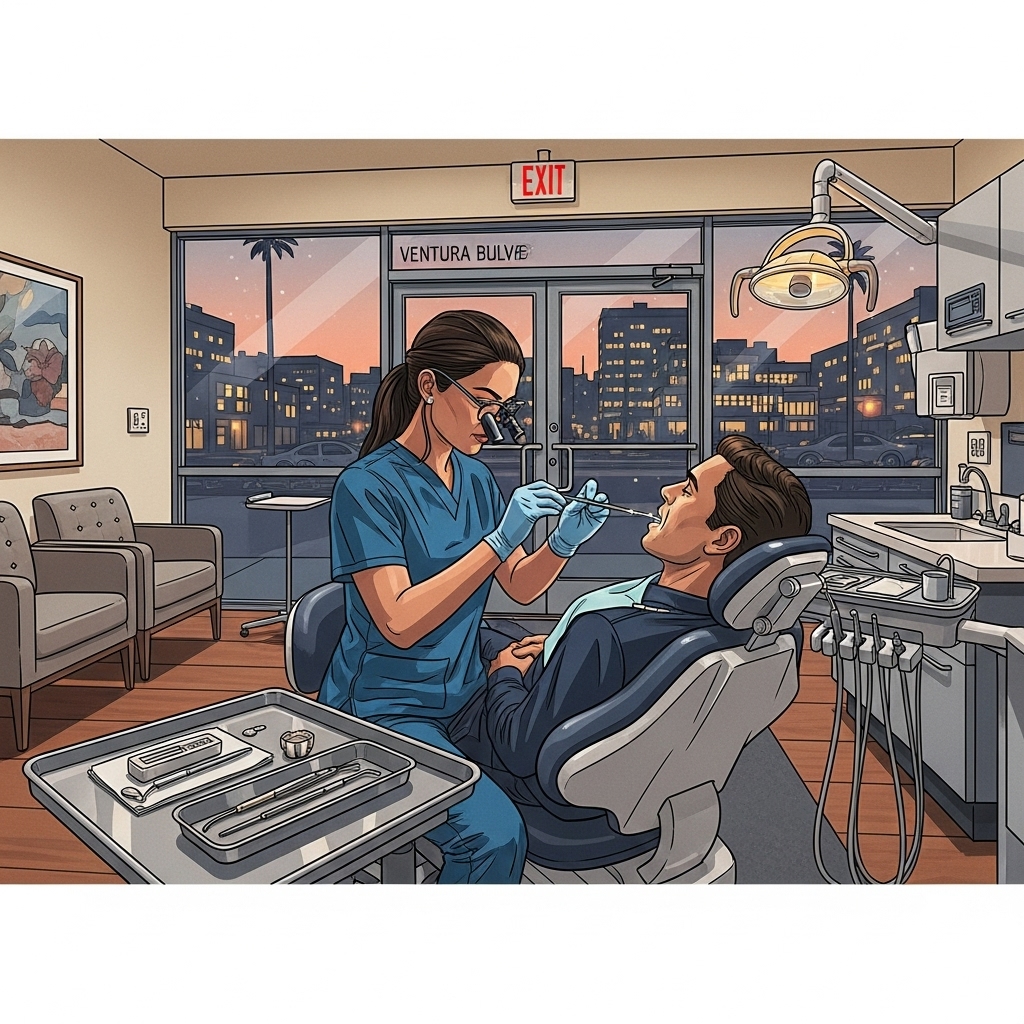
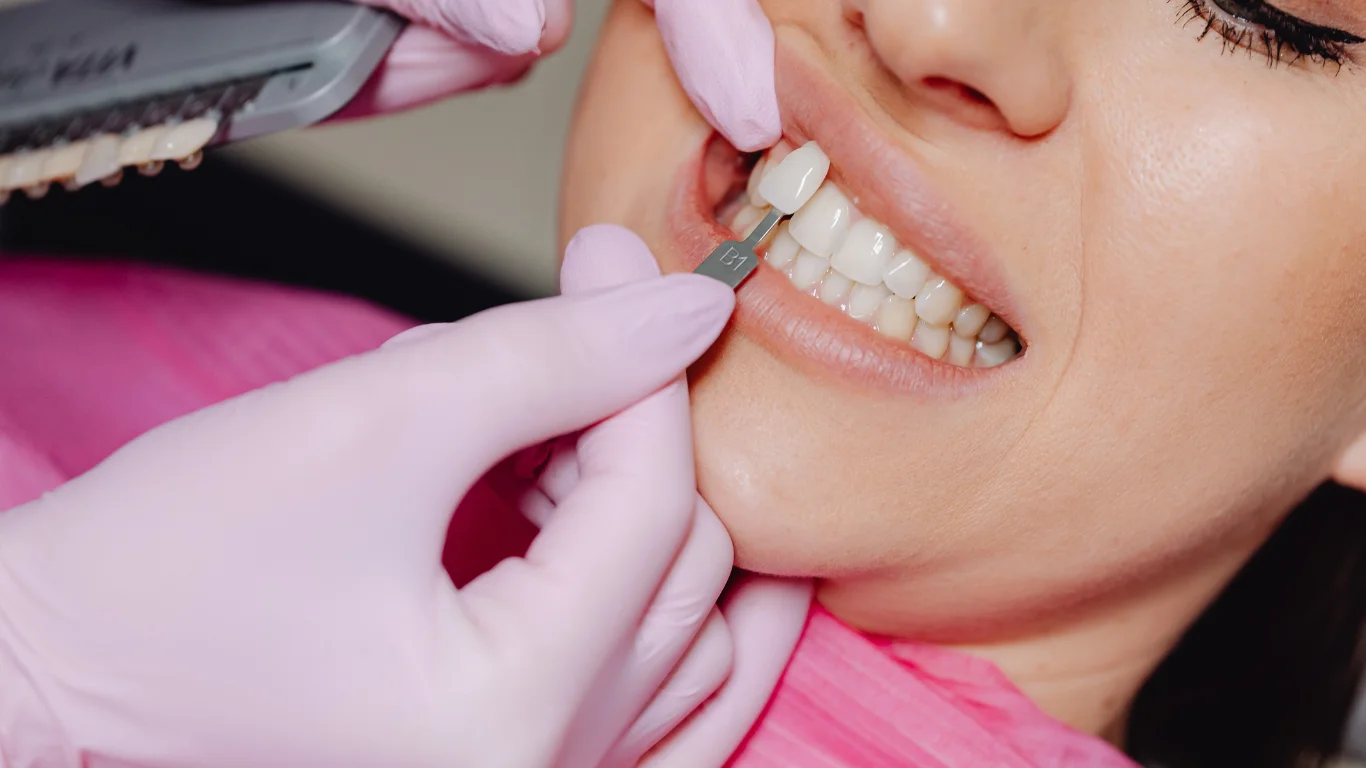
Dental emergencies can happen at any time, causing pain, discomfort, and potential long-term damage if not treated quickly. Whether it’s a severe toothache, a broken tooth, or a knocked-out tooth, knowing why you need an emergency dentist can help prevent complications. Immediate care ensures that oral health is preserved and pain is managed effectively. Understanding the most common dental emergencies and how to handle them can make a significant difference in protecting your teeth and gums.
Why You Need an Emergency Dentist: Identifying Common Dental Emergencies
Toothaches are one of the most frequent reasons why you need an emergency dentist. A sudden or persistent toothache can indicate an infection, decay, or even an abscess. If the pain is severe, swelling occurs, or there is a fever, seeking emergency dental care is crucial to prevent the infection from spreading.
Broken or chipped teeth also require immediate attention. A cracked tooth can expose nerves, leading to intense pain and an increased risk of infection. If a tooth breaks, it’s important to rinse the mouth with warm water and apply a cold compress to reduce swelling before seeing an emergency dentist.
A knocked-out tooth is another urgent situation that requires professional care. If a tooth is completely dislodged, keeping it moist in milk or placing it back in its socket can improve the chances of saving it. Getting to an emergency dentist within an hour offers the best possibility for reattachment.
Why You Need an Emergency Dentist: How to Handle Urgent Dental Situations
When a dental emergency occurs, knowing how to respond before seeing a dentist can help minimize pain and prevent further damage. For severe toothaches, rinsing the mouth with warm salt water can help reduce inflammation. Avoid placing aspirin directly on the gums, as this can cause irritation.
If a tooth is chipped or broken, saving any fragments and keeping them moist can help during the restoration process. Applying gauze to stop bleeding and using a cold compress can also help control swelling and discomfort.
For a knocked-out tooth, handling it carefully by the crown instead of the root can increase the chances of successful reinsertion. If immediate reimplantation isn’t possible, storing the tooth in milk or a saline solution can preserve it until an emergency dentist is available.
In cases of lost fillings or crowns, temporary dental cement from a pharmacy can provide a short-term fix until professional treatment is received. However, seeking an emergency dentist as soon as possible is essential to prevent further damage to the tooth.
Understanding why you need an emergency dentist and knowing how to respond to common dental emergencies can prevent complications and preserve oral health. Immediate care ensures that pain is managed, infections are controlled, and damaged teeth are treated effectively. By recognizing the signs of a dental emergency and seeking prompt treatment, patients can protect their smiles and avoid more serious issues in the future.