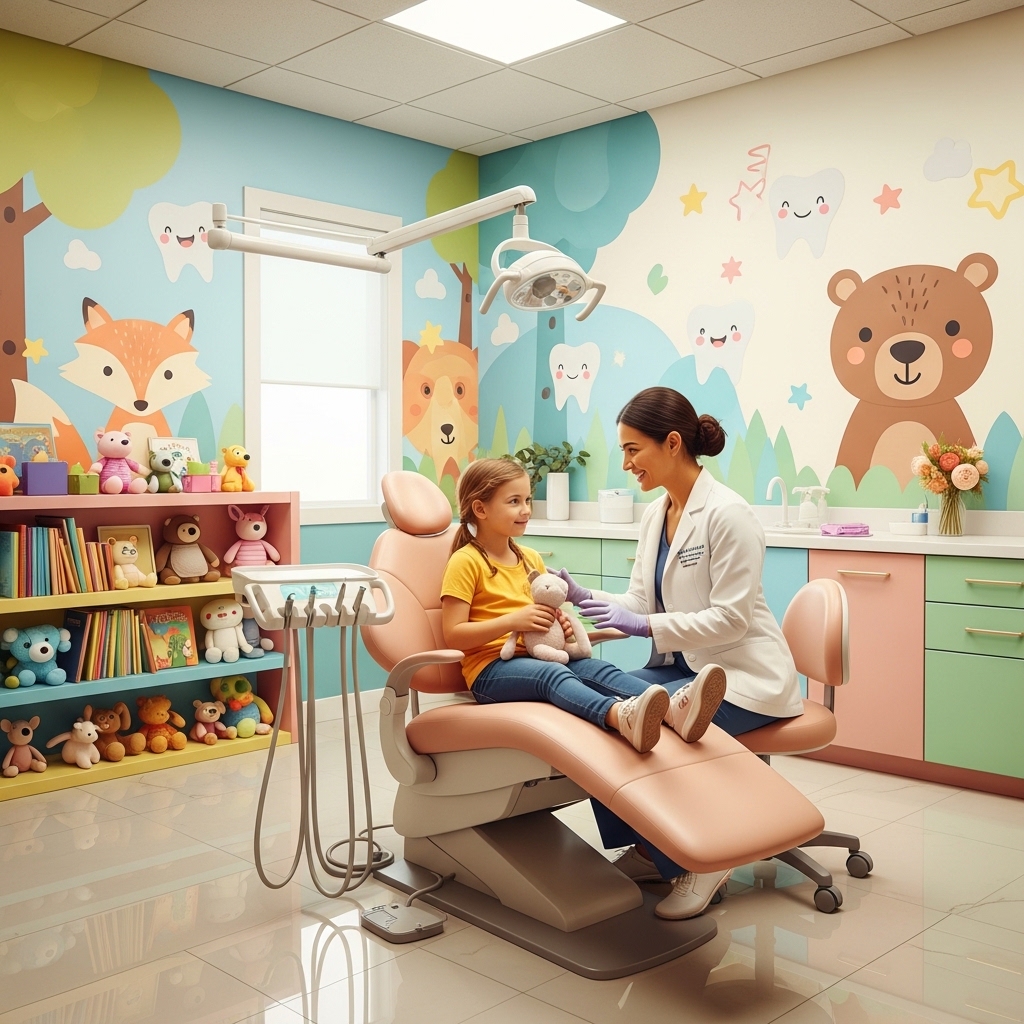

When it comes to your child’s oral health, it’s important to start early. The “First Tooth, First Visit” rule is a guideline recommended by pediatric dentists to ensure that children receive the best possible care from the moment their first tooth erupts. As a dentist near me in Woodland Hills, CA, I’m here to explain what this rule means, why it’s so important, and how it can help set the foundation for a lifetime of healthy teeth.
What is the “First Tooth, First Visit” Rule?
The “First Tooth, First Visit” rule is simple: a child should have their first dental visit by the time their first tooth erupts, or by their first birthday—whichever comes first. This early visit allows a pediatric dentist to assess the child’s oral health, provide preventive care, and address any concerns parents might have. Many parents are surprised to learn that they should bring their child to the dentist so early, but this early start helps prevent future dental problems and sets the stage for good oral hygiene habits.
Why is the First Visit So Important?
Many parents don’t realize that dental care is important even before their child has a full set of teeth. The first visit helps ensure that your child’s teeth and gums are developing properly and can prevent future dental problems. Here are some reasons why the “First Tooth, First Visit” rule is crucial:
1. Early Detection of Oral Health Issues
During the first visit, the pediatric dentist will look for early signs of dental issues such as teething problems, early tooth decay, or misalignment of the teeth and jaws. Catching these issues early allows for proactive treatment, preventing them from becoming more serious and costly to treat later on.
2. Teaching Parents About Oral Hygiene
At the first dental visit, the pediatric dentist will provide parents with essential information on how to care for their child’s teeth and gums. This includes tips on brushing techniques, teething relief, and the importance of fluoride. The dentist will also discuss when to start flossing and provide guidance on diet and habits that promote oral health.
3. Prevention of Baby Bottle Tooth Decay
One common issue that pediatric dentists address early on is baby bottle tooth decay, a condition caused by sugary liquids like milk, juice, or formula that remain in a baby’s mouth for extended periods. The dentist will guide parents on how to avoid this problem by offering tips on safe feeding practices and oral hygiene routines.
4. Establishing a Positive Relationship with the Dentist
Bringing your child to the dentist at an early age helps create a positive experience and establishes a comfortable relationship with the dentist. When children are familiar with the dentist’s office and staff, they are less likely to develop dental anxiety as they grow older. Early visits help children become accustomed to the sounds, smells, and procedures involved in dental care.
What to Expect During the First Dental Visit
The first dental visit is typically short and focused on making the child feel comfortable while providing essential care and education to the parents. Here’s what you can expect:
1. A Gentle Exam
The pediatric dentist will perform a gentle exam of the baby’s teeth and gums to check for any issues. For babies, the dentist may also look for any signs of teething problems or other oral health concerns. The dentist may also inspect the child’s bite and jaw alignment to ensure proper development.
2. Cleanings and Polishing
While cleaning may not be needed for babies with few or no teeth, the dentist will typically clean any visible teeth gently with a soft cloth or small toothbrush. This is also a good time to teach parents how to clean their baby’s teeth and gums properly.
3. Fluoride Treatment
If your child’s first teeth have erupted, the dentist may apply a fluoride treatment to help protect the enamel from decay. Fluoride is essential for strengthening the teeth and preventing cavities. The dentist will also talk to parents about fluoride use and how to safely introduce fluoride toothpaste once your child reaches the appropriate age.
4. Education and Guidance
The dentist will take the time to answer any questions parents may have about oral hygiene, teething, pacifier use, thumb sucking, or feeding habits. They will also discuss the importance of regular dental visits, usually every six months, to monitor the child’s oral development and maintain healthy teeth.
How Can You Prepare for Your Child’s First Visit?
Preparing for your child’s first dental visit can make the experience more positive for both you and your child. Here are some tips to help you get ready:
- Make the visit a positive experience: Talk to your child about the dentist in a positive and friendly way. Avoid using words like “pain” or “shot,” as these can create fear.
- Bring your child’s favorite comfort item: Whether it’s a stuffed animal, blanket, or toy, bringing something familiar can help soothe your child during the visit.
- Be calm and reassuring: Children often take cues from their parents. If you remain calm and confident, your child will feel more relaxed and comfortable.
- Start a good oral hygiene routine at home: Begin brushing your baby’s teeth as soon as they erupt, using a soft toothbrush and water. This helps your child get used to the idea of oral care before the first visit.
When Should You Schedule Your Child’s First Dental Visit?
According to the American Academy of Pediatric Dentistry, your child’s first dental visit should occur by their first birthday or within six months after their first tooth erupts. This early visit sets the foundation for good oral health and ensures that your child receives the best possible care from the start.
Frequently Asked Questions
Is the first dental visit necessary if my child doesn’t have teeth yet?
Yes, even if your child doesn’t have teeth yet, it’s a good idea to schedule their first dental visit. The dentist will check the health of your child’s gums and provide guidance on proper care. Early visits help prevent potential issues and provide parents with helpful advice on oral care.
Will my child need treatment during the first visit?
In most cases, the first dental visit is primarily focused on education and preventive care. Treatment is not typically required unless there are specific concerns, such as early signs of tooth decay or teething problems.
What if my child is nervous about going to the dentist?
It’s natural for children to feel nervous about visiting the dentist for the first time. Be sure to keep the experience lighthearted and positive. Avoid expressing any concerns you may have, and consider reading books or watching videos about going to the dentist before the appointment to help your child feel more comfortable.
Start Your Child’s Dental Care Early
The “First Tooth, First Visit” rule is essential for ensuring that your child has a healthy start when it comes to their oral health. By scheduling that first dental visit early, you can address potential problems before they become more serious and set the stage for a lifetime of healthy teeth. If you’re ready to schedule your child’s first visit, contact our office today and give your child the gift of great oral health!
Dr. Ahdout
22116 Ventura Blvd, Woodland Hills, CA 91364, United States
Phone: +1 (818) 340-3062